Comparing Growing Mediums for Cannabinoid-Specific Strains: THC vs. CBD in Medical Cannabis Cultivation
Introduction
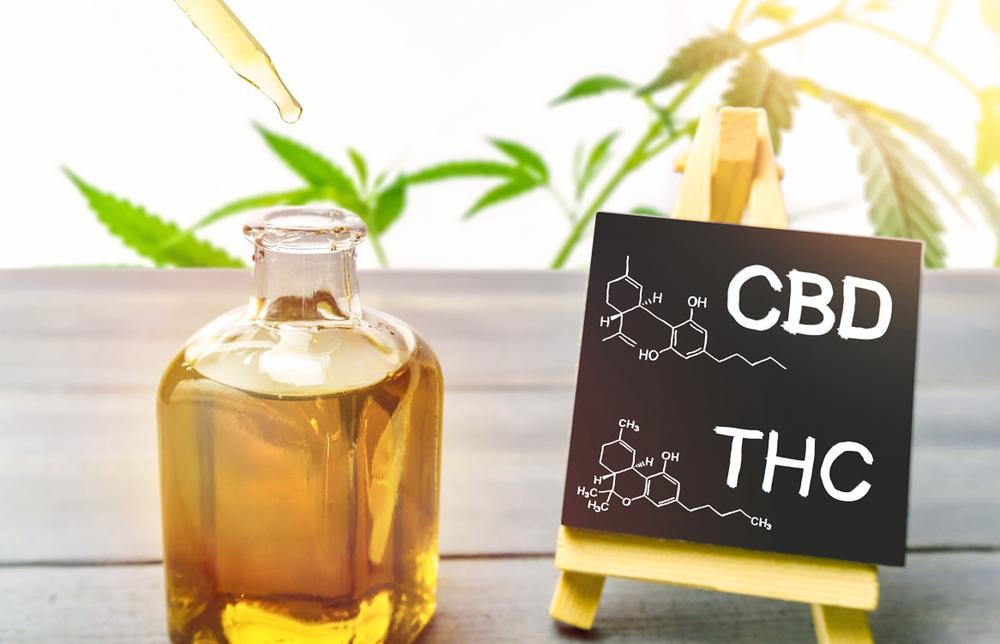
The cultivation of medical cannabis is an evolving science. The two main cannabinoids, tetrahydrocannabinol (THC) and cannabidiol (CBD), are the main focus of attention. Both of these compounds have significant therapeutic benefits, but they function very differently in the human body. THC is known for its psychoactive effects and pain-relieving properties, whereas CBD is non-psychoactive and has been widely researched for its potential in treating inflammation, anxiety, and epilepsy, among other conditions. Understanding how to optimize the growing conditions, particularly the choice of growing medium, is critical to producing strains that are either THC-dominant, CBD-dominant, or balanced in their cannabinoid content for medical purposes.
In this paper, we will compare and contrast various growing mediums used in cultivating medical cannabis strains rich in either THC or CBD. We will focus on soil, soilless mediums like coco coir, peat, and hydroponics, and their respective impacts on the cannabinoid profile and overall health of the cannabis plant. We will explore the relationship between the chosen medium and how it influences the quality, consistency, and yield of medical cannabis strains, particularly emphasizing the medical use of the cannabinoids produced.
The Importance of Cannabinoid Profiles in Medical Cannabis
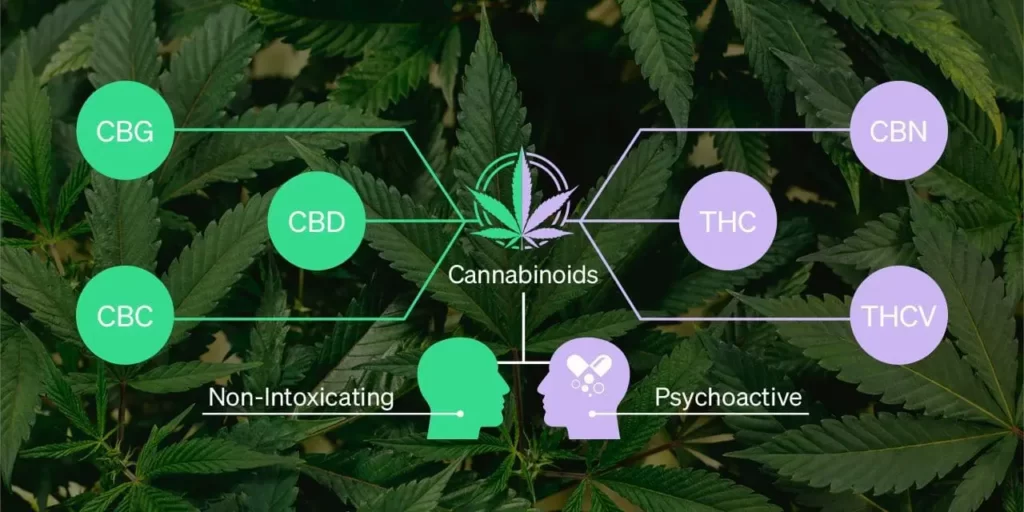
THC and CBD have distinct medical applications. THC is primarily used for its pain-relieving, anti-nausea, and appetite-stimulating effects. It is prescribed for patients undergoing chemotherapy, those with chronic pain conditions, or diseases such as multiple sclerosis. Contrarily, CBD is well-known for its anti-inflammatory, anti-anxiety, and anti-seizure qualities, which make it beneficial for a variety of ailments, such as anxiety disorders, inflammatory diseases like Crohn’s disease, and epilepsy (such as Dravet syndrome).
For medical cannabis cultivators, the goal is often to produce strains with specific cannabinoid ratios to meet the needs of individual patients. A strain high in THC, for instance, may be preferred by a patient managing chronic pain, while a strain higher in CBD would be chosen for someone seeking relief from anxiety or inflammation without psychoactive effects. Achieving the correct cannabinoid profile requires precise control over many factors, including genetics, light, temperature, humidity, and the growing medium.
Soil-Based Growing for THC- and CBD-Dominant Strains
Soil is the most traditional growing medium for cannabis and remains a popular choice among medical cannabis cultivators due to its simplicity and its ability to support the plant’s natural processes. Healthy plant growth is supported by the soil’s complex ecology, which is full of nutrients, organic materials, and helpful bacteria. Soil also allows for the slow release of nutrients, which can contribute to more stable plant development over time.
Impact on THC and CBD Production in Soil
The microbial life present in soil can have a significant effect on the production of cannabinoids. Certain bacteria and fungi in the rhizosphere, the area of soil around the plant’s roots, can help break down organic matter into bioavailable nutrients, facilitating better nutrient uptake by the cannabis plant. This microbial interaction can enhance the plant’s overall health and stress resistance, potentially leading to higher yields of THC or CBD.
THC-rich strains tend to benefit from soil that is well-aerated, with adequate drainage and nutrient composition, ensuring that the plant doesn’t suffer from nutrient lockout or overwatering. The gradual nutrient release of soil helps manage the plant’s growth stages, optimizing THC production during the flowering phase.
CBD-dominant strains, which often have a slightly different growth pattern than THC-rich strains, also perform well in soil, especially when enriched with organic material such as compost or worm castings. These organic supplements can enhance CBD levels, particularly when the plant is stressed in controlled amounts (e.g., through regulated watering practices).
One downside to using soil, particularly for medical cannabis, is its variability. Even with the best amendments and supplements, soil composition can vary slightly from batch to batch. For medical purposes where consistency is key, this can present challenges, as even small changes in nutrient availability can affect the cannabinoid profile.
Ideal Soil Mix for Medical Cannabis
To maximize the production of THC or CBD in soil, cultivators typically use a carefully balanced soil mix. An ideal medical cannabis soil mix might include:
- Loamy soil for its ideal balance of sand, silt, and clay, which promotes proper drainage and nutrient retention.
- Compost or other organic matter to promote healthy microbial activity and supply a consistent flow of nutrients.
- Perlite or vermiculite to improve aeration and drainage.
- Mycorrhizae (fungi that form a symbiotic relationship with plant roots) to improve nutrient uptake, particularly phosphorus, which is essential for flower development.
- Rock dust or other mineral amendments to provide trace elements that may enhance cannabinoid production.
Coco Coir as a Growing Medium for THC and CBD Strains
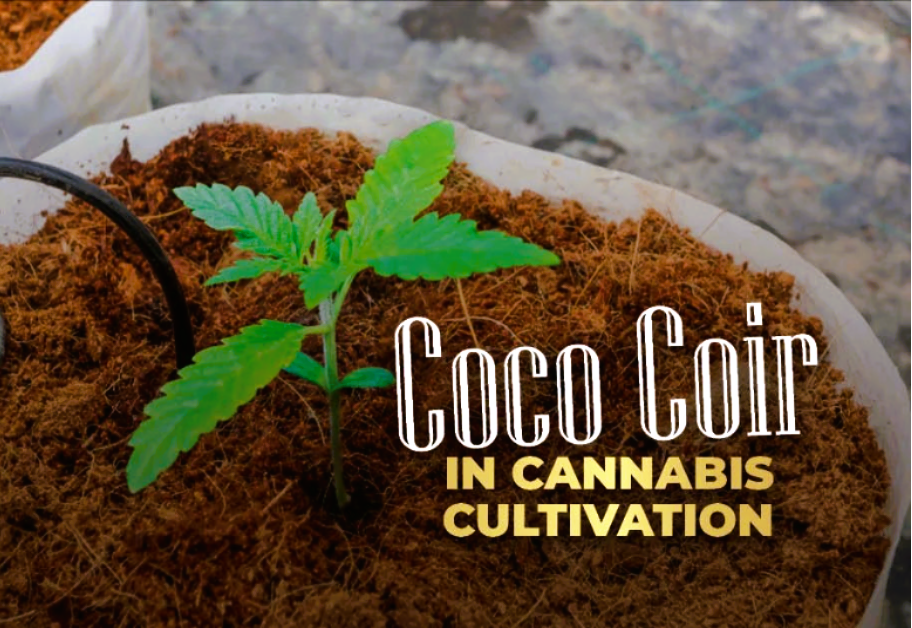
Coco coir is a natural, soilless growing medium made from the husks of coconuts. It has become a popular choice in cannabis cultivation, particularly for growers looking to improve control over nutrient availability and water retention. Coco coir is highly effective at holding water, while also providing excellent aeration to the root zone, which promotes healthy root growth.
Impact on THC and CBD Production in Coco Coir
Coco coir is often considered to be a more “inert” growing medium compared to soil, meaning it doesn’t naturally contain nutrients. This gives the grower more precise control over nutrient delivery, making it easier to fine-tune the growing conditions for cannabinoid-specific strains. For medical cannabis cultivation, this control can be a major advantage when targeting specific THC or CBD levels.
In a coco coir medium, nutrient uptake can be more predictable, which helps in producing consistent cannabinoid profiles, a critical factor in medical cannabis production. Coco coir is particularly well-suited to hydroponic-style nutrient regimens, allowing for faster growth rates and larger yields. With a balanced nutrient program, THC and CBD production can be optimized through the plant’s growth cycle.
For THC-dominant strains, coco coir can promote vigorous growth during the vegetative stage, leading to larger plants that, when transitioned into the flowering stage, have the potential to produce more THC-rich flowers. Proper management of nitrogen and phosphorus during the vegetative and flowering stages, respectively, is essential to maximizing THC content.
For CBD-dominant strains, coco coir can also support healthy growth, although cultivators often adjust the nutrient regimen to focus on slightly different ratios, particularly in the flowering stage. CBD production benefits from lower levels of nitrogen during flowering and more emphasis on potassium and magnesium, which coco coir is known to bind to. This necessitates careful monitoring of nutrient levels to prevent deficiencies that could impact CBD yields.
Advantages and Challenges of Coco Coir
One of the main advantages of coco coir is its environmental sustainability compared to peat-based growing mediums. It is renewable and has a lower ecological impact. Additionally, coco coir is resistant to compaction, ensuring that the roots have access to oxygen throughout the plant’s life cycle, which is crucial for healthy cannabinoid production.
However, growing in coco coir does require more attention to pH levels and nutrient regimens compared to soil. Coco coir tends to bind calcium and magnesium, leading to potential deficiencies in these nutrients. Growers often supplement their nutrient mixes with additional calcium and magnesium (referred to as Cal-Mag) to prevent issues like nutrient lockout, which can negatively impact cannabinoid production.
Peat-Based Growing Mediums for THC and CBD Strains
Peat moss is another widely used growing medium in cannabis cultivation, valued for its excellent water retention and ability to create a stable, acidic environment that benefits many types of plants. Peat is frequently combined with other minerals, such as vermiculite or perlite, to enhance drainage and aeration.
Impact on THC and CBD Production in Peat
Peat-based growing mediums are known for their ability to hold water and nutrients, which can support robust plant growth. This is particularly beneficial for medical cannabis strains where consistent nutrient availability is key to producing stable cannabinoid profiles.
For THC-dominant strains, peat provides a stable growing environment where nutrients can be administered in a controlled manner, particularly during the critical flowering stage. The acidic nature of peat also helps with the absorption of certain micronutrients that are vital for THC production, such as iron and manganese.
For CBD-dominant strains, peat can also be beneficial, but as with coco coir, nutrient management is crucial. Over-fertilization can lead to nutrient imbalances that may inhibit CBD production. Careful monitoring of nitrogen levels during the flowering stage is important, as excess nitrogen can suppress CBD synthesis in favor of other cannabinoids.
Challenges with Peat-Based Mediums
While peat is effective for cannabis cultivation, it is not without its drawbacks. Peat moss is a non-renewable resource, and its extraction is associated with environmental degradation, making it less sustainable than coco coir. Additionally, the water retention capabilities of peat, while beneficial, can sometimes lead to overwatering issues if not managed carefully, which can stunt plant growth and reduce cannabinoid production.
The pH of peat can also drift over time, requiring frequent adjustments to ensure that the plant is able to absorb nutrients properly. Improper pH can lead to nutrient lockout, which can negatively affect both THC and CBD levels in the plant.
Hydroponics for Medical Cannabis Cultivation
Hydroponic systems involve growing plants in a soilless environment, typically with their roots submerged in a nutrient-rich water solution. This method has gained popularity among medical cannabis cultivators due to the high degree of control it offers over growing conditions, which can lead to faster growth rates and higher yields.
Impact on THC and CBD Production in Hydroponics
Hydroponic systems provide a highly controlled environment where the grower has complete control over the nutrients, water, and oxygen that the plants receive. The settings that optimize the generation of cannabinoids can be adjusted with this degree of control.
For THC-dominant strains, hydroponics can lead to explosive growth during the vegetative phase, resulting in larger plants and higher yields of THC-rich flowers. The precise control over nutrient delivery ensures that the plant receives the ideal amounts of nitrogen, phosphorus, and potassium during the different stages of growth, which is critical for maximizing THC content during the flowering stage.
For CBD-dominant strains, hydroponics allows for similar levels of control. However, since CBD production is favored by slightly different nutrient balances, hydroponic growers may adjust their nutrient regimens to focus more on potassium and magnesium during the flowering stage to optimize CBD yields. Additionally, hydroponic systems allow for better stress management, which can be critical for maintaining consistent CBD levels in the plant.
Advantages and Challenges of Hydroponics
Hydroponic systems offer several advantages over traditional growing mediums, particularly in terms of speed of growth and yield. Since the plants’ roots have direct access to nutrients, they can grow faster than in soil or soilless mediums like coco coir. This can be particularly beneficial for medical cannabis cultivators who are looking to maximize the yield of specific cannabinoid-rich strains in a shorter time frame.
However, hydroponics also requires a high degree of technical knowledge and attention to detail. The precision needed to maintain the correct balance of nutrients, pH levels, and water can be challenging for novice growers, and small mistakes can quickly lead to nutrient deficiencies or toxicities that can negatively impact cannabinoid production. Additionally, the initial setup costs for a hydroponic system can be high, although this is often offset by the increased yields and faster growth rates over time.
Comparing Yield and Consistency Across Growing Mediums
Consistency is one of the most crucial aspects of medical cannabis growing. Medical patients rely on cannabis products with specific cannabinoid profiles, and any variability in THC or CBD content can affect the efficacy of the treatment. This makes the choice of growing medium particularly important, as different mediums offer varying degrees of control over the growing conditions.
- Soil is often praised for producing robust, healthy plants with complex terpene profiles, but its variability can make it challenging to produce consistent cannabinoid levels across multiple grows.
- Coco coir offers more control over nutrient delivery and water retention than soil, making it easier to produce consistent cannabinoid profiles. It also supports faster growth rates, which can lead to higher yields.
- Peat-based mediums are similar to coco coir in their ability to retain water and nutrients, but their environmental impact and tendency to compact over time make them less ideal for long-term medical cannabis cultivation.
- Hydroponics offers the highest level of control over the growing environment, making it possible to produce highly consistent cannabinoid profiles. The faster growth rates and higher yields associated with hydroponics also make it an attractive option for medical cannabis cultivation, although the technical expertise required can be a barrier for some growers.
Restrictions on Growing and Using Cannabis in the Medical Field Only

Legal Restrictions on Medical Cannabis Cultivation
In many countries and states, medical cannabis cultivation is strictly regulated. Growers must obtain a license from governmental authorities, which usually involves meeting stringent criteria, such as security measures, tracking plants from seed to sale, and ensuring compliance with local laws. Medical growers are also required to maintain precise records on the strains cultivated, particularly to monitor the THC and CBD content of each strain.
Cultivators of medical cannabis often face restrictions on the quantity of cannabis they can grow, depending on the needs of the patients and local laws. These regulations are aimed at preventing overproduction, which could lead to diversion for recreational use. Additionally, the cultivation environment—whether indoor, outdoor, or in a greenhouse—may be subject to regulatory oversight, including ensuring the safety and cleanliness of the growing process.
Medical Use of Cannabis as a Last Resort
Medical cannabis is typically prescribed only when conventional treatments have failed, making it a “last resort” treatment. Doctors may recommend cannabis for conditions like chronic pain, epilepsy, or multiple sclerosis when other medications and therapies have not provided sufficient relief. Before prescribing cannabis, healthcare providers generally assess the patient’s medical history and explore all available treatment options.
The rationale for restricting cannabis to last-resort use stems from concerns about long-term effects, potential dependency, and the psychoactive effects of THC. In cases where cannabis is deemed necessary, doctors often begin with CBD-dominant strains, which do not produce psychoactive effects, and carefully monitor the patient’s response before considering higher THC content medications.
Monitoring THC Levels to Prevent Psychoactive Effects
In the medical field, preventing the psychoactive effects of THC is crucial, especially for patients who need relief without impairment. For this reason, medical cannabis products are carefully monitored for their THC levels. In some jurisdictions, there are strict limits on how much THC a product can contain if it is being used for medical purposes, particularly for patients who are not seeking the psychoactive effects.
In addition, formulations with balanced ratios of THC and CBD are often used, as CBD can counteract some of the psychoactive effects of THC. Healthcare professionals can guarantee that patients obtain the therapeutic benefits of cannabis without experiencing undesirable psychoactive effects by closely regulating the dosage and keeping an eye on the cannabinoid ratios.
Conclusion
Medical cannabis cultivation and use are highly regulated to ensure that patients receive safe, effective, and targeted treatment. The choice of growing medium—whether soil, coco coir, peat, or hydroponics—plays a significant role in optimizing cannabinoid production, with each medium offering distinct advantages for producing THC- or CBD-dominant strains. Cultivators must carefully consider these factors to ensure consistent and high-quality cannabis for medical purposes.
Restrictions on growing medical cannabis are stringent, involving licensing and oversight to prevent diversion to recreational markets. Medical cannabis is typically prescribed as a last-resort treatment when other therapies have failed, ensuring its use remains focused on patient well-being. In clinical settings, careful monitoring of THC levels is critical to preventing unwanted psychoactive effects, especially when treating patients who need relief without impairment.
Overall, medical cannabis holds significant promise for various conditions, but its cultivation and use require precision and oversight to maximize therapeutic benefits while minimizing risks.
