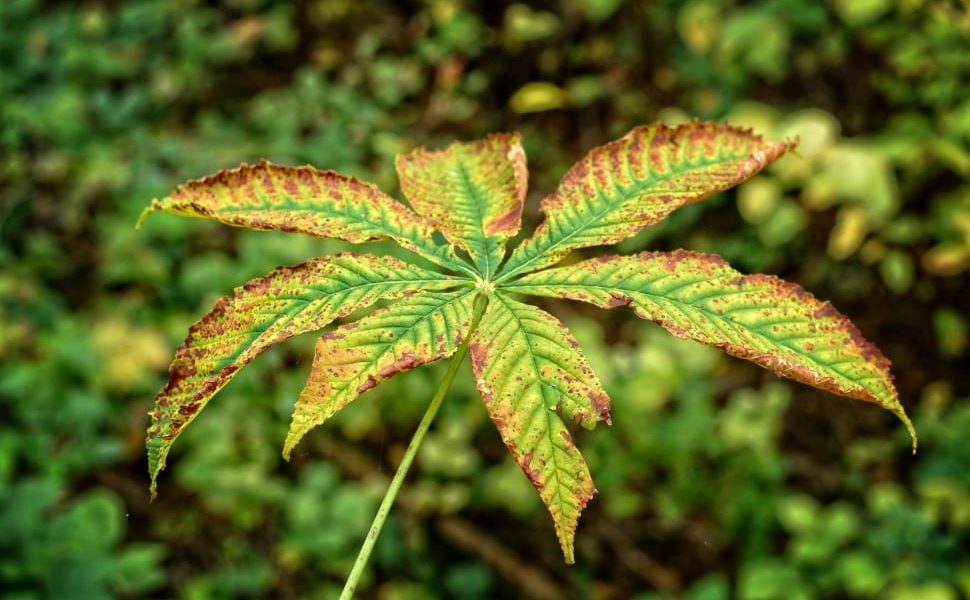
Common Cannabis Plant Problems Growers Experience
Cannabis cultivation, whether for medicinal or recreational purposes, has become increasingly popular worldwide. However, growing healthy and high-yielding cannabis plants is not without its challenges. Various problems can arise during the growth cycle, impacting both novice and experienced growers. This comprehensive guide delves into the most prevalent issues associated with cannabis plants, their causes, symptoms, and efficient solutions.
1. Nutrient Deficiencies
a. Nitrogen Deficiency:
Nitrogen is crucial for vegetative growth. A deficiency results in yellowing leaves, particularly the lower ones, and stunted growth. To address this, ensure a balanced nutrient supply and consider using nitrogen-rich fertilizers during the vegetative stage.
b. Phosphorus Deficiency:
Phosphorus is essential for energy transfer and flower development. Symptoms include dark green leaves with purple or red discolorations and poor bud formation. Use phosphorus-rich fertilizers, especially during the flowering stage.
c. Potassium Deficiency:
Potassium is essential for the overall well-being of plants and their resistance to diseases. Deficiency signs include yellowing leaf edges, brown spots, and weak stems. Supplement with potassium-based fertilizers to rectify the issue.
d. Calcium Deficiency:
Calcium is imperative for the structure and growth of cell walls. Symptoms include distorted new growth, rust-colored spots, and overall stunted growth. Ensure proper pH levels and use calcium supplements if necessary.
e. Magnesium Deficiency:
Magnesium is critical for chlorophyll production. A deficiency causes interveinal chlorosis, where leaves turn yellow while veins remain green. Epsom salts or magnesium supplements can help correct this issue.
2. Pest Infestations
a. Spider Mites:
Sucking sap from leaves causes speckled yellowing and webbing caused by spider mites. They thrive in dry conditions. Mitigation includes increasing humidity, using insecticidal soaps, or introducing predatory insects like ladybugs.
b. Aphids:
Aphids are insects that eat plant sap and cause leaves to curl up and grow slower. Neem oil, insecticidal soaps, and natural predators like lacewings can help control aphid populations.
c. Whiteflies:
Whiteflies are small, white flying insects that suck plant juices, leading to yellowing and weakened plants. Sticky traps, neem oil, and introducing beneficial insects like parasitic wasps can effectively manage whiteflies.
d. Thrips:
Thrips are tiny, slender insects that cause silvering or stippling on leaves. They can also transmit viruses. Use insecticidal soaps, neem oil, and predatory insects like predatory mites to control thrips.
e. Fungus Gnats:
Fungus gnats are small, dark flies whose larvae feed on plant roots, causing poor growth and yellowing. Fungus gnats can be managed by allowing the soil to dry out between waterings, using sticky traps, and applying beneficial nematodes.
3. Diseases
a. Powdery Mildew:
Powdery mildew appears as a white, powdery substance on leaves, stems, and buds. It thrives in humid conditions. Preventative measures include proper air circulation, maintaining low humidity, and using fungicides.
b. Botrytis (Bud Rot):
Botrytis is a fungal disease that causes grey mold on buds, leading to rot. It thrives in cool, damp conditions. Ensure good airflow, avoid overhead watering, and remove affected parts immediately.
c. Root Rot:
Root rot is caused by overwatering and poor drainage, leading to brown, mushy roots and wilting plants. Ensure proper drainage, avoid overwatering, and consider using beneficial bacteria or fungi to promote healthy root systems.
d. Leaf Septoria:
Leaf septoria is a fungal disease that causes yellow spots with dark borders on leaves. It thrives in warm, humid environments. Remove affected leaves, maintain good airflow, and use fungicides if necessary.
e. Fusarium Wilt:
Fusarium wilt is a soil-borne fungal disease causing yellowing, wilting, and death of plants. It is difficult to control once established. Preventative measures include crop rotation, using resistant strains, and ensuring proper soil conditions.
4. Environmental Stress
a. Heat Stress:
Cannabis plants prefer temperatures between 70-85°F (20-30°C). Temperatures above this range can cause leaf curling, wilting, and slowed growth. Provide shade, increase ventilation, and ensure adequate watering during heatwaves.
b. Light Stress:
Both insufficient and excessive light can stress cannabis plants. Insufficient light leads to stretching and weak growth, while excessive light can cause bleaching and burned leaves. Ensure appropriate light intensity and duration for each growth stage.
c. Humidity Issues:
Cannabis plants require different humidity levels at different growth stages. High humidity during flowering can lead to mold, while low humidity during vegetative growth can cause slow development. Use humidifiers or dehumidifiers to maintain optimal humidity levels.
d. Wind Burn:
Excessive wind can cause leaf edges to brown and curl, resembling nutrient deficiencies. Ensure proper but not excessive airflow, and avoid placing fans too close to plants.
e. Overwatering and Underwatering:
Overwatering can cause root rot and nutritional deficiencies, and underwatering can cause wilting and slow growth. Let the soil dry out between waterings to make sure it drains properly.
5. pH Imbalance
Cannabis plants require a specific pH range (6.0-7.0 for soil and 5.5-6.5 for hydroponics) to absorb nutrients effectively. pH imbalances can cause nutrient lockout, leading to deficiencies. Regularly test and adjust the pH of your growing medium and water.
6. Genetic Issues
a. Hermaphroditism:
Stress factors like light leaks, temperature fluctuations, and nutrient imbalances can cause plants to develop both male and female flowers, leading to self-pollination and reduced bud quality. Remove hermaphroditic plants to prevent pollination.
b. Poor Genetics:
Using low-quality seeds or clones can result in weak plants prone to diseases and pests. Always source seeds from reputable breeders and consider using feminized or auto-flowering varieties for better results.
7. Human Errors
a. Overfeeding:
Excessive nutrient application can lead to nutrient burn, characterized by yellow or brown leaf tips and edges. Follow recommended feeding schedules and adjust based on plant response.
b. Underfeeding:
Insufficient nutrients can lead to deficiencies, stunted growth, and poor yields. Regularly monitor plant health and adjust feeding accordingly.
c. Improper Pruning:
While pruning can enhance growth and yield, improper techniques can stress plants and reduce productivity. Learn proper pruning methods and avoid excessive trimming, especially during flowering.
d. Transplant Shock:
Transplanting can stress plants, causing wilting and slow growth. Minimize shock by handling roots carefully, transplanting during cooler parts of the day, and providing adequate water and nutrients.
e. Harvesting Too Early or Late:
Harvesting too early results in low potency, while harvesting too late can degrade cannabinoids and terpenes. When the trichomes are mostly milky with some amber, use a magnifying glass to inspect them.
8. Soil and Growing Medium Issues
a. Poor Soil Quality:
Low-quality soil can lack essential nutrients and proper drainage. Use high-quality, well-draining soil or consider hydroponic systems for better control over nutrient delivery.
b. Compacted Soil:
Compacted soil restricts root growth and water penetration. Regularly aerate the soil and consider using perlite or vermiculite to improve soil structure.
c. Salt Buildup:
Over time, salts from fertilizers can accumulate in the soil, leading to nutrient lockout. Regularly flush the growing medium with clean water to prevent salt buildup.
9. Water Quality
a. Chlorine and Chloramine:
Tap water has chemicals called chlorine or chloramine that can harm beneficial microbes in the ground. Use filtered or dechlorinated water to prevent this issue.
b. Hard Water:
Hard water has high levels of calcium and magnesium, which can cause imbalances in nutrients. Consider using a water softener or reverse osmosis system if hard water is a concern.
c. pH Imbalance:
Water with a pH outside the optimal range can cause nutrient lockout. Regularly test and adjust the pH of your water to ensure it is within the ideal range for cannabis growth.
Conclusion
Growing cannabis is a rewarding but complex endeavor that requires careful attention to various factors. Understanding and addressing common plant problems can significantly improve the health and yield of your cannabis plants. Regular monitoring, preventative measures, and timely interventions are key to successful cannabis cultivation. You can overcome these challenges by being proactive and knowledgeable, and enjoy a bountiful harvest of high-quality cannabis.
