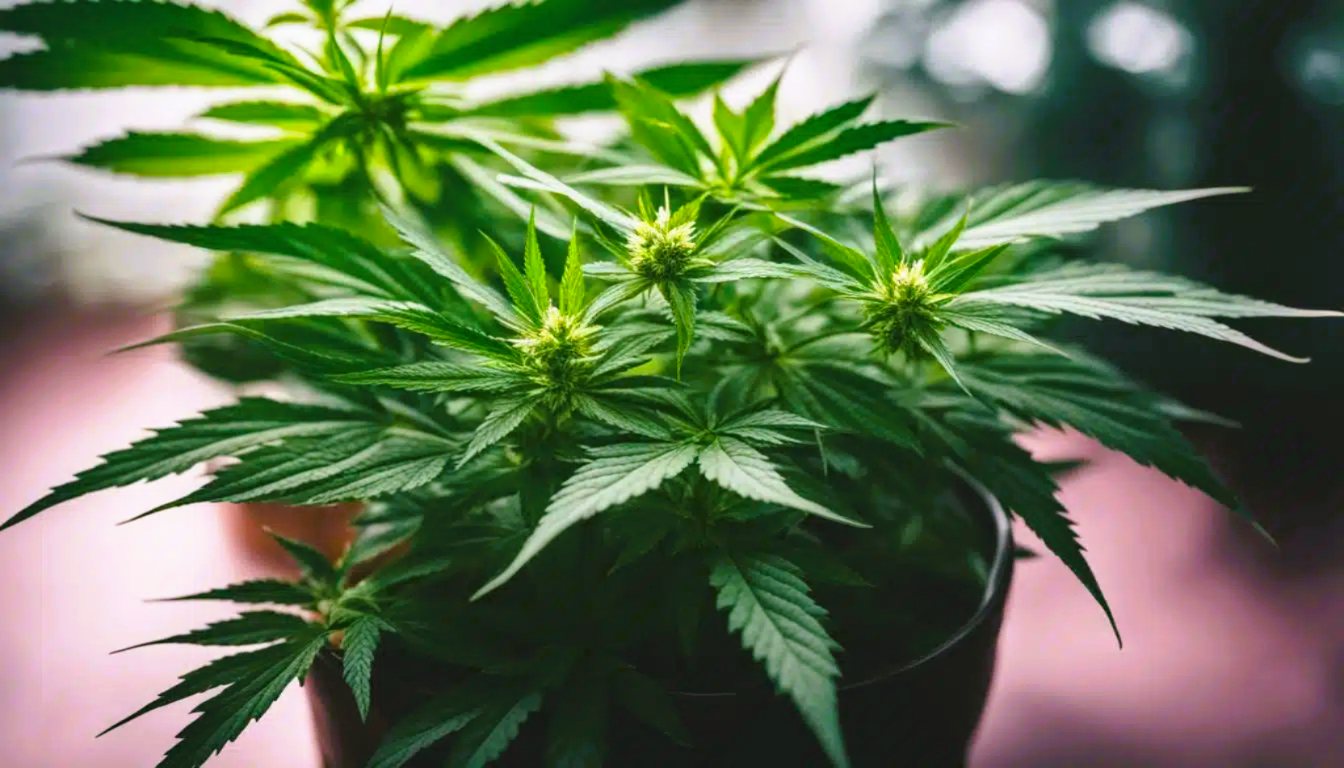
Combining Growing Mediums for Optimal Results in Medical Cannabis Cultivation
Combining growing mediums for cultivating medical cannabis is a sophisticated process that requires a thorough understanding of plant biology, nutrient requirements, water retention, and environmental management. Medical cannabis cultivators, aiming to produce high-quality yields with therapeutic benefits, often look to optimize their growing mediums to enhance plant health, cannabinoid profiles, and terpene production. Selecting and blending appropriate substrates can improve root development, nutrient absorption, water retention, aeration, and disease resistance, which are crucial for producing robust, healthy cannabis plants with high medicinal efficacy.
A successful growing medium combination for medical cannabis cultivation should support optimal growth while providing balanced nutrient delivery and water management. This approach ensures plants thrive in a stable environment that minimizes stress and maximizes productivity, making it an integral component of cultivation practices aimed at meeting the needs of patients who depend on cannabis for symptom relief. Below, we delve into the different aspects and considerations involved in combining growing mediums for medical cannabis cultivation.
Understanding the Requirements of Medical Cannabis Plants
Medical cannabis plants have specific requirements that, when met, encourage vigorous growth and cannabinoid-rich flowers. The primary goal of any medium used in medical cultivation is to support these needs while reducing risks like nutrient deficiencies, overwatering, or root diseases. Key aspects include:
- Nutrient Availability: Cannabis plants require a balanced blend of macronutrients (N-P-K: Nitrogen, Phosphorus, and Potassium) and micronutrients to support their growth stages. Proper nutrient delivery is especially critical in medical cannabis, as nutrient stress can affect the quality and concentration of medicinal compounds like CBD and THC.
- pH Balance: For optimal nutrient uptake, cannabis plants prefer a slightly acidic pH range of 5.8 to 6.5 in hydroponics and 6.0 to 7.0 in soil. Mediums need to be chosen and combined to maintain this pH balance, which is vital for the uptake of essential nutrients.
- Water Retention and Drainage: Water management in growing mediums is crucial because overwatering can lead to root rot, while underwatering can cause nutrient deficiencies and stunted growth. A medium with good water retention and drainage supports healthy root growth and helps maintain the plant’s moisture requirements.
- Aeration: Proper oxygenation is critical for root health, as roots require oxygen for cellular respiration. A well-aerated medium promotes robust root growth and helps prevent anaerobic conditions that can lead to harmful pathogens.
- Pest and Pathogen Resistance: Some growing mediums have natural antifungal or antibacterial properties, providing a level of protection against pests and pathogens. Cultivators can use these properties to reduce the need for chemical pest control, aligning with the needs of medical patients seeking pure, uncontaminated cannabis products.
The Role of Different Growing Mediums
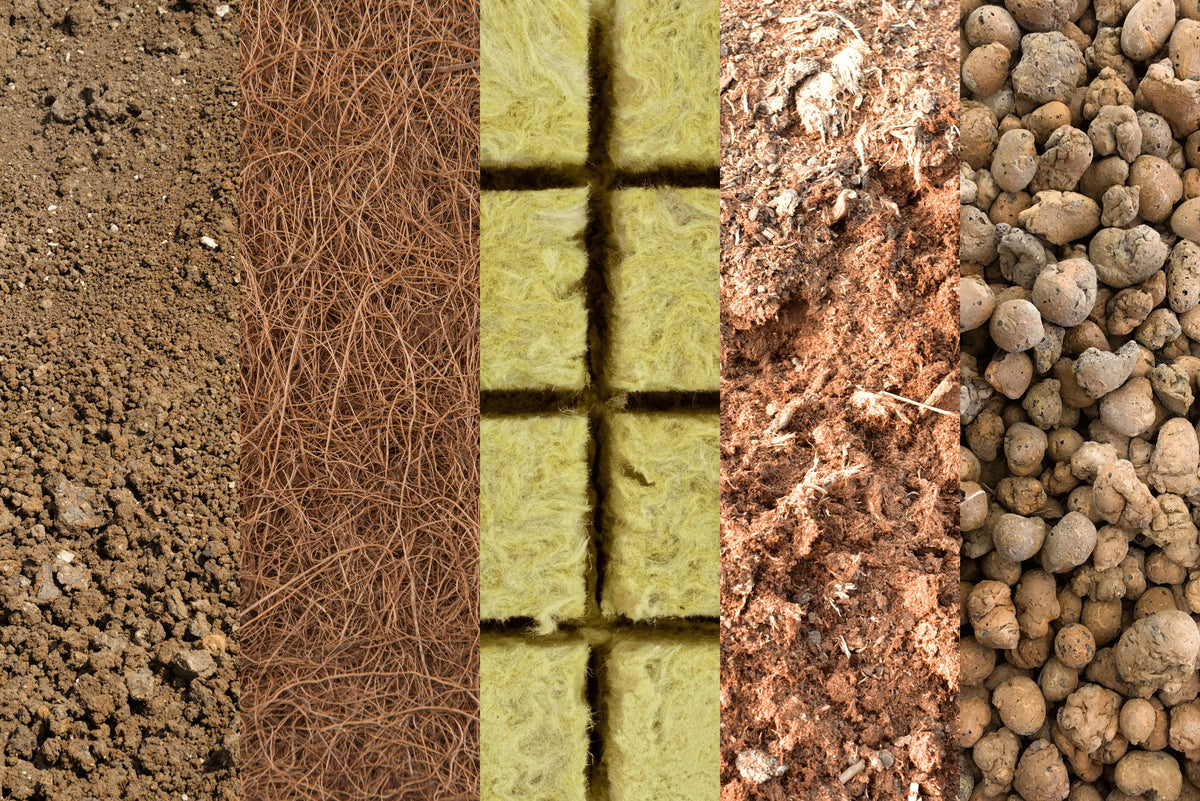
There are several commonly used growing mediums in cannabis cultivation, each with its strengths and limitations. By understanding their individual characteristics, cultivators can make informed decisions about combining these mediums to meet the needs of medical cannabis plants.
Soil
One of the earliest and most popular growth media for cannabis is soil. Rich sources of organic nutrients and advantageous microbes that promote plant health can be found in high-quality soil. Organic soils, often enriched with compost, worm castings, or other organic matter, create a thriving ecosystem where beneficial fungi and bacteria aid in nutrient availability.
Advantages:
- Soil acts as a buffer, releasing nutrients slowly and making it more forgiving for novice growers.
- It naturally holds moisture and allows adequate drainage with the correct amendments.
- Supports a living ecosystem of beneficial microorganisms that can improve plant immunity.
Limitations:
- Soil can be more challenging to manage in terms of pH and nutrient concentration.
- Soil may not drain as quickly as other mediums, increasing the risk of overwatering if not carefully monitored.
Coco Coir
Coco coir, derived from the fibrous husk of coconuts, has become popular due to its excellent water retention, aeration, and sustainability. Coco coir is inert, meaning it contains no nutrients of its own, which allows cultivators to control nutrient levels precisely.
Advantages:
- Holds moisture well while providing excellent aeration.
- Reusable and environmentally sustainable.
- Naturally resistant to pests and diseases.
Limitations:
- Requires regular nutrient supplementation since it does not provide nutrients.
- Tends to have a high potassium content, which can interfere with calcium and magnesium absorption if not managed properly.
Perlite
When heated, perlite, a volcanic glass, swells into a porous, light substance. It is frequently applied as a soil supplement to enhance aeration and drainage.
Advantages:
- Increases drainage and prevents compaction in soil and coco coir mixes.
- Gives the root zone superior aeration.
- Lightweight and easy to handle.
Limitations:
- Does not hold nutrients or water effectively on its own.
- Can lead to nutrient runoff if used in high proportions, as it drains quickly.
Vermiculite
Vermiculite is another mineral-based medium that, like perlite, enhances water retention. Vermiculite holds more water than perlite, making it suitable for improving water retention in mixes with fast-draining mediums.
Advantages:
- Excellent water-holding capacity, making it suitable for plants that need consistent moisture.
- Improves nutrient retention, which is helpful in soil or coco-based blends.
Limitations:
- Can retain too much water if used in high quantities, potentially leading to root rot.
- Less effective for drainage than perlite, so it may require balancing with other mediums.
Rockwool
Rockwool is a manufactured medium made from molten rock spun into fibers. It is widely used in hydroponic systems due to its excellent drainage and consistency, allowing precise nutrient control.
Advantages:
- High porosity and good drainage make it suitable for hydroponics and drip systems.
- Consistent structure allows for precise control over watering and feeding.
Limitations:
- Inert and does not provide any nutrients, requiring constant feeding.
- Non-biodegradable and less environmentally friendly than other mediums.
Peat Moss
Peat moss, harvested from decomposed sphagnum moss, is highly absorbent and acidic, often used as a soil amendment to improve water retention and aeration.
Advantages:
- Improves water retention and adds organic matter to the mix.
- Lowers pH naturally, which can be beneficial in certain soil blends.
Limitations:
- Non-renewable and not environmentally sustainable.
- Prone to compaction over time, which can restrict root growth and aeration.
Combining Growing Mediums for Optimal Results
Medical cannabis cultivators often blend these mediums to create a substrate tailored to their plants’ specific needs. A balanced combination can maximize water retention, drainage, nutrient availability, and aeration, all of which are vital for producing cannabinoid-rich flowers with medicinal properties. Here, we’ll look at some of the most effective ways to combine growing mediums.
Soil and Coco Coir Mix
One of the most popular combinations is a soil and coco coir mix, which brings together the organic benefits of soil with the aeration and water retention capabilities of coco coir.
Benefits:
- Coco coir helps lighten the soil, preventing compaction and improving root oxygenation.
- Soil provides natural nutrients and beneficial microorganisms, reducing the need for synthetic fertilizers.
- This mix offers a balance of moisture retention and drainage, suitable for indoor or outdoor medical cannabis cultivation.
Suggested Ratio: A typical blend consists of 70% soil and 30% coco coir. Depending on the particular water needs of the cannabis strain being grown, adjustments may be necessary.
Coco Coir and Perlite
Combining coco coir with perlite is a favorite among hydroponic and indoor growers who prefer soilless mixes. This blend offers excellent drainage and aeration, critical for reducing the risk of root disease in a controlled environment.
Benefits:
- Perlite enhances drainage and prevents waterlogging, making it ideal for cannabis plants that prefer a slightly drier root zone.
- Coco coir holds water well, allowing the roots to access moisture while the perlite provides aeration.
Suggested Ratio: A common blend is 70% coco coir and 30% perlite. This mixture works well for hydroponic systems where plants are watered frequently, as it prevents water retention issues.
Soil, Coco Coir, and Perlite
A mix of soil, coco coir, and perlite provides a balanced environment that benefits from the strengths of each medium. This combination is popular among organic cultivators who want to create a highly optimized growing environment without relying solely on synthetic nutrients.
Benefits:
- Coco coir improves water retention while perlite prevents soil compaction, ensuring optimal aeration.
- The presence of soil supports a living microbiome, which can help with nutrient uptake and overall plant health.
- This mix supports a controlled nutrient release, which is ideal for producing medical-grade cannabis.
Suggested Ratio: 50% soil, 30% coco coir, and 20% perlite. This balance creates a medium that retains moisture without becoming too compacted or prone to overwatering.
Coco Coir, Perlite, and Vermiculite
This combination is effective in hydroponic or indoor environments where frequent watering and feeding schedules are used. It balances the rapid drainage of perlite with the moisture retention of vermiculite and coco coir, allowing plants to access water and nutrients consistently.
Benefits:
- Vermiculite holds water and nutrients effectively, reducing the risk of nutrient loss through runoff.
- Perlite prevents the mix from retaining too much water, making this blend ideal for indoor setups where precise control is required.
- Coco coir adds structure and aeration, creating an environment that encourages healthy root development.
Suggested Ratio: 50% coco coir, 25% perlite, and 25% vermiculite. This blend provides a balance that reduces watering frequency while maintaining adequate drainage.
Additional Considerations
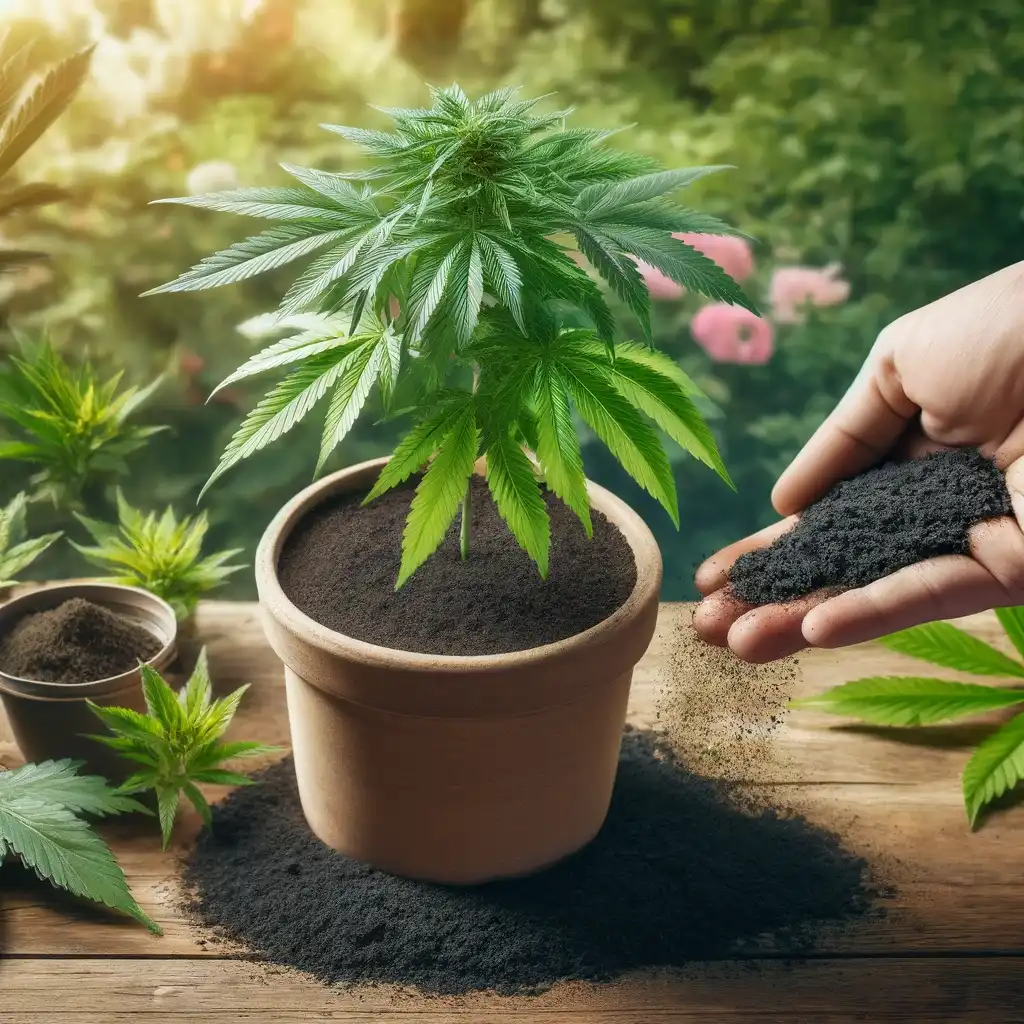
The combination of growing mediums is not the only factor that contributes to a successful medical cannabis crop. Several additional considerations, such as nutrient supplementation, pH management, and microbial support, can further optimize the growth medium.
Nutrient Supplementation
Since many combinations, especially those involving coco coir and perlite, are inert, they require consistent nutrient supplementation. Medical cannabis cultivators should use high-quality nutrient solutions that provide a balanced blend of macronutrients and micronutrients specific to the cannabis plant’s needs. This is particularly important for plants grown for medicinal purposes, as nutrient imbalances can stress plants, leading to lower yields and compromised cannabinoid profiles.
pH Management
The pH of the growth medium and nutrient solution must be monitored and adjusted to provide optimal nutrient uptake. Different mediums can influence pH levels, so regular testing is recommended. Adjusting pH levels can involve using pH buffers or pH-adjusting solutions designed for cannabis plants, especially in hydroponic systems where there is no natural buffering from soil.
Beneficial Microorganisms
In soil-based or organic-based mixes, adding beneficial microorganisms, such as mycorrhizal fungi and beneficial bacteria, can enhance nutrient availability and support plant health. These microbes can improve nutrient cycling, increase resistance to pathogens, and promote robust root systems, all of which contribute to producing high-quality medicinal cannabis. Many cultivators use compost teas, microbial inoculants, or worm castings to introduce and support these beneficial organisms.
Sterility in Hydroponic Systems
In hydroponic or soilless systems, where organic matter and microbes may be limited, maintaining a sterile environment can be crucial. Combining growing mediums that are inert, like coco coir and perlite, with regular sterilization practices can reduce the risk of contamination by pathogens. This is especially important for medical cannabis, as patient safety is paramount.
Restrictions on Growing and Using Cannabis in the Medical Field: A Last Resort Approach

In the medical field, the cultivation and use of cannabis are heavily regulated to ensure that it is utilized solely for therapeutic purposes and strictly as a last-resort treatment. This conservative approach ensures that cannabis is not used indiscriminately but rather reserved for patients who have exhausted conventional medical treatments without sufficient relief. By implementing stringent restrictions on cultivation, application, and the psychoactive component THC, regulatory bodies seek to maintain patient safety and uphold the ethical use of cannabis in medical contexts.
Limitations on Medical Cannabis Cultivation
Growing medical cannabis is often limited to licensed facilities operating under stringent guidelines to prevent misuse or diversion into recreational markets. Cultivators must obtain special licenses, adhere to specific cultivation practices, and undergo frequent inspections to maintain compliance with regulatory standards. Additionally, these facilities are generally required to grow strains with stable cannabinoid profiles, emphasizing medicinal compounds like cannabidiol (CBD), which is known for therapeutic benefits without the intoxicating effects associated with THC. The focus on consistency in cannabinoid content is critical, as it ensures patients receive predictable, controlled doses tailored to medical needs rather than for general consumption.
Regulating Medical Cannabis as a Last-Resort Treatment
Patients who have not responded well to other medicines are usually the ones who are prescribed medical cannabis as a last option. Doctors and medical practitioners must document that traditional treatments have been ineffective or unsuitable before recommending cannabis. This ensures that cannabis is reserved for patients with chronic pain, epilepsy, cancer symptoms, or other severe medical conditions where evidence supports its efficacy. This last-resort approach reduces the likelihood of unnecessary prescriptions and aligns with the goal of mitigating risks associated with cannabis, especially in vulnerable patient populations.
Monitoring and Limiting THC Content in Medical Cannabis
One of the primary concerns in medical cannabis use is the potential psychoactive effect of tetrahydrocannabinol (THC), which can impair cognition and lead to unwanted side effects in patients. To address this, many medical cannabis programs set strict limits on THC content in medicinal products. For example, formulations intended for pediatric or elderly patients often emphasize high CBD levels with minimal THC, reducing the risk of psychoactivity while still providing therapeutic benefits. In some regions, medical cannabis products must meet predefined THC limits, often requiring that THC content remains below 0.3% or 1%, depending on local regulations.
Medical-grade cannabis products also undergo rigorous testing to ensure consistent THC levels and compliance with regulatory standards. Laboratories analyze cannabinoid profiles to verify that each product batch adheres to the prescribed THC limits. This level of monitoring not only supports safe, effective treatments but also helps healthcare providers make informed recommendations based on precise cannabinoid ratios.
Conclusion
In the medical field, the use and cultivation of cannabis are subject to stringent controls, reflecting a focus on patient safety, ethical considerations, and the goal of effective, targeted treatment. Combining growing mediums for medical cannabis cultivation plays a significant role in optimizing plant health, ensuring consistent cannabinoid profiles, and maximizing therapeutic efficacy. By carefully selecting and blending substrates like soil, coco coir, perlite, and vermiculite, cultivators create growing environments that support high-quality yields suitable for medical use. This careful cultivation process is aligned with strict regulations that limit cannabis production to licensed facilities and mandate comprehensive monitoring to prevent misuse.
The use of medical cannabis as a last-resort treatment further exemplifies a conservative approach, ensuring it is only recommended when conventional therapies have proven ineffective. This limitation is crucial to avoid unnecessary exposure to cannabis in patient populations, focusing instead on those who genuinely need its therapeutic properties for conditions like chronic pain, epilepsy, and cancer-related symptoms.
Equally important is the monitoring of THC levels in medical cannabis products. By regulating the psychoactive component, healthcare providers ensure patients can benefit from cannabis without experiencing unwanted intoxicating effects, especially in sensitive groups like children or the elderly. Testing labs are pivotal in maintaining product consistency and compliance with these standards, offering a reliable therapeutic option for patients.
Together, these measures form a comprehensive framework that makes medical cannabis a safe, effective, and responsible option for those with severe medical needs. Through controlled cultivation, strict regulation, and careful monitoring, the medical cannabis industry supports the ethical treatment of patients, providing relief when other options are unavailable and ensuring high standards in all aspects of production and application.
