Table of Contents
Cold War Kush is a potent indica-dominant hybrid cannabis strain with a rich lineage derived from White Widow and AK-47. Its unique chemical composition and physiological effects make it an intriguing subject for scientific and medical research. Below is an in-depth scientific analysis covering its cannabinoid profile, terpene composition, pharmacological effects, cultivation factors, and potential medical applications.
Chemical Composition and Cannabinoid Profile
Cold War Kush, like all cannabis strains, exerts its effects through its chemical constituents, primarily cannabinoids, terpenes, and flavonoids.
Cannabinoid Content
Cannabinoids are the primary bioactive compounds in cannabis. Cold War Kush has a high concentration of tetrahydrocannabinol (THC), the main psychoactive component.
| Cannabinoid | Approximate Content (%) | Effects |
|---|---|---|
| THC | 20–24% | Euphoria, pain relief, sedation, anti-inflammatory |
| CBD | 0.3–1% | Neuroprotective, anti-anxiety, anti-seizure |
| CBG | 0.5–1% | Anti-inflammatory, neuroprotective, potential anti-cancer properties |
| CBC | <1% | Mood regulation, analgesic |
| THCV | Trace amounts | Appetite suppressant, neuroprotective |
The Entourage Effect
The interaction between cannabinoids and terpenes leads to the entourage effect, where compounds work synergistically to enhance medicinal and psychoactive properties. Cold War Kush’s high THC content dominates its effects, but the presence of other cannabinoids like CBD and CBG moderates the high, making it effective for both recreational and medical purposes.
Terpene Profile
Terpenes are fragrant substances that give cannabis its flavor, scent, and medicinal properties.
| Terpene | Percentage | Effects |
|---|---|---|
| Myrcene | 0.5–1.5% | Sedative, muscle relaxant, pain relief |
| Limonene | 0.5–1% | Uplifting, anti-anxiety, antioxidant |
| Caryophyllene | 0.3–0.8% | Anti-inflammatory, analgesic, interacts with CB2 receptors |
| Pinene | 0.1–0.4% | Bronchodilator, improves memory and alertness |
| Linalool | 0.1–0.5% | Anti-anxiety, calming, anti-epileptic |
- Dominant terpene: Myrcene, which contributes to Cold War Kush’s sedative and relaxing effects.
- Secondary terpenes: Limonene and Caryophyllene, known for anti-anxiety and anti-inflammatory properties.
Pharmacological Effects and Mechanisms of Action
Cold War Kush affects multiple systems in the body through cannabinoid receptor activation.
Interaction with the Endocannabinoid System (ECS)
The Endocannabinoid System (ECS) consists of CB1 and CB2 receptors, which modulate pain, mood, memory, and immune function.
- CB1 Receptors (Found in the Brain & CNS)
- Cold War Kush’s high THC content binds strongly to CB1 receptors, inducing euphoria, relaxation, and appetite stimulation.
- Overactivation may cause paranoia, dizziness, or short-term memory impairment.
- CB2 Receptors (Found in the Immune System)
- Caryophyllene, a terpene found in Cold War Kush, interacts with CB2 receptors, reducing inflammation and pain.
- This makes the strain effective for conditions like arthritis, muscle spasms, and chronic pain syndromes.
Medical Applications and Potential Therapeutic Uses
Pain Management

- THC and CBG act as analgesics by interacting with the vanilloid TRPV1 receptors, modulating pain perception.
- Effective for neuropathic pain, arthritis, and post-surgical pain relief.
Anxiety and Stress Reduction
- Limonene and Linalool have anxiolytic (anti-anxiety) properties by modulating serotonin and dopamine levels in the brain.
- Helps reduce symptoms of Generalized Anxiety Disorder (GAD) and PTSD.
Insomnia and Sleep Disorders
- Myrcene’s sedative effects enhance GABAergic signaling, promoting sleep.
- Useful for individuals with chronic insomnia, restless leg syndrome, and circadian rhythm disorders.
Anti-Inflammatory and Autoimmune Conditions
- CBG and Caryophyllene modulate immune response, making Cold War Kush beneficial for:
- Rheumatoid arthritis
- Inflammatory Bowel Disease (IBD)
- Multiple Sclerosis (MS)
Appetite Stimulation
- Cold War Kush’s THC content activates CB1 receptors in the hypothalamus, increasing appetite.
- Useful for chemotherapy-induced nausea, HIV/AIDS-related weight loss, and anorexia.
The method of ingestion significantly influences the onset, duration, bioavailability, and overall effects of Cold War Kush. The strain’s high THC content (20-24%) and terpene-rich profile contribute to its distinct pharmacokinetics, which vary depending on the chosen consumption method.
Methods of Ingestion
The most common ways to consume Cold War Kush include inhalation (smoking/vaping), oral ingestion (edibles, tinctures, capsules), sublingual absorption, and topical application.
Inhalation (Smoking/Vaporization)
- The most efficient and fast-acting method.
- Within minutes, THC reaches its maximal plasma levels.
- Ideal for users seeking immediate pain relief, anxiety reduction, or euphoria.
- Vaporization is safer than combustion, as it prevents toxic byproduct formation.
Edibles (Oral Consumption)
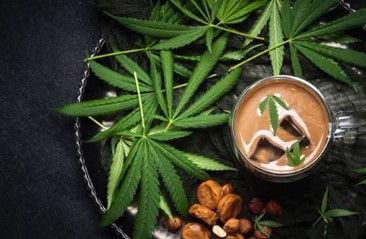
- Cold War Kush can be infused into butter, oil, or beverages.
- Effects take 30-120 minutes to onset but last 6-8 hours due to liver metabolism (conversion of THC to 11-hydroxy-THC).
- More potent and sedative than inhalation due to the stronger psychoactive metabolite.
Sublingual (Tinctures, Sprays)
- Absorbed directly into the bloodstream through the mucosal membranes.
- Onset time: 15-45 minutes.
- Effects last 4-6 hours, providing fast-acting relief without lung irritation.
Topicals (Creams, Balms, Transdermal Patches)
- Does not induce psychoactive effects unless formulated as a transdermal patch.
- Used to treat skin problems, reduce inflammation, and relieve localized pain.
- Transdermal patches allow slow, steady THC release into the bloodstream over 6-12 hours.
Onset, Peak, and Duration of Effects
The onset and duration of Cold War Kush’s effects are dictated by route of administration, individual metabolism, and dosage.
| Method | Onset Time | Peak Effects | Total Duration |
|---|---|---|---|
| Smoking/Vaping | 1-5 minutes | 30-60 minutes | 2-4 hours |
| Edibles | 30-120 minutes | 2-4 hours | 6-8 hours |
| Sublingual (Tinctures, Sprays) | 15-45 minutes | 1-2 hours | 4-6 hours |
| Transdermal Patches | 30-60 minutes | 4-6 hours | 6-12 hours |
Bioavailability and Absorption Rates
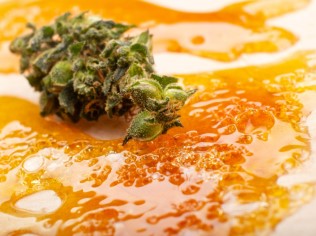
Bioavailability refers to the percentage of THC that enters systemic circulation and is available for effects.
- Smoking/Vaping: 30-50%
- Edibles: 4-20% (first-pass metabolism reduces absorption)
- Sublingual: 20-35%
- Transdermal: 50-80% (steady, controlled release)
Psychoactive vs. Therapeutic Effects
- Fast-acting methods (smoking, vaping, tinctures) are best for acute pain, nausea, anxiety, and mood enhancement.
- Slow-release methods (edibles, transdermal patches) are better suited for chronic conditions, sleep disorders, and sustained symptom relief.
Potential Risks and Side Effects
While Cold War Kush provides therapeutic benefits, overconsumption can lead to adverse effects.
| Side Effect | Cause | Mitigation |
|---|---|---|
| Dry Mouth (Cottonmouth) | THC binding to salivary glands | Stay hydrated |
| Dry Eyes | Reduced tear production | Use artificial tears |
| Paranoia or Anxiety | Overstimulation of CB1 receptors | Lower dosage, increase CBD intake |
| Dizziness | Blood pressure fluctuations | Sit or lie down |
| Cognitive Impairment | Short-term memory disruption | Moderate use, avoid heavy doses |
- Those prone to anxiety should start with low doses, as Cold War Kush’s high THC content may trigger paranoia or racing thoughts.
Cultivation Science
Cold War Kush is a relatively easy strain to grow, with moderate resistance to pests and mold.
Growth Characteristics
| Trait | Description |
|---|---|
| Plant Type | Indica-dominant hybrid |
| Height | Medium (3-5 feet indoors, 6+ feet outdoors) |
| Flowering Time | 7–9 weeks |
| Yield | 400–600g/m² |
| THC Production | High resin production |
Cold War Kush, an indica-dominant hybrid, thrives under specific environmental conditions. To maximize yield, potency, and terpene expression, scientific cultivation techniques such as controlled environment agriculture (CEA), optimized nutrient management, training techniques, and proper harvesting methods should be applied.
Choosing the Right Growing Medium
The choice of medium significantly affects nutrient uptake, root aeration, and water retention.
Soil Cultivation (Organic Growth)
This method is best for maximizing terpene production for enhanced aroma and flavor. A high-quality super soil mix should include compost, worm castings, bat guano, and beneficial microbes such as mycorrhizal fungi to improve root health. The optimal pH range for soil growth is 6.0 – 6.5.
Hydroponics (Accelerated Growth)
For those seeking faster growth and higher THC yields, hydroponics provides precise nutrient control. The most effective systems include Deep Water Culture (DWC), Ebb and Flow (Flood and Drain), and Nutrient Film Technique (NFT). The optimal pH range for hydroponic growth is 5.5 – 6.0 to facilitate better nutrient absorption.
Environmental Control (Indoor vs. Outdoor)
Cold War Kush is adaptable but thrives best under controlled indoor conditions where temperature, humidity, and lighting can be optimized.
Temperature & Humidity Control
Maintaining the right climate is essential for growth and preventing mold. Ideal temperature conditions range from 70-80°F (21-27°C) during vegetative growth and slightly lower temperatures of 65-75°F (18-24°C) in the flowering phase to enhance trichome and resin production.
Humidity levels should start at 65-70% for seedlings and gradually decrease to 30-40% during late flowering to prevent bud rot.
Light Spectrum Optimization
Lighting directly influences THC production and bud density.
Full-spectrum LED lights are recommended for their efficiency and ability to mimic natural sunlight. During the vegetative phase, blue light (450-500nm) promotes strong growth, while red light (620-700nm) during flowering enhances bud development and THC synthesis. Introducing UVB light (280-315nm) in the late flowering stage can further increase resin production.
Training Techniques for Maximizing Yield
Cold War Kush responds well to low-stress training (LST) and Screen of Green (ScrOG) techniques, which help even out the canopy and improve light distribution. Selective pruning and defoliation can increase airflow and direct more energy toward bud production.
Nutrient Science & Feeding Schedule
Cold War Kush has a moderate to high nutrient demand, requiring an adjusted feeding schedule based on its growth phase.
Macronutrient (N-P-K) Requirements
During vegetative growth, nitrogen (N) is essential, but during blooming, phosphorus (P) and potassium (K) become more significant.
Early flowering requires a phosphorus-heavy nutrient mix (2-4-4 NPK ratio) to stimulate bud growth, while the late flowering stage demands higher potassium levels (0-5-5 NPK ratio) to enhance resin and terpene synthesis.
Micronutrient Needs
Cold War Kush benefits from secondary elements like calcium (Ca) to prevent bud rot, magnesium (Mg) for chlorophyll production, and sulfur (S) for terpene synthesis. Adding Epsom salts can supplement magnesium, improving overall plant health.
Organic vs. Synthetic Nutrients
Organic nutrients such as compost tea and fish emulsion improve the plant’s terpene profile, enhancing flavor and aroma. Hydroponic growers often prefer synthetic nutrients due to their precise dosing and rapid absorption.
CO₂ Supplementation for Increased Yield
Elevating CO₂ levels (1000-1500 ppm) in a controlled environment can significantly boost photosynthesis efficiency and bud production.
High CO₂ levels should be used in conjunction with high-intensity lighting for optimal results. Excessive CO₂ exposure (>1800 ppm) can stress the plant, so maintaining the right balance is crucial.
Harvesting & Curing for Maximum Potency
Harvesting Cold War Kush at the right time ensures optimal THC and terpene retention.
Trichome Maturity Monitoring
A jewelers’ loupe (60x magnification) can help determine trichome maturity. Milky white trichomes indicate peak THC potency, while amber-colored trichomes suggest a higher CBD and CBN content, leading to a more sedative effect.
Curing Process for Enhanced Flavor
After harvesting, buds should be slow-dried for 7–14 days in a dark, ventilated space at 60°F (15°C) with 50% humidity. Once dry, buds should be cured in airtight glass jars, burped daily to release moisture, and stored at 60-65% humidity for 4–8 weeks to enhance flavor and smoothness.
Common Cultivation Issues & Solutions
Cold War Kush is resilient, but growers may encounter nutrient deficiencies, pests, and mold.
Nutrient Deficiencies
Yellowing leaves indicate nitrogen deficiency, while purple stems suggest phosphorus deficiency. Leaf curling and yellowing veins point to magnesium deficiency, which can be corrected with Epsom salt foliar sprays.
Pest & Mold Resistance
Cold War Kush exhibits moderate mold resistance, but maintaining low humidity during flowering is essential to prevent bud rot. Common pests like spider mites, aphids, and thrips can be controlled using Neem oil, insecticidal soaps, or predatory insects like ladybugs.
Cold War Kush vs. Other Strains
| Strain | THC % | CBD % | Effects |
|---|---|---|---|
| Cold War Kush | 20-24% | 0.3-1% | Sedative, pain relief, anti-anxiety |
| OG Kush | 18-22% | <1% | Uplifting, relaxing, appetite stimulation |
| Granddaddy Purple | 17-23% | <1% | Heavy sedation, sleep aid |
| Gorilla Glue #4 | 22-26% | <1% | Intense euphoria, relaxation |
Cold War Kush balances euphoria and sedation, making it a superior all-purpose indica hybrid.
Conclusion
Cold War Kush is a scientifically fascinating strain due to its high THC content, complex terpene profile, and diverse medical applications. Its interaction with CB1 and CB2 receptors, coupled with synergistic terpene effects, makes it a valuable strain for pain relief, anxiety reduction, inflammation control, and sleep induction.
Whether used recreationally for relaxation or medically for chronic pain and anxiety, Cold War Kush is notable for being a strong and adaptable cannabis variety.
For a complete directory of cultivars, visit our Cannabis Strain Reviews.
