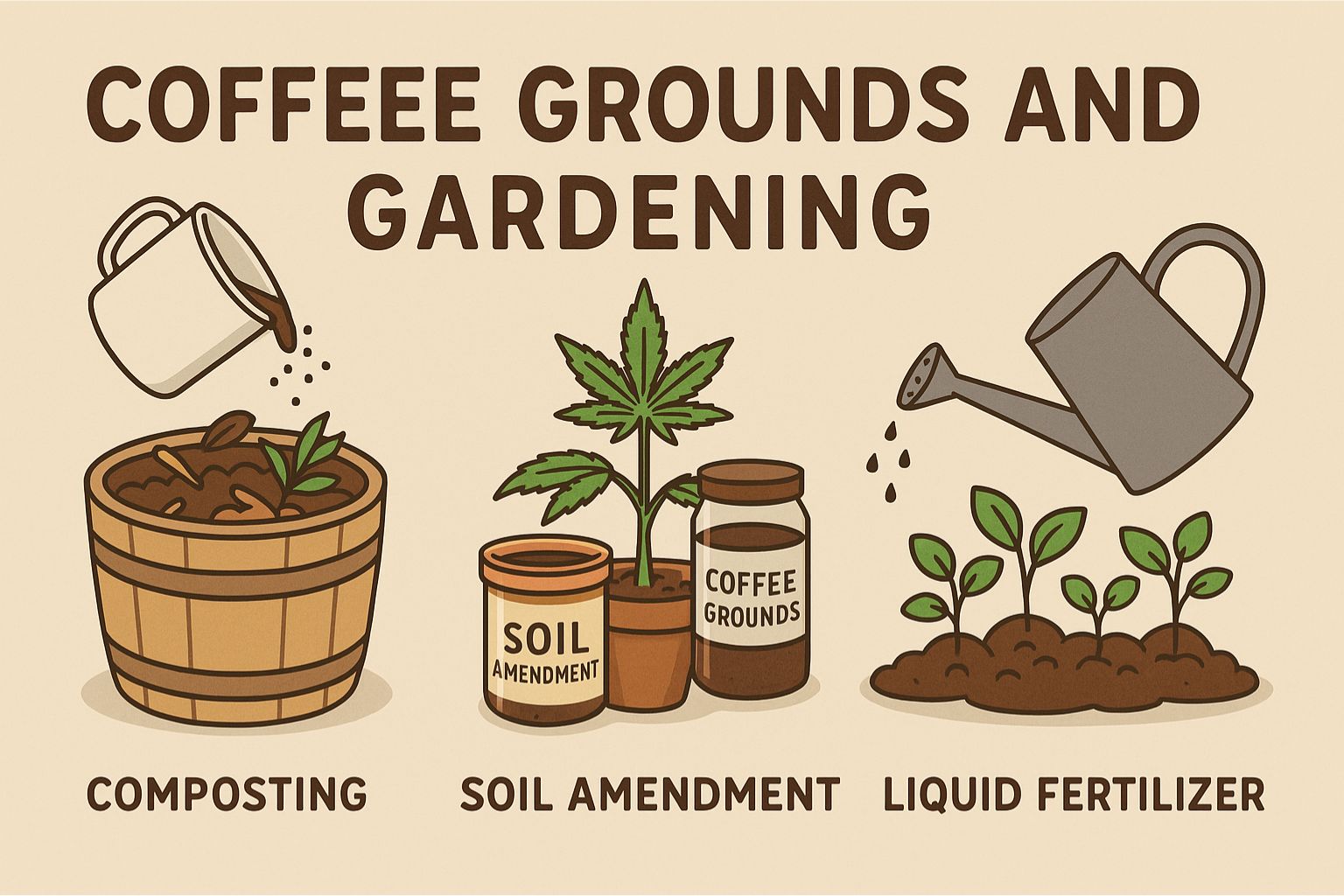
Coffee Grounds in the Garden: How I Really Use Them With Cannabis
I drink a lot of coffee during long days in the grow room, so it was only a matter of time before the used grounds started piling up. Instead of tossing them, I began experimenting with coffee grounds in the garden around my cannabis beds.
Over the last several seasons, I have tested those grounds in outdoor plots, raised beds, and indoor pots. I have burned plants by using coffee grounds fertilizer too aggressively, and I have watched healthy soil explode with life when I added them more carefully.
In this article I will share exactly how I use coffee grounds and gardening with my cannabis, what has gone wrong, and where they genuinely help. My focus is on realistic cannabis nutrient management, not miracle shortcuts.
Why I Started Using Coffee Grounds in the Garden
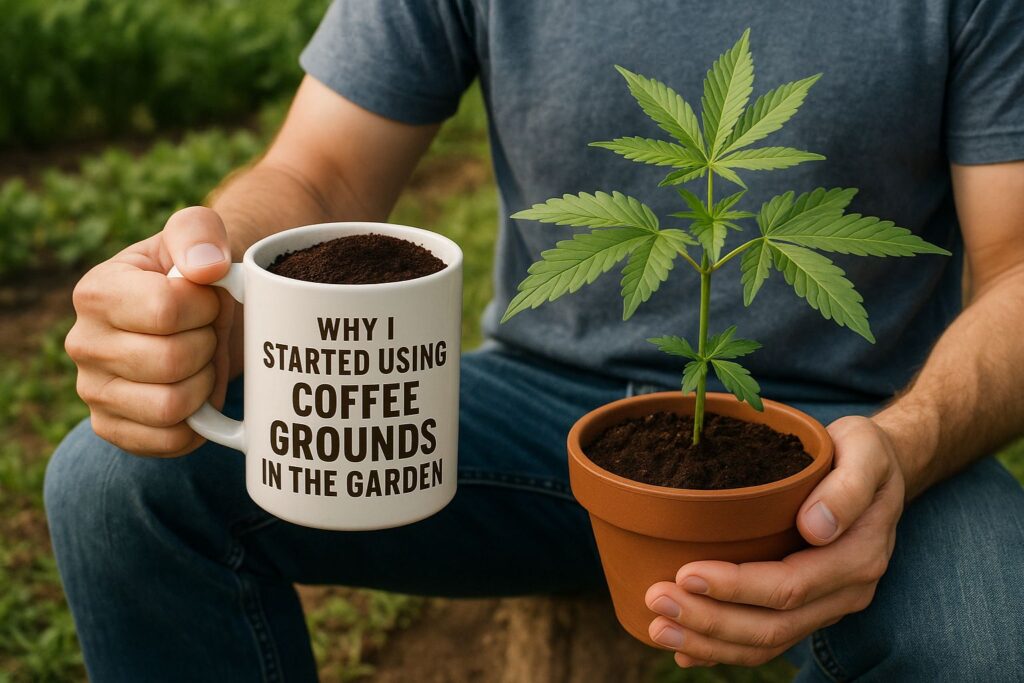
The first time I sprinkled coffee grounds in the garden, it was pure curiosity. I had read claims that coffee grounds fertilizer would turn weak plants into monsters overnight. As a grower, I am skeptical of anything that promises that kind of magic.
At the time I was running a small outdoor patch from feminized cannabis seeds. I had a couple of plants in simple marijuana garden soil and a couple in containers with a richer organic soil mix. I decided to trial the grounds on only one plant from each group so I could see clear differences.
The early results were mixed:
- One container plant darkened up and pushed more leafy growth.
- One plant in the ground stalled and showed signs of nitrogen burn on the leaf tips.
- The plants without coffee grounds in the garden stayed steady and healthy.
That first run taught me two things. Coffee grounds can move the needle, and using them like a bottled nutrient can quickly backfire. Since then I have treated growing cannabis with coffee as a targeted tool inside a bigger system, not as the star of the show.
What Coffee Grounds Bring To Marijuana Garden Soil
Coffee grounds are not a complete fertilizer, but they are rich in organic matter and can contribute to weed plant nutrients over time. When I add them thoughtfully, I see improvements in structure and microbial life in my marijuana garden soil.
Nitrogen And Other Weed Plant Nutrients
Used grounds still contain nitrogen, some potassium, and trace minerals. That is why people call them coffee grounds and gardening fertilizer. In my test beds, plants grew darker foliage when I added too much, especially in cool, wet weather.
I now think of coffee grounds fertilizer as slow-release rather than fast food. When I work moderate amounts into an organic soil mix or compost pile, the microbes break them down and release nutrients gradually. That supports long-term cannabis nutrient management instead of causing sudden spikes.
Texture And Organic Matter
One of the biggest benefits of coffee grounds and gardening is physical, not chemical. When I blend them with compost, perlite, and other amendments, they help:
- Loosen heavy soils.
- Improve water retention in sandy mixes.
- Reduce compaction in containers for indoor cannabis growing.
In my raised beds, this texture improvement matters as much as weed plant nutrients. Roots can push deeper, which lets plants access more water and oxygen.
Microbial Life And Soil Biology
Healthy marijuana garden soil is alive. Worms, fungi, and bacteria all play a role in breaking down organic matter and cycling nutrients. When I bury small amounts of coffee grounds in the garden beds, I notice more worm activity over time.
Coffee grounds provide food for microbes, which is good, but too many can create a soggy mat that goes anaerobic. That is one more reason I prefer composting coffee grounds rather than dumping them straight under my plants.
Coffee Grounds Fertilizer Versus Soil Amendment
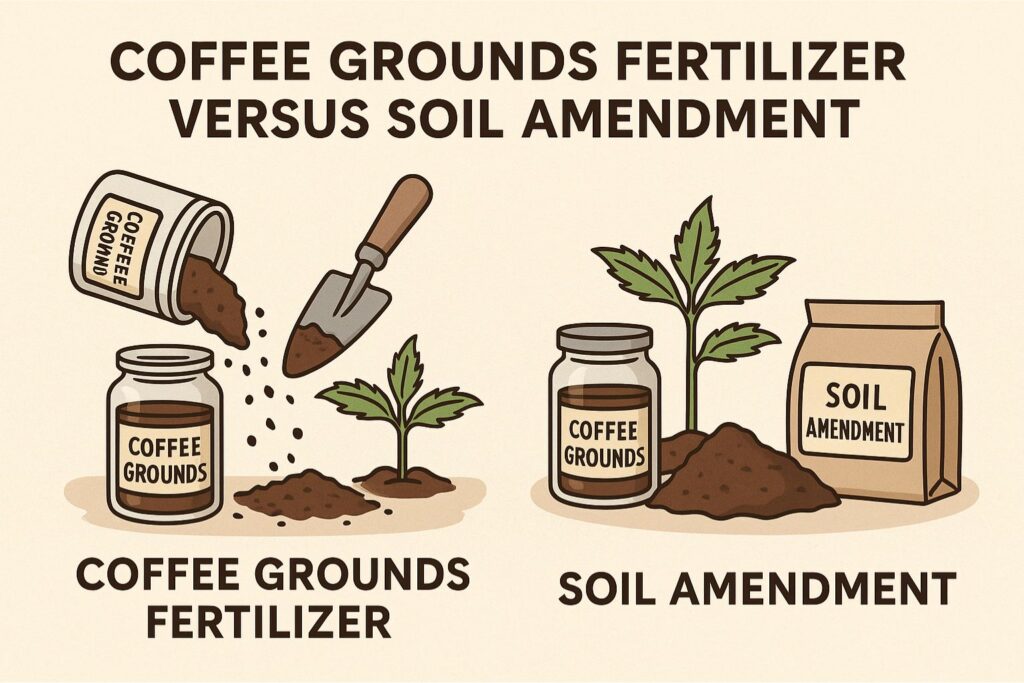
When people talk about coffee grounds fertilizer, they often mean two very different practices:
- Spreading fresh grounds directly around plants.
- Mixing grounds into compost or an organic soil mix first.
Based on my experience, the second approach is safer and more consistent for cannabis nutrient management.
Fresh Grounds: When They Cause Trouble
In one early season, I top-dressed several vegging plants grown from feminized cannabis seeds with a thick ring of fresh grounds. The weather turned cool and wet for a week. Those plants:
- Developed burned leaf tips.
- Showed slowed growth.
- Attracted fungus gnats to the damp surface.
The grounds formed a crust that stayed wet but lacked airflow. That is the opposite of what I want around the base of a weed plant. After that, I cut back to a thin sprinkle and always mix them with other materials.
Aged Grounds As Part Of An Organic Soil Mix
When I am preparing soil for a new run, I prefer to add coffee grounds that have aged for at least a couple of weeks, either in a compost bin or a dedicated container. Mixed at around 10–15 percent of the total volume and blended with compost, aeration, and base soil, they become one more ingredient in a balanced organic soil mix.
In this form, coffee grounds fertilizer is less likely to shock young roots and more likely to support stable, long-term weed plant nutrients. I have used this approach outdoors and for indoor cannabis growing with good results.
Composting Coffee Grounds For Cannabis Beds
Over time, composting coffee grounds and gardening has become my main method. Instead of obsessing over where to sprinkle coffee grounds in the garden, I focus on building rich compost that I can apply broadly.
Simple Compost Recipe With Coffee Grounds
My basic compost formula looks like this:
- One part coffee grounds and other kitchen greens.
- Two to three parts dry browns such as shredded leaves or cardboard.
- Regular mixing and moisture control.
Composting coffee grounds and gardening at this ratio prevents the pile from getting slimy or anaerobic. When the compost is finished, it smells earthy, not like old coffee. I then use it to amend marijuana garden soil, top-dress containers, or refresh beds before new feminized cannabis seeds go in.
Vermicompost And Coffee
If you keep worms, composting coffee grounds through a worm bin is another option. I add small amounts at a time, always mixed with bedding. The worms seem to handle the material well as long as I avoid dumping large compacted clumps.
The resulting vermicompost is one of my favorite tools for cannabis nutrient management. It carries a diverse microbial population and gentle levels of weed plant nutrients that pair nicely with other amendments.
Growing Cannabis With Coffee: Teas And Topdress Mixes

Some growers like brewing teas with their grounds. I have played with this while growing cannabis with coffee, and my verdict is mixed.
When I bubbled a small amount of compost and grounds in water for 24 hours and applied it as a soil drench, I did see a modest green-up in the plants. However, the same happened when I used compost alone. For me, the extra work of making dedicated coffee teas was not worth it.
Instead, I now focus on:
- Topdressing a mixture of compost, aged coffee grounds, and dry amendments.
- Watering with plain, dechlorinated water to drive the nutrients down.
- Monitoring EC and runoff to avoid overfeeding during indoor cannabis growing.
In other words, growing cannabis with coffee is less about fancy brews and more about steady additions to a healthy soil system.
How I Use Coffee Grounds In Indoor Cannabis Growing
Coffee grounds and gardening are one thing; using them inside tents and rooms is another. Indoor cannabis growing gives me more control, but mistakes also show up faster.
Here is how I integrate grounds under lights:
- Build or buy an organic soil mix and fold in a small percentage of pre-composted grounds.
- Start feminized cannabis seeds and autoflower cannabis seeds in lighter seed-starting mixes with no fresh coffee added.
- Transplant into the richer mix once plants have an established root system.
- Topdress only very lightly with a blended compost mix during mid-veg and early flower.
I have noticed that autoflower cannabis seeds can be more sensitive to heavy feeding. They have a short life cycle, so there is less time to correct mistakes. For autos, I keep coffee additions even lower and lean more on balanced dry amendments.
Feminized cannabis seeds, with their longer veg window, let me fine-tune the soil with a bit more coffee-based compost. Even then, I watch leaf color and runoff closely to avoid pushing weed plant nutrients too high.
Coffee Grounds And Overall Cannabis Nutrient Management
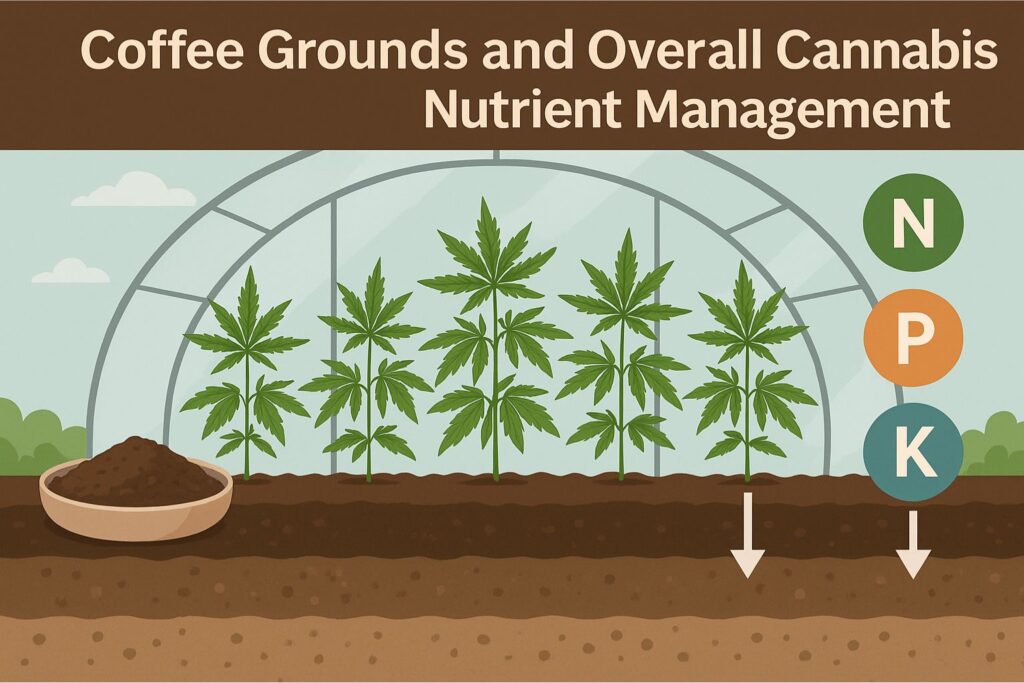
Used correctly, coffee grounds become one small tool in broader cannabis nutrient management. They are never a substitute for understanding your environment, irrigation, and base soil.
When I plan a run, I think about:
- The starting quality of my marijuana garden soil or indoor organic soil mix.
- The expected hunger of the strains I am running from feminized cannabis seeds or autoflower cannabis seeds.
- How much composted material, including coffee, I already have in the system.
- What bottled or dry nutrients I plan to add during peak growth.
If I am already pushing high levels of nitrogen from other sources, I hold back on coffee grounds fertilizer. If I know the soil is on the lean side and my plants are slightly pale, I feel safer adding a bit more compost that includes coffee.
In every case, I adjust based on plant feedback rather than a fixed recipe.
Practical Do’s And Don’ts For Using Coffee Grounds With Cannabis
Over the years, I have settled on a simple checklist that keeps me out of trouble when using coffee grounds in the garden.
Do:
- Use composting coffee grounds as the main approach instead of dumping them fresh.
- Blend grounds into a larger organic soil mix rather than relying on them alone for weed plant nutrients.
- Apply lightly as part of topdress mixes, especially for indoor cannabis growing.
- Pay attention to leaf color and vigor after any change in your feeding routine.
Do not:
- Smother the base of plants with thick layers of fresh coffee grounds fertilizer.
- Assume that more grounds automatically mean better marijuana garden soil.
- Treat growing cannabis with coffee as a cure-all for other problems like poor drainage or pest issues.
- Ignore pH, EC, and basic cannabis nutrient management while chasing coffee-based tricks.
FAQ: Coffee Grounds In The Garden And Cannabis
Can I sprinkle used coffee grounds directly on my cannabis plants?
You can, but I do not recommend heavy use. Fresh coffee grounds in the garden can form a crust, hold too much moisture, and cause nitrogen issues. I prefer composting coffee grounds first and then using them as part of a balanced organic soil mix or topdress.
Are coffee grounds fertilizer enough to feed my weed plants?
No. Coffee grounds fertilizer can contribute nitrogen and trace elements, but it is not a complete nutrient source. For reliable cannabis nutrient management, I combine compost, quality base soil, and targeted amendments. Coffee is just one ingredient that supports overall weed plant nutrients.
Is it safe to use coffee grounds with autoflower cannabis seeds?
Yes, as long as you are gentle. Autoflower cannabis seeds tend to grow fast and can burn easily. I only use small amounts of compost containing coffee in their medium and avoid heavy topdressing. I focus more on even moisture and a stable environment for autos.
Do coffee grounds change the pH of marijuana garden soil?
In my tests, moderate amounts of composted grounds inside a diverse organic soil mix did not cause dramatic pH swings. However, piling on large quantities in a small pot could shift conditions. Regular soil testing is still important, especially for indoor cannabis growing where the root zone is confined.
Can coffee grounds help with pests?
I have not seen coffee grounds act as a reliable pesticide. In fact, wet layers can attract fungus gnats. For pest control, I rely on good hygiene, airflow, and targeted biological controls, and I treat coffee grounds in the garden strictly as an organic matter and nutrient source.
Using coffee grounds in the garden has become a natural part of my routine, right alongside mixing compost, starting feminized cannabis seeds, and transplanting autoflower cannabis seeds into fresh beds. When I respect their limits and fold them into a broader plan for cannabis nutrient management, they help build living soil that supports healthy, resilient marijuana plants.
The key is to treat them as one small lever among many, not as a magic fertilizer. If you approach growing cannabis with coffee that way, your plants – and your soil – are far more likely to thank you over the long haul.
