CO2 Enrichment for Medical Cannabis Cultivation: A Comprehensive Guide
1. Introduction to CO2 Enrichment in Medical Cannabis Cultivation
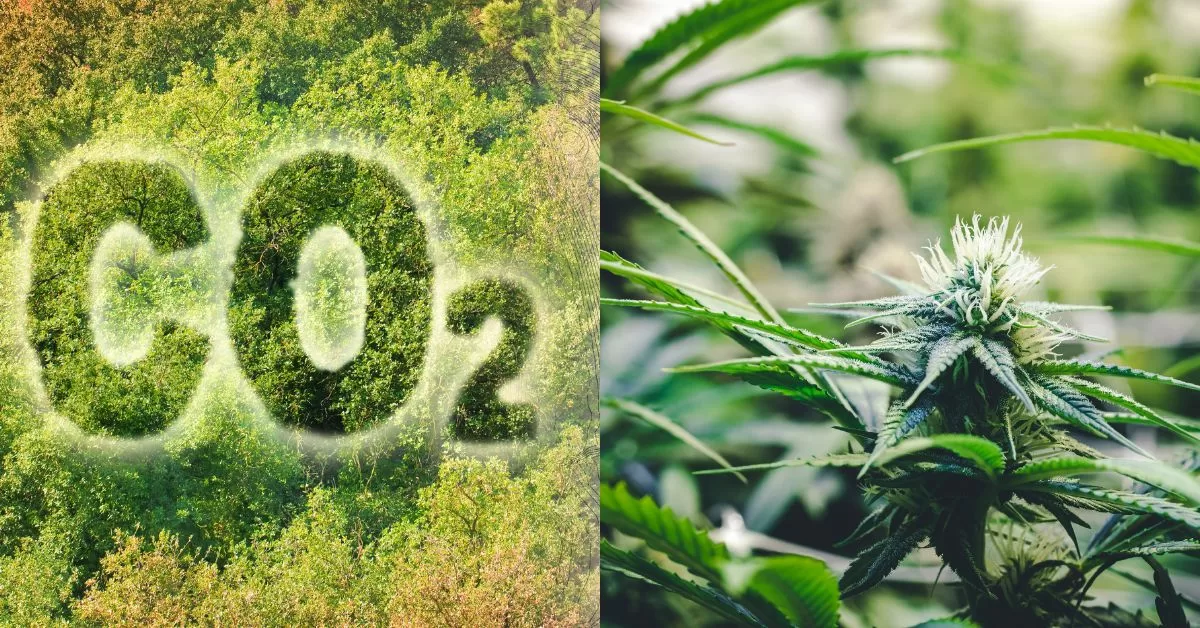
In the pursuit of optimal medical cannabis cultivation, growers constantly seek techniques that enhance plant growth, potency, and yield. CO2 enrichment has emerged as a crucial factor for maximizing the photosynthetic efficiency of cannabis plants. By increasing carbon dioxide levels in the growing environment, cultivators can accelerate plant growth and improve the production of essential cannabinoids and terpenes, which contribute to the therapeutic properties of medical cannabis.
This page will explore the science behind CO2 enrichment, its practical application in medical cannabis cultivation, and how it directly impacts the medical use of cannabis, ensuring higher-quality yields that meet the stringent demands of the medical field.
2. The Role of CO2 in Plant Physiology
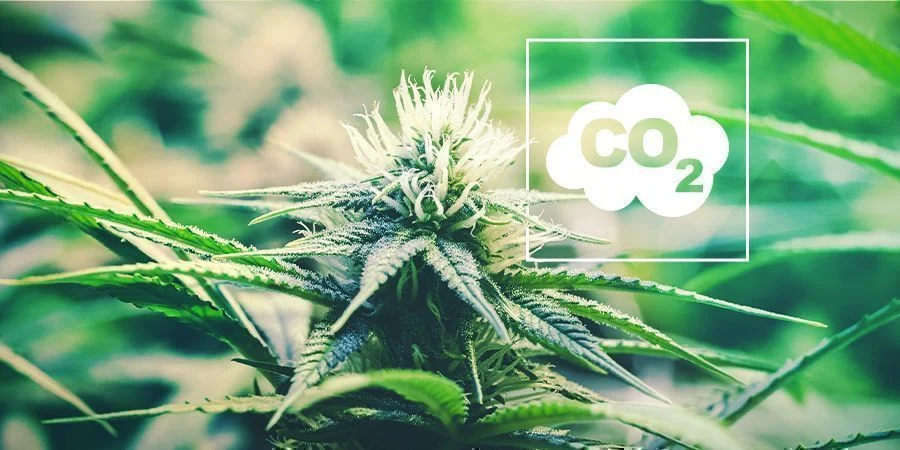
An essential part of photosynthesis, the process by which plants transform light energy into chemical energy, is carbon dioxide (CO2). Plants employ chlorophyll to absorb light and use atmospheric CO2 to make glucose, which powers the plant’s growth, during photosynthesis. Oxygen is released as a byproduct. For medical cannabis plants, which require intensive energy for rapid vegetative and flowering stages, the availability of CO2 is a limiting factor in how effectively photosynthesis occurs.
In natural conditions, atmospheric CO2 levels hover around 400 ppm (parts per million). However, this is often insufficient for maximizing the growth potential of cannabis plants, especially under artificial grow lights in indoor cultivation environments. CO2 enrichment involves increasing the concentration of CO2 in the grow environment to stimulate higher rates of photosynthesis, leading to faster growth and larger yields.
3. Benefits of CO2 Enrichment for Medical Cannabis
CO2 enrichment offers several advantages that directly contribute to the quality and yield of medical cannabis. These benefits are crucial for ensuring that the plants produce high concentrations of cannabinoids like CBD (cannabidiol) and THC (tetrahydrocannabinol) that are essential for medical treatments.
Enhanced Photosynthesis and Growth:
With more CO2 available, medical cannabis plants can perform photosynthesis at a faster rate, accelerating both vegetative and flowering stages. This results in more vigorous growth, stronger stems, and denser bud formation, all of which are desirable traits in medical cannabis production.
Increased Cannabinoid and Terpene Content:
Cannabinoids such as CBD and THC, along with terpenes that contribute to the plant’s therapeutic effects, are synthesized during the flowering phase. CO2 enrichment has been shown to boost these levels by improving the overall health of the plant, ensuring more potent medical effects. These substances have a vital role in the treatment of numerous illnesses, such as epilepsy, chronic pain, anxiety, and more.
Higher Yield:
For medical cannabis cultivators, maximizing yield is essential to meet the high demand for therapeutic cannabis products. CO2 enrichment has been proven to significantly increase yield by enabling plants to grow larger and produce more flowers. This directly impacts the availability of high-quality medical cannabis, making treatments more accessible to patients.
Stress Resistance:
Medical cannabis plants exposed to higher CO2 levels demonstrate increased resistance to environmental stressors, including heat and drought. This is particularly crucial in regulated indoor settings where changes in humidity and temperature can be detrimental to the health of plants.
4. Optimal CO2 Levels for Medical Cannabis Growth
While CO2 enrichment can enhance medical cannabis growth, it’s essential to maintain CO2 levels within the optimal range to avoid diminishing returns or potential plant damage. For medical cannabis cultivation, the following guidelines are generally recommended:
- Vegetative Stage: 700–1,200 ppm
- Flowering Stage: 1,000–1,500 ppm
- CO2 Saturation Point: Around 1,500–1,600 ppm (Beyond this level, the benefits of increased CO2 diminish, and plants may not utilize the additional CO2 efficiently.)
It’s important to note that CO2 enrichment should only be implemented when sufficient light is available. Medical cannabis plants need high-intensity light to utilize the extra CO2 effectively, typically provided by HID (High-Intensity Discharge) or LED grow lights in indoor settings.
5. Methods of CO2 Enrichment
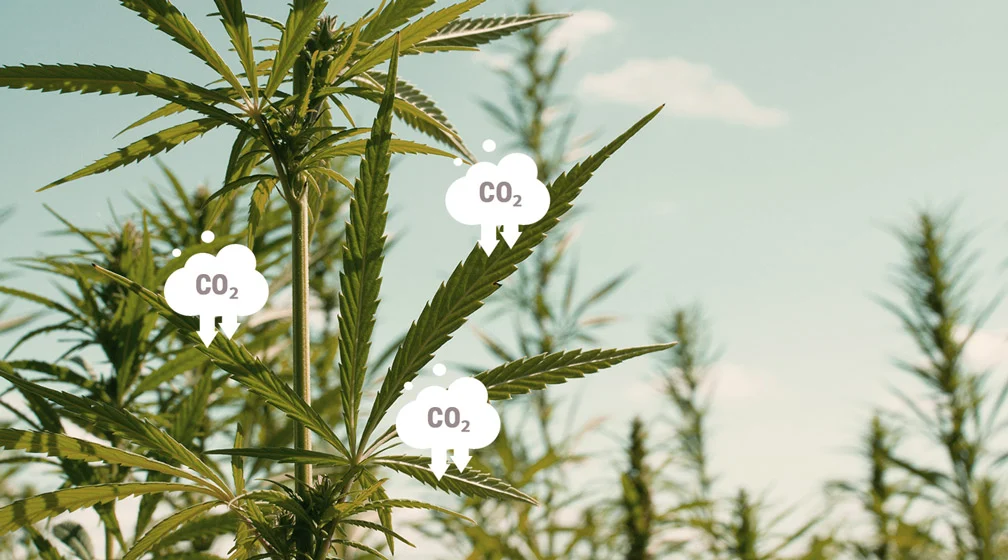
There are several methods available to introduce CO2 into the growing environment. The choice of method depends on the size of the grow space, budget, and the level of control desired over environmental conditions. Common methods include:
CO2 Tanks with Regulators:
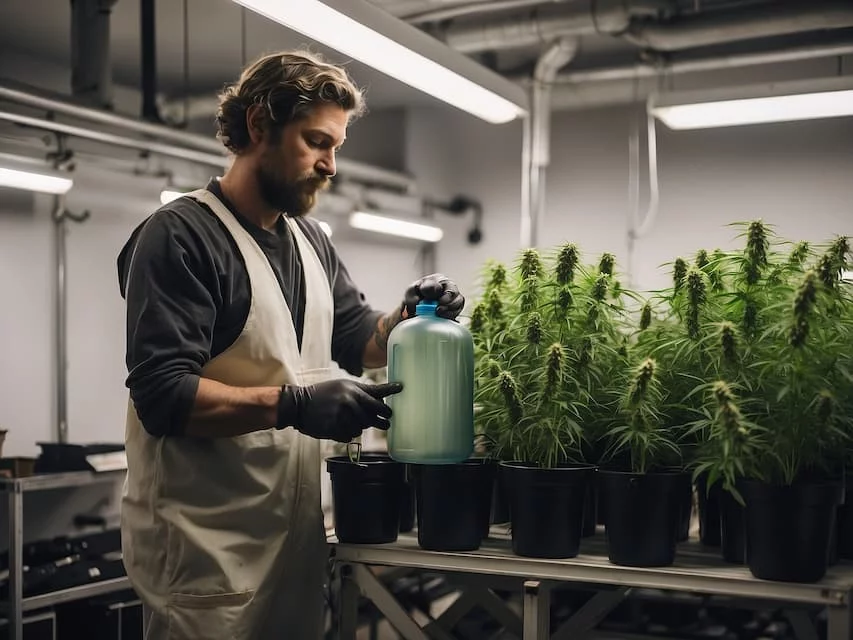
Compressed CO2 tanks are a popular choice for small to medium-sized medical cannabis grows. Growers are able to manage the amount of CO2 released into the environment by means of a regulator that is connected to the tank. This technique can be automated with timers and sensors and offers exact control over CO2 levels.
CO2 Generators:
For larger medical cannabis grow operations, CO2 generators offer a more efficient way to produce CO2. These units release CO2 when they burn natural gas or propane. While they are effective, they also produce heat, so temperature regulation is crucial to prevent overheating the grow space.
Natural CO2 Sources (Fermentation or Mycelium):
Some growers use natural processes like fermentation or CO2-producing fungi (mycelium) to introduce CO2 into the grow space. These methods are less precise but can be cost-effective for smaller medical cannabis grows. They are more commonly used in organic growing setups.
6. CO2 Enrichment Systems: Setup and Maintenance
A CO2 enrichment system requires careful planning to ensure that it is set up correctly and maintained regularly for optimal performance. Here are the key components of a CO2 enrichment system for medical cannabis:
CO2 Source:
This could be a CO2 tank, generator, or natural source, depending on the method chosen. The source must be reliable and sufficient for the size of the grow space.
Distribution System:
CO2 needs to be evenly distributed throughout the grow space to ensure that all plants receive adequate levels. This is often achieved using tubing with small holes placed above the canopy, ensuring the CO2 falls onto the plants.
CO2 Monitor and Controller:
To avoid under- or over-enrichment, a CO2 monitor is essential. These devices measure the CO2 concentration in the air and trigger the release of more CO2 when levels drop below the set range. Some systems can be fully automated with controllers that adjust CO2 levels based on the time of day, light intensity, and plant growth stage.
Ventilation and Air Circulation:
Adequate ventilation is critical to maintain a balanced environment. Grow rooms should be sealed to prevent CO2 from escaping but still allow fresh air to circulate. Exhaust fans and air filters may be necessary to keep the environment healthy and free from contaminants.
Temperature and Humidity Control:
As CO2 enrichment can raise temperatures, especially with CO2 generators, maintaining proper temperature and humidity is essential. Medical cannabis grows should aim for a temperature range of 75–85°F (24–29°C) during the day and slightly cooler at night. Maintaining humidity levels between 40 and 60 percent will help stop the growth of mold or mildew.
7. Environmental Control with CO2 Enrichment
Balancing the environment is key to successful CO2 enrichment in medical cannabis cultivation. The addition of CO2 affects not only photosynthesis but also temperature, humidity, and nutrient uptake. Growers must monitor and adjust these factors regularly to ensure the plants are thriving.
- Temperature: Higher CO2 levels allow plants to tolerate slightly higher temperatures. However, if the temperature exceeds 90°F (32°C), plant growth can be negatively impacted, and cannabinoid production may decrease. Monitoring and maintaining the right temperature is essential to achieve the desired medical properties in the cannabis.
- Humidity: Proper humidity control is vital, especially in a CO2-enriched environment. Too much humidity can encourage mold growth on cannabis flowers, a critical concern for medical cannabis where purity and cleanliness are paramount. Installing dehumidifiers or increasing airflow can help maintain the appropriate humidity levels.
- Light Intensity: High-intensity lights and CO2 enrichment work best together. Medical cannabis plants exposed to higher CO2 levels require more light to fuel the accelerated photosynthesis process. As such, growers should ensure that their lighting system provides enough intensity for optimal plant growth.
8. CO2 Enrichment and Medical Cannabis Yield Improvement
The primary goal of CO2 enrichment in medical cannabis cultivation is to improve yield while maintaining or enhancing the medicinal quality of the plant. Research and practical applications have shown that medical cannabis plants can produce up to 20–30% more biomass when grown under CO2-enriched conditions. This includes increased flower size, density, and potency, all of which are essential for medical cannabis products.
For medical cannabis growers, maximizing yield ensures that more patients can benefit from the therapeutic compounds found in cannabis. In particular, higher yields allow for the production of more CBD and THC-rich oils, tinctures, capsules, and other medical products that are used to treat conditions such as epilepsy, chronic pain, and anxiety.
9. Health and Safety Considerations in CO2 Usage
While CO2 enrichment can significantly improve the growth of medical cannabis, it is important to manage the use of CO2 safely to prevent harm to both plants and humans. Elevated CO2 levels can be dangerous if not properly monitored. Here are some key safety considerations:
- Monitor CO2 Levels: Always use a reliable CO2 monitor to ensure that levels remain within the safe range. Prolonged exposure to CO2 levels above 2,000 ppm can be hazardous to human health, causing dizziness, headaches, and even unconsciousness.
- Ventilation: Make sure there is enough ventilation in the grow chamber to avoid too much CO2 building up. A sealed grow room with no ventilation can trap CO2 and lead to unsafe conditions.
- Temperature Control: As CO2 generators produce heat, growers must ensure that the room temperature does not exceed safe limits for both the plants and the workers tending to them.
10. Case Studies: Successful CO2 Enrichment in Medical Cannabis
Numerous medical cannabis cultivators have reported significant improvements in yield and cannabinoid content through CO2 enrichment. In these case studies, growers who implemented CO2 enrichment in their grow rooms saw an increase in plant size, faster flowering times, and more potent medical cannabis.
In one case, a medical cannabis grower in California reported a 25% increase in yield after introducing CO2 enrichment, along with improved cannabinoid profiles that resulted in more effective treatment outcomes for patients using CBD oils for pain management.
Another example is a grow operation in Colorado, where CO2 enrichment was used to cultivate high-CBD strains for patients with epilepsy. The result was not only a larger harvest but also higher concentrations of CBD, allowing for the production of more potent, therapeutic oils.
Restrictions on Growing and Using Cannabis in the Medical Field as a Last Resort
In the medical field, the cultivation and use of cannabis are subject to strict regulations, especially when used as a last resort for patients. These restrictions are often put in place to ensure patient safety, efficacy of treatment, and ethical considerations in medical care.
- Growing Restrictions:
Medical cannabis cultivation is tightly controlled, requiring licenses and compliance with local and national regulations. Growers must adhere to guidelines on strain selection, cannabinoid content, and growing practices to ensure that cannabis used for medical purposes meets high-quality standards. To avoid abuse and guarantee the security of patients who use cannabis as a therapy component, the production process is strictly watched. - Last Resort Use:
In many countries and regions, cannabis is only prescribed when conventional treatments have failed or are not suitable for the patient. This “last resort” designation often means that cannabis is only considered after other approved pharmaceuticals or therapies have been tried. Physicians must document the reasons for prescribing cannabis, including the failure of other treatments, to justify its use. - Monitoring THC Levels:
The euphoric ingredient in cannabis, tetrahydrocannabinol, or THC, is one of the main issues with medical marijuana. To minimize psychoactive effects, especially in sensitive populations like the elderly or children, THC levels in medications are strictly regulated. Medical cannabis products are often formulated with high CBD (cannabidiol) content and low THC to reduce the risk of unwanted psychoactive effects. Regular testing and monitoring of THC levels ensure that products remain within the allowed limits. - Preventing Psychoactive Effects:
Medical professionals aim to prevent the psychoactive effects of THC by prescribing formulations with minimal THC and higher levels of non-psychoactive cannabinoids like CBD. Patients are closely monitored for any signs of psychoactive effects, and dosages are adjusted accordingly to maintain therapeutic benefits without causing unwanted side effects like euphoria or disorientation.
Conclusion
The use of cannabis in the medical field has evolved significantly, driven by its potential to offer therapeutic relief for various conditions that are resistant to conventional treatments. As scientific understanding of cannabis’ medical benefits has expanded, so too has the need for careful regulation, responsible cultivation, and appropriate clinical application. This conclusion encapsulates the key topics discussed, emphasizing CO2 enrichment in medical cannabis cultivation, restrictions on growing and using cannabis as a last resort, and monitoring THC levels to prevent psychoactive effects.
CO2 Enrichment and Medical Cannabis Cultivation
CO2 enrichment is a crucial tool for optimizing medical cannabis cultivation, particularly in indoor growing environments where carbon dioxide levels may be insufficient for maximum photosynthetic efficiency. By enhancing the availability of CO2, growers can significantly improve the growth rate, yield, and cannabinoid concentration of medical cannabis plants. This is particularly important for the production of cannabinoids such as CBD and THC, which are vital for treating medical conditions such as chronic pain, epilepsy, and anxiety. However, maintaining the right balance of environmental factors—light intensity, temperature, humidity, and CO2 levels—is essential for ensuring optimal plant health and avoiding negative outcomes, such as nutrient imbalances or heat stress.
CO2 enrichment, when managed correctly, enables medical cannabis growers to increase both the quality and quantity of their harvests, ensuring that patients have access to high-potency cannabis products that meet the rigorous standards required for medical use. This process also supports the scalability of medical cannabis production, allowing cultivators to meet the growing demand for cannabis-based treatments.
Restrictions on Growing and Using Cannabis as a Last Resort
In many regions, the cultivation and use of cannabis for medical purposes are strictly regulated. These regulations ensure that medical cannabis is produced and prescribed responsibly, prioritizing patient safety and the efficacy of treatments. Cannabis is frequently given as a “last resort,” meaning it is only used when all other forms of conventional therapy have been exhausted or are deemed inappropriate for the patient. This restriction is put in place to ensure that cannabis is used judiciously, particularly given its complex pharmacological profile and the potential for psychoactive effects associated with THC.
Medical professionals are required to document the rationale for prescribing cannabis, highlighting the failure of prior treatments and justifying its use for specific medical conditions. This framework helps prevent the misuse of cannabis in the medical field, ensuring that it is only used when other treatment options are exhausted. Additionally, this restriction underscores the need for further research and clinical trials to better understand the conditions under which cannabis is most effective.
Monitoring THC Levels to Prevent Psychoactive Effects
One of the primary concerns with medical cannabis use is the presence of THC, the compound responsible for the psychoactive effects of cannabis. While THC has therapeutic benefits for some conditions, such as pain relief and appetite stimulation, its psychoactive effects can be undesirable, especially for patients who are vulnerable to cognitive impairment, such as the elderly or those with mental health disorders. To mitigate this risk, medical cannabis formulations often contain higher levels of CBD, a non-psychoactive cannabinoid, and lower levels of THC.
Strict monitoring of THC levels in medical cannabis products is critical to ensuring that patients receive the therapeutic benefits of cannabis without experiencing unwanted psychoactive effects. In many regions, regulatory bodies impose limits on THC content in medical cannabis, and these products are subject to regular testing to confirm compliance. This is particularly important for ensuring the safety of patients who rely on cannabis as part of their treatment regimen, as it helps to maintain the therapeutic value of the medication while minimizing potential harm.
Final Thoughts
The integration of CO2 enrichment in medical cannabis cultivation, along with the stringent regulations governing its use and the monitoring of THC levels, reflects the careful balance that must be struck between maximizing the therapeutic benefits of cannabis and ensuring patient safety. As the medical cannabis industry continues to grow, it is imperative that cultivation techniques and clinical practices evolve in tandem with advancements in scientific research and regulatory frameworks. By adhering to these guidelines, the medical cannabis field can continue to provide patients with effective, high-quality treatments that address their unique medical needs while minimizing the risks associated with cannabis use.
