Table of Contents
Cluster Bomb is a well-balanced hybrid strain developed by British seed bank Bomb Seeds. This strain is notable for its high-yielding nature, potency, and wide spectrum of effects, making it a favorite among cannabis users for both medical and recreational purposes.
Genetics
- Sensi Skunk #1 – An iconic hybrid known for its skunky, citrus aroma and balanced mental-physical effects.
- Cinderella 99 (C99) – A sativa-dominant strain recognized for its cerebral stimulation and pineapple-like flavor.
- Bomb #1 – An in-house hybrid used for its stability, high yield, and potency.
This lineage gives Cluster Bomb a 60/40 indica-to-sativa ratio, offering a versatile blend of effects that can vary subtly depending on phenotype and growing conditions.
Appearance, Aroma, and Flavor
Appearance
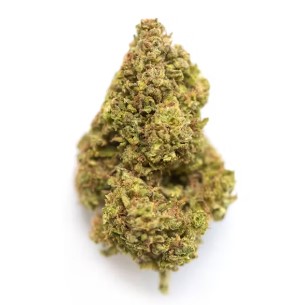
- Dense, medium-sized buds with dark green hues and streaks of fiery orange pistils
- Coated with thick trichome layers, indicating a high resin content
- Buds often exhibit a tight, popcorn-like structure, typical of indica-dominant hybrids
Aroma
- Pungent skunk base from Sensi Skunk
- Bright citrus and tropical fruit notes from Cinderella 99
- Earthy and sweet undertones
- A slight fuel-like or chemical sharpness may emerge during curing
Flavor
- Sweet and sour citrus on inhale
- Earthy, almost woody on exhale
- Lingering fruity aftertaste with subtle spicy and herbal notes
Cannabinoid Profile
Cluster Bomb is typically high in THC, ranging from 15% to 20%, with some phenotypes exceeding 22% under optimal cultivation. It generally contains low CBD (<1%), making it more suited for users seeking euphoric and psychoactive effects rather than anti-seizure or strong anxiolytic properties alone.
| Cannabinoid | Typical Range |
|---|---|
| THC | 15–22% |
| CBD | <1% |
| CBG | 0.3–1% |
| CBC | Trace amounts |
| THCV | 0.2–0.6% |
Terpene Profile
The unique effects and aromas of Cluster Bomb are partly due to its diverse terpene composition. Dominant terpenes include:
| Terpene | Concentration | Effects / Notes |
|---|---|---|
| Myrcene | High | Sedation, anti-inflammatory, musky |
| Limonene | Moderate to High | Mood elevation, stress relief, citrus aroma |
| Caryophyllene | Moderate | Pain relief, anti-inflammatory, spicy |
| Linalool | Low to Moderate | Anxiolytic, floral aroma |
| Humulene | Low | Appetite suppression, earthy notes |
These terpenes synergize with cannabinoids through the entourage effect, enhancing the strain’s therapeutic potential and modulating its high.
Recreational Effects
Cluster Bomb offers a balanced, multifaceted high, which has made it popular in both daytime and evening use, depending on dose.
Onset and Duration
- Onset: 5–10 minutes (smoking), 30–60 minutes (edibles)
- Peak: 1–2 hours
- Duration: 2–4 hours depending on consumption method
Initial Effects
- Euphoric, uplifting cerebral high
- Boost in creative and social energy
- Sharpened sensory perception
Mid-High Effects
- Enhanced focus and motivation (mild nootropic qualities)
- Gradual physical relaxation
- Appetite stimulation
Late-Stage Effects
- Couch-lock potential at higher doses
- Sedative body melt if consumed in large quantities
Recreational Use Cases
- Creative activities (music, writing, art)
- Social events or group settings
- Gaming or movies
- Outdoor activities in moderate doses
At lower doses, Cluster Bomb supports functional productivity, while higher doses encourage relaxation and introspection.
Medical Applications
Cluster Bomb is a moderate-to-high THC strain (~15–22%) with a balanced hybrid profile (60% indica / 40% sativa). It contains low CBD (<1%), but its terpene complexity and presence of minor cannabinoids give it therapeutic versatility. Most of its medical effects result from endocannabinoid system modulation, especially via CB1 and CB2 receptors, dopaminergic and serotonergic modulation, and peripheral anti-inflammatory activity.

Neurological and Psychiatric Conditions
A. Depression
- THC, in moderate doses, increases dopamine release in the nucleus accumbens and temporarily enhances mood.
- Limonene and linalool in Cluster Bomb, both present in Cluster Bomb, modulate serotonin receptors (5-HT1A) and GABAergic tone, potentially aiding in mood stabilization.
- Scientific Insight: Preclinical trials suggest limonene’s antidepressant-like effects via serotonergic mechanisms rival those of selective in certain animal models, serotonin reuptake inhibitors (SSRIs).
Patient Applications:
- Situational or mild depression
- Anhedonia and low energy
- Comorbid anxiety/depression syndromes
B. Anxiety and PTSD
- At low to moderate doses, THC can reduce amygdala hyperactivity, a common feature in PTSD and generalized anxiety disorder.
- Linalool, myrcene, and caryophyllene offer anxiolytic properties:
- Linalool mimics benzodiazepine-like effects by increasing GABA availability.
- Caryophyllene acts as a CB2 agonist, reducing systemic inflammation and cortisol levels, key factors in chronic stress disorders.
Key Consideration: Doses above ~10–15 mg THC may exacerbate anxiety in sensitive individuals, so titrated dosing is critical.
C. ADHD and Cognitive Focus
- Cluster Bomb’s Cinderella 99 lineage provides mildly stimulant-like effects, improving:
- Executive function
- Working memory
- Mental clarity
This is potentially due to Cluster Bomb’s THC’s enhancement of dopamine release in the prefrontal cortex, which is often hypoactive in ADHD. Additionally, low-dose THCV found in this strain may aid attention regulation without excessive euphoria or sedation.
Use Case:
- Focus support in adults with mild to moderate ADHD
- Non-narcotic alternative to stimulants
D. Insomnia (Stress-Related or Transient)
- In higher doses, Cluster Bomb induces muscle relaxation and sedation through:
- Myrcene: Central nervous system depressant effects
- High THC: Reduced REM activity, shortened sleep latency
Scientific Insight: Myrcene has been shown to enhance GABA receptor affinity and prolong non-REM sleep in rodent models.
Recommendation: Cluster Bomb is effective for sleep onset issues, but not ideal for REM-related disorders like nightmares unless THC is tightly dosed.
Pain and Inflammatory Disorders
A. Chronic Neuropathic Pain
- THC modulates descending pain pathways and inhibits glutamate and substance P in spinal nociceptive neurons.
- Caryophyllene‘s activation of CB2 receptors decreases microglial activation and inflammatory cytokine release.
- Myrcene and linalool contribute to peripheral analgesia and muscle relaxation.
Target Conditions:
- Neuropathic pain (sciatica, fibromyalgia)
- Post-surgical or nerve damage-related discomfort
- Migraine aura-associated pain
B. Inflammatory Pain (Arthritis, IBS, Autoimmune)
- CB2 agonism (Caryophyllene): Reduces interleukin-6 (IL-6) and TNF-alpha, key markers of systemic inflammation
- Limonene: Exhibits anti-inflammatory activity via inhibition of NF-kB signaling
- Myrcene: Decreases pro-inflammatory prostaglandins (e.g., PGE2)
Scientific Insight: Animal studies show that β-caryophyllene in Cluster Bomb may reduce joint swelling and pain sensitivity in rheumatoid arthritis models without NSAID-associated GI toxicity.
C. Migraines and Tension Headaches
- Mechanism: THC inhibits calcitonin gene-related peptide (CGRP) release, which is implicated in migraine onset.
- Linalool and myrcene relax vascular smooth muscle and modulate central pain centers.
Best Practice: Inhalation methods of Cluster Bomb are preferred for rapid relief, ideally at aura onset. Lower doses reduce risk of rebound headaches.
Gastrointestinal and Appetite Disorders
A. Nausea and Vomiting
- THC binds CB1 receptors in the dorsal vagal complex, reducing nausea signaling.
- Effective for:
- Chemotherapy-induced nausea
- Functional dyspepsia
- Post-operative nausea
Note: Cluster Bomb’s strong limonene and myrcene profile enhances anti-nausea activity and may reduce emetic triggers.
B. Appetite Stimulation (Cachexia, Anorexia)
- THC induces ghrelin release, increasing hunger perception
- Myrcene may enhance this effect via hypothalamic modulation
- Clinical relevance: Useful in AIDS-related wasting, cancer cachexia, and age-related appetite decline
Muscle and Movement Disorders
A. Spasticity and Muscle Cramping
- THC and myrcene cause central muscle relaxation by acting on GABAergic interneurons.
- Useful for:
- Multiple sclerosis
- Parkinson’s rigidity
- Menstrual cramping
- Caryophyllene and linalool reduce peripheral inflammation and nerve irritability
Scientific Note: Some cannabinoid therapies have shown similar efficacy to baclofen and tizanidine in managing spasticity, with fewer sedative side effects.
Immunomodulatory and Anti-Cancer Potential (Experimental)
A. Cancer-Related Symptom Management
- Pain, nausea, and appetite effects are well-established
- Early lab data suggest THC may induce apoptosis in glioma, breast, and prostate cancer cells through:
- Ceramide pathway activation
- Mitochondrial disruption
Cluster Bomb’s broad-spectrum terpene profile may enhance these anti-proliferative properties, though clinical trials are limited.
Safety and Dosing Considerations
Dose-Response Relationship
- Low dose (1–5 mg THC): Uplifted mood, functional relief of light anxiety or pain
- Moderate dose (5–15 mg THC): Euphoric, physical relaxation, moderate symptom suppression
- High dose (15–30 mg THC): Sedation, appetite boost, risk of cognitive impairment
Adverse Effects (typically transient)
- Dry mouth
- Tachycardia
- Anxiety (especially in high-THC-sensitive individuals)
- Impaired short-term memory
Summary: Medical Use Matrix
| Condition | Effectiveness | Mechanism |
|---|---|---|
| Depression | High (low–mod dose) | Dopamine and serotonin enhancement (limonene, THC) |
| Anxiety/PTSD | Moderate (low dose) | GABA and 5-HT1A modulation (linalool, caryophyllene) |
| Insomnia | High (mod–high dose) | Myrcene and THC-induced sedation |
| Neuropathic Pain | High | CB1-mediated nociceptive inhibition |
| Arthritis/Inflammation | High | CB2 activation, cytokine inhibition |
| Nausea/Vomiting | High | Dorsal vagal complex modulation by THC |
| Appetite Loss | High | Ghrelin stimulation and limbic system activation |
| ADHD | Moderate (low dose) | Dopaminergic enhancement, mild THCV |
| Spasticity | Moderate | GABAergic tone and myorelaxant properties |
| Migraines | High (inhaled) | CGRP modulation, vascular relaxation |
Scientific Mechanisms of Action
Cluster Bomb exerts its therapeutic effects through a combination of cannabinoid receptor activity, neurotransmitter modulation, and entourage effects involving terpenes.
Cannabinoid Mechanisms
- THC attaches to CB1 receptors in the brain:
- Modulates pain perception, mood, appetite, and memory
- CBD (though minimal) and CBG may enhance anti-inflammatory and neuroprotective activity
- Caryophyllene directly activates CB2 receptors, targeting immune and inflammatory responses
Terpene Modulation
- Limonene: Enhances serotonin and dopamine levels in brain areas associated with anxiety and mood
- Myrcene: Increases cell membrane permeability, enhancing THC’s potency
- Linalool: Modulates glutamate and GABA, leading to anxiolytic and sedative effects
Synergy and the Entourage Effect
Scientific research suggests that the combined action of THC, minor cannabinoids, and terpenes in Cluster Bomb creates a more holistic therapeutic experience than THC alone. This makes Cluster Bomb effective across a wider therapeutic range than THC isolates.
Cultivation Insights
1. Genetic and Physiological Background
Genotype:
- Cluster Bomb’s genotype is a hybrid of indica and sativa, leaning slightly indica-dominant (60/40). This hybrid vigor contributes to its robust growth, resistance to stress, and adaptability across different environments.
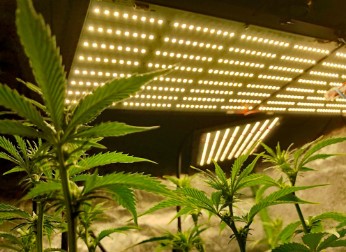
Phenotypic Traits:
- Height: Medium (100–150 cm indoor)
- Leaf morphology: Broad leaves with medium internodal spacing
- Bud structure: Dense, resinous, and compact colas
- Resin glands: Trichome coverage is high due to genetic input from Bomb #1 and Cinderella 99, which are known for resin production.
2. Optimal Environment: Indoors vs. Outdoors
Indoor Cultivation
- Photoperiod: 18/6 for vegetative, 12/12 for flowering
- Lighting:
- Vegetative: 400–600 µmol/m²/s PPFD (e.g., LED, CMH)
- Flowering: 700–1000 µmol/m²/s PPFD
- Temperature:
- Veg: 22–26°C
- Flower: 20–25°C (with a 3–5°C drop at night to encourage pigment and terpene expression)
- Relative Humidity (RH):
- Seedling: 65–70%
- Veg: 50–60%
- Flower: 40–50%
- Late flower: 30–40% to prevent bud rot
- CO₂ supplementation: Beneficial at 800–1000 ppm during flower for increased yield
Outdoor Cultivation
- Ideal in Mediterranean climates
- Harvest window: From late September to early October
- Requires low humidity and good airflow to prevent mold due to dense colas
- Needs direct sunlight for 6–8 hours/day
3. Medium and Root Zone Management
Preferred Growing Mediums
- Coco coir/perlite (70/30): Offers fast drainage and oxygenation; allows fine control of nutrient delivery.
- Living soil: Rich in microbial life, optimal for terpene expression and natural disease resistance.
pH Range
- Hydro/coco: 5.8–6.2
- Soil: 6.2–6.8
Root Zone Temperature
- Maintain at 20–22°C for optimal enzyme activity and nutrient uptake
4. Nutrient Strategy by Growth Phase
Seedling Stage (Week 1–2)
- EC: 0.4–0.6
- NPK: Balanced with higher P (e.g., 2-1-2)
- Use kelp extract and mycorrhizae to boost early root development
Vegetative Stage (Week 3–6)
- EC: 1.2–1.8
- NPK: 3-1-2 or 4-2-3
- Micronutrients: Fe, Mn, Zn, B, Mo
- Supplements:
- Silicon: Strengthens stems and improves resistance
- Humic/Fulvic acids: Increase nutrient chelation and uptake
- Cal/Mag: Especially critical in coco
Transition to Flowering (Week 7–8)
- Gradual reduction in nitrogen
- Boost P and K
- Initiate bloom stimulants (e.g., seaweed extract)
Flowering Phase (Week 9–16)
- EC: 1.8–2.2
- NPK:
- Early Flower: 1-3-2
- Mid Flower: 1-4-3
- Late Flower: 0-5-4
- Use terpene enhancers like sulfur and magnesium, and carbohydrate boosters (e.g., molasses or microbial-based products)
Flush Phase (Final 7–10 days)
- Use only pH-adjusted water or flushing solutions
- EC < 0.3
- Encourages cleaner burn and better taste
5. Training and Canopy Management
Cluster Bomb responds exceptionally well to training techniques that control its moderately bushy growth pattern.
Low Stress Training (LST)
- Start in early veg (~3rd node)
- Increases light penetration and side-branch development
Topping / FIMing
- Encouraged at 3–5 node stage
- Promotes multiple colas and balanced canopy
SCROG (Screen of Green)
- Ideal due to Cluster Bomb’s structured lateral growth
- Mesh screen maximizes light exposure and airflow
- Target 6–8 main colas per plant for even bud development
Defoliation
- Remove lower fan leaves and inner growth during early flower (week 2–3)
- Improves airflow and light distribution, preventing powdery mildew and bud rot
6. Flowering Dynamics and Harvest
Bloom Timeline
- Pre-flower: Days 1–10 of 12/12 cycle
- Early flower: Weeks 2–4, initial bud development
- Mid-flower: Weeks 5–7, pistil production and resin buildup
- Late flower: Weeks 8–9, trichome maturation and terpene peak
Maturation Indicators
- 70–90% of pistils darkened and curled
- Trichome head color under microscope:
- For balanced effects, use 70% milky, 20% amber, and 10% clear.
- More amber = sedative/heavy
- More milky = euphoric and clear-headed
Yield Potential
- Indoor: 600–750g/m²
- Outdoor: 800g/plant under ideal conditions
7. Post-Harvest Processing for Potency and Flavor
Drying
- 10–14 days at 18–20°C and 50–60% RH in darkness
- Aim for a slow dry to preserve volatile monoterpenes (limonene, myrcene)
Curing
- Store buds in glass jars at 58–62% RH for 4–8 weeks
- Open jars daily for first 7–10 days (burping)
- Terpene development continues during this time
8. Enhancing Cannabinoid and Terpene Production
UV-B Light Exposure
- Apply 30–60 minutes daily during late flowering
- Triggers trichome production as a protective response
- Increases THC content
Cold Stress
- Drop night temps to ~16–18°C during last 2 weeks
- Stimulates anthocyanin production (may purple leaves)
- May help intensify linalool and myrcene content
Soil Microbial Inoculants
- Products like Trichoderma, Bacillus subtilis, and mycorrhizae improve nutrient uptake and terpene biosynthesis
Light Spectrum
- Use full-spectrum LEDs (3000K–3500K bloom emphasis)
- Red/infrared light (660 nm) improves flower density
- UV-A (365–400nm) encourages terpenoid production
9. Pest and Pathogen Management
Pest Resistance
- Cluster Bomb is relatively hardy but susceptible to:
- Spider mites
- Thrips
- Fungus gnats in overwatered soils
Preventative Measures
- Neem oil and insecticidal soaps in veg
- Introduce beneficial predators like Phytoseiulus persimilis for mites
- Maintain low RH and good airflow in flowering to avoid Botrytis (bud rot)
Pathogen Resistance
- Good resistance to powdery mildew, especially in hydro and coco systems with controlled RH
10. Tissue Culture and Breeding Potential
Due to its robust and stable genetic structure, Cluster Bomb is an excellent candidate for:
- Tissue culture cloning (micropropagation for pathogen-free starts)
- Phenohunting for new hybrids:
- Crosses well with gas-heavy strains (e.g., Chemdawg, GG4)
- Can stabilize for yield or resin production
- Useful in breeding citrus-forward hybrids with balanced effects
Potential Side Effects and Safety
Common Side Effects
- Dry mouth (cottonmouth): Managed with hydration
- Dry/red eyes
- Mild anxiety or paranoia (in sensitive individuals or high doses)
- Dizziness at higher concentrations
Less Common
- Short-term memory lapses
- Lethargy or over-sedation if overconsumed
These are typically transient and dose-dependent and can often be mitigated with terpene balancing in Cluster Bomb (e.g., incorporating limonene-rich foods or essential oils).
Comparative Strain Analysis
| Strain | Similarities | Differences |
|---|---|---|
| AK-47 | Balanced hybrid, uplifting and sedating | AK-47 has more intense cerebral stimulation |
| White Widow | Body-focused effects, high resin production | White Widow is more sedative and less citrus-flavored |
| Blue Dream | Hybrid with creative lift and body calm | Blue Dream is more fruity and has stronger sativa influence |
| Gorilla Glue #4 | Potent, couch-lock potential | GG4 is more narcotic and sticky, higher THC % |
Cluster Bomb fills a niche for those who want a powerful, high-yielding hybrid with customizable effects depending on dose and time of day.
User Feedback and Anecdotal Reports
- Recreational Users report:
- “Perfect balance of head and body high”
- “Keeps me focused during the day and helps me sleep at night if I take a bit more”
- “Euphoric and social without being overwhelming”
- Medical Users report:
- Effective for post-traumatic stress, chronic back pain, and appetite stimulation
- “Takes the edge off my depression without making me sleepy”
Final Verdict
Cluster Bomb is a versatile hybrid that successfully combines powerful effects, medical value, and excellent yield. Its skunky-citrus profile, moderate to high THC, and balanced head-body high make it suitable for a wide range of uses. Scientifically, it exemplifies how terpene-cannabinoid synergy can optimize therapeutic outcomes.
Whether you’re a recreational user seeking a creative lift or a medical patient needing multi-symptom relief, Cluster Bomb offers a robust, enjoyable, and effective cannabis experience.
For a complete directory of cultivars, visit our Cannabis Strain Reviews.
