Table of Contents
Citrus Sap is a sativa-dominant hybrid strain known for its intense citrus aroma, resinous buds, and potent effects. A cross between Gorilla Glue #4 (GG4) and Tangie, Citrus Sap inherits the best traits of both parents, offering a well-balanced experience with an uplifting cerebral buzz and deeply relaxing body effects.
It is highly sought after by both recreational users looking for an energizing high and medical users seeking relief from various conditions, including stress, pain, and fatigue. The high THC content makes it a powerful strain, recommended for experienced users or those requiring strong symptom relief.
Genetics and Lineage
Citrus Sap is a result of crossing two famous strains:
- Gorilla Glue #4 (GG4): Known for its heavy-handed euphoria and relaxation, GG4 contributes to Citrus Sap’s strong potency and sticky, resinous buds.
- Tangie: A citrus-flavored strain with uplifting, creative effects. Tangie gives Citrus Sap its zesty orange aroma and energetic high.
This combination produces a strain that is both flavorful and powerful, blending the euphoric and creative qualities of Tangie with the sedating yet mentally stimulating effects of GG4.
Appearance, Aroma, and Flavor
Appearance
Citrus Sap buds are characterized by:
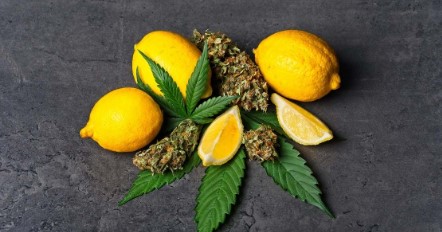
- Orange pistils on dense, vivid green nugs
- A thick layer of crystalline trichomes, making the buds incredibly sticky
- A slightly elongated structure, common in sativa-dominant hybrids
Aroma
The dominant terpenes contribute to a strong citrus scent with notes of pine and diesel. The combination of limonene and myrcene gives it a unique, tangy aroma that lingers in the air.
Flavor
- Initial taste: Zesty orange, tangerine, and lemon
- Mid-palate: A hint of pine and earthiness
- Exhale: A subtle diesel undertone with a lingering sweetness
Cannabinoid and Terpene Profile
Cannabinoid Content
- THC: 20-26% (Potent)
- CBD: <1% (Minimal)
- CBG: 1-2%
Terpene Profile
- Limonene: Promotes mood elevation and stress relief, dominant in citrus strains
- Myrcene: Provides sedative, relaxing effects, often found in indica strains
- Caryophyllene: Offers anti-inflammatory properties and a peppery flavor
- Pinene: Enhances alertness and memory retention
- Humulene: Adds a mild earthy note and contributes to appetite suppression
Effects and Recreational Uses
Initial Onset
Citrus Sap has a quick onset, usually within 5-10 minutes after inhalation or 30-45 minutes if ingested as an edible.
Common Recreational Effects

- Euphoria: Users report an immediate mood uplift, making them feel happy and stress-free.
- Creativity Boost: Citrus Sap enhances creative thinking, making it a great strain for artists, writers, and musicians.
- Energy and Focus: Unlike some indica-heavy hybrids, Citrus Sap keeps users alert and engaged.
- Mild Body Relaxation: While the cerebral effects are dominant, the body experiences a soothing sensation without excessive sedation.
- Social Enhancement: Ideal for social gatherings, promoting talkativeness and laughter.
Best Activities for Citrus Sap
- Outdoor adventures like hiking and biking
- Social events and gatherings
- Creative pursuits like writing, painting, or music
- Watching comedies or playing video games
Medical Uses
Citrus Sap offers therapeutic benefits for various conditions due to its high THC content and balanced terpene profile.

Psychological Benefits
- Stress and Anxiety Relief: The limonene and myrcene combination helps reduce cortisol levels, inducing a sense of calm.
- Depression Management: The uplifting effects counteract negative thought patterns and promote emotional balance.
- Focus and ADHD Support: Pinene’s presence helps enhance cognitive function, making it beneficial for ADD/ADHD patients.
Physical Benefits
- Chronic Pain Relief: The high THC content combined with caryophyllene provides anti-inflammatory properties, aiding conditions like arthritis, migraines, and muscle pain.
- Appetite Stimulation: Useful for patients with appetite loss due to chemotherapy, HIV/AIDS, or eating disorders.
- Fatigue Reduction: The energizing effects make it an excellent daytime strain for those suffering from chronic fatigue syndrome (CFS).
- Nausea Relief: Helps with gastrointestinal issues, including nausea caused by medical treatments.
Potential Risks and Side Effects
- Dry Mouth & Dry Eyes: Common with high-THC strains; staying hydrated helps alleviate symptoms.
- Paranoia & Anxiety: Overconsumption may trigger mild anxiety or paranoia, especially in sensitive users.
- Dizziness: Some users report mild dizziness, particularly when standing up too quickly.
- Couch-lock (at high doses): While normally energizing, excessive use can lead to sedation and mental fog.
Cultivation Information
Cultivating Citrus Sap requires a precise balance of environmental control, nutrient management, and stress training techniques to maximize its yield, potency, and resin production. Below is a scientific approach to its cultivation, covering growth stages, environmental needs, and advanced cultivation techniques.
1. Growth Stages and Requirements
Citrus Sap, being a sativa-dominant hybrid, follows a structured growth cycle like other cannabis plants but requires careful humidity and temperature adjustments due to its dense trichome production.
a. Germination Stage (5-10 Days)
- Ideal Temperature: 72-78°F (22-25°C)
- Humidity: 70-90%
- Lighting: Low-intensity light (T5 fluorescent or LED)
- Medium: Rockwool cubes, peat pellets, or coco coir
Scientific Method:
- Soak seeds in distilled water (pH 5.8-6.2) for 12-24 hours to activate enzymes responsible for seed germination.
- Transfer to a damp paper towel or directly into a growing medium.
- Maintain a sterile environment to prevent fungal infections.
b. Vegetative Stage (4-6 Weeks)
- Ideal Temperature: 72-82°F (22-28°C)
- Humidity: 50-70%
- Lighting: 18/6 cycle (18 hours light, 6 hours dark), LED or Metal Halide (MH)
- Nutrients: Higher Nitrogen (N), moderate Phosphorus (P) & Potassium (K)
- CO₂ Supplementation: 1000-1200 ppm (in controlled environments)
Scientific Method:
- Hydroponic Systems: Using Deep Water Culture (DWC) or Nutrient Film Technique (NFT) allows enhanced nutrient uptake.
- Soil pH: 6.0-6.5 for soil cultivation; optimal microbial activity occurs at pH ~6.3.
- Microbial Enhancements: Use mycorrhizal fungi and Trichoderma for root protection and nutrient absorption.
Training Techniques:
- Low-Stress Training (LST): Helps spread out growth and increase light exposure.
- Screen of Green (ScrOG): Maximizes canopy space, useful for indoor growers.
- Topping/FIMing: Pruning the apical bud to encourage lateral growth.
c. Flowering Stage (9-10 Weeks)
- Ideal Temperature: 68-78°F (20-26°C)
- Humidity: 40-50% (lower humidity prevents mold growth)
- Lighting: 12/12 cycle (12 hours light, 12 hours dark), High-Pressure Sodium (HPS) or LED
- Nutrients: Higher Phosphorus (P) and Potassium (K), lower Nitrogen (N)
- CO₂ Levels: 1200-1500 ppm can boost bud density and cannabinoid production.
Scientific Method:
- Terpene Enhancement: Reducing night temperature by 10°F (5°C) enhances limonene and myrcene production.
- UV-B Light Exposure: Increases THC synthesis by activating stress-induced secondary metabolite production.
- Flushing: Last 7-10 days before harvest, use pH-balanced water (5.8-6.2) to remove nutrient residues.
2. Environmental Control and Advanced Techniques
Citrus Sap is highly resinous, making it prone to humidity-related mold like Botrytis (bud rot). Using scientific techniques ensures a stable growing environment.
a. Temperature and Humidity Control
- Use of Vapor Pressure Deficit (VPD):
- Ideal VPD range for flowering: 1.2-1.5 kPa
- Affects stomatal opening and nutrient uptake.
- Dehumidifiers & Air Circulation: Essential for preventing powdery mildew.
b. Advanced Hydroponic Systems
- Aeroponics: Uses nutrient misting to increase oxygenation of roots.
- Drip Irrigation: Precise water delivery, reducing overwatering risks.
c. Light Spectrum Optimization
- Blue Light (400-500nm): Enhances vegetative growth.
- Red Light (600-700nm): Increases flowering efficiency.
- Far-Red Light (~730nm): Speeds up flowering transition by affecting phytochrome receptors.
3. Harvesting & Post-Harvest Processing
- Harvest Timing: Check trichomes under a microscope:
- Clear Trichomes: Too early
- Milky Trichomes: Peak potency
- Amber Trichomes: More sedative effects
Drying & Curing Techniques
- Drying: 60-65°F (16-18°C), 50-60% humidity for 7-14 days.
- Curing: Store buds in glass jars at 62% relative humidity (RH) for 3-6 weeks to develop full flavor.
4. Pest & Disease Management (IPM)
Common issues for Citrus Sap cultivation:
- Spider Mites: Introduce ladybugs or neem oil spray.
- Powdery Mildew: Use silicon-based foliar sprays.
- Fungus Gnats: Implement sticky traps & beneficial nematodes.
Ingestion, Duration, and Onset
Citrus Sap is a high-THC, sativa-dominant hybrid, which affects the method of ingestion, duration of effects, and onset time. The bioavailability (rate at which THC and other cannabinoids enter circulation) and metabolism of Citrus Sap vary based on the method of consumption. Below is a scientific breakdown of different ingestion methods, their onset times, peak effects, and duration.
1. Methods of Ingestion
A. Inhalation (Smoking or Vaping)
Mechanism of Action:
- When smoking or vaping, cannabinoids enter the bloodstream directly through alveolar membranes in the lungs.
- THC binds to CB1 receptors in the brain, causing rapid onset effects.
- The bioavailability of inhaled cannabis is 18-56%, meaning a significant portion of THC is absorbed immediately.
Onset & Duration:
- Onset: 1-5 minutes
- Peak Effects: 15-30 minutes
- Total Duration: 2-4 hours
- Best for: Fast relief of symptoms such as pain, stress, nausea, and anxiety.
Scientific Notes:
- Vaping (e.g., using a dry herb vaporizer) heats cannabis to a lower temperature (~350-400°F or 176-204°C), preserving terpenes like limonene and myrcene, which enhance Citrus Sap’s energetic and euphoric effects.
- Combustion (smoking) destroys some terpenes and cannabinoids due to the higher temperature (~900°F or 482°C at the tip of a joint), slightly reducing efficacy.
B. Sublingual (Tinctures, Oils, Dissolvable Strips)
Mechanism of Action:
- THC and other cannabinoids are absorbed through capillaries under the tongue, bypassing first-pass metabolism in the liver.
- Higher bioavailability than oral ingestion (edibles), typically ~40-50%.
Onset & Duration:
- Onset: 15-30 minutes
- Peak Effects: 45-90 minutes
- Total Duration: 4-6 hours
- Best for: Sustained symptom relief, precise dosing, and avoiding lung irritation.
Scientific Notes:
- Works well for precise microdosing, particularly for medical cannabis users who need steady THC levels.
- Lipid-soluble cannabinoids are more efficiently absorbed when combined with carrier oils (MCT oil or coconut oil).
C. Oral Ingestion (Edibles, Capsules, Beverages)
Mechanism of Action:
- When cannabis is eaten, THC undergoes first-pass metabolism in the liver, where THC is converted producing the stronger and more persistent metabolite 11-hydroxy-THC.
- The bioavailability of THC in edibles is 4-20%, lower than smoking but produces more intense, long-lasting effects.

Onset & Duration:
- Onset: 30-120 minutes (1-2 hours)
- Peak Effects: 2-4 hours after ingestion
- Total Duration: 6-12 hours (sometimes up to 24 hours in high doses)
- Best for: Prolonged relief for pain, insomnia, and anxiety disorders.
Scientific Notes:
- Eating cannabis with fats (e.g., butter or coconut oil-based edibles) enhances cannabinoid absorption since THC is lipophilic.
- The metabolite 11-hydroxy-THC is 4-10 times more psychoactive than THC, causing more intense effects than inhalation.
D. Topical Application (Creams, Lotions, Patches)
Mechanism of Action:
- THC and CBD penetrate the skin, interacting with CB2 receptors in localized areas, without entering the bloodstream (except for transdermal patches).
- Mostly used to treat skin disorders, inflammation, and pain.
Onset & Duration:
- Onset: 10-30 minutes
- Peak Effects: 1-2 hours
- Total Duration: 2-6 hours
- Best for: Localized pain relief (arthritis, muscle pain, skin conditions).
Scientific Notes:
- Transdermal patches deliver THC systemically, unlike regular topicals.
- Cannabinoids bind to sebaceous glands, making absorption slow but long-lasting.
2. Comparative Analysis of Methods of Ingestion
| Method | Bioavailability (%) | Onset Time | Peak Effects | Total Duration | Key Benefits |
|---|---|---|---|---|---|
| Smoking | 18-56% | 1-5 min | 15-30 min | 2-4 hours | Fast onset, instant relief |
| Vaping | 34-46% | 1-5 min | 15-30 min | 2-4 hours | Less lung irritation, preserves terpenes |
| Sublingual | 40-50% | 15-30 min | 45-90 min | 4-6 hours | Faster than edibles, precise dosing |
| Edibles | 4-20% | 30-120 min | 2-4 hours | 6-12+ hours | Long-lasting effects, potent |
| Topicals | <5% (local) | 10-30 min | 1-2 hours | 2-6 hours | Best for localized relief |
3. Factors Influencing Onset and Duration
Several biological and external factors influence how long Citrus Sap’s effects last and how quickly they begin:
A. Individual Factors
- Metabolism: A faster metabolism results in a shorter duration and a speedier beginning.
- Body Fat Percentage: THC is lipophilic, so higher fat stores can slow release.
- Tolerance Level: Regular users experience shorter-lasting effects.
- Empty vs. Full Stomach (for edibles):
- Empty stomach = faster onset, stronger peak
- Full stomach = delayed onset, prolonged duration
B. Dosage and Potency
- Higher THC content leads to a stronger, longer-lasting effect.
- Microdosing (1-2 mg THC) leads to a subtle, functional high.
- Macrodosing (50+ mg THC) can cause intense psychoactive effects for up to 24 hours.
4. Scientific Recommendations for Consumption
A. For Recreational Users:
- Best method: Vaping (preserves terpenes, efficient THC absorption)
- Recommended dose: 5-10 mg THC (low), up to 25 mg (moderate)
- Best time: Daytime (Citrus Sap is an energetic strain)
- Warning: Avoid high doses to prevent anxiety and paranoia.
B. For Medical Users:
- Best method: Sublingual or Edibles (longer relief for pain & stress)
- Recommended dose: 2.5-10 mg (microdosing) for daily functionality
- Best time: Morning or afternoon for energy and focus
- Warning: Avoid inhalation if dealing with respiratory issues.
Comparison with Similar Strains
| Strain | Parent Strains | THC% | Effects | Flavor Profile |
|---|---|---|---|---|
| Citrus Sap | GG4 x Tangie | 20-26% | Uplifting, Relaxing, Focused | Citrus, Pine, Diesel |
| Tangie | California Orange x Skunk | 17-22% | Energizing, Euphoric | Sweet Citrus, Earthy |
| GG4 | Chem’s Sister x Sour Dubb | 24-30% | Relaxing, Sedative | Diesel, Pine, Chocolate |
| Mimosa | Clementine x Purple Punch | 19-27% | Energetic, Euphoric, Talkative | Citrus, Berry, Sweet |
Conclusion
Citrus Sap is a potent, flavorful sativa-dominant hybrid with a complex citrus-diesel aroma, making it ideal for both recreational and medicinal use. It offers a unique combination of euphoria, relaxation, and energy, making it suitable for daytime use, especially for those needing mood enhancement, creativity boosts, or mild pain relief.
While novice users should approach with caution, experienced consumers will appreciate its strong effects and resinous nature, particularly for concentrate production. Whether grown indoors or outdoors, it is a rewarding strain that delivers high yields and premium-quality buds.
Quick Summary:
- Lineage: GG4 x Tangie
- THC: 20-26%
- Effects: Uplifting, energetic, mild body relaxation
- Medical Uses: Stress, depression, pain, ADHD, nausea
- Best For: Creative activities, socializing, outdoor adventures
- Cultivation: Moderate difficulty, high resin production
- Not Ideal For: Anxiety-prone users, low-THC tolerance consumers
For those seeking a potent, flavorful, and well-balanced strain, Citrus Sap stands out as an elite choice in the cannabis market.
For a complete directory of cultivars, visit our Cannabis Strain Reviews.
