Table of Contents
Cinderella’s Dream is a sativa-dominant hybrid cannabis strain known for its energetic and euphoric effects. It is a cross between Cinderella 99 and Blue Dream, two legendary strains celebrated for their uplifting and creative highs. This strain is ideal for both recreational and medical use due to its unique combination of cerebral stimulation and mild body relaxation. In this comprehensive guide, we will delve into the genetics, terpene profile, cannabinoid composition, medical applications, recreational benefits, and cultivation methods of Cinderella’s Dream.
Genetics and Lineage
Cinderella’s Dream is a hybrid strain with a strong sativa dominance. Its parent strains are:
- Cinderella 99 (C99): A sativa-dominant strain known for its uplifting and psychedelic effects. It originates from Jack Herer genetics and delivers an energetic high that enhances creativity and focus.
- Blue Dream: A balanced hybrid with both sativa and indica qualities, Blue Dream is famous for its gentle cerebral stimulation and soothing body relaxation. It carries blueberry sweetness and a rich terpene profile, making it a fan favorite.
By combining these two powerhouses, Cinderella’s Dream inherits the cerebral buzz and euphoria of Cinderella 99 while maintaining the smooth, relaxing properties of Blue Dream.
Cannabinoid Profile
Cinderella’s Dream typically contains a high THC concentration, ranging from 18% to 24%, making it a strong option for both recreational and medical usage. Its CBD content is generally below 1%, meaning its therapeutic effects are driven primarily by its THC-dominant profile.
Typical Cannabinoid Breakdown:
- THC: 18-24%
- CBD: <1%
- CBG: 0.5-1.5%
- THCV: Trace amounts
This THC-heavy composition makes Cinderella’s Dream a powerful strain that can deliver strong psychoactive effects.
Terpene Profile and Aroma
The terpenes found in Cinderella’s Dream contribute to its complex aroma, flavor, and therapeutic benefits. The dominant terpenes include:
- Myrcene – Earthy, herbal, and musky; known for sedative and anti-inflammatory properties.
- Limonene – Citrusy and uplifting; associated with mood elevation and stress relief.
- Pinene – Pine-scented; known for its focus-enhancing and anti-inflammatory effects.
- Caryophyllene – Spicy and peppery; has anti-inflammatory and pain-relieving properties.
Aroma & Flavor Profile:
- Primary aromas: Sweet, citrus, berry, earthy
- Taste profile: A blend of sweet berry (from Blue Dream), tropical citrus (from Cinderella 99), and subtle piney undertones
Medical Applications
Cinderella’s Dream is widely used in the medical cannabis community due to its uplifting yet calming effects. It is particularly effective in treating mental health conditions, pain, and fatigue.
Conditions Cinderella’s Dream May Help With:
1. Mental Health Disorders
- Depression – The high THC content and limonene terpene work together to elevate mood and provide a sense of well-being.
- Anxiety – While some THC-sensitive individuals may experience mild paranoia, most users find Cinderella’s Dream relaxing and anxiety-relieving.
- PTSD & Stress – The uplifting euphoria helps reduce stress and mitigate PTSD symptoms.
2. Chronic Pain & Inflammation
- The presence of caryophyllene and myrcene makes this strain effective for neuropathic pain, muscle aches, and joint inflammation.
3. Fatigue & Low Energy
- Cinderella’s Dream is an excellent strain for combating fatigue due to its strong sativa-dominant properties. It provides long-lasting energy and enhances motivation.
4. ADD/ADHD
- The strain’s focus-enhancing effects, largely attributed to pinene, make it a potential option for individuals with attention disorders.
5. Migraines and Headaches
- Some migraine sufferers report that Cinderella’s Dream provides relief by reducing inflammation and improving blood circulation.
Recreational Benefits
Beyond its medical applications, Cinderella’s Dream is highly sought-after for its recreational effects. It provides a creative, energetic, and euphoric high that is perfect for social activities, artistic pursuits, and daytime use.

Effects:
- Euphoria: Immediate mood elevation with a sense of happiness and well-being.
- Creativity Boost: Enhanced focus and inspiration, making it great for artistic or problem-solving tasks.
- Social & Talkative: Makes users more engaged in conversation and enhances sociability.
- Mild Relaxation: While predominantly uplifting, it also delivers a slight body relaxation, preventing overstimulation.
- Long-Lasting Energy: Great for productivity, physical activities, and outdoor adventures.
Ingestion Methods, Duration, and Onset
Cinderella’s Dream is a high-THC sativa-dominant hybrid, making its effects highly dependent on the method of ingestion, metabolic pathways, bioavailability, and individual tolerance levels. Below is a scientific breakdown of its ingestion methods, onset time, peak effects, and duration.
1. Methods of Ingestion & Their Scientific Implications
A. Inhalation (Smoking/Vaporization)
- Bioavailability: ~30-50%
- Onset: 1-5 minutes
- Peak Effects: 15-45 minutes
- Total Duration: 2-4 hours
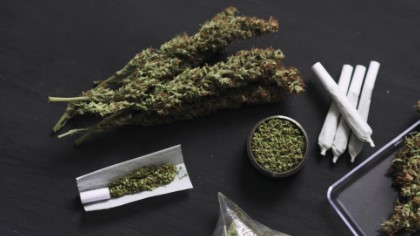
Scientific Process:
- THC absorption occurs via pulmonary alveoli, where it rapidly enters the bloodstream.
- The first-pass metabolism is bypassed, allowing for a fast and potent psychoactive effect.
- Vaporization (ideal at 356-392°F or 180-200°C) preserves terpenes and prevents combustion byproducts (e.g., benzene, tar).
Best for: Users seeking rapid cerebral stimulation, creativity, and daytime focus.
B. Sublingual (Tinctures & Sprays)
- Bioavailability: ~15-35%
- Onset: 15-30 minutes
- Peak Effects: 45-90 minutes
- Total Duration: 4-6 hours
Scientific Process:
- Direct absorption through the oral mucosa (sublingual glands), bypassing gastrointestinal degradation.
- Effects onset faster than edibles but slower than inhalation.
Best for: Medical users seeking fast, long-lasting effects without lung irritation.
C. Oral Ingestion (Edibles, Capsules, Beverages)
- Bioavailability: ~4-20%
- Onset: 30-120 minutes
- Peak Effects: 2-4 hours
- Total Duration: 6-10 hours
Scientific Process:
- THC is converted into 11-hydroxy-THC (11-OH-THC) in the liver (first-pass metabolism), making effects stronger and longer-lasting than inhalation.
- Fat-soluble cannabinoids (lipophilic nature) require digestion with dietary fats for optimal absorption.
Best for: Long-lasting medical relief, deep relaxation, and extended euphoria.
D. Topical Application (Creams, Patches, Transdermals)
- Bioavailability: Limited for localized effects (creams); ~50-80% for transdermals
- Onset: 15-60 minutes
- Duration: 2-12 hours (depends on formulation)
Scientific Process:
- THC does not penetrate the bloodstream unless using a transdermal patch (which contains carrier agents like ethanol or propylene glycol).
- Ideal for localized pain relief, inflammation, and muscle relaxation.
Best for: Arthritis, localized pain, inflammation relief.
2. Onset, Peak, and Duration Analysis by Method
| Method | Onset Time | Peak Effects | Duration | Best Use |
|---|---|---|---|---|
| Smoking/Vaping | 1-5 min | 15-45 min | 2-4 hrs | Rapid effects, social activities, creativity |
| Tinctures/Sprays | 15-30 min | 45-90 min | 4-6 hrs | Fast relief, medical use |
| Edibles/Capsules | 30-120 min | 2-4 hrs | 6-10 hrs | Long-lasting effects, deep relaxation |
| Topicals | 15-60 min | N/A (localized) | 2-12 hrs | Pain, inflammation relief |
| Transdermals | 30-60 min | 1-2 hrs | 6-12 hrs | Systemic medical benefits |
3. Key Factors Affecting Duration and Onset
A. Individual Metabolism & Tolerance
- Faster metabolism → shorter duration, quicker onset.
- Chronic cannabis users may experience reduced effects due to receptor desensitization.
B. Cannabinoid & Terpene Interaction
- THC & Limonene synergy → Faster cerebral onset.
- Myrcene → Increased permeability of the blood-brain barrier, leading to faster sedation.
C. Food Intake & Lipid Solubility (Edibles)
- Taking edibles on an empty stomach → Faster onset but risk of nausea.
- Pairing THC with fats (e.g., coconut oil) → Increased absorption & potency.
Potential Side Effects
While Cinderella’s Dream has many benefits, it may also cause some adverse effects, particularly in high doses:
- Dry Mouth & Dry Eyes: Common with most high-THC strains; staying hydrated helps mitigate discomfort.
- Paranoia & Anxiety: Some users may experience heightened anxiety, especially those sensitive to THC.
- Dizziness: Can occur if taken in excess or by new users.
- Mild Headaches: A possibility, particularly if dehydrated.
Scientific Insights: How Cinderella’s Dream Works in the Body
Interaction with the Endocannabinoid System (ECS)
The endocannabinoid system (ECS) is a network of receptors (CB1 and CB2) that regulate mood, pain, appetite, and other bodily functions. The high THC content in Cinderella’s Dream primarily activates CB1 receptors in the brain, leading to increased dopamine release, which explains the euphoric and mood-enhancing effects.
Neurochemical Effects
- Increases Dopamine Levels: Leads to improved mood and creativity.
- Modulates Serotonin Activity: Contributes to anti-depressant effects.
- Enhances Neuroplasticity: Can improve cognitive flexibility and problem-solving skills.

Cultivation Guide
Cinderella’s Dream is a moderately difficult strain to grow, requiring precise environmental control and nutrient balance. Below is a scientific breakdown of the best cultivation practices, covering lighting, nutrient requirements, growth stages, and environmental conditions.
1. Growth Stages and Optimal Conditions
Germination Stage (0-7 Days)
- Temperature: 70-85°F (21-29°C)
- Humidity: 70-90%
- Light Cycle: 18/6 or 24/0 (hours of light/darkness)
- Growing Medium: Rockwool, Jiffy Pellets, or Soil
- pH Level: 5.8-6.2 (Hydroponics), 6.0-6.5 (Soil)
Scientific Insight:
- Pre-soaking seeds in water (pH 6.0) for 12-24 hours increases germination rates.
- Humidity domes enhance moisture retention for rapid sprouting.
Vegetative Stage (2-6 Weeks)
- Temperature: 72-82°F (22-28°C)
- Humidity: 50-70%
- Light Cycle: 18/6 or 20/4
- Nutrient Requirements: High Nitrogen (N) for rapid vegetative growth
- pH Level: 5.8-6.2 (Hydroponics), 6.2-6.5 (Soil)
Scientific Techniques for Maximum Vegetative Growth
- Low-Stress Training (LST): Encourages lateral growth, optimizing light exposure.
- High-Intensity LED/HPS Lighting: Maintains PPFD levels of 400-600 μmol/m²/s, improving photosynthesis.
- CO₂ Enrichment (1000-1200 PPM): Enhances plant metabolism and growth rate.
Flowering Stage (8-10 Weeks)
- Temperature: 68-78°F (20-26°C)
- Humidity: 40-50% (Prevents mold/mildew)
- Light Cycle: 12/12 (Crucial for photoperiod control)
- Nutrient Requirements:
- Lower Nitrogen (N) to prevent leafy growth
- Increase Phosphorus (P) and Potassium (K) to boost bud development
- pH Level: 5.8-6.2 (Hydroponics), 6.2-6.5 (Soil)
Scientific Yield Optimization Strategies
- Defoliation: Removing lower fan leaves improves airflow and light penetration.
- Screen of Green (ScrOG): Increases canopy exposure and optimizes bud development.
- UV-B Light Exposure (280-315 nm): Induces higher trichome production, increasing THC content.
- Terpene Enhancement: Using mild drought stress in late flowering triggers increased terpene synthesis.
2. Nutrient Management and Deficiency Prevention
Essential Macronutrients:
| Nutrient | Growth Stage | Function |
|---|---|---|
| Nitrogen (N) | Vegetative | Leaf and stem growth |
| Phosphorus (P) | Flowering | Bud and root development |
| Potassium (K) | Flowering | Stress resistance, terpene production |
Common Deficiencies and Their Solutions:
| Deficiency | Symptoms | Solution |
|---|---|---|
| Nitrogen (N) | Yellowing lower leaves | Increase N in vegetative stage |
| Phosphorus (P) | Slow bud growth | Use bat guano, fish bone meal |
| Potassium (K) | Brown edges on leaves | Increase K-rich supplements |
3. Advanced Scientific Cultivation Methods
Hydroponic vs. Soil Cultivation
- Hydroponics: Faster growth, precise nutrient control (Ideal EC levels: 1.2-2.2 mS/cm)
- Organic Soil: Enhanced terpene profile due to microbial activity
Microbial Soil Enhancement
- Mycorrhizal fungi improve nutrient uptake, increasing yield by up to 20%.
- Beneficial bacteria (Bacillus subtilis, Trichoderma) prevent root rot and increase phosphorus absorption.
Final Harvest and Curing
- Optimal Harvest Time:
- Trichome color: 70% cloudy, 20% amber for peak potency
- Terpene peak: Day 60-65 of flowering
- Curing:
- Store in 62% RH jars for 3+ weeks to preserve cannabinoids and terpenes.
Conclusion
Cinderella’s Dream is an exceptional hybrid strain that offers a unique combination of energy, creativity, euphoria, and mild relaxation. Whether for medical or recreational use, it provides significant benefits ranging from mood enhancement and pain relief to focus and motivation. Due to its moderate-to-high THC levels, it is best suited for users who can handle potent strains. With proper cultivation, Cinderella’s Dream produces dense, resinous buds with a delightful berry-citrus aroma and long-lasting effects.
For those seeking a strain that balances uplifting cerebral stimulation with calming relaxation, Cinderella’s Dream is an excellent choice. Whether you are looking for a creative boost, relief from anxiety, or an energetic daytime strain, Cinderella’s Dream is sure to impress.
For a complete directory of cultivars, visit our Cannabis Strain Reviews.
