Table of Contents
Church OG is a potent indica-dominant hybrid cannabis strain renowned for its powerful sedative effects, earthy-pine aroma, and high THC content. A favorite among indica lovers, this strain delivers deep body relaxation, pain relief, and mental tranquility, making it highly sought-after for both medical and recreational use.
This document provides a detailed breakdown of Church OG, including its genetics, cannabinoids, terpenes, medical benefits, recreational effects, cultivation information, and scientific insights into how it interacts with the human endocannabinoid system.
1. Genetics and Origin
Church OG is believed to be a phenotype of OG Kush or a cross between OG Kush and God’s Gift. It inherits strong indica-dominant characteristics, making it a highly relaxing and potent strain.
Genetic Breakdown:
- Parent Strains: Likely OG Kush x God’s Gift
- Dominance: Indica-dominant Hybrid (80% Indica, 20% Sativa)
- THC Content: 19% – 26%
- CBD Content: <1%
- CBG Content: ~1%
- Lineage Traits: Heavy body high, euphoria, cerebral relaxation
2. Appearance, Aroma, and Flavor
Appearance
Church OG buds are dense, compact, and resinous, displaying a mix of:
- Shades of deep green with a tinge of purple
- Bright orange pistils
- Thick trichome coverage, giving it a frosty look
Aroma Profile
Church OG has a complex and strongly pungent aroma, often compared to earthy pine forests mixed with a subtle sweetness. The dominant scent notes include:
- Pine
- Earthy musk
- Citrus zest
- Diesel undertones
- Herbal and floral notes
Flavor Profile
When smoked or vaped, Church OG offers a smooth yet rich flavor, with prominent notes of:
- Woody pine
- Spicy herbs
- Citrus tang
- Diesel finish
- Mild floral sweetness
3. Cannabinoid and Terpene Profile
Primary Cannabinoids
- THC: 19% – 26%
- CBD: <1%
- CBG: ~1%
- CBN: ~0.5%
Church OG’s high THC levels make it particularly effective for intense relaxation and pain relief.
Dominant Terpenes and Their Effects
Church OG’s effects are largely dictated by its terpene profile, which includes:
| Terpene | Effect | Aroma |
|---|---|---|
| Myrcene | Sedation, relaxation, anti-inflammatory | Herbal, earthy |
| Limonene | Mood uplift, stress relief | Citrus, lemon zest |
| Caryophyllene | Anti-inflammatory, pain relief, anxiety reduction | Spicy, peppery |
| Humulene | Appetite suppressant, anti-inflammatory | Woody, hops-like |
| Pinene | Memory aid, focus, bronchodilator | Pine, fresh forest |
The synergy between high THC content and these terpenes contributes to the strain’s powerful calming and euphoric effects.
4. Recreational Effects and Uses
Recreational Benefits
Church OG is a nighttime strain, best enjoyed for unwinding and deep relaxation. Its effects include:
- Euphoria: Initial rush of happiness and mental clarity
- Body Relaxation: Heavy body high, best for couch-lock sessions
- Sedation: Leads to deep sleep and tranquility
- Enhanced Sensory Perception: Music, food, and visuals may feel intensified

Best Recreational Uses
- Relaxation after a long day
- Watching movies or listening to music
- Meditation and introspection
- Social settings (in small doses)
- Enhancing food enjoyment (mild munchies)
5. Medical Applications
Church OG’s indica-heavy effects make it a valuable medical strain for individuals suffering from various conditions.
Primary Medical Benefits
| Condition | Relief Mechanism |
| Chronic Pain | THC binds to CB1 & CB2 receptors, reducing pain perception |
| Insomnia | Sedative properties promote deep sleep |
| Anxiety & Stress | Limonene & Myrcene create a calming effect |
| Depression | Euphoria-inducing effects elevate mood |
| Muscle Spasms | Anti-inflammatory properties relax muscles |
| Loss of Appetite | THC stimulates hunger |
Scientific Basis of Medical Use
- Pain Management: Church OG’s high THC content interacts with CB1 and CB2 receptors in the brain and body, leading to reduced pain signaling.
- Anxiety & Depression Relief: Limonene and Caryophyllene modulate serotonin and dopamine pathways, contributing to mood stabilization.
- Anti-Inflammatory Properties: Myrcene, Caryophyllene, and Humulene work synergistically to reduce inflammation, beneficial for conditions like arthritis and fibromyalgia.
- Sedation & Sleep Aid: Myrcene enhances GABAergic activity, leading to muscle relaxation and drowsiness, making it an effective treatment for insomnia.
6. Cultivation Information
Cultivating Church OG successfully requires a scientific approach that optimizes environmental conditions, nutrient intake, and plant health management. Below is a detailed breakdown of the scientific cultivation techniques used to enhance Church OG’s growth, yield, and potency.
1. Environmental Optimization
Church OG thrives in a controlled environment where temperature, humidity, and lighting are meticulously adjusted.
A. Temperature & Humidity Control
- Vegetative Stage:
- Temperature: 70-80°F (21-27°C)
- Humidity: 50-70%
- Light Cycle: 18/6 (18 hours light, 6 hours darkness)
- Flowering Stage:
- Temperature: 65-75°F (18-24°C)
- Humidity: 40-50% (to prevent mold and bud rot)
- Light Cycle: 12/12 (12 hours light, 12 hours darkness)
- Late Flowering & Harvest:
- Temperature: 60-70°F (15-21°C)
- Humidity: 30-40% (enhances resin and terpene production)
B. Light Spectrum for Optimal Growth
- Seedling Stage: Full-spectrum LED lights (4000K) for strong root development
- Vegetative Stage: Blue light spectrum (400-500 nm) to promote leafy growth
- Flowering Stage: Red/Infrared spectrum (600-700 nm) to enhance bud density and THC production

2. Cultivation Techniques
Using advanced training methods helps maximize yield and improve cannabinoid production.
A. Low-Stress Training (LST)
- Bending and tying branches to increase light penetration and promote even canopy growth.
- Encourages more bud sites and higher yields.
B. Screen of Green (ScrOG)
- A net or screen is placed above plants to train branches outward, optimizing light exposure.
- Prevents vertical growth and improves resin production.
C. Defoliation & Pruning
- Removing excess fan leaves in the vegetative stage improves airflow and nutrient distribution.
- Lollipop pruning (removing lower growth) directs energy to the top colas, leading to higher potency buds.
D. Hydroponics vs. Soil Cultivation
| Method | Benefits | Challenges |
|---|---|---|
| Hydroponics | Faster growth, better nutrient absorption, higher THC levels | Expensive setup, requires precise nutrient balance |
| Soil | Rich terpene profile, natural microbial interaction | Longer growth time, risk of pests and fungi |
For Church OG, a hydroponic system with pH-balanced water (5.8-6.2) can enhance trichome production and THC potency.
3. Advanced Nutrient Management
Church OG requires a specific nutrient regimen to maximize its potency and yield.
A. Essential Nutrients
- Nitrogen (N) – Promotes vegetative growth (higher in early stages)
- Phosphorus (P) – Essential for flowering and root strength
- Potassium (K) – Enhances bud development and overall plant health
- Micronutrients: Magnesium, Calcium, Zinc, and Iron for enzyme function and chlorophyll production.
B. Nutrient Schedule
| Growth Stage | Nutrient Mix (N-P-K Ratio) | Frequency |
|---|---|---|
| Seedling | 2-1-2 (mild strength) | Every 3 days |
| Vegetative | 4-2-3 | Every 2 days |
| Flowering | 1-3-4 | Every 2 days |
| Late Bloom | 0-2-4 (low nitrogen) | Weekly |
Key Tip: Using organic nutrients like worm castings, bat guano, and compost tea can enhance terpene expression, improving aroma and flavor.
4. Watering & pH Management
Maintaining the right pH level is crucial to avoid nutrient lockout.
- Soil pH Range: 6.0 – 6.5
- Hydroponic pH Range: 5.8 – 6.2
- Watering Schedule:
- Early Vegetative: Every 2-3 days
- Flowering: Every 1-2 days (depending on humidity levels)
- Best Water Type: Filtered or RO (Reverse Osmosis) water to avoid contaminants.
5. Terpene & Cannabinoid Enhancement Strategies
To maximize THC and terpene content, these scientific techniques are used:
A. Cold Shock Method (Temperature Stress)
- During the final week of flowering, lowering the nighttime temperature to 50-60°F (10-15°C) enhances anthocyanin production, increasing purple hues in Church OG.
B. UVB Light Exposure
- Supplementing with UVB light (280-315 nm) during flowering increases THC production by 10-15% by stimulating resin production.
C. Flushing Before Harvest
- Last 7-10 days before harvest, flushing with pH-balanced water (0 nutrients) removes chemical buildup and improves smoothness and flavor.
6. Pest & Disease Management
Church OG, like many Kush strains, is susceptible to powdery mildew, spider mites, and root rot. Scientific pest management involves:
- Companion Planting: Growing basil, mint, or marigold nearby naturally repels pests.
- Neem Oil Sprays: Organic pest control that prevents mold and mites.
- Beneficial Insects: Introducing ladybugs or predatory mites helps control pest populations.
7. Curing and Harvesting for Optimal Potency
To preserve THC and terpenes, the harvest process is crucial.
A. Optimal Harvest Timing
- Trichome Color Test:
- Clear Trichomes: Too early
- Milky White Trichomes: Peak THC levels (ideal time to harvest)
- Amber Trichomes: More sedative effects (higher CBN levels)
B. Slow Curing Process
- Drying: Hang buds in a dark room at 60-70°F (15-21°C) with 50% humidity for 7-10 days.
- Curing: Store dried buds in glass jars, burping them once daily for 2-3 weeks to enhance smoothness, potency, and terpene profile.
Methods of Ingestion, Onset, and Duration
The way Church OG is ingested significantly affects its bioavailability, onset time, peak effects, and duration. Below is a comprehensive scientific breakdown of various ingestion methods, including their advantages, disadvantages, and pharmacokinetics.
1. Ingestion Techniques and Pharmacokinetics
Church OG, being an indica-dominant strain, delivers potent relaxing and sedative effects. The route of administration plays a crucial role in how the cannabinoids and terpenes are absorbed, metabolized, and experienced.
A. Inhalation (Smoking & Vaping)
- Onset Time: 1 to 5 minutes
- Peak Effects: 20 to 30 minutes
- Duration: 2 to 4 hours
- Bioavailability: 30 to 50 percent THC absorption
1. Smoking (Joints, Pipes, Bongs)
Pros:
- Fastest onset of effects as cannabinoids reach the brain within seconds
- Easy to control dosage
- Higher bioavailability compared to edibles
- Terpenes preserved in well-cured cannabis
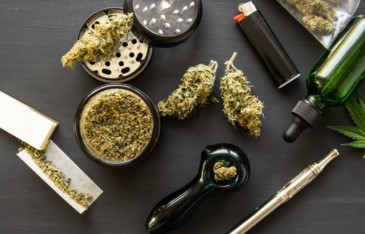
Cons:
- Combustion produces harmful byproducts such as carbon monoxide and tar
- Higher lung irritation
- THC degradation due to high temperature (approximately 900 degrees Celsius in joint combustion)
2. Vaping (Dry Herb & Concentrates)
Pros:
- More efficient than smoking with better THC retention
- No combustion, leading to less lung irritation
- More terpene preservation due to temperature control
Cons:
- Expensive equipment required
- Cartridge-based vapes may contain additives
Scientific Note:
- The boiling point of THC is 157 degrees Celsius. Lower-temperature vaping (180 to 210 degrees Celsius) retains cannabinoids and terpenes while reducing harmful combustion byproducts.
B. Oral Ingestion (Edibles, Capsules, Tinctures)
- Onset Time: 30 to 90 minutes
- Peak Effects: 2 to 3 hours
- Duration: 6 to 12 hours
- Bioavailability: 4 to 20 percent due to first-pass metabolism
1. Edibles (Gummies, Brownies, Beverages)
Pros:
- Long-lasting effects
- Discreet, no lung damage
- More body-focused high due to conversion to 11-hydroxy-THC
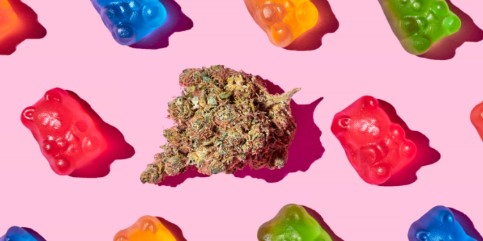
Cons:
- Delayed onset, which increases the risk of overconsumption
- Lower bioavailability as liver metabolism reduces THC before it enters the bloodstream
Scientific Note:
- Ingested THC is metabolized in the liver into 11-hydroxy-THC, which is more psychoactive and long-lasting than inhaled THC.
2. Sublingual (Tinctures, Sprays)
- Onset Time: 15 to 45 minutes
- Peak Effects: 45 to 90 minutes
- Duration: 4 to 6 hours
- Bioavailability: 20 to 35 percent, which is higher than edibles
Pros:
- Bypasses first-pass metabolism
- Faster onset than edibles
- Easier to dose precisely
Cons:
- Taste can be strong
- Less potent than inhalation
Scientific Note:
- Cannabinoids absorbed under the tongue enter the bloodstream directly via mucous membranes, avoiding first-pass liver metabolism.
C. Topical and Transdermal Applications
- Onset Time: Varies from minutes to hours, depending on formulation
- Duration: 4 to 8 hours
- Bioavailability: Low for topicals, high for transdermals
1. Topicals (Creams, Balms, Lotions)
Pros:
- Focused alleviation of joint and muscular pain
- Non-psychoactive as cannabinoids do not enter the bloodstream
- Effective for arthritis and inflammation
Cons:
- No systemic effects
- Slow absorption
Scientific Note:
- THC binds to CB2 receptors in the skin, reducing inflammation without entering circulation.
2. Transdermal Patches
Pros:
- Sustained cannabinoid release, providing consistent dosing
- Absorbed into the bloodstream, resulting in systemic effects
- Bypasses liver metabolism
Cons:
- More expensive than other methods
- Slow onset, up to one hour
Scientific Note:
- Nano-emulsion formulations improve skin penetration, increasing bioavailability up to 50 percent.
2. Onset, Peak Effects, and Duration by Method
| Method | Onset Time | Peak Effects | Duration | Bioavailability |
|---|---|---|---|---|
| Smoking (Joint, Bong, Pipe) | 1 to 5 min | 20 to 30 min | 2 to 4 hrs | 30 to 50 percent |
| Vaping (Dry Herb, Concentrates) | 1 to 5 min | 20 to 30 min | 2 to 4 hrs | 40 to 60 percent |
| Edibles (Gummies, Brownies, Drinks) | 30 to 90 min | 2 to 3 hrs | 6 to 12 hrs | 4 to 20 percent |
| Sublingual (Tinctures, Sprays) | 15 to 45 min | 45 to 90 min | 4 to 6 hrs | 20 to 35 percent |
| Topicals (Creams, Balms) | 15 to 60 min | Localized relief | 4 to 8 hrs | Low |
| Transdermal Patches | 30 to 60 min | 1 to 2 hrs | 8 to 12 hrs | 50 percent or higher |
3. Factors Affecting Onset, Duration, and Effects
Several variables impact how long Church OG takes to take effect and how long it lasts.
A. Individual Metabolism and Body Composition
- A faster metabolism results in a shorter duration and a speedier beginning.
- Higher body fat leads to longer THC storage and prolonged effects
B. Tolerance Level
- Low tolerance results in stronger effects and longer duration
- High tolerance results in milder effects and shorter duration
C. Food Intake
- Consumption on an empty stomach leads to faster onset, especially for edibles
- Fatty foods increase THC absorption
D. Strain Potency and Cannabinoid Profile
- Church OG, with high THC levels ranging from 19 to 26 percent, leads to longer and stronger effects
- Terpenes such as myrcene, limonene, and caryophyllene contribute to sedation and anxiety reduction
7. Potential Side Effects
While Church OG is well-tolerated by most users, excessive consumption may lead to:
- Dry Mouth & Dry Eyes (Most common)
- Dizziness (In novice users or with high doses)
- Paranoia & Anxiety (Rare, but possible with excessive use)
- Couch-lock & Extreme Sedation (At high doses)
To mitigate side effects, start with a low dose and hydrate properly.
Conclusion
Church OG is a powerful indica strain, perfect for users seeking deep relaxation, pain relief, and insomnia treatment. With its rich terpene profile, potent THC levels, and sedative effects, it’s an excellent choice for both medical and recreational users. However, due to its intensity, cautious dosing is recommended for beginners.
Whether you’re using Church OG for therapeutic relief or an evening of tranquility, its potency and well-rounded effects make it a staple in the world of cannabis.
Final Notes:
- Best for nighttime use
- Highly effective for stress and pain relief
- Rich in myrcene, limonene, and caryophyllene
- Can induce couch-lock and sleepiness in high doses
- Ideal for experienced users looking for a strong indica experience
For a complete directory of cultivars, visit our Cannabis Strain Reviews.
