Table of Contents
Chronic is a legendary hybrid cannabis strain known for its balanced effects, resin production, and medical versatility. Originally bred by Serious Seeds in the 1990s, Chronic was created by crossing three foundational strains: Afghani, Northern Lights, and Skunk #1. This hybridization aimed to produce a strain with a potent but not overwhelming high, substantial medicinal benefits, and high commercial yield.
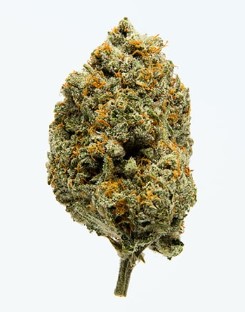
Chronic quickly gained recognition among cultivators and medical cannabis users for its consistent potency, euphoric yet calming effects, and its ability to manage a broad spectrum of physical and psychological conditions. Over time, it became a cornerstone strain used to create other notable hybrids.
Genetic Lineage and Breeding History
The genetic background of Chronic provides insight into its balanced effects and diverse chemical profile:
- Afghani: A pure indica landrace known for its body sedation, dense buds, and high resin content. It contributes to Chronic’s calming physical effects and robust plant structure.
- Northern Lights: Another predominantly indica strain, Northern Lights brings muscle relaxation, analgesia, and a mellow euphoria.
- Skunk #1: A classic hybrid that introduced a pungent, sweet-sour aroma and enhanced Chronic’s cerebral and mood-elevating effects.
This triad created a strain with about 60% indica / 40% sativa tendencies, though some phenotypes lean more toward one side depending on environmental and cultivation variables.
Morphology and Growth Characteristics
Chronic plants are visually striking and favored by both indoor and outdoor growers for their:
- Medium to tall stature (usually 100–150 cm indoors)
- Dense, resin-coated colas
- Dark green, broad leaves with indica-like structure
- Moderate internodal spacing, promoting good airflow
The flowering time is around 8–9 weeks, and yields are consistently high, with indoor harvests often exceeding 600 grams per square meter under optimal conditions. Outdoor plants flourish in temperate climates and can yield 700–900 grams per plant.
Chronic is relatively resistant to pests and mold due to its lineage but requires careful pruning to maximize light penetration and prevent bud rot in humid environments.
Phytochemical Profile
Cannabinoids
Chronic typically exhibits:
- THC: 15–22% (some phenotypes reach 24%)
- CBD: <0.5%
- CBG: 0.3–1%
- CBC: Trace levels
This cannabinoid distribution provides robust psychoactivity without overwhelming sedation, making it ideal for users seeking a moderate-to-strong experience without full couch-lock.
Terpenes
The terpene profile of Chronic is complex and contributes to its layered effects:
- Myrcene (0.4–0.8%): Sedative, analgesic; responsible for the earthy, musky aroma.
- Caryophyllene (0.2–0.5%): Anti-inflammatory, binds to CB2 receptors.
- Limonene (0.3–0.6%): Mood elevation, stress relief; provides citrus notes.
- Pinene (0.1–0.3%): Bronchodilator, enhances alertness.
- Humulene (0.1–0.2%): Appetite suppressant, anti-inflammatory.
These terpenes work synergistically with cannabinoids in what’s known as the entourage effect, enhancing both therapeutic and recreational benefits.
Recreational Uses
Chronic is highly regarded for delivering a balanced high that unfolds in stages:

Onset and Initial Effects
- Rapid onset (within 5–10 minutes of inhalation)
- Euphoric head buzz, uplifted mood
- Heightened sensory perception (especially sound and taste)
Plateau and Mid-Session Effects
- Clear-headed cerebral stimulation
- Mild creativity boost
- Social ease and talkativeness
- Light body relaxation without immobilization
Come-Down and After-Effects
- Gradual body stone sets in after 60–90 minutes
- Calm, contented mindset
- No significant crash or anxiety in most users
Popular Recreational Contexts
- Creative pursuits: Music, painting, design, writing
- Social environments: Lighthearted conversations, gaming, group activities
- Low-intensity outdoor activities: Walking, light hiking
- Evening relaxation: Without sedation or fogginess
Its balanced profile makes it appealing for both novice and experienced users seeking a moderate yet satisfying high that doesn’t interfere with function.
Medical Uses
1. Pain Management
Indications:
- Neuropathic pain (e.g., fibromyalgia, peripheral neuropathy)
- Inflammatory pain (arthritis, musculoskeletal injury)
- Migraine and tension headaches
Mechanisms:
- THC acts as a partial CB1 receptor agonist in the CNS, modulating nociceptive signaling in the periaqueductal gray and spinal cord dorsal horn.
- Caryophyllene binds selectively to CB2 receptors, reducing inflammation at peripheral sites without psychoactivity.
- Myrcene enhances GABAergic transmission and potentiates THC’s analgesic effect, contributing to central sedation and reduced pain perception.
Scientific Evidence: THC-dominant strains have shown statistically significant reductions in neuropathic pain scores in RCTs (e.g., Ware et al., CMAJ, 2010), particularly when myrcene and caryophyllene are present.
2. Anxiety and Stress Disorders
Indications:
- Generalized anxiety disorder (GAD)
- Social anxiety
- Work-related stress and burnout
Mechanisms:
- Low-to-moderate doses of THC may increase dopamine in the nucleus accumbens, inducing mild euphoria and reducing rumination.
- Limonene modulates serotonin (5-HT1A) receptors and exhibits anxiolytic properties similar to SSRIs in rodent models.
- CBG and caryophyllene indirectly reduce anxiety via CB2 activation and anti-inflammatory effects in the gut-brain axis.
Clinical Note: While high-THC strains can trigger anxiety in sensitive individuals, Chronic’s moderate THC levels and calming terpenes (especially myrcene and caryophyllene) create a buffered psychoactive experience, reducing risk of panic attacks.
3. Depression and Mood Disorders
Indications:
- Mild to moderate depression
- Anhedonia (inability to feel pleasure)
- Circadian rhythm disruption
Mechanisms:
- THC increases dopamine in mesolimbic circuits (especially the ventral tegmental area) contributing to short-term mood elevation.
- Limonene and pinene improve cognitive clarity and alertness, countering depressive lethargy.
- Chronic’s mild euphoria promotes hedonic re-engagement, helping users reconnect with activities and social settings.
Scientific Insight: Chronic’s terpene synergy (limonene + caryophyllene) can be comparable to fast-acting antidepressants in effect, albeit short-lived—ideal for acute depressive episodes, not long-term monotherapy.
4. Appetite Stimulation (Cachexia, Anorexia)
Indications:
- Chemotherapy-induced anorexia
- HIV/AIDS wasting syndrome
- Age-related appetite decline
Mechanisms:
- THC activation of CB1 receptors in the hypothalamus stimulates ghrelin secretion, increasing hunger.
- Humulene, although an appetite suppressant in isolation, may synergize with THC to regulate metabolic homeostasis.
- Dopaminergic stimulation enhances motivation to eat (mesolimbic reward circuitry).
Clinical Use: Chronic is often favored in cancer care protocols and palliative medicine where nutritional intake is critical and psychotropic effects are beneficial (e.g., mood enhancement, nausea reduction).
5. Sleep Disorders
Indications:
- Sleep initiation insomnia
- Stress-induced sleep fragmentation
- Circadian dysregulation
Mechanisms:
- Myrcene has strong sedative and muscle relaxant properties, comparable to barbiturate-class drugs in animal studies.
- THC reduces sleep latency and increases stage 4 non-REM sleep via CB1 agonism in the suprachiasmatic nucleus (SCN).
- Caryophyllene may help with REM sleep stabilization, reducing nightmares or parasomnias (especially in PTSD patients).
Dose-Dependence: Low to moderate doses can improve sleep onset and continuity; excessive THC may disrupt REM sleep over time, potentially impairing memory consolidation.
6. Muscle Spasms and Neuromuscular Disorders
Indications:
- Multiple sclerosis (MS)
- Spinal cord injury spasticity
- Parkinson’s disease (adjunctive use)
Mechanisms:
- THC and CBG relax skeletal muscle via CB1 and α2-adrenergic receptors.
- Caryophyllene reduces pro-inflammatory cytokines like TNF-α and IL-6 at neuromuscular junctions.
- Myrcene adds a central relaxant component, which improves range of motion and reduces nocturnal spasms.
Case Evidence: MS patients report reduced muscle tightness and improved mobility when using THC-dominant strains with CBG and caryophyllene, such as Chronic.
7. Anti-Inflammatory and Immune Modulation
Indications:
- Inflammatory bowel disease (IBD)
- Rheumatoid arthritis
- Autoimmune conditions (adjunctive)
Mechanisms:
- CB2 receptor activation by caryophyllene modulates macrophage and microglial activity, reducing systemic inflammation.
- THC downregulates NF-κB signaling, decreasing expression of pro-inflammatory genes.
- CBG shows anti-inflammatory and antibacterial effects, especially in GI mucosa.
Preclinical Data: CBG has demonstrated colitis-suppressing effects in mice (Borrelli et al., 2013), making it valuable for gut-related immune dysfunctions.
8. Nausea and GI Distress
Indications:
- Chemotherapy-induced nausea and vomiting (CINV)
- IBS-related discomfort
- Functional dyspepsia
Mechanisms:
- THC activates CB1 receptors in the area postrema (brainstem vomiting center).
- Limonene reduces gastric acid and smooth muscle spasms, supporting GI comfort.
- Chronic’s rapid onset (via inhalation) makes it suitable for abortive antiemetic treatment.
Comparison to Medications: Unlike metoclopramide or ondansetron, which act on serotonin/dopamine alone, THC modulates both emetic signals and mood, improving overall tolerance of nausea-inducing therapies.
9. ADHD and Focus Enhancement (Low Doses Only)
Indications:
- Adult ADHD (off-label)
- Situational attention impairment
Mechanisms:
- Low-dose THC may enhance prefrontal dopamine release, improving executive function and attention span.
- Pinene supports memory retention and alertness via acetylcholinesterase inhibition.
- Terpene synergy with limonene promotes goal-oriented cognition.
Warning: High doses can impair short-term memory—precision in dosing and delivery method is key for patients using Chronic for focus-related purposes.
10. Adjunctive Cancer Support
Uses:
- Symptom management during chemotherapy or radiation
- Psychological support: anxiety, depression, insomnia
- Appetite and nausea control
Mechanisms:
- Multifactorial: THC for mood and emesis, limonene for appetite and immune modulation, caryophyllene for inflammation and gut integrity
- Possible apoptotic action of THC and CBG on cancer cells (under study in glioblastoma, breast, prostate cancer models)
Note: Though not curative, Chronic may help improve quality of life and reduce polypharmacy in oncology patients.
Side Effect Management and Considerations
While Chronic is generally well tolerated, especially due to its hybrid nature, some potential adverse effects should be considered:
| Side Effect | Cause | Mitigation Strategies |
|---|---|---|
| Dry mouth/eyes | CB1 activation in salivary glands | Stay hydrated; use OTC eye drops |
| Mild dizziness | Vasodilation, postural hypotension | Avoid rapid standing; dose titration |
| Anxiety/paranoia | High THC doses in sensitive users | Microdosing; pair with CBD-rich strains |
| Cognitive fog | High doses or chronic overuse | Use lower doses; limit frequency of intake |
Summary Table of Medical Uses
| Condition | Active Compounds Involved | Delivery Recommendations |
|---|---|---|
| Chronic Pain | THC, Myrcene, Caryophyllene | Vaporization, tinctures |
| Anxiety/Stress | Limonene, Caryophyllene, THC (low) | Microdose flower or capsules |
| Depression | THC, Limonene, CBG | Daytime vaporization |
| Appetite Loss | THC, Humulene | Edibles or vaporized flower |
| Insomnia | THC (higher dose), Myrcene | Evening flower, tincture |
| Spasms/MS | CBG, Caryophyllene, THC | Vaporization or extract blends |
| Inflammation | Caryophyllene, CBG, THC | Full-spectrum oil, capsules |
| Nausea/Vomiting | THC, Limonene | Inhalation for fast onset |
Mechanisms of Action
THC
- At the CB1 and CB2 receptors, partial agonist
- Modulates dopamine release in the mesolimbic pathway (euphoria, motivation)
- Alters pain perception and memory formation in the hippocampus and periaqueductal gray
CBD (trace amounts)
- Weak antagonist at CB1, modulates psychoactivity
- Enhances anandamide signaling (endocannabinoid boost)
CBG
- Weak partial agonist at CB1/CB2; may counteract THC-induced anxiety
- Stimulates neurogenesis and has antibacterial properties
Terpenes in Synergy
- Myrcene increases the blood-brain barrier’s ability to absorb THC
- Limonene upregulates serotonin receptors (5-HT1A)
- Caryophyllene is the only terpene known to directly activate cannabinoid receptors, especially CB2, which modulates inflammation without psychoactivity
This synergistic profile results in a balanced entourage effect where psychoactivity is tempered by calming, body-oriented effects.
Cultivation Science
1. Genotype–Phenotype Expression in Chronic
Understanding Chronic’s genetic lineage—Skunk #1, Northern Lights, and Afghani—helps inform cultivation. This blend creates a semi-dominant indica phenotype with sativa-like traits under certain conditions:
- Genotypic traits: Shorter internodal spacing, bushy lateral growth (from Afghani/Northern Lights); potential for sativa-like stretching during pre-flowering (from Skunk #1)
- Phenotypic plasticity: Responds well to environmental tuning—higher humidity during early veg will induce broader fan leaf expression; temperature variance influences resin output
Optimizing these expressions requires controlling abiotic and biotic factors, as detailed below.
2. Environment Optimization
A. Lighting
- Vegetative stage:
- Photoperiod: 18/6 or 20/4 light/dark
- PPFD: 400–600 μmol/m²/s (LED or HID)
- Spectrum: Blue-heavy (400–500 nm) to minimize stretching and promote compact node development
- Flowering stage:
- Photoperiod: 12/12
- PPFD: 700–1000 μmol/m²/s
- Spectrum: Red-enhanced (620–700 nm) with full spectrum to boost anthocyanin, THC, and terpene synthesis
Scientific note: Chronic responds well to supplemental UV-B radiation (280–315 nm) in late flowering (last 2–3 weeks), which has been shown to upregulate trichome density and THC production via stress-induced biosynthetic pathways in the glandular trichomes.
B. Temperature and Humidity
- Vegetative stage:
- Day: 24–27°C
- Night: 20–22°C
- RH: 55–70%
- Flowering stage:
- Early: 22–26°C / RH 45–55%
- Late: 20–24°C / RH 40–45% to prevent bud rot
Scientific insight: A 5–8°C differential between day and night encourages anthocyanin expression and supports denser bud formation due to optimized stomatal activity and transpiration rates.
C. CO₂ Enrichment
- Supplementing with CO₂ (1000–1200 ppm during flowering) can increase photosynthetic efficiency and biomass by 20–30%.
- Elevated CO₂ combined with high PPFD (800–1000 μmol/m²/s) maximizes carbon fixation and secondary metabolite synthesis, notably THC and terpenes.
3. Substrate and Nutrient Strategy
A. Substrate
- Soil: Loamy, well-aerated soil with mycorrhizal inoculants boosts terpene diversity.
- Soilless (coco/perlite): Enhances root oxygenation and nutrient availability, excellent for high-yield cultivation.
- Hydroponics: Delivers precise control of nutrients and pH, leading to faster growth and yield optimization, though with increased susceptibility to root zone imbalances.
B. Nutrient Profile (by growth phase)
| Phase | N–P–K Ratio | Focus |
|---|---|---|
| Seedling | 2–1–2 | Root development, low EC |
| Veg | 3–1–2 to 4–2–3 | Leaf mass, chlorophyll, stem |
| Early Flower | 1–2–3 | Bud initiation |
| Mid–Late Flower | 0–3–4 to 0–5–7 | Resin production, aroma |
- Micronutrients: Chronic benefits from Mg, Fe, and S for chlorophyll and terpene biosynthesis.
- EC management:
- Veg: 1.2–1.6 mS/cm
- Flower: 1.8–2.2 mS/cm
Scientific insight: Sulfur and magnesium play pivotal roles in terpene synthase enzyme activity. Chronically sulfur-deficient plants exhibit lower terpene complexity and yield.
4. Training and Canopy Optimization
Chronic’s architecture makes it suitable for both SOG and SCROG, depending on the cultivation objective.
A. Sea of Green (SOG)
- Many small plants (1–2 ft tall) with single cola focus
- Short veg period (2–3 weeks)
- Ideal for rapid turnover, especially in hydro or coco
B. Screen of Green (SCROG)
- Fewer larger plants trained under a screen
- Topping + LST to create even canopy
- Encourages uniform light distribution and maximizes lateral bud development
Scientific basis: SCROG improves photon flux distribution, enhancing photosynthetic light-use efficiency across the canopy and reducing apical dominance for higher-quality yields.
5. Flowering and Resin Optimization
A. Trichome Development
- Begins at ~week 4 of flower, peaks around weeks 7–9
- Monitor trichome head coloration under 60x magnification:
- Clear: Immature
- Cloudy: Peak THC
- Amber: CBN development (more sedative)
For balanced psychoactivity, harvest at 80% cloudy, 10–15% amber.
B. Stress Techniques (Late Flower)
- Drought stress (last 5–7 days): Increases terpene synthesis via ABA pathway activation
- Cold shock (nighttime temps <18°C): Triggers flavonoid and anthocyanin production
- Dark period pre-harvest: 24–48 hours of darkness may boost resin gland maturity, though scientific consensus is still emerging
6. Post-Harvest: Drying and Curing Science
A. Drying
- Temp: 18–20°C
- RH: 50–60%
- Duration: 7–14 days
- Target: Buds should feel dry on the outside but springy inside; stems should snap, not bend
B. Curing
- Place in airtight jars; burp daily (15–20 min) for first 2 weeks
- Continue curing for 4–8 weeks for full terpene expression
Scientific note: Proper curing allows enzymatic breakdown of chlorophyll and volatile metabolite stabilization, which enhances flavor, smoothness, and psychoactivity by preserving monoterpenes and sesquiterpenes.
Pest and Pathogen Considerations
Chronic is moderately resistant, but integrated pest management (IPM) remains essential:
- Preventative IPM:
- Neem oil or bacillus-based sprays during veg
- Regular leaf inspections
- Common threats:
- Spider mites (especially in hydro environments)
- Powdery mildew (high RH during late flower)
- Fungus gnats (overwatering in soil)
Scientific prevention tip: Introducing beneficial fungi such as Trichoderma harzianum can suppress pathogenic fungi and promote root health.
Scientific Studies and Insights
While there are limited peer-reviewed studies on Chronic specifically, extrapolated data from its parent strains and chemotype offer insights:
- THC in doses of 10–20% has been shown to significantly reduce chronic pain in clinical trials, especially when paired with terpenes like myrcene and caryophyllene.
- Caryophyllene shows strong promise in animal models for reducing inflammation and anxiety, offering a pathway for non-psychoactive medical use.
- Limonene-rich strains, like those related to Skunk, are being studied for antidepressant effects via serotonergic mechanisms.
Anecdotal patient reports consistently describe Chronic as having a high therapeutic index, meaning its risk–benefit ratio is favorable, with relatively low incidence of side effects like paranoia, dizziness, or dry mouth when used in moderation.
Possible Side Effects
Though well-tolerated, Chronic may still induce:
- Dry mouth and eyes
- Mild dizziness, especially for new users or when standing quickly
- Anxiety in THC-sensitive individuals (rare compared to high-THC sativas)
- Paranoia, though less frequent than with other high-THC strains
These are generally dose-dependent and mitigated with careful titration.
Market Reputation and Availability
Chronic remains a staple in medical dispensaries, particularly in North America and Europe. It has also been a parent strain for multiple hybrids, including Chronic Thunder and AK-Chronic.
In regulated markets, Chronic is often:
- Sold under its original name or as part of a house blend
- Priced moderately due to high yields and broad appeal
- Favored by both medical users and functional recreational consumers
Lab-tested batches are commonly sought after for consistent THC levels and terpene content, and Chronic’s reputation has aged well due to its reliability and balanced profile.
Conclusion
The Chronic cannabis strain exemplifies a well-balanced, therapeutically versatile hybrid that remains relevant decades after its creation. With a scientifically robust terpene and cannabinoid profile, it offers both targeted symptom relief and a versatile recreational experience. Whether managing chronic pain, boosting mood, or simply enjoying a clear-headed high, Chronic has earned its place as a mainstay in cannabis culture.
Its popularity with growers, extractors, and medical professionals alike stems from its adaptability, potency, and consistency. For users seeking a strain that truly lives up to its name—providing long-lasting, full-spectrum effects—Chronic delivers.
For a complete directory of cultivars, visit our Cannabis Strain Reviews.
