
Choosing the Right Grow Medium for Medical Cannabis: Soil, Coco, or Hydroponics?
Selecting the right grow medium is crucial for cultivating medical cannabis, as it directly impacts the plant’s health, yield, and overall quality. The cultivation of medical cannabis requires a focus on ensuring that the plant’s environment is optimal for producing the necessary cannabinoids and terpenes for medicinal benefits. Growers must carefully consider factors such as water retention, nutrient delivery, pH levels, and root oxygenation when choosing between soil, coco coir, or hydroponics. Each medium has distinct advantages and challenges that can affect the growth cycle, cannabinoid concentration, and therapeutic effects of the cannabis plant. This guide will delve into these three primary growing mediums, emphasizing their relevance to medical cannabis cultivation and excluding any recreational considerations or consumption methods.
Introduction to Grow Mediums for Medical Cannabis
The growing medium serves as the foundation for plant roots, determining how water, oxygen, and nutrients are delivered to the plant. The choice of medium influences plant growth speed, size, health, and cannabinoid profile, making it an essential decision for medical cannabis cultivators. Each medium—soil, coco coir, and hydroponics—offers different environmental conditions for the plants, affecting how they absorb nutrients and develop.
Why Choosing the Right Grow Medium is Important for Medical Cannabis
Medical cannabis must meet specific standards in terms of cannabinoid concentration and purity to be used for treating various conditions such as chronic pain, epilepsy, multiple sclerosis, and anxiety. Grow mediums that can support optimal nutrient absorption and allow precise control over plant growth are essential for producing high-quality medical cannabis. Understanding the strengths and weaknesses of each medium can help growers achieve more reliable results, ensuring that the cannabis produced is suitable for medical applications.
Soil: The Traditional Medium for Cannabis Cultivation
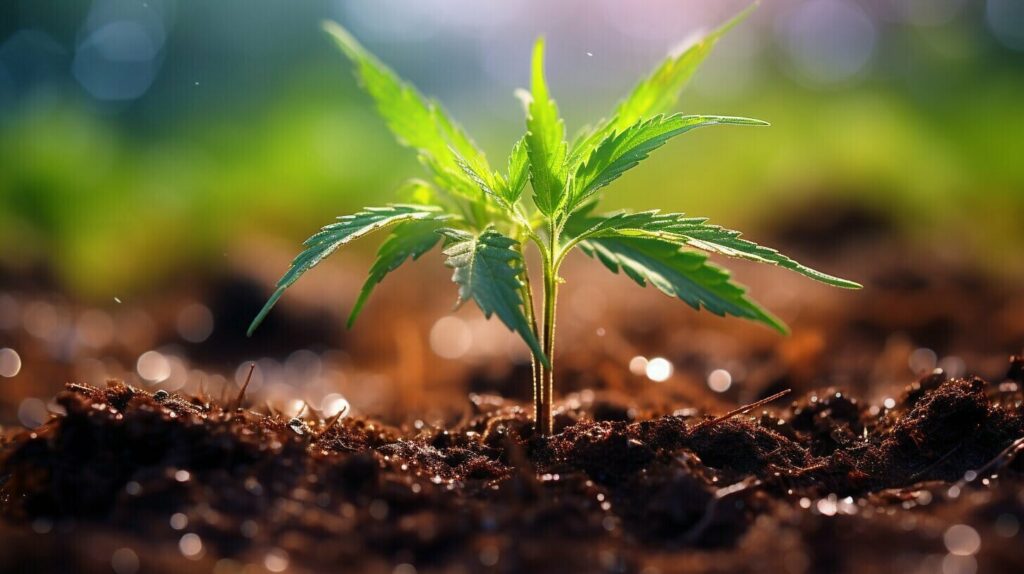
Soil has been the most common and traditional medium for growing cannabis. It is considered the most natural option and has been used for centuries to cultivate a variety of crops, including medicinal plants. For medical cannabis growers, soil offers certain benefits, but it also has limitations in terms of precision and control over the growing environment.
Advantages of Soil for Medical Cannabis
- Natural Nutrient Profile: Soil contains organic matter, beneficial microorganisms, and a range of natural nutrients. These components create a biologically rich environment that allows cannabis plants to grow steadily. Organic soil, in particular, is an excellent choice for medical cannabis, as it promotes healthier plants without the need for synthetic fertilizers or additives. This helps in cultivating plants that are free from harmful chemicals, which is crucial for medical cannabis.
- Ease of Use: Growing cannabis in soil is relatively simple and accessible, even for novice growers. Soil acts as a buffer, which means that nutrient imbalances or mistakes in watering can be more forgiving than in other mediums. This is beneficial for medical cannabis growers who may not have the experience needed to manage more complex systems like hydroponics.
- Improved Terpene Profile: Soil-grown cannabis often develops a more robust terpene profile, which contributes to the plant’s aroma and therapeutic effects. Terpenes play a critical role in enhancing the medicinal benefits of cannabis, especially for conditions such as pain, inflammation, and anxiety. Medical cannabis patients often benefit from strains with rich terpene profiles that improve the plant’s therapeutic potential.
- Environmental Sustainability: For growers looking to maintain organic and environmentally friendly practices, soil is a sustainable option. It requires less energy compared to hydroponic systems, which rely on electricity to run pumps and lights continuously.
Challenges of Soil for Medical Cannabis
- Nutrient Control: One of the main limitations of soil is the lack of precise control over nutrient delivery. Soil-grown cannabis can suffer from nutrient lockout or deficiencies, which can affect the plant’s cannabinoid concentration and overall health. For medical cannabis cultivation, where consistency and potency are critical, this can be a drawback.
- Longer Growth Cycle: Cannabis plants grown in soil typically have a longer growth cycle compared to those grown in coco or hydroponics. This can delay harvest times and extend the period before the plants are ready for medical use. For growers supplying cannabis for medical patients, this slower growth can limit the availability of medicine.
- Pest and Disease Risks: Soil can harbor pests, fungi, and pathogens that may threaten the health of cannabis plants. For medical cannabis, maintaining a pest-free, healthy growing environment is essential to avoid contamination or reduced yields. Soil-borne diseases can also introduce unwanted toxins into the plants, which is unacceptable for medical-grade cannabis.
Best Practices for Growing Medical Cannabis in Soil
- Use Organic Soil: Opt for organic soil that is rich in compost, earthworm castings, and other organic matter. This ensures that plants receive natural nutrients without exposure to synthetic chemicals that could impact the medical quality of the cannabis.
- Amend the Soil: Add beneficial amendments such as mycorrhizal fungi and kelp meal to improve soil health and promote root development. These amendments support plant growth and improve the cannabis plant’s ability to absorb nutrients, which is important for medical use.
- Monitor pH Levels: Soil has a natural buffer for pH levels, but it’s still important to maintain a pH range of 6.0 to 7.0 for cannabis. This ensures optimal nutrient uptake, which directly impacts the cannabinoid profile of the plants.
Coco Coir: A Versatile and Eco-Friendly Medium
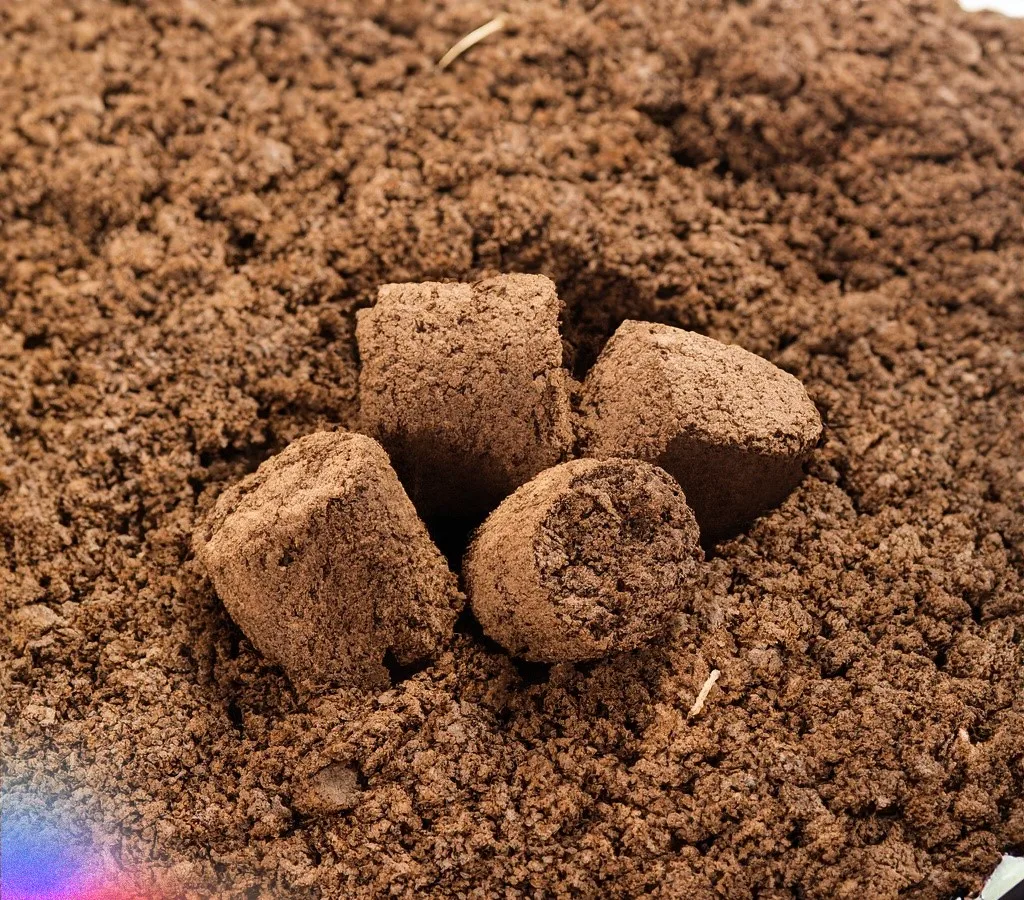
The fibrous husk of coconuts is used to make coco coir, which has become more and more popular as a cannabis growing medium in recent years. It is frequently thought of as a hybrid system that combines the benefits of hydroponics with soil gardening. For medical cannabis cultivation, coco coir can provide more control over nutrients and water than soil, while maintaining some of the organic feel that soil offers.
Advantages of Coco Coir for Medical Cannabis
- Improved Nutrient Control: Coco coir allows growers to have more precise control over nutrient delivery compared to soil. It is possible to add nutrients straight to the water, and because coco coir holds nutrients well, the plants will be able to absorb them more quickly. This is beneficial for medical cannabis growers who need to ensure consistent cannabinoid profiles across their crops.
- Enhanced Root Oxygenation: Coco coir provides excellent aeration for plant roots, promoting faster growth and stronger plants. Medical cannabis patients often require specific strains with higher concentrations of CBD or THC, and the improved root development in coco coir helps the plants produce these compounds in greater quantities.
- Sustainability: Coco coir is a renewable and eco-friendly medium. Unlike peat-based soil, which depletes natural resources, coco coir is a byproduct of the coconut industry and is fully sustainable. This makes it an excellent choice for medical cannabis growers looking to maintain environmentally conscious practices.
- Reduced Risk of Pests: Coco coir is generally free from pests and pathogens, reducing the risk of contamination in medical cannabis crops. In the medical industry, where the finished product needs to be pure and devoid of hazardous materials, this is particularly crucial.
Challenges of Coco Coir for Medical Cannabis
- Nutrient Leaching: While coco coir retains nutrients well, it can also leach calcium and magnesium, leading to deficiencies in cannabis plants. For medical cannabis growers, nutrient deficiencies can result in plants with lower cannabinoid levels or compromised therapeutic effects.
- pH Fluctuations: Coco coir can experience pH fluctuations, which may affect nutrient uptake. Maintaining a stable pH is crucial for medical cannabis plants to ensure that they develop the desired cannabinoid profile.
- Requires More Attention: Growing cannabis in coco coir requires more frequent watering and monitoring than soil. While it offers more control, it also demands more attention to detail, which can be a challenge for growers who need to maintain large-scale operations for medical patients.
Best Practices for Growing Medical Cannabis in Coco Coir
- Buffer the Coco Coir: Before planting, buffer the coco coir with calcium and magnesium to prevent deficiencies. This ensures that the plants receive all necessary nutrients, which is vital for producing high-quality medical cannabis.
- Monitor pH Levels Closely: Maintain a pH range of 5.5 to 6.5 in coco coir to optimize nutrient uptake. This range is slightly more acidic than soil, and maintaining it consistently helps ensure that the plants develop their full therapeutic potential.
- Use a Coco-Specific Nutrient Mix: Coco coir requires specific nutrient formulations that cater to its unique properties. Using a coco-specific nutrient mix helps prevent deficiencies and ensures that the plants receive the proper balance of nutrients.
Hydroponics: Maximum Control for Medical Cannabis
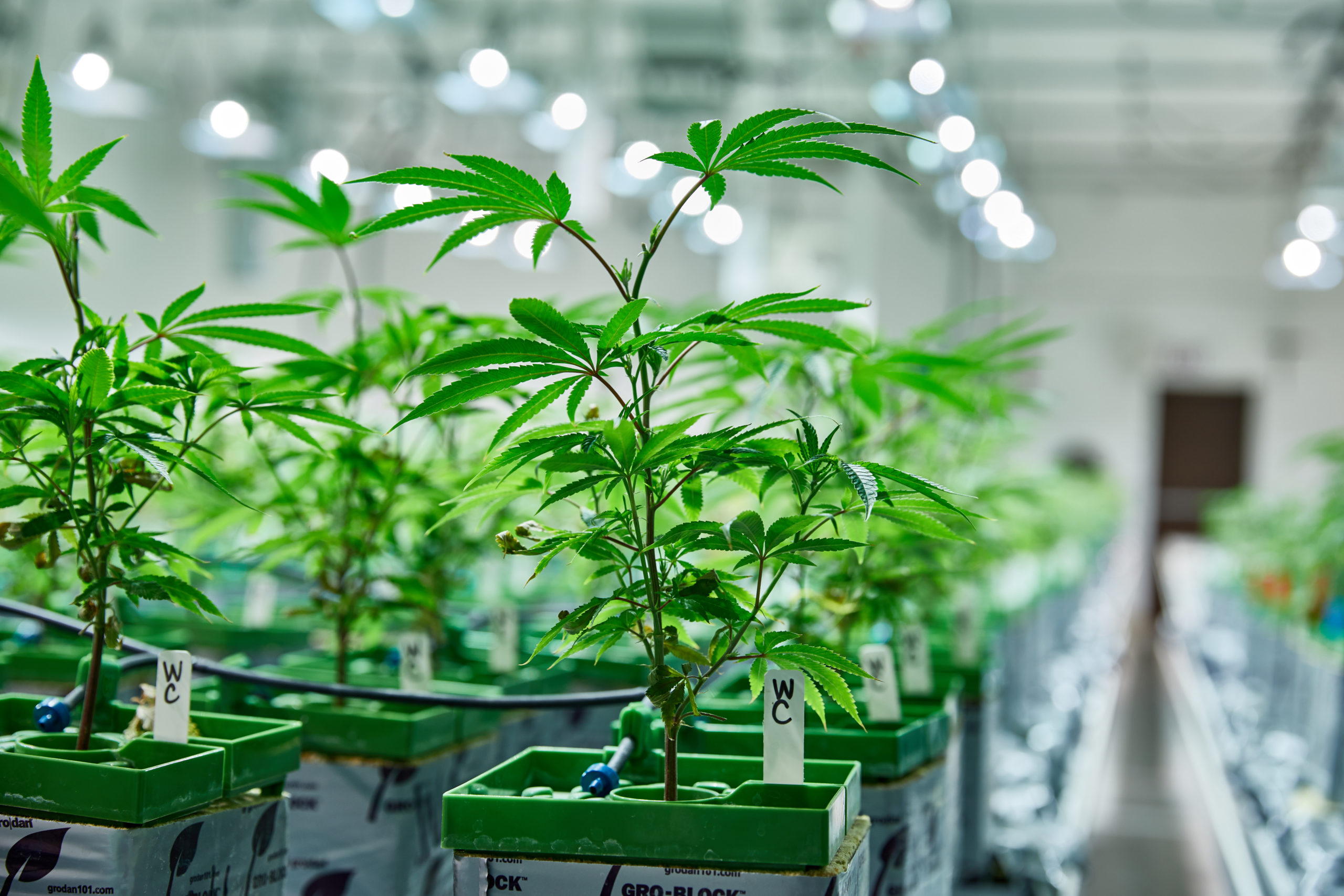
Cannabis plants are grown hydroponically, a soilless technique that includes submerging them in a nutrient-rich water solution. This method offers maximum control over the plant’s environment, allowing growers to fine-tune every aspect of the growing process. For medical cannabis cultivation, hydroponics provides the precision needed to produce consistent, high-quality crops, making it an attractive option for professional growers.
Advantages of Hydroponics for Medical Cannabis
- Precision in Nutrient Delivery: Hydroponic systems allow growers to control exactly how much and what type of nutrients the plants receive. This precision is especially important in medical cannabis cultivation, where the potency and purity of the final product must meet specific standards.
- Faster Growth: Cannabis plants grown hydroponically tend to grow faster and produce higher yields compared to soil or coco coir. For medical cannabis patients, faster growth means a quicker turnaround from seed to medicine, which can be critical for those relying on cannabis for relief from chronic conditions.
- Reduced Risk of Contamination: Hydroponic systems are less prone to pests and diseases, as they do not use soil, which can harbor harmful pathogens. This reduces the risk of contamination, ensuring that the final product is pure and safe for medical use.
- Water Efficiency: Hydroponics systems recirculate water, making them more efficient in water usage compared to soil or coco coir. This is beneficial for large-scale medical cannabis operations where water conservation is a priority.
Challenges of Hydroponics for Medical Cannabis
- High Initial Setup Cost: Hydroponic systems can be expensive to set up, requiring specialized equipment such as grow lights, pumps, and nutrient reservoirs. For medical cannabis growers, the upfront investment may be significant, though the long-term benefits in terms of yield and quality can offset these costs.
- Requires Technical Expertise: Managing a hydroponic system requires technical expertise, as growers need to monitor and adjust factors such as nutrient levels, pH, and water temperature. This level of complexity can be challenging for those new to medical cannabis cultivation or those without the necessary resources.
- Vulnerability to System Failures: In a hydroponic setup, plants are dependent on the system to deliver water and nutrients. If the system fails due to a power outage or pump malfunction, plants can suffer quickly. For medical cannabis patients relying on consistent supplies, any disruptions can impact the availability of their medicine.
Best Practices for Growing Medical Cannabis in Hydroponics
- Choose the Right System: Numerous hydroponic system types exist, such as drip systems, deep water culture (DWC), and nutrient film technology (NFT). Choose the system that best suits your growing space and the scale of your medical cannabis operation.
- Monitor Nutrient Levels Regularly: Regularly check and adjust the nutrient solution to ensure that plants are receiving the correct balance of nutrients. Automated systems can help monitor nutrient levels, reducing the risk of human error.
- Maintain Sterility: Maintain a sterile and clean hydroponic system to stop the formation of hazardous germs or algae. This ensures that the cannabis plants remain healthy and free from contaminants, which is critical for medical cannabis.
Restrictions on Growing and Using Cannabis in the Medical Field as a Last Resort
In the medical field, cannabis is typically restricted to being used as a last resort when conventional treatments have proven ineffective. This policy ensures that medical cannabis is not the first line of treatment, but an option when other methods fail to provide adequate relief. Medical cannabis may be authorized for conditions such as chronic pain, epilepsy, cancer, and multiple sclerosis, but only after other medications or therapies have been explored. These restrictions are enforced through stringent regulations, including patient eligibility criteria, doctor approvals, and strict monitoring of dosage and treatment outcomes.
Monitoring THC Levels in Medications to Prevent Psychoactive Effects
To prevent unwanted psychoactive effects in patients, especially those who do not seek or tolerate THC’s mind-altering properties, medical cannabis products are carefully monitored for their THC levels. Low-THC or THC-free products are often prescribed, especially for vulnerable populations such as children or the elderly. The ratio of CBD to THC is crucial, as higher CBD concentrations can counterbalance THC’s psychoactive effects. Medical regulations often mandate lab testing of cannabis-based medications to ensure they contain controlled THC levels, ensuring patient safety and minimizing the risk of psychoactive side effects.
Conclusion: Choosing the Right Grow Medium and Understanding Restrictions for Medical Cannabis
The choice of grow medium plays a crucial role in medical cannabis cultivation, influencing the health, yield, and therapeutic quality of the plants. Medical cannabis, grown for its medicinal properties, requires consistent cannabinoid and terpene profiles to meet the high standards of medical treatments. Whether using soil, coco coir, or hydroponics, growers must consider factors such as nutrient control, water retention, and root aeration to optimize plant growth. Each medium has its own advantages and challenges that must be weighed depending on the grower’s expertise, the scale of cultivation, and the specific needs of medical cannabis patients.
Soil, the traditional and organic choice, offers a more natural environment for plant growth. It is forgiving and easier to manage for beginners, providing plants with a rich blend of nutrients and organic compounds. However, soil-based growing can lead to slower growth and less precise nutrient control, which can be problematic for producing consistent medical cannabis yields. For medical purposes, particularly when growing strains aimed at specific therapeutic effects, the organic benefits of soil may not always outweigh its slower and less predictable results.
Coco coir serves as a middle ground between soil and hydroponics, offering the benefits of improved root aeration and nutrient control. Its sustainability, faster growth rates, and reduced risk of pests make it a popular choice for medical cannabis growers seeking to maximize plant health and yield while maintaining eco-friendly practices. However, coco coir requires more attention to detail, particularly regarding pH balance and nutrient supplementation, which may be challenging for less experienced growers.
Hydroponics, the most advanced of the three mediums, allows for the highest level of precision and control over the plant’s environment. Medical cannabis grown hydroponically can achieve faster growth cycles and higher yields, which are critical for providing consistent, high-quality medication to patients. However, hydroponic systems are costly to set up and maintain, requiring technical expertise and constant monitoring. For large-scale medical cannabis production, hydroponics may be the most efficient method, but it demands significant investment and operational resources.
In addition to the technical considerations of choosing the right grow medium, medical cannabis cultivation is subject to strict legal and regulatory restrictions. In many regions, cannabis can only be used for medical purposes as a last resort, meaning it is prescribed only after conventional treatments have failed. This guarantees that, for patients suffering from particular ailments like cancer, epilepsy, or chronic pain, cannabis will be an alternative rather than the first line of treatment.
The control of THC levels in drugs to prevent psychoactive effects is one of the most important parts of medicinal cannabis regulation. THC, the primary psychoactive compound in cannabis, can cause mind-altering effects that are undesirable or harmful for certain patients, especially children or the elderly. Therefore, medical cannabis products are subject to stringent testing to ensure they meet safety standards, with low-THC or high-CBD formulations often preferred. This approach ensures that patients receive the therapeutic benefits of cannabis without experiencing unwanted psychoactive side effects.
In conclusion, choosing the right grow medium—whether soil, coco coir, or hydroponics—can significantly impact the success of medical cannabis cultivation. Growers must consider the specific needs of their plants and patients, balancing ease of use, cost, and control. At the same time, understanding and adhering to legal restrictions, including the use of cannabis as a last resort and the strict monitoring of THC levels, is essential for ensuring that medical cannabis remains a safe and effective treatment option for patients. By carefully selecting the grow medium and complying with medical regulations, cultivators can help deliver high-quality cannabis that meets the therapeutic needs of those who depend on it.
