Table of Contents
Chocolope Kush is a potent hybrid cannabis strain known for its unique blend of flavors, high THC content, and diverse medicinal and recreational effects. Chocolope Kush is a cross between Chocolope and Kosher Kush, combining the chocolatey, earthy notes of Chocolope with the strong, indica-dominant effects of Kosher Kush. The result is a powerful hybrid that provides a balanced high, offering both cerebral stimulation and physical relaxation.
Genetic Lineage
- Parent Strains: Chocolope x Kosher Kush
- Strain Type: Hybrid (Sativa-dominant)
- THC Content: 18-24%
- CBD Content: <1%
- Terpene Profile: Myrcene, Limonene, Caryophyllene, Humulene
Scientific Profile
Cannabinoid Composition
Chocolope Kush is primarily high in THC, with levels ranging from 18% to 24%, making it a potent choice for both medicinal and recreational users. Its CBD content is relatively low, usually below 1%, which means it is not typically sought after for high-CBD therapeutic applications but rather for its euphoric and relaxing effects.
Other notable cannabinoids include:
- CBG (Cannabigerol): Found in small amounts, offering potential anti-inflammatory and neuroprotective benefits.
- CBC (Cannabichromene): Works synergistically with THC to enhance mood and pain relief.
Terpene Profile
Terpenes are aromatic compounds that contribute to the flavor and effects of cannabis strains. The dominant terpenes in Chocolope Kush include:
- Myrcene: Promotes relaxation and may enhance sedative effects.
- Limonene: Provides uplifting, mood-enhancing effects and a citrusy aroma.
- Caryophyllene: Offers anti-inflammatory benefits and a spicy, peppery taste.
- Humulene: Known for its appetite-suppressant properties.
Effects and Onset
- Onset: Fast-acting, typically felt within 5-10 minutes of consumption.
- Duration: 2-4 hours.
- Peak: 30-60 minutes after consumption.
Chocolope Kush delivers an initial cerebral rush that elevates mood, boosts energy, and enhances creativity. As the high progresses, users experience deep relaxation and body sedation, making it a well-rounded strain for both daytime and evening use.
Medical Uses
Psychological Benefits
Depression
Chocolope Kush’s uplifting properties make it highly effective for individuals struggling with depression. The euphoria-inducing effects of THC and limonene work together to enhance mood, reduce stress, and combat feelings of sadness.
Anxiety & PTSD
With its ability to promote relaxation without excessive sedation, Chocolope Kush is used to manage anxiety and PTSD symptoms. The presence of myrcene and caryophyllene helps calm the nervous system and reduce stress responses.
ADHD & Focus Disorders
The cerebral stimulation provided by Chocolope Kush can improve focus and mental clarity, making it a suitable option for individuals with ADHD. The energetic effects can enhance productivity while preventing over-sedation.
Physical Benefits
Pain Relief
Chocolope Kush’s anti-inflammatory and analgesic properties make it a powerful pain reliever. It is commonly used to alleviate:
- Chronic pain (arthritis, migraines, back pain)
- Neuropathic pain (nerve-related discomfort)
- Muscle spasms and cramps
Appetite Stimulation
While not as potent as some indica-dominant strains, Chocolope Kush can stimulate appetite, making it advantageous for individuals with eating issues or those receiving chemotherapy.
Insomnia
Although not a heavy sedative, Chocolope Kush’s relaxing properties can help users unwind before bedtime, leading to improved sleep quality.
Recreational Uses
Mood Enhancement
One of the most popular recreational uses of Chocolope Kush is mood enhancement. The combination of THC and limonene creates a euphoric high that is ideal for social situations, artistic endeavors, or just relaxing after a demanding day.

Creativity Boost
Artists, writers, and musicians often seek out Chocolope Kush for its ability to enhance creativity. The stimulating cerebral effects make it easier to brainstorm new ideas and explore different artistic expressions.
Social Interaction
Chocolope Kush’s uplifting nature makes it ideal for social gatherings. Users often report feeling talkative, giggly, and more engaged in conversations.
Outdoor Activities
Because of its energizing effects, Chocolope Kush is great for outdoor activities such as hiking, biking, or a day at the beach. It keeps the body active while promoting a positive mindset.
Potential Side Effects
Like all cannabis strains, Chocolope Kush comes with some potential side effects, particularly for novice users or those sensitive to THC.
Common Side Effects:
- Dry Mouth & Dry Eyes: Staying hydrated can help mitigate these effects.
- Dizziness: Higher doses may cause dizziness, especially in those with low THC tolerance.
- Paranoia & Anxiety: Some users, especially those prone to anxiety, may experience heightened paranoia or nervousness at higher doses.
- Increased Heart Rate: Users with heart conditions should consume with caution.
Best Consumption Methods
Smoking
- Pros: Effects right away and dosage control is simple.
- Cons: Can be harsh on the lungs, produces strong odor.
Vaporizing
- Pros: Preserves terpenes better, smoother inhalation.
- Cons: Requires a vaporizer, can be expensive.
Edibles
- Pros: Long-lasting effects, discreet consumption.
- Cons: Slow onset (30-90 minutes), harder to control dosage.
Tinctures & Oils
- Pros: Precise dosing, versatile application.
- Cons: May take longer to feel effects compared to smoking or vaping.
Growing Information
Cultivating Chocolope Kush requires specific scientific techniques to maximize yield, potency, and terpene production. Below are the best scientific methods and practices for growing this strain:
Environmental Requirements
Ideal Climate
- Temperature: 70-80°F (21-27°C) during the vegetative stage; slightly lower at 65-75°F (18-24°C) during flowering.
- Humidity: 50-60% in veg; 40-50% in flower to prevent mold.
- Lighting: High-intensity discharge (HID) lights (HPS or LED) for indoor grows.
- Soil pH: 6.0 – 6.5 for optimal nutrient absorption.
Outdoor vs. Indoor Growing
- Indoor: More control over temperature, humidity, and pests; requires proper ventilation.
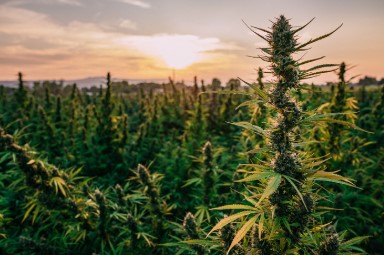
- Outdoor: Ideal in Mediterranean climates with dry, warm weather.
Germination & Seedling Stage
- Preferred Method: Paper towel germination or direct soil planting.
- Temperature: 70-75°F (21-24°C) for optimal seed sprouting.
- Light Schedule: 18/6 (18 hours of light, 6 hours of dark).
- Nutrients: Low nitrogen to avoid nutrient burn.
Vegetative Growth (Weeks 3-8)
Nutrient Profile
- Nitrogen (N): High for healthy leaf development.
- Phosphorus (P): Moderate for strong root systems.
- Potassium (K): Moderate to promote disease resistance.
- Calcium & Magnesium: Prevents deficiencies and enhances plant structure.
Techniques for Strong Vegetative Growth
- Topping & Fimming: Increases canopy density, leading to more bud sites.
- Low-Stress Training (LST): Bends branches to expose lower buds to light.
- SCROG (Screen of Green): A net is used to train plants for maximum yield.
4. Flowering Stage (Weeks 8-10)
Key Changes in Nutrients
- Reduce Nitrogen: Prevents excessive leafy growth.
- Increase Phosphorus & Potassium: Enhances bud production and resin development.
- Flush Nutrients (Last 1-2 Weeks): Removes excess salts for a smoother smoke.
Scientific Methods to Boost Trichomes & Terpenes
- UVB Lighting: Studies show UVB exposure increases THC and terpene production.
- Temperature Drops: Lowering temp by 5-10°F at night increases anthocyanin production, enhancing colors and flavors.
- CO₂ Enrichment: Boosting CO₂ levels to 1,200-1,500 ppm can increase yield by 20-30%.
5. Harvesting & Curing
Signs of Readiness
- Trichome Color: Milky-white for peak potency; amber for a more sedative effect.
- Pistil Changes: At least 70-80% of the hairs should darken and curl inward.
Proper Harvesting & Drying
- Drying Conditions: 60°F (15°C) at 50% humidity.
- Drying Time: 7-10 days, ensuring slow moisture removal.
- Curing Process: Store buds in airtight glass jars, burping them daily for the first two weeks to enhance flavor and potency.
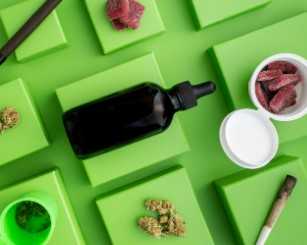
Methods of Ingestion and Their Scientific Effects
Smoking (Combustion)
- Onset: 1 to 5 minutes
- Peak Effects: 20 to 45 minutes
- Duration: 2 to 3 hours
- Bioavailability: Approximately 30 percent, varying based on lung efficiency
Scientific Mechanism:
- When cannabis is combusted, cannabinoids like THC and CBD are decarboxylated, converting THCA to active THC.
- Upon inhalation, THC enters the pulmonary circulation, rapidly passing through the alveoli into the bloodstream.
- Since the lungs provide a direct pathway to the brain, effects are felt within minutes.
- Peak plasma concentration is reached in about 10 minutes, leading to a fast and intense high.
- Due to the high temperatures, some terpenes may degrade, slightly altering the experience compared to vaping.
Vaping (Inhalation without Combustion)
- Onset: 1 to 5 minutes
- Peak Effects: 15 to 30 minutes
- Duration: 2 to 4 hours
- Bioavailability: Approximately 50 to 60 percent, making it more efficient than smoking
Scientific Mechanism:
- Vaporizers heat Chocolope Kush below combustion levels, typically between 350 and 400 degrees Fahrenheit (175 to 200 degrees Celsius), preserving terpenes and cannabinoids.
- Studies suggest that vaporized THC is absorbed more efficiently than combusted THC, leading to stronger effects per dose.
- Produces fewer toxic byproducts compared to smoking, making it a healthier alternative.
Edibles (Oral Ingestion)
- Onset: 30 to 90 minutes
- Peak Effects: 2 to 4 hours
- Duration: 6 to 8 hours, sometimes lasting up to 12 hours in high doses
- Bioavailability: Approximately 4 to 12 percent due to first-pass metabolism
Scientific Mechanism:
- THC is processed via the digestive system and liver metabolism.
- When ingested, THC is converted to 11-hydroxy-THC, a metabolite that is stronger and longer-lasting than delta-9-THC.
- The liver’s metabolic enzymes, particularly CYP2C9 and CYP3A4, play a major role in breaking down THC.
- This conversion leads to a delayed but more potent psychoactive experience, with effects that can last much longer than inhalation methods.
Sublingual Consumption (Tinctures and Oils)
- Onset: 15 to 45 minutes
- Peak Effects: 1 to 2 hours
- Duration: 4 to 6 hours
- Bioavailability: Approximately 20 to 35 percent
Scientific Mechanism:
- The mucosal membranes beneath the tongue allow cannabinoids to enter the bloodstream immediately.
- Unlike edibles, this method bypasses the first-pass metabolism, allowing THC to reach the bloodstream faster.
- This results in a quicker onset than edibles but a longer duration than inhalation methods.
Topical Application (Creams, Lotions, and Patches)
- Onset: 10 to 60 minutes (varies by formulation)
- Peak Effects: 1 to 2 hours
- Duration: 4 to 8 hours
- Bioavailability: Variable, depending on formulation and skin permeability
Scientific Mechanism:
- When applied to the skin, cannabinoids interact with CB1 and CB2 receptors in the endocannabinoid system without entering the bloodstream.
- Transdermal patches allow for a slow and controlled release of cannabinoids into the bloodstream over time.
- Unlike other methods, topicals provide localized relief without psychoactive effects unless they contain permeation enhancers that allow THC to enter the bloodstream.
Factors Affecting Onset and Duration
Metabolism and Individual Differences
- Liver enzymes (CYP450 family) play a major role in how THC is metabolized.
- Individuals with faster metabolism experience shorter-lasting effects, whereas those with slower metabolism experience prolonged effects.
Tolerance Levels
- Frequent cannabis users develop higher tolerance, leading to shorter duration and reduced intensity.
- New users or those with low tolerance experience longer-lasting and more potent effects.
Food Intake and Fat Content
- Consuming edibles on an empty stomach leads to faster absorption but potentially higher psychoactivity.
- Eating edibles with fatty foods enhances THC absorption due to its lipophilic nature, increasing potency and bioavailability.
Final Thoughts
Chocolope Kush is a well-balanced hybrid with a delightful flavor profile, potent effects, and versatile applications. Whether you seek relaxation, mood enhancement, pain relief, or creative inspiration, this strain offers a satisfying experience. However, due to its high THC content, beginners should start with low doses to avoid unwanted side effects.
Best For:
Creative projects
Socializing
Mood enhancement
Chronic pain relief
Anxiety & stress reduction
Not Ideal For:
Low THC tolerance users
Those prone to paranoia
Individuals with heart conditions
If you’re looking for a strain that combines the best of energy, relaxation, and therapeutic benefits, Chocolope Kush is a top contender!
For a complete directory of cultivars, visit our Cannabis Strain Reviews.
