Table of Contents
Chocolate Chunk is an Indica-dominant cannabis strain celebrated for its powerful sedative effects, unique flavor profile, and diverse medicinal and recreational applications. Cultivated by T.H.Seeds, this strain is known for its robust genetics and pure Indica lineage. Below is an in-depth exploration of Chocolate Chunk, covering its characteristics, cultivation, effects, and specific uses, along with a scientific understanding of its properties.
Genetic Lineage and Appearance
Chocolate Chunk is a pure Indica strain derived from Afghani landrace genetics. This lineage gives it a strong foundation of resilience and potency, traits often associated with cannabis strains of Afghan origin. The plants are typically short and bushy, making them ideal for indoor cultivation.
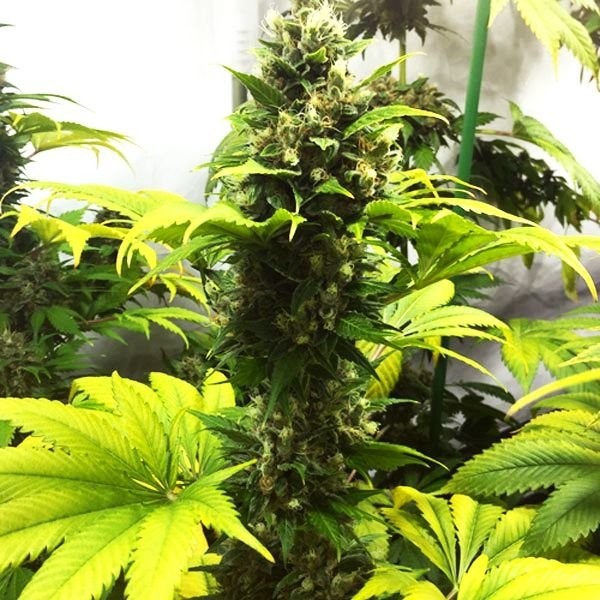
Appearance:
- Buds: Dense and chunky, as its name suggests, Chocolate Chunk produces medium to large-sized buds that are heavily coated in trichomes.
- Color: Its deep green foliage is often accented by hues of purple, particularly when exposed to cooler temperatures during flowering.
- Trichomes: A frosty layer of resinous trichomes blankets the buds, making them visually appealing and rich in cannabinoids.
Flavor and Aroma Profile
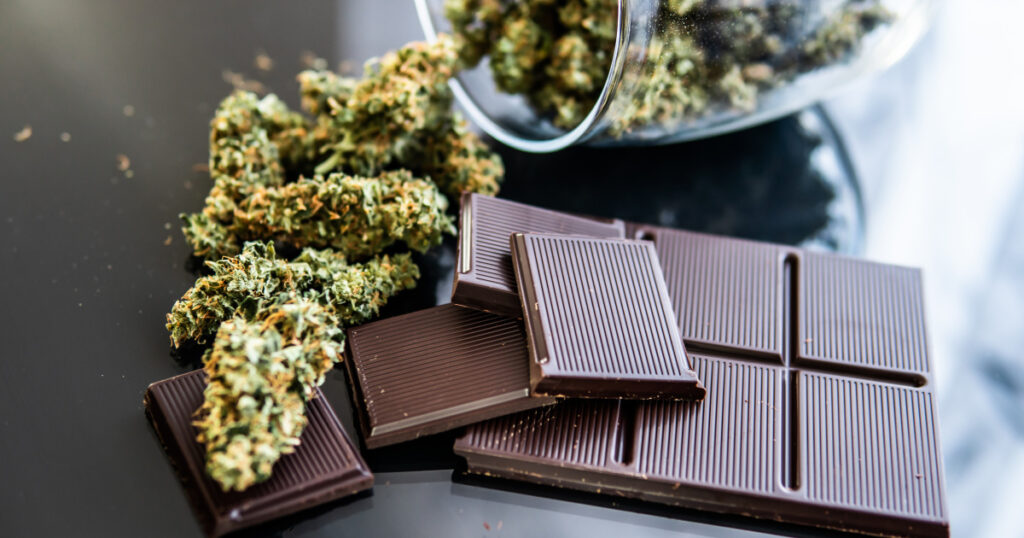
Chocolate Chunk is renowned for its dessert-like flavor and aroma, which has contributed to its popularity among cannabis connoisseurs.
- Flavor: True to its name, the strain offers a rich, chocolatey taste with earthy undertones. Some users detect hints of vanilla and a nutty sweetness on the exhale.
- Aroma: The fragrance is equally enticing, blending the scent of cocoa with woody and herbal notes. When combusted, the aroma intensifies, creating a warm, inviting atmosphere.
Cannabinoid and Terpene Profile
Chocolate Chunk’s effects and therapeutic potential can be attributed to its robust cannabinoid and terpene profile. While lab results may vary slightly across batches, the following is a general representation of its chemical composition:
- THC: Typically ranges between 18% and 22%, offering potent psychoactive effects.
- CBD: Usually less than 1%, indicating minimal psychoactive buffering but sufficient for mild therapeutic effects.
- Terpenes:
- Myrcene: Contributes to the earthy scent and sedative effects of the strain.
- Caryophyllene: Adds a peppery spice and offers anti-inflammatory benefits.
- Limonene: Provides a subtle citrus note and uplifts mood.
- Humulene: Offers earthy, woody flavors and potential appetite-suppressing effects.
Effects and Recreational Uses
Chocolate Chunk is a quintessential Indica strain, delivering profound relaxation and a sense of tranquility. It is best suited for evening or nighttime use due to its sedative effects.

- Initial Effects: A gentle cerebral uplift may precede the strain’s more pronounced physical effects, often characterized by a calm, euphoric sensation.
- Body High: The strain’s Indica dominance becomes apparent with a heavy, body-centered relaxation. Muscle tension melts away, and a sense of couch-lock is common.
- Recreational Uses:
- Relaxation: Ideal for unwinding after a stressful day.
- Social Settings: Despite its sedative nature, Chocolate Chunk can promote light-hearted, relaxed conversations when used in moderation.
- Creative Activities: Some users report enhanced focus for low-energy creative tasks, such as drawing or journaling.
Medical Applications
Chocolate Chunk has garnered attention for its therapeutic potential, offering relief for a variety of conditions. Its high THC content and sedative effects make it a valuable option for patients seeking physical and mental relief.
Physical Ailments:
- Chronic Pain: The strain’s potent analgesic properties help alleviate persistent pain conditions such as arthritis, migraines, and fibromyalgia.
- Insomnia: Chocolate Chunk’s deeply sedative effects make it a go-to strain for individuals struggling with sleep disorders.
- Muscle Spasms and Tension: Its relaxing properties help reduce muscle stiffness and spasms, benefiting those with conditions like multiple sclerosis or post-workout soreness.
Mental Health:
- Anxiety and Stress: The calming effects can ease symptoms of anxiety and chronic stress without causing overwhelming cerebral stimulation.
- Depression: Although Indica strains are typically associated with relaxation rather than mood elevation, the mild euphoria Chocolate Chunk induces can help combat depressive symptoms.
Other Applications:
- Appetite Stimulation: While not as appetite-inducing as some other strains, Chocolate Chunk can still help people who are experiencing appetite loss as a result of illnesses or medical treatments.
Scientific Insights
The efficacy of Chocolate Chunk in managing various conditions can be attributed to its pharmacological interactions within the endocannabinoid system (ECS).
- THC Interaction:
- Binds to CB1 receptors in the brain, influencing pain perception, appetite, and mood.
- Promotes dopamine release, contributing to feelings of euphoria and relaxation.
- Terpenes Synergy:
- Myrcene enhances the permeability of cell membranes, potentially increasing THC’s effects.
- Caryophyllene’s interaction with CB2 receptors provides anti-inflammatory benefits, complementing THC’s analgesic properties.
Scientific Approach to Cultivating Chocolate Chunk
1. Germination and Seedling Stage
- Optimal Conditions:
- Temperature: 70-85°F (21-29°C).
- Humidity: 65-70%.
- Lighting: 18-24 hours of light per day using LED or fluorescent grow lights.
- Seed Treatment: Pre-soak seeds in distilled water for 12-24 hours to enhance germination rates. Some cultivators also use a light hydrogen peroxide solution to prevent fungal growth.
- Medium: Use a light, aerated starter soil or peat plugs with a pH of 6.0-6.5 for seedlings.
2. Vegetative Growth
- Light Cycle: Maintain an 18/6 light schedule (18 hours of light, 6 hours of darkness).
- Nutrients: Focus on nitrogen-rich fertilizers during this phase. A typical NPK ratio for vegetative growth is 3-1-2.
- Temperature & Humidity:
- Daytime: 75-85°F (24-29°C).
- Nighttime: 65-70°F (18-21°C).
- Humidity: 50-70% (gradually reducing towards the flowering stage).
- Pruning and Training:
- Low-Stress Training (LST): Gently bend and secure branches to improve light penetration and airflow.
- Topping/FIMing: Remove the top growth to encourage bushier plants and higher yields.
- Scientific Note: During vegetative growth, plants rely heavily on photosynthesis. Enhancing light spectrum in the blue range (~450nm) promotes leaf and stem growth.
3. Flowering Stage
- Light Cycle: Switch to a 12/12 light cycle (12 hours of light and 12 hours of darkness). Darkness should be uninterrupted to avoid stress and hermaphroditism.
- Nutrient Focus: Shift to phosphorus- and potassium-rich nutrients with an NPK ratio of 1-3-2.
- Temperature & Humidity:
- Daytime: 70-80°F (21-27°C).
- Nighttime: 60-70°F (15-21°C).
- Humidity: 40-50% to prevent mold development.
- CO2 Enrichment: Adding CO2 to the grow room (up to 1,200-1,500 ppm) can boost bud density and overall yield.
- Defoliation: Carefully remove excess leaves to improve light penetration and airflow around the buds.
- Terpene Optimization: Slight temperature drops during nighttime (~5-10°F cooler) enhance terpene production, particularly myrcene and caryophyllene.
4. Harvesting
- Trichome Observation:
- Use a magnifier or microscope to monitor trichome development.
- For a sedative effect, harvest when most trichomes are cloudy with some amber.
- Flushing: Stop feeding nutrients 1-2 weeks before harvest and flush the plants with pure water to remove residual salts, enhancing flavor and smoothness.
- Harvest Timing: Preferably early in the morning when cannabinoid and terpene levels are at their peak.
5. Drying and Curing
- Drying:
- Temperature: 60-70°F (15-21°C).
- Humidity: 50-60%.
- Hang buds upside down in a dark, well-ventilated space for 7-14 days.
- Curing:
- Place dried buds in airtight jars, opening them daily for the first 1-2 weeks to release moisture and allow oxygen exchange.
- Maintain humidity levels in jars at 55-65% using humidity packs if needed.
- Cure for at least 4 weeks to develop optimal flavor and potency.
Advanced Cultivation Techniques
Hydroponic Systems
- Nutrient Film Technique (NFT): Thin streams of nutrient-rich water flow over the roots, providing consistent feeding.
- Deep Water Culture (DWC): Roots are suspended in oxygenated water, enhancing growth rates due to direct nutrient uptake.
- Scientific Advantage: Hydroponics allows precise control over nutrient delivery, reducing waste and optimizing growth for high-yield Chocolate Chunk plants.
Soil vs. Soilless Media
- Soil: Organic soil enriched with compost provides natural microbial activity that enhances terpene production.
- Soilless: Coco coir or rock wool offers better root aeration and faster nutrient uptake.
- pH Management: Maintain pH at 6.0-6.5 for soil and 5.5-6.0 for soilless media to optimize nutrient availability.
Environmental Control
- Humidity Regulation: Use dehumidifiers during flowering to prevent mold.
- Air Circulation: Oscillating fans help prevent hotspots and reduce the risk of pest infestations.
- Light Spectrums: Full-spectrum LED lights simulate natural sunlight, but adding red wavelengths (~660nm) during flowering enhances bud development.
Potential Side Effects
Like all cannabis strains, Chocolate Chunk may cause side effects, particularly when consumed in large quantities.
- Dry Mouth and Eyes: Common with THC-rich strains; hydration can help mitigate these effects.
- Drowsiness: While beneficial for insomnia, excessive consumption may result in extreme lethargy.
- Paranoia: Rare but possible in individuals sensitive to THC.
Consumer Reviews and Popularity
Chocolate Chunk has consistently received positive feedback from users, who praise its effectiveness in promoting relaxation and sleep. Its unique flavor profile also makes it a favorite among cannabis enthusiasts.
Commonly Highlighted Benefits:
- Reliable sedative effects.
- Unique and enjoyable flavor.
- Efficacy in managing chronic pain and insomnia.
Conclusion
Chocolate Chunk is a standout Indica strain that combines potent therapeutic effects with an indulgent flavor profile. Whether used for relaxation, pain relief, or sleep support, it offers a reliable and pleasant experience for both recreational and medical users. Its robust genetic lineage and ease of cultivation further enhance its appeal, ensuring its place as a favorite among cannabis enthusiasts and growers.
For a complete directory of cultivars, visit our Cannabis Strain Reviews.
