Table of Contents
Cherry OG is a unique and well-balanced hybrid cannabis strain that combines the genetics of Cherry Thai, Afghani, and Lost Coast OG. Known for its sweet cherry aroma with earthy and diesel undertones, this strain offers a well-rounded experience suitable for both recreational and medical users. With its balanced effects, Cherry OG provides a combination of mental stimulation and physical relaxation, making it popular among cannabis enthusiasts and patients alike.
This document delves deep into the origins, chemical composition, terpene profile, pharmacological effects, and both medical and recreational applications of Cherry OG. Additionally, it presents scientific insights into how the cannabinoids and terpenes present in this strain contribute to its overall effects.
Origins and Genetics
Lineage and Breeding
Cherry OG is a hybrid strain with a genetic composition derived from:
- Cherry Thai – A sativa-dominant strain known for its uplifting and cerebral effects, along with a distinct cherry-like aroma.
- Afghani – A classic indica strain contributing deep relaxation, potent sedative effects, and earthy flavors.
- Lost Coast OG – A variant of OG Kush that adds to the strain’s potency, piney aroma, and euphoric qualities.
This combination creates a unique hybrid that exhibits both indica and sativa characteristics, making it a well-rounded strain suitable for a variety of uses.
Physical Characteristics
- Appearance: Buds of Cherry OG tend to be medium to large in size, featuring a dense structure. The nugs are typically dark green with orange pistils and a thick coating of trichomes.
- Aroma: Sweet and fruity with dominant cherry notes, complemented by an earthy, skunky, and diesel undertone.
- Flavor Profile: A smooth and enjoyable smoking experience with flavors of sweet cherries, citrus, and a hint of pine and spice.
Chemical Composition
The chemical profile of Cherry OG consists of cannabinoids, terpenes, and flavonoids that contribute to its overall effects and benefits.
Cannabinoid Content
- THC: 18-24% (Varies by phenotype and cultivation conditions)
- CBD: <1% (Minimal, making it primarily a THC-dominant strain)
- CBG: 0.5-1%
- Other Minor Cannabinoids: CBC, THCV, and CBN in trace amounts
Terpene Profile
Terpenes are responsible for the strain’s aroma, flavor, and certain pharmacological effects. The primary terpenes found in Cherry OG include:
- Myrcene: (Herbal, musky) – Sedative, analgesic, and anti-inflammatory properties.
- Limonene: (Citrus) – Mood-enhancing, stress-relieving, and antimicrobial effects.
- Caryophyllene: (Peppery, spicy) – Anti-inflammatory, pain relief, and potential endocannabinoid system interactions.
- Pinene: (Pine) – Bronchodilator, anti-inflammatory, and cognitive enhancement.
Pharmacological Effects
Cherry OG provides a balanced effect profile, combining cerebral stimulation with full-body relaxation.

Effects and Duration
- Onset: Within 5-10 minutes (when smoked or vaped)
- Peak Effects: 30-60 minutes post-consumption
- Duration: 2-4 hours
- Aftereffects: Mild dry mouth, dry eyes, potential drowsiness at high doses
Psychoactive and Physiological Effects
- Euphoria: Initial cerebral euphoria that uplifts mood and enhances creativity.
- Relaxation: As the high progresses, physical relaxation takes over, making it suitable for stress relief and muscle relaxation.
- Focus and Energy: At lower doses, Cherry OG can promote focus and productivity.
- Sedation: Higher doses may lead to couch-lock and drowsiness, particularly in users with low THC tolerance.
Medical Applications
Cherry OG has a variety of medicinal applications, primarily due to its cannabinoid and terpene content.

1. Pain Management
- The presence of THC and beta-caryophyllene contributes to analgesic effects, making Cherry OG effective for chronic pain, migraines, muscle spasms, and arthritis.
2. Mental Health Disorders
- Depression and Anxiety: Limonene provides mood-enhancing properties, which may help alleviate symptoms of depression and anxiety.
- PTSD: The strain’s calming effects can help mitigate hyperarousal symptoms associated with PTSD.
- ADHD: Low doses may enhance focus and concentration due to the sativa lineage.
3. Sleep Disorders
- Myrcene and THC work together to promote sedation, making Cherry OG beneficial for individuals with insomnia or sleep disturbances.
4. Appetite Stimulation
- The strain’s interaction with the CB1 receptors in the endocannabinoid system may trigger hunger, making it helpful for patients undergoing chemotherapy or dealing with appetite loss from medical conditions.
5. Anti-Inflammatory Benefits
- Cherry OG’s terpenes, particularly myrcene and caryophyllene, contribute to its anti-inflammatory properties, which can be advantageous for ailments including fibromyalgia and Crohn’s disease.
Recreational Uses
Cherry OG is widely appreciated in the recreational cannabis community due to its versatile effects.
1. Social Settings
- The uplifting and euphoric effects make it a great strain for social gatherings and engaging conversations.
- It is perfect for artistic undertakings since it fosters creativity.
2. Outdoor and Physical Activities
- At moderate doses, Cherry OG can provide an energy boost that makes it suitable for hiking, yoga, or light workouts.
3. Evening and Relaxation
- Higher doses lead to deep relaxation and couch-lock, making it a popular choice for unwinding after a long day.
- Suitable for movie nights, gaming, or listening to music.
Cultivation Information
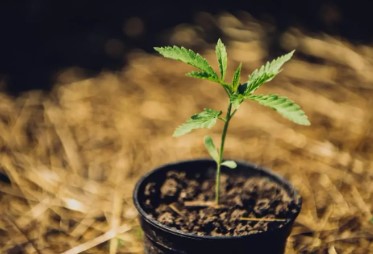
Cherry OG, like any cannabis strain, thrives under specific environmental conditions that optimize its cannabinoid and terpene profiles. Below are the key scientific methods used for cultivating Cherry OG, focusing on genetics, growth conditions, nutrient management, pest control, and harvesting techniques.
Genetic Stability and Selection
Before cultivation, growers must ensure that they are working with stable Cherry OG genetics to maintain the strain’s characteristic effects and flavors.
- Phenotype Selection: Cherry OG exhibits some genetic variation due to its hybrid nature. Selecting phenotypes with the best combination of THC levels, terpene production, and bud structure is crucial for a high-quality crop.
- Cloning vs. Seeds:
- Cloning: Ensures genetic consistency across plants and preserves desirable traits.
- Seeds: May result in phenotype variation but allow for potential improvements via selective breeding.
Optimal Growing Environment
Cherry OG can be cultivated in both indoor and outdoor settings, but each method has different scientific requirements.
Indoor Cultivation (Controlled Environment Agriculture – CEA)
- Lighting:
- Vegetative Stage: 18-20 hours of light per day (LEDs or HPS lights with full-spectrum output).
- Flowering Stage: 12 hours of light per day to trigger bud development.
- Temperature & Humidity:
- Vegetative Stage: 70-78°F (21-26°C), 55-70% RH (Relative Humidity)
- Flowering Stage: 65-75°F (18-24°C), 40-50% RH (to prevent mold and mildew)
- Air Circulation & CO₂ Enrichment:
- Fans and exhaust systems are used to prevent mold growth and enhance CO₂ levels to 1000-1500 ppm (Parts Per Million), increasing photosynthesis and bud size.
Outdoor Cultivation
- Climate Requirements: Cherry OG prefers a Mediterranean climate with warm temperatures (65-85°F).
- Soil Composition: A well-draining loamy soil with pH between 6.0-6.5 is ideal.
- Sunlight Exposure: Needs 8-10 hours of direct sunlight for maximum photosynthetic efficiency.
Nutrient and Soil Management
Cherry OG requires a balanced nutrient regimen to achieve optimal growth and potency.
Macronutrients
- Nitrogen (N): Essential for vegetative growth, promotes lush leaves and strong stems.
- Phosphorus (P): Vital during flowering, encourages root development and bud formation.
- Potassium (K): Strengthens plant immunity and improves terpene production.
Micronutrients
- Calcium (Ca) & Magnesium (Mg): Prevents deficiencies leading to yellowing leaves.
- Iron (Fe) & Zinc (Zn): Supports chlorophyll production and enzymatic reactions.
Soil Amendments & Organic Supplements
- Mycorrhizal Fungi: Enhances root nutrient absorption.
- Compost Teas & Molasses: Improves microbial activity in soil.
- Silica Supplements: Strengthens plant cell walls for better pest and disease resistance.
Hydroponic vs. Soil Cultivation
Cherry OG can be grown in either soil or hydroponic systems.
Hydroponics (Soilless Cultivation)
- Advantages:
- Faster growth and higher yield potential due to direct nutrient absorption.
- Lower risk of soil-borne pests and diseases.
- Common Systems:
- Deep Water Culture (DWC): Roots are suspended in a nutrient-rich oxygenated water solution.
- Nutrient Film Technique (NFT): Thin film of nutrient solution flows over roots for constant feeding.
Soil Cultivation
- Advantages:
- Enhances terpene profile and aroma due to the complex interactions with soil microbes.
- More forgiving for beginner growers since it retains nutrients longer.
Pest and Disease Management
Scientific methods of Integrated Pest Management (IPM) help protect Cherry OG plants from common pests and diseases.
Common Pests:
- Spider Mites: Thrive in warm, dry conditions. Managed with neem oil or predatory insects (ladybugs, predatory mites).
- Aphids & Whiteflies: Can be controlled with insecticidal soap or neem oil.
- Fungus Gnats: Caused by overwatering. Managed using sticky traps and hydrogen peroxide soil treatment.
Common Diseases:
- Powdery Mildew: Prevented by maintaining RH below 50% and ensuring proper air circulation.
- Bud Rot (Botrytis): Avoided by keeping humidity low during flowering and using biological fungicides like Bacillus subtilis.
Flowering and Harvesting Techniques
Cherry OG takes approximately 8-10 weeks to flower under optimal conditions.
Pre-Harvest Preparation
- Flushing: 10-14 days before harvest, growers flush plants with pH-balanced water to remove excess nutrients, improving the flavor of the buds.
- Trichome Maturity Check:
- Clear Trichomes: Too early to harvest.
- Milky Trichomes: Peak THC potency, best for balanced effects.
- Amber Trichomes: Higher CBN levels, best for sedative effects.
Harvesting Methods
- Hand-Trimming vs. Machine Trimming:
- Hand-Trimming: Preserves terpenes and cannabinoid-rich trichomes.
- Machine Trimming: Faster but can damage delicate trichomes.
- Drying & Curing Process:
- Drying: Hang buds in a dark, cool, well-ventilated space at 60-70°F and 45-55% RH for 7-10 days.
- Curing: Store buds in airtight glass jars at 60-65% RH for 2-4 weeks to enhance flavor, potency, and smoothness.
Yield and Quality Control
- Indoor Yield: 12-16 oz per square meter.
- Outdoor Yield: 16-20 oz per plant (depending on conditions).
- Quality Testing:
- THC & Terpene Testing: Labs use HPLC (High-Performance Liquid Chromatography) to measure cannabinoid levels.
- Moisture Content: Ideal bud moisture is 8-12% to prevent mold growth.
Scientific Insights
Endocannabinoid System Interactions
Cherry OG’s effects can be explained by its interaction with the endocannabinoid system (ECS):
- CB1 Receptors (Brain & Central Nervous System): THC binds to CB1 receptors, leading to mood enhancement, pain relief, and appetite stimulation.
- CB2 Receptors (Immune System & Peripheral Tissues): Beta-caryophyllene interacts with CB2 receptors, contributing to anti-inflammatory and pain-relieving properties.
Synergistic Effects (Entourage Effect)
The combination of cannabinoids and terpenes in Cherry OG enhances its therapeutic potential through the entourage effect, where the compounds work synergistically to amplify benefits and reduce potential side effects.
Metabolism and Tolerance
- Metabolized primarily by liver enzymes (CYP2C9, CYP2C19, and CYP3A4 pathways).
- Chronic use may lead to tolerance buildup, requiring higher doses over time to achieve the same effects.
Methods of Ingestion
A. Inhalation (Smoking and Vaping)
Inhalation is the most common method of consuming Cherry OG, either by smoking dried flower or vaporizing cannabis concentrates.
Mechanism of Absorption
Cannabinoids enter the lungs, are absorbed into the bloodstream, cross the blood-brain barrier, and interact with CB1 receptors in the brain. This leads to a rapid onset of effects compared to other consumption methods.
Smoking (Combustion)
This involves burning cannabis flower and inhaling the smoke through joints, blunts, pipes, or bongs.
- Bioavailability: Approximately 20 to 37 percent due to cannabinoid loss in smoke.
- Onset: One to five minutes.
- Peak Effects: Fifteen to thirty minutes.
- Duration: Two to four hours.
Advantages:
- Fast-acting effects, easy to control dosage.
- Full-spectrum cannabinoid and terpene retention.
Disadvantages:
- Produces harmful combustion byproducts such as tar and carcinogens.
- Can irritate the respiratory system with long-term use.
Vaping (Convection and Conduction)
Vaporization uses a device to heat cannabis flower or concentrates at lower temperatures than combustion, usually between 315 and 440 degrees Fahrenheit.
- Bioavailability: Approximately 50 to 80 percent, higher than smoking.
- Onset: One to three minutes.
- Peak Effects: Ten to twenty minutes.
- Duration: Two to four hours.
Advantages:
- More efficient THC delivery compared to smoking.
- Produces fewer harmful byproducts than combustion.
- Preserves more terpenes for enhanced entourage effect.
Disadvantages:
- Requires a vaporizer device.
- Higher cost than traditional smoking methods.
B. Oral Ingestion (Edibles, Capsules, Tinctures)
When Cherry OG is ingested, THC undergoes first-pass metabolism in the liver, converting delta-9-THC into 11-hydroxy-THC, a more potent psychoactive compound.
Edibles (Gummies, Chocolates, Baked Goods, Drinks)
- Bioavailability: Approximately 4 to 20 percent due to digestion and metabolism losses.
- Onset: Thirty to ninety minutes, depending on metabolism and stomach contents.
- Peak Effects: Two to three hours.
- Duration: Four to eight hours, longer in some users.
Advantages:
- Long-lasting effects.
- No harm to the lungs.
- Discreet and convenient.
Disadvantages:
- Delayed onset makes dosing harder.
- Risk of overconsumption due to slow absorption.
Capsules and Pills
Capsules function similarly to edibles but provide precise dosages, often with slow-release formulations.
- Onset: Thirty to ninety minutes.
- Duration: Six to eight hours.
Advantages:
- Predictable dosing.
- No inhalation required.
Disadvantages:
- Slower onset.
- Not suitable for immediate relief.
Tinctures (Sublingual)
Alcohol or oil-based cannabis extracts are administered under the tongue. These are absorbed through the sublingual mucosa, bypassing first-pass metabolism for quicker effects.
- Bioavailability: Approximately 12 to 35 percent.
- Onset: Fifteen to forty-five minutes.
- Duration: Four to six hours.
Advantages:
- Faster onset than edibles.
- Easy to measure and adjust doses.
Disadvantages:
- Alcohol-based tinctures may have a strong taste.
- Not as long-lasting as edibles.
C. Topical Application (Creams, Patches, Balms)
Topicals infused with Cherry OG extract are applied directly to the skin for localized relief without producing psychoactive effects, unless transdermal formulations are used.
Regular Topicals (Lotions, Balms, Creams)
- Mechanism: Cannabinoids bind to CB2 receptors in the skin but do not enter the bloodstream.
- Onset: Ten to thirty minutes.
- Duration: Two to four hours.
Advantages:
- Effective for localized pain and inflammation.
- No psychoactive effects.
Disadvantages:
- Limited absorption, may not work for deep pain relief.
Transdermal Patches
These deliver cannabinoids directly into the bloodstream for systemic effects.
- Onset: Thirty to sixty minutes.
- Duration: Eight to twelve hours.
Advantages:
- Long-lasting, steady release of cannabinoids.
- Ideal for patients needing consistent relief.
Disadvantages:
- Expensive compared to other methods.
Onset, Peak, and Duration Comparison
| Ingestion Method | Onset Time | Peak Effects | Duration |
|---|---|---|---|
| Smoking | One to five minutes | Fifteen to thirty minutes | Two to four hours |
| Vaping | One to three minutes | Ten to twenty minutes | Two to four hours |
| Edibles | Thirty to ninety minutes | Two to three hours | Four to eight hours |
| Capsules | Thirty to ninety minutes | Two to three hours | Six to eight hours |
| Tinctures | Fifteen to forty-five minutes | One to two hours | Four to six hours |
| Topicals | Ten to thirty minutes | Localized effects | Two to four hours |
| Transdermal | Thirty to sixty minutes | Two to three hours | Eight to twelve hours |
Factors Influencing Absorption and Effects
Several physiological and environmental factors influence the way Cherry OG is processed by the body.
- Metabolism: Faster metabolism results in shorter duration; slower metabolism leads to prolonged effects.
- Tolerance Levels: Frequent users may develop tolerance, reducing THC sensitivity.
- Body Fat Percentage: THC is fat-soluble, so higher fat levels may lead to slower clearance.
- Food Intake: Edibles work faster on an empty stomach but may feel more intense.
Potential Side Effects and Considerations
While Cherry OG is generally well-tolerated, some users may experience:
- Dry Mouth & Dry Eyes: Common with high-THC strains.
- Paranoia & Anxiety: May occur in sensitive individuals or at high doses.
- Dizziness & Lightheadedness: Particularly for novice users or those with low THC tolerance.
- Couch-Lock & Sedation: More prominent at higher doses.
Precautions:
- New users should start with a low dose to gauge tolerance.
- Avoid mixing with alcohol or sedatives.
- Not recommended for individuals with a history of psychotic disorders.
Conclusion
Cherry OG is a balanced hybrid strain that offers a mix of uplifting, relaxing, and therapeutic effects. Its unique cherry aroma, combined with earthy and diesel undertones, makes it an appealing choice for both recreational and medicinal users. With its versatile applications in pain relief, mood enhancement, and relaxation, Cherry OG continues to be a favorite among cannabis consumers. As scientific research on cannabis advances, further insights into this strain’s therapeutic potential may emerge, solidifying its place in the medical and recreational cannabis landscape.
For a complete directory of cultivars, visit our Cannabis Strain Reviews.
