Table of Contents
Cherry Kola is an indica-dominant hybrid strain known for its sweet cherry aroma, deep relaxation effects, and potent THC content. Cherry Kola is favored for its euphoric and sedative effects, making it ideal for both recreational and medical users seeking relief from stress, pain, and insomnia.
Basic Information
- Strain Name: Cherry Kola
- Genetics: Indica-dominant hybrid
- Parent Strains: Uncertain (potentially a blend of Afghani and other indica-heavy strains)
- Dominance: Indica (~80%) / Sativa (~20%)
- THC Content: 18-27%
- CBD Content: <1%
- Terpene Profile: Myrcene, Caryophyllene, Limonene
- Aroma & Flavor: Sweet cherries, earthy undertones, citrus hints
- Effects: Deep relaxation, euphoria, couch-lock, mild cerebral stimulation
- Medical Benefits: Stress relief, pain management, appetite stimulation, insomnia treatment
- Common Recreational Uses: Evening relaxation, social gatherings, creative inspiration
Genetic Lineage and Cultivation
Origins and Genetics
Cherry Kola is a relatively rare strain with a mysterious genetic background. While its exact parentage remains unverified, it is believed to descend from a mix of landrace Afghan indica strains crossed with sweet and fruity hybrids. Some breeders speculate that it shares lineage with Black Cherry Soda or similar high-terpene varieties.
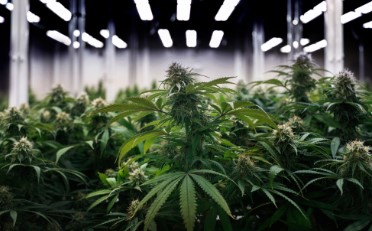
Cultivating Cherry Kola requires precise control over environmental conditions, nutrients, and growth techniques to maximize yield, potency, and terpene profile. Below is a detailed scientific breakdown of its cultivation process.
Optimal Growing Conditions
a. Climate Requirements
Cherry Kola thrives in a warm, Mediterranean climate with semi-humid conditions:
- Temperature Range: 70-80°F (21-27°C)
- Relative Humidity (RH):
- Vegetative Stage: 55-65%
- Flowering Stage: 40-50%
- Late Flowering (Ripening Phase): 30-40% (to prevent mold)
- CO₂ Enrichment: Boosting CO₂ levels to 1000-1200 ppm can enhance growth and THC production in controlled indoor environments.
b. Light Requirements
- Indoor Setup:
- Vegetative Phase: 18-6 light cycle (18 hours light, 6 hours dark)
- Flowering Phase: 12-12 light cycle (12 hours light, 12 hours dark)
- Recommended Light Intensity: 600-1000 µmol/m²/s (PPFD) for optimal photosynthesis
- Best Grow Lights: LED or High-Pressure Sodium (HPS) for increased trichome production
- Outdoor Setup:
- Best suited for long sunny days with 10+ hours of direct light
- Grows well in spring to late summer in temperate climates
Growth Medium & Nutrients
a. Soil vs. Hydroponics
- Soil-Based Cultivation:
- Organic soil with pH 6.0-6.5
- Enhances terpene production due to microbial activity
- Requires proper aeration (perlite, coco coir mixed with soil)
- Hydroponic System:
- Ideal pH: 5.5-6.0
- Faster growth and higher THC yield
- Requires nutrient automation (drip irrigation, deep water culture)
- Key Challenge: Risk of root rot (prevent by oxygenation and sterilization)
b. Essential Nutrients
| Nutrient | Function | Best Sources |
|---|---|---|
| Nitrogen (N) | Leaf & stem development (early growth) | Fish emulsion, bat guano |
| Phosphorus (P) | Root & flower development | Bone meal, rock phosphate |
| Potassium (K) | Overall plant health, terpene production | Kelp meal, potash |
| Calcium (Ca) | Cell wall structure | Dolomite lime |
| Magnesium (Mg) | Chlorophyll synthesis | Epsom salts |
| Sulfur (S) | Enzyme function & oil production | Gypsum |
- N-P-K Ratio for Each Stage:
- Vegetative: 4-2-3
- Pre-Flowering: 3-4-4
- Flowering: 1-4-5 (more phosphorus and potassium)
Growth Stages & Scientific Care Methods
a. Germination (Week 1)
- Method:
- Use paper towel method (moist but not soaked, pH-balanced water)
- Optimal temperature: 75-80°F (24-27°C)
- Time to Sprout: 3-7 days
b. Vegetative Stage (Weeks 2-6)
- Best Practices:
- Provide 18-24 hours of light (indoors)
- Maintain high humidity (55-65%) to encourage vigorous growth
- Introduce low-stress training (LST) to optimize canopy exposure
- Use SCROG (Screen of Green) method to maximize light penetration
c. Flowering Stage (Weeks 7-10)
- Light Change: Switch to 12/12 light cycle
- Nutrient Shift: Increase phosphorus and potassium
- Humidity Control: Lower to 40-50% to prevent bud rot
- Terpene Enhancement:
- Slightly stress the plant by reducing temperatures at night (~65°F/18°C)
- Use UV-B exposure to boost THC production
d. Late Flowering & Harvesting (Weeks 11-12)
- Flushing: Last 1-2 weeks, water only (no nutrients) to remove excess salts
- Optimal Harvest Window: When trichomes are 60-70% milky, 10-20% amber
- Harvesting Time: Best done early morning to preserve terpenes
Scientific Post-Harvest Processing
a. Drying
- Temperature: 60-70°F (15-21°C)
- Humidity: 50-60%
- Time Required: 7-14 days
- Method: Hang buds upside down in a dark, well-ventilated room
b. Curing
- Jar Storage: Store in glass jars at 60-65% RH
- Burping Method: Open jars daily for first 2 weeks to release moisture
- Curing Time: 4-8 weeks for enhanced flavor and potency
Scientific Techniques for Yield Optimization
a. Training Methods
- Low-Stress Training (LST): Bending stems gently to increase bud exposure
- High-Stress Training (HST): Topping or supercropping for stronger branching
- Sea of Green (SOG): Maximizes yield in small grow spaces
b. Pest & Disease Control
- Common Threats:
- Powdery Mildew: Maintain humidity below 50%
- Spider Mites & Aphids: Use Neem oil, ladybugs, or predatory mites
- Bud Rot (Botrytis): Ensure proper airflow & lower humidity
Genetic Enhancements & Strain Stabilization
a. Cloning vs. Seeds
- Cloning: Ensures genetic consistency (ideal for commercial growers)
- Feminized Seeds: Prevents male plants, ensuring all-female crop
- Autoflowering Variety: Reduces light dependency, quicker harvests
b. Breeding for Higher THC & Terpenes
- Backcrossing: Strengthens desired traits (e.g., more myrcene for sedation)
- Selective Pollination: Enhances flavor & potency through controlled breeding
Cherry Kola Terpene Profile and Flavor
Terpenes & Their Effects
Cherry Kola’s flavor and effects are driven by its dominant terpenes, which contribute to its therapeutic benefits.
| Terpene | Aroma/Flavor | Effects |
|---|---|---|
| Myrcene | Earthy, musky, herbal | Sedation, relaxation, pain relief |
| Caryophyllene | Spicy, woody, peppery | Anti-inflammatory, pain relief |
| Limonene | Citrus, sweet, lemony | Mood enhancement, stress relief |
Taste & Aroma
- Primary Notes: Sweet cherries, candy-like, syrupy aroma
- Secondary Notes: Earthy, slightly woody, with hints of citrus and vanilla
- Smoke Quality: Smooth, creamy, and rich, making it enjoyable for novice and experienced users alike
Recreational Uses and Effects
Cherry Kola is primarily an indica strain, meaning its effects lean towards deep body relaxation rather than energetic stimulation. It is ideal for evening or nighttime use due to its sedative effects.
Recreational Effects
- Euphoria & Mood Boost – The high begins with a wave of euphoria, clearing the mind of stress.
- Full-Body Relaxation – As the high deepens, muscles relax, making it ideal for unwinding after a long day.
- Couch-Lock Sensation – Higher doses induce a heavy, weighted feeling leading to deep sedation.
- Mild Cerebral Stimulation – Some users report a brief period of enhanced creativity before sedation sets in.
Best Uses for Recreational Consumers
- Evening Chill – Cherry Kola is perfect for winding down after a stressful day.
- Movie or Music Sessions – Enhances sensory perception.
- Social Gatherings – Provides a relaxed, giggly high when consumed in smaller amounts.
- Sleep Aid – At higher doses, it works as a powerful sedative, helping with deep sleep.
Potential Side Effects
- Dry Mouth & Eyes – Common with most cannabis strains.
- Dizziness & Couch-Lock – Can be overwhelming for novice users.
- Paranoia or Anxiety – Rare, but possible with high doses or sensitive users.
Medical Benefits of Cherry Kola
Cherry Kola is widely used in medical cannabis communities for its potent pain-relieving and stress-reducing properties.
Medical Conditions Treated by Cherry Kola
| Condition | Effectiveness | How It Helps |
|---|---|---|
| Chronic Pain | 5/5 | Strong body relaxation eases muscle tension & inflammation |
| Insomnia | 5/5 | Induces deep sleep & combats insomnia |
| Stress & Anxiety | 4/5 | Mood-enhancing & calming effects reduce stress |
| Appetite Stimulation | 4/5 | Helps with nausea & eating disorders |
| PTSD & Depression | 3/5 | Mild uplifting effects provide emotional relief |
Scientific Basis for Medical Uses
- Pain Relief & Anti-Inflammatory Properties
The presence of Caryophyllene (a known CB2 receptor agonist) helps reduce inflammation and pain. - Sedation & Sleep Induction
High myrcene levels (a known sedative) contribute to Cherry Kola’s couch-lock and sleep-inducing properties. - Anxiety & Stress Reduction
The limonene content provides anti-anxiety effects, helping to boost mood and reduce panic episodes. - Appetite Stimulation
The THC in Cherry Kola interacts with CB1 receptors, enhancing hunger and reducing nausea, making it beneficial for patients undergoing chemotherapy or suffering from eating disorders.
Scientific Analysis: Cannabinoid Profile
Cherry Kola’s potency comes from its THC-dominant cannabinoid composition, with low CBD content.
Cannabinoid Breakdown
| Cannabinoid | Percentage | Effects |
|---|---|---|
| THC | 18-27% | Psychoactive, pain relief, euphoria, relaxation |
| CBD | <1% | Minor anti-anxiety & anti-inflammatory properties |
| CBG | ~1% | Potential neuroprotective effects |
Scientific Insights: THC vs. CBD Balance
- High THC / Low CBD Ratio:
- Delivers strong psychoactive effects (euphoria, sedation)
- Less ideal for users seeking CBD-specific therapeutic effects (such as seizure control)
- Best suited for pain relief, sleep, and relaxation
Cherry Kola vs. Other Strains
Comparison with Similar Strains
| Strain | THC% | Effect | Best For |
|---|---|---|---|
| Cherry Kola | 18-27% | Deep relaxation, couch-lock | Stress, pain, sleep |
| Granddaddy Purple | 20-25% | Strong sedation, dreamy euphoria | Insomnia, PTSD |
| Black Cherry Soda | 18-22% | Balanced hybrid, cerebral & body relaxation | Creativity, anxiety relief |
Methods of Ingestion, Onset, and Duration
The method of ingesting Cherry Kola significantly influences the onset, peak effects, duration, and bioavailability of its cannabinoids (mainly THC and terpenes). Below is a scientific breakdown of various ingestion methods, their effects, and pharmacokinetics.
Methods of Ingestion
a. Smoking (Combustion)
Overview: The most traditional method, where Cherry Kola flowers are burned and inhaled.
- Absorption Pathway: Lungs → Alveoli → Bloodstream → Brain (fastest route)
- Bioavailability: ~30% (due to combustion losses)
- Onset: 1-5 minutes
- Peak Effects: 15-30 minutes
- Total Duration: 2-3 hours
- Advantages:
- Immediate effects (ideal for rapid pain or anxiety relief)
- Easier dose control
- Disadvantages:
- Loss of cannabinoids due to combustion (~50% wasted)
- Produces harmful byproducts (tar, carbon monoxide)
Best for: Fast relief, social settings, stress/anxiety relief.
b. Vaping (Convection/Conduction Heating)
Overview: Uses controlled heat to vaporize cannabinoids and terpenes without combustion.
- Absorption Pathway: Same as smoking (lungs → bloodstream)
- Bioavailability: 40-60% (higher than smoking)
- Onset: 1-5 minutes
- Peak Effects: 15-30 minutes
- Total Duration: 2-4 hours
- Advantages:
- Higher THC retention (no combustion waste)
- Less lung irritation (no harmful combustion byproducts)
- Better terpene preservation (enhanced flavor/aroma)
- Disadvantages:
- Requires a vaporizer
- Higher initial investment
Best for: Healthier lung alternative, maximizing terpenes, fast effects.
c. Edibles (Oral Ingestion)
Overview: THC is metabolized through digestion and converted into 11-hydroxy-THC, a more potent compound.
- Absorption Pathway: Stomach → Liver (first-pass metabolism) → Bloodstream → Brain
- Bioavailability: 4-20% (lower due to metabolism)
- Onset: 30-90 minutes
- Peak Effects: 2-3 hours
- Total Duration: 6-12 hours
- Advantages:
- Long-lasting effects (ideal for chronic pain, insomnia)
- No lung harm
- Disadvantages:
- Delayed onset (risk of overconsumption)
- Lower bioavailability (losses in digestion)
Best for: Extended relief, sleep aid, chronic pain.
d. Sublingual (Tinctures, Sprays, Lozenges)
Overview: Cannabinoids are absorbed directly into the bloodstream through the sublingual glands.
- Absorption Pathway: Sublingual membrane → Bloodstream (bypassing liver)
- Bioavailability: 40-50%
- Onset: 15-45 minutes
- Peak Effects: 1-2 hours
- Total Duration: 4-6 hours
- Advantages:
- Faster onset than edibles
- Higher absorption rate (no first-pass metabolism)
- Disadvantages:
- Taste may be strong
- Shorter duration than edibles
Best for: Medical users, precise dosing, rapid effects without smoking.
e. Topicals (Creams, Lotions, Transdermal Patches)
Overview: Cannabis-infused products applied to the skin for localized relief.
- Absorption Pathway: Skin → CB2 Receptors (not reaching bloodstream unless transdermal)
- Bioavailability: Low (5-10%) (unless transdermal)
- Onset: 15-60 minutes
- Peak Effects: 1-2 hours
- Total Duration: 4-6 hours
- Advantages:
- Localized effects (ideal for pain/inflammation)
- No psychoactive effects
- Disadvantages:
- Not effective for systemic effects (unless transdermal)
Best for: Arthritis, muscle pain, inflammation.
f. Dabbing (Concentrates)
Overview: Vaporizing high-THC extracts (wax, shatter, live resin) for an intense high.
- Absorption Pathway: Lungs → Bloodstream
- Bioavailability: 50-75% (most efficient)
- Onset: 1-3 minutes
- Peak Effects: 10-30 minutes
- Total Duration: 2-4 hours
- Advantages:
- Highest THC potency (up to 90%)
- Rapid effects
- Disadvantages:
- Risk of overconsumption
- Requires specialized equipment (dab rig, torch)
Best for: High-tolerance users, immediate relief, potent effects.
Onset, Peak, and Duration of Effects Based on Method
| Method | Onset | Peak Effects | Total Duration | Bioavailability |
|---|---|---|---|---|
| Smoking | 1-5 min | 15-30 min | 2-3 hours | ~30% |
| Vaping | 1-5 min | 15-30 min | 2-4 hours | 40-60% |
| Edibles | 30-90 min | 2-3 hours | 6-12 hours | 4-20% |
| Sublingual | 15-45 min | 1-2 hours | 4-6 hours | 40-50% |
| Topicals | 15-60 min | 1-2 hours | 4-6 hours | 5-10% |
| Dabbing | 1-3 min | 10-30 min | 2-4 hours | 50-75% |
Factors Affecting Duration and Onset
a. Metabolism & Individual Biology
- Faster Metabolism: Quicker onset, shorter duration
- Higher Fat Content: THC stored in fat cells → Prolonged effects
b. Tolerance Level
- Frequent Users: Shorter effects, higher dosage needed
- New Users: Longer duration, lower dose recommended
c. Interaction with Food
- Empty Stomach: Faster absorption (stronger high)
- Fat-Rich Meal: Increases THC absorption for edibles
Summary & Best Use Cases
| User Need | Best Method |
|---|---|
| Fast Relief | Smoking, Vaping, Dabbing |
| Long-Lasting Relief | Edibles, Sublingual |
| Precise Dosing | Tinctures, Edibles |
| Localized Pain Relief | Topicals |
| Maximum Bioavailability | Dabbing, Vaping |
Conclusion
Cherry Kola is a potent indica-dominant strain known for its sweet cherry flavor, relaxing effects, and therapeutic benefits. It is especially useful for pain relief, insomnia, and stress reduction, making it a preferred by both medical and recreational users.
Key Takeaways
Best for: Evening use, stress relief, pain, insomnia
Flavors: Cherry, citrus, earthy notes
Effects: Euphoric, sedating, calming
Medical Benefits: Insomnia relief, chronic pain, appetite stimulation
THC Potency: High (18-27%)
Whether you’re looking for a flavorful indica to relax with or a medical strain to help with chronic conditions, Cherry Kola stands out as a top-tier cannabis strain.
For a complete directory of cultivars, visit our Cannabis Strain Reviews.
