Table of Contents
Cherry Bomb is a potent and well-balanced hybrid cannabis strain that has gained popularity for its unique combination of uplifting cerebral effects and relaxing body high. It is favored by both recreational and medical users for its diverse range of benefits. This guide provides an in-depth exploration of Cherry Bomb, including its lineage, chemical composition, medical applications, recreational uses, cultivation insights, and scientific research on its pharmacological properties.
Genetics and Lineage
Cherry Bomb is a hybrid strain, typically balanced between indica and sativa, though variations exist depending on the breeder. It is the result of crossing California Cherry Bomb Indica with a Hawaiian Sativa, creating a well-rounded profile that offers both euphoric and sedative effects.
Parent Strains
- California Cherry Bomb Indica: Known for its deep relaxation and sedative effects, this parent contributes to the physical relaxation aspect of Cherry Bomb.
- Hawaiian Sativa: This tropical sativa brings in uplifting, energetic, and mood-enhancing properties, creating a balanced hybrid.
Appearance, Aroma, and Flavor Profile
Appearance
Cherry Bomb is characterized by dense, medium-sized buds with a vibrant green coloration. The buds are often covered with orange pistils and a generous layer of frosty white trichomes, indicating a high resin content.
Aroma
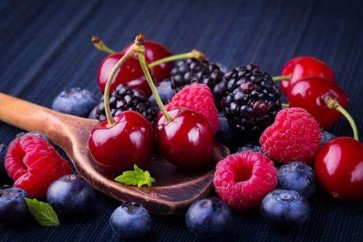
- Sweet and fruity with strong cherry notes
- Earthy undertones
- Hints of spice and wood
Flavor
- Rich cherry and berry taste
- Subtle hints of earthiness and pine
- Sweet and slightly spicy aftertaste
Cannabinoid and Terpene Profile
Cherry Bomb contains a diverse range of cannabinoids and terpenes that contribute to its effects and therapeutic potential.
Cannabinoid Content
- THC: Ranges between 17-26%, making it moderately to highly potent.
- CBD: Typically low (<1%), meaning it is primarily psychoactive.
- CBG: Present in small amounts, contributing to potential anti-inflammatory effects.
Terpenes
- Myrcene – Provides relaxing and sedative effects.
- Caryophyllene – Known for its anti-inflammatory properties and ability to interact with CB2 receptors.
- Limonene – Enhances mood, reduces stress, and provides a citrus aroma.
- Pinene – Offers anti-inflammatory benefits and improves cognitive function.
- Humulene – Known for appetite suppression and anti-inflammatory effects.
Recreational Uses of Cherry Bomb
Cherry Bomb is widely sought after for its well-balanced effects, making it suitable for various recreational settings.
Effects
- Euphoria: Makes you feel happier and more upbeat.
- Creativity Boost: Enhances creative thinking, making it ideal for artists and musicians.
- Energy and Focus: Provides mental clarity and motivation, suitable for daytime use in moderate doses.
- Relaxation: At higher doses, it induces a calming body high without excessive sedation.
- Social Enhancement: Improves sociability, making it a great strain for gatherings.
Best Recreational Settings
- Social events and parties
- Creative activities like painting or writing
- Outdoor adventures (hiking, beach outings)
- Gaming or watching movies
- Listening to music or engaging in deep conversations
Medical Benefits of Cherry Bomb
Cherry Bomb is frequently used by medical cannabis patients to manage a variety of health conditions due to its unique chemical profile.
Mental Health Benefits
- Depression and Anxiety Relief
- Limonene and myrcene contribute to mood stabilization and stress reduction.
- Uplifting effects combat depressive symptoms.
- ADHD and Focus Issues
- The strain’s cerebral stimulation and focus-enhancing properties may help with attention disorders.
- PTSD and Stress Management
- Its calming effects reduce anxiety levels, making it beneficial for PTSD sufferers.
Physical Health Benefits
- Pain Relief
- THC and caryophyllene provide anti-inflammatory and analgesic effects, making it useful for chronic pain conditions like arthritis and fibromyalgia.
- Migraines and Headaches
- Pinene’s ability to open airways and provide clarity helps alleviate migraine symptoms.
- Appetite Stimulation
- Useful for individuals with appetite loss due to medical conditions or treatments such as chemotherapy.
- Insomnia
- Myrcene’s sedative properties aid in sleep induction, making it beneficial for those with mild to moderate insomnia.
Cultivation Insights
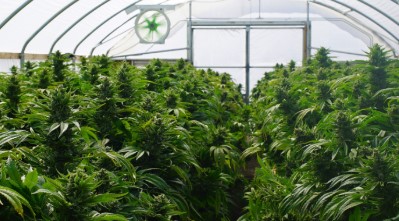
Cultivating Cherry Bomb cannabis effectively requires a blend of scientific techniques and best practices to maximize yield, potency, and overall plant health. Below is a breakdown of the key scientific factors involved in growing this strain:
1. Environmental Requirements
Cherry Bomb thrives in controlled environments where temperature, humidity, and airflow can be optimized.
A. Temperature Control
- Ideal temperature range: 21-26°C (70-80°F)
- Night temperature: Slight drop to 18-21°C (65-70°F) to encourage proper bud development
- Excessive heat (>30°C/86°F) can cause terpene degradation and stress-related issues like foxtailing.
B. Humidity Management
- Vegetative Stage: 50-70% relative humidity to encourage strong vegetative growth.
- Flowering Stage: Gradually reduced to 40-50% to prevent mold and bud rot.
- Late Flowering: 30-40% to enhance resin production and terpene retention.
C. Airflow and CO₂ Enrichment
- Proper air circulation with oscillating fans prevents mold and pests.
- CO₂ levels of 1000-1500 ppm can increase photosynthesis efficiency and boost yield.
2. Medium Selection and Nutrient Management
Cherry Bomb can be grown in soil or hydroponic systems, but each requires specific nutrient regimens.
A. Soil Cultivation
- Best Medium: Organic, well-aerated soil with high microbial activity.
- pH Range: 6.0-6.5 to ensure optimal nutrient uptake.
- Soil Composition: A mix of coco coir, perlite, worm castings, and compost enhances nutrient retention and drainage.
B. Hydroponic Cultivation
- Hydroponics can accelerate growth rates by delivering nutrients directly to the roots.
- Preferred system: Deep Water Culture (DWC) or Ebb and Flow for Cherry Bomb.
- pH Range: 5.5-6.0 (slightly lower than soil).
- Essential nutrients:
- Macronutrients: Nitrogen (N), Phosphorus (P), Potassium (K)
- Micronutrients: Calcium (Ca), Magnesium (Mg), Zinc (Zn), Iron (Fe)
- Silica supplementation strengthens plant cell walls, improving stress resistance.
3. Lighting Requirements
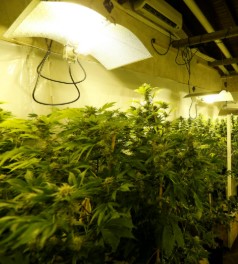
Cherry Bomb responds well to high-intensity lighting to maximize cannabinoid and terpene production.
A. Optimal Light Spectrum
- Vegetative Stage:18-24 hours of light
- Best lights: Full-spectrum LED (4000-6500K) or Metal Halide (MH)
- Flowering Stage: Twelve bright and twelve dark hours
- Best lights: High-pressure sodium (HPS) or LED (2700-3500K) for red-spectrum emphasis
B. Light Intensity
- Recommended PPFD (Photosynthetic Photon Flux Density):
- Vegetative: 400-600 μmol/m²/s
- Flowering: 600-900 μmol/m²/s
- Too much light (>1000 μmol/m²/s) can cause light stress, bleaching, and reduced resin production.
4. Training and Growth Optimization Techniques
A. Low-Stress Training (LST)
- Bending and tying branches to increase light penetration and maximize bud sites.
- Encourages even canopy growth and reduces risk of mold.
B. High-Stress Training (HST)
- Topping (FIM technique): Increases yield by promoting lateral growth.
- Supercropping: Enhances nutrient flow and strengthens stems.
C. Defoliation
- Strategic leaf removal allows more light to reach lower bud sites.
- Best performed during week 3-4 of flowering for Cherry Bomb.
5. Flowering and Harvesting Science
A. Flowering Timeline
- Indoor: 8-10 weeks (strain-dependent).
- Outdoor: Late September to early October in the Northern Hemisphere.
B. Ripening and Trichome Maturity
- Trichome color observation with a magnifying glass:
- Clear trichomes = Immature
- Cloudy trichomes = Peak THC levels (ideal for recreational users)
- Amber trichomes = More CBN (ideal for sedative effects)
C. Harvesting
- Flushing: Two weeks before harvest, growers flush plants with pure water to remove excess nutrients.
- Drying conditions: 60°F (15°C) at 50% humidity for slow drying (7-10 days).
- Curing: Stored in airtight jars at 60-65% humidity for 3-6 weeks to enhance flavor and potency.
6. Pest and Disease Prevention
Common Threats:
- Powdery mildew (prevent with silica & proper airflow)
- Spider mites & aphids (use neem oil or predatory insects like ladybugs)
- Fungus gnats (controlled by keeping soil dry between watering)
Biological Controls:
- Beneficial fungi (Mycorrhizae) boost root health.
- Bacillus thuringiensis (Bt) controls caterpillars naturally.
Scientific Research on Cherry Bomb
Although specific studies on Cherry Bomb are limited, research on its primary cannabinoids and terpenes supports its reported effects:
- THC Studies: Research indicates THC’s effectiveness in pain relief, nausea suppression, and neuroprotection.
- CBD & Caryophyllene Interaction: Studies suggest caryophyllene’s role in modulating inflammation and stress responses.
- Limonene & Anxiety: Research highlights limonene’s potential as an antidepressant and anxiolytic compound.
Methods, Onset, and Duration
The effects of Cherry Bomb cannabis depend heavily on the method of ingestion, which influences the onset time, peak effects, and overall duration. Below is a scientific breakdown of how different consumption methods impact the experience.
1. Methods of Ingestion
Cherry Bomb, like most cannabis strains, can be consumed in multiple ways, each offering unique bioavailability, onset time, and effect duration.
A. Inhalation (Smoking & Vaporization)
1. Smoking (Combustion)
- Bioavailability: 15-30% (varies based on depth and duration of inhalation)
- Onset Time: 1-5 minutes (THC is rapidly absorbed through the alveoli in the lungs)
- Peak Effects: 10-30 minutes after inhalation
- Duration: 2-4 hours
- Common Forms:
- Joints (rolled cannabis)
- Pipes
- Bongs (water filtration slightly cools the smoke but does not eliminate harmful byproducts)
Scientific Insight:
When Cherry Bomb is smoked, THC and terpenes undergo combustion (~800-900°F), altering their chemical structure. The high temperatures can degrade some terpenes and cannabinoids, which might reduce the entourage effect.
2. Vaporization
- Bioavailability: 40-60% (higher than smoking due to lower degradation of cannabinoids)
- Onset Time: 1-5 minutes
- Peak Effects: 10-30 minutes
- Duration: 2-4 hours
- Temperature Control:
- Low temp (315-350°F / 157-177°C): Preserves terpenes like limonene and pinene for uplifting effects.
- Mid temp (350-400°F / 177-204°C): Balances THC and minor cannabinoids for a strong psychoactive effect.
- High temp (400-430°F / 204-221°C): Activates heavier cannabinoids (CBG, CBN) for sedative effects.
Scientific Insight:
Vaporization allows better cannabinoid and terpene retention compared to smoking. A study published in the Journal of the American Medical Association (JAMA) found that vaporization delivers THC more efficiently with fewer toxic byproducts than smoking.
B. Oral Consumption (Edibles, Tinctures, Capsules)
1. Edibles (THC-Infused Foods & Beverages)
- Bioavailability: 4-20% (low due to first-pass metabolism in the liver)
- Onset Time: 30-120 minutes (depends on metabolism and stomach contents)
- Peak Effects: 2-4 hours
- Duration: 6-8 hours (can extend up to 12 hours in high doses)
- Metabolism Pathway:
- THC is converted into 11-Hydroxy-THC (11-OH-THC) in the liver, which is more potent and longer-lasting than inhaled THC.
Scientific Insight:
A study in Neuropsychopharmacology confirmed that 11-OH-THC has greater blood-brain barrier penetration, explaining the intense and sometimes overwhelming effects of edibles.
2. Sublingual (Tinctures & Sprays)
- Bioavailability: 30-50% (higher than edibles due to bypassing first-pass metabolism)
- Onset Time: 15-45 minutes
- Peak Effects: 1-2 hours
- Duration: 4-6 hours
- Common Forms:
- Alcohol or oil-based tinctures
- Cannabis-infused oral sprays
Scientific Insight:
A Pharmacology Biochemistry and Behavior study found that sublingual administration allows THC to enter the bloodstream directly via the sublingual gland, making it faster than edibles but slightly slower than inhalation.
3. Capsules and Pills
- Bioavailability: 4-20% (same as edibles)
- Onset Time: 45-120 minutes
- Peak Effects: 2-4 hours
- Duration: 6-10 hours
- Scientific Considerations: The delayed onset makes capsules ideal for long-lasting medicinal relief, particularly for chronic pain and sleep disorders.
C. Topical Use (Transdermal Patches, Lotions, and Creams)
- Bioavailability: 5-10% (depends on the formulation)
- Onset Time: 10-30 minutes (local effects)
- Peak Effects: 30-90 minutes
- Duration: 2-6 hours (depends on fat solubility of cannabinoids)
- Use Cases: Localized pain relief, inflammation, skin conditions (e.g., psoriasis, eczema)
Scientific Insight:
Topical cannabinoids bind to CB2 receptors in the skin without entering the bloodstream, meaning they do not produce psychoactive effects unless formulated as a transdermal patch. A study in The Journal of Pain showed that CBD and THC topicals effectively reduce localized inflammation.
A Comparative Study of Duration and Onset
| Ingestion Method | Bioavailability (%) | Onset Time | Peak Effects | Duration |
|---|---|---|---|---|
| Smoking | 15-30% | 1-5 min | 10-30 min | 2-4 hrs |
| Vaporization | 40-60% | 1-5 min | 10-30 min | 2-4 hrs |
| Edibles | 4-20% | 30-120 min | 2-4 hrs | 6-10 hrs |
| Sublingual | 30-50% | 15-45 min | 1-2 hrs | 4-6 hrs |
| Capsules | 4-20% | 45-120 min | 2-4 hrs | 6-10 hrs |
| Topicals | 5-10% | 10-30 min | 30-90 min | 2-6 hrs |
3. Factors Affecting Onset and Duration
Several biological and environmental factors impact the rate of onset and the duration of Cherry Bomb’s effects:
A. Metabolism & Body Composition
- Higher metabolism → Faster onset, shorter duration
- More body fat → THC stored longer in fat cells, longer-lasting effects
B. Food Intake
- Empty stomach: Faster absorption of edibles
- Fatty foods: Increase THC absorption (due to its lipophilic nature)
C. Tolerance Level
- Frequent users have upregulated CB1 receptors, leading to shorter and milder effects.
D. Cannabinoid & Terpene Interaction
- Myrcene: Increases THC absorption, leading to faster onset.
- Limonene & Pinene: Can counteract sedative effects and extend cerebral stimulation.
Potential Side Effects
Like all cannabis strains, Cherry Bomb has potential side effects, particularly when consumed in high doses.
- Dry mouth and eyes: Common with THC-rich strains.
- Paranoia or Anxiety: Can occur in users sensitive to THC.
- Dizziness: Reported in some cases, particularly in new users.
Conclusion
Cherry Bomb is a versatile cannabis strain that offers a balanced mix of cerebral stimulation and physical relaxation. Its high THC content, flavorful profile, and diverse medical applications make it a favorite among recreational and medical users alike. Whether used for stress relief, pain management, or social enjoyment, Cherry Bomb remains a reliable and effective choice in the cannabis community.
For a complete directory of cultivars, visit our Cannabis Strain Reviews.
