Table of Contents
Chemdog #4, a prominent member of the legendary Chemdog (often spelled “Chemdawg”) family, is a potent indica-dominant hybrid known for its euphoric cerebral effects and deeply relaxing body high. Originating from the renowned Chemdog lineage, which includes some of the most powerful and sought-after strains in cannabis history, Chemdog #4 stands out due to its high THC levels, distinct lemon-diesel aroma, and robust medical benefits.
In this document, we will explore the genetic background, cannabinoid and terpene profile, medical and recreational uses, scientific studies related to its effects, and best practices for cultivation and consumption.
Genetic Lineage and Origins
Chemdog #4 is one of the most well-known phenotypes of the original Chemdog strain. The Chemdog line is believed to have originated from a bag of high-quality cannabis seeds found at a Grateful Dead concert in the early 1990s. It has since given rise to various elite strains, including Sour Diesel and OG Kush.
Chemdog #4 is particularly notable for its indica-leaning genetics, unlike some of its more sativa-heavy siblings. This strain is characterized by its well-balanced yet powerful effects, making it a favorite among both medical and recreational users.
Appearance, Aroma, and Flavor
- Appearance: Chemdog #4 features dense, resin-coated buds with a bright green color and fiery orange pistils. The trichome coverage is substantial, giving the buds a frosty, crystalline appearance.
- Aroma: The scent is a sharp blend of citrus, earth, and pungent diesel, a signature trait of the Chemdog family.
- Flavor: Upon consumption, users experience a complex flavor profile, with dominant lemon and pine notes complemented by an underlying fuel-like taste.
Cannabinoid and Terpene Profile
Cannabinoid Content
- THC: Typically ranges between 22-28%, with some phenotypes exceeding 30%.
- CBD: Very low, usually below 1%.
- CBG: Often found in trace amounts (~1%).
Terpene Profile
Terpenes play a crucial role in the effects and aroma of cannabis strains. The dominant terpenes in Chemdog #4 include:
- Limonene: Provides citrus aroma and mood-enhancing effects.
- Myrcene: Renowned for its calming effects and capacity to encourage rest.
- Caryophyllene: Contributes to the spicy, peppery notes and has anti-inflammatory properties.
- Pinene: Offers pine-like scents and potential cognitive enhancement.
- Humulene: Known for appetite suppression and antibacterial benefits.
Medical Uses and Benefits
Chemdog #4 is highly regarded for its medicinal properties due to its high THC content and synergistic terpene profile. Here are the primary therapeutic applications:

1. Pain Management
Chemdog #4 is frequently used by individuals suffering from chronic pain conditions, including:
- Neuropathy
- Arthritis
- Muscle spasms
- Migraines
The strain’s high THC levels interact with the endocannabinoid system to modulate pain perception and provide significant relief.
2. Anxiety and Stress Relief
Despite its potency, Chemdog #4 has a well-balanced effect that can help alleviate anxiety and stress. The presence of limonene promotes an uplifting and euphoric sensation, which can help with:
- Generalized Anxiety Disorder (GAD)
- Social Anxiety
- PTSD
3. Depression
Many users report that Chemdog #4 provides an intense wave of euphoria and mood elevation, making it effective for depression. The strain’s terpene synergy enhances dopamine and serotonin activity in the brain, counteracting depressive symptoms.
4. Insomnia
As an indica-dominant strain, Chemdog #4’s sedative properties make it an excellent choice for insomnia. Myrcene and caryophyllene work together to promote deep relaxation and improved sleep quality.
5. Appetite Stimulation
Patients undergoing chemotherapy or dealing with eating disorders like anorexia may benefit from Chemdog #4’s ability to induce hunger, a trait influenced by THC and humulene interactions with CB1 receptors in the brain.
6. Inflammation and Autoimmune Conditions
The presence of beta-caryophyllene gives Chemdog #4 notable anti-inflammatory effects, making it useful for conditions such as:
- Crohn’s disease
- Multiple sclerosis (MS)
- Rheumatoid arthritis
Recreational Effects and Uses

1. Euphoria and Mood Elevation
Chemdog #4 is known for delivering an immediate sense of euphoria. Users experience a powerful cerebral rush that melts into a relaxing body high, making it perfect for artistic pursuits and social situations.
2. Creativity and Focus
Despite its indica dominance, Chemdog #4 has a unique ability to enhance creativity and focus in moderate doses, making it appealing for artists, writers, and musicians.
3. Body Relaxation and Stress Relief
The later stages of the high bring a profound sense of physical relaxation, making it perfect for unwinding after a long day or engaging in activities like yoga and meditation.
4. Long-lasting Effects
Chemdog #4 is known for its long-lasting high, often exceeding 3-4 hours, making it an excellent choice for extended recreational sessions.
Chemdog #4: Methods of Ingestion, Onset, and Duration
Chemdog #4 is a high-THC, indica-dominant hybrid, making it particularly potent and effective for both recreational and medicinal users. The method of ingestion significantly influences bioavailability, onset time, peak effects, and duration of effects. Below is a scientific breakdown of the most effective consumption methods, along with their pharmacokinetics.
1. Methods of Ingestion
A. Smoking (Combustion)
Bioavailability: Approximately 30 percent, varying based on individual physiology and smoking technique
How It Works: When cannabis is smoked, the cannabinoids are rapidly absorbed through the alveoli in the lungs, entering the bloodstream almost instantly. THC is then transported to the brain via the pulmonary circulation.
Key Pharmacokinetics:
- Onset: Seconds to five minutes
- Peak Effects: Fifteen to thirty minutes
- Duration: Two to four hours
- Metabolism: THC is metabolized by cytochrome P450 enzymes (CYP2C9, CYP2C19, and CYP3A4) in the liver, converting it into 11-hydroxy-THC, which has stronger psychoactive properties
Pros and Cons:
Pros:
- Rapid onset for quick symptom relief
- High bioavailability compared to oral ingestion
Cons:
- Combustion produces tar and harmful byproducts
- Effects last less time than with edibles.
B. Vaporization (Vaping)
Bioavailability: Approximately 40 to 50 percent, higher than smoking due to better preservation of cannabinoids
How It Works: Vaporizing heats the cannabis flower or concentrate to a temperature that releases cannabinoids and terpenes without combustion. This results in fewer harmful byproducts compared to smoking.
Key Pharmacokinetics:
- Onset: Within one to five minutes
- Peak Effects: Fifteen to forty-five minutes
- Duration: Two to four hours
- Efficiency: Vaporization preserves more terpenes and cannabinoids, enhancing the entourage effect
Pros and Cons:
Pros:
- Faster onset than edibles, fewer harmful byproducts than smoking
- Higher cannabinoid retention compared to smoking
- Better terpene preservation, enhancing medicinal benefits
Cons:
- Requires specialized equipment
- Potential respiratory irritation from certain vaporizer additives
C. Oral Ingestion (Edibles, Capsules, and Tinctures)
Bioavailability: Approximately four to twenty percent due to first-pass metabolism in the liver
How It Works: When ingested, THC is metabolized by the liver into 11-hydroxy-THC, which is significantly more potent and longer-lasting than inhaled THC.
Key Pharmacokinetics:
- Onset: Thirty to ninety minutes
- Peak Effects: Two to three hours after ingestion
- Duration: Six to twelve hours, longer for high-fat meals
- Metabolism: First-pass metabolism reduces raw THC concentration but increases 11-hydroxy-THC, leading to stronger, more prolonged effects
Pros and Cons:
Pros:
- Longest-lasting effects, ideal for chronic pain and sleep disorders
- It is safer than smoking since it does not irritate the lungs.
- Discreet consumption method
Cons:
- Slow onset time, leading to potential overconsumption
- Lower bioavailability, requiring higher doses for comparable effects
D. Sublingual Administration (Tinctures, Sprays, Dissolvable Tablets)
Bioavailability: Approximately 20 to 35 percent, higher than edibles but lower than inhalation
How It Works: When cannabis tinctures or sublingual tablets are placed under the tongue, THC and other cannabinoids are absorbed directly into the bloodstream via the sublingual gland, bypassing first-pass metabolism.
Key Pharmacokinetics:
- Onset: Fifteen to forty-five minutes
- Peak Effects: One to two hours
- Duration: Four to six hours
- Efficiency: Higher bioavailability than edibles but less potent than vaping or smoking
Pros and Cons:
Pros:
- Longer length than smoking yet a quicker beginning than edibles
- More controlled dosing than smoking or vaping
- Less harsh on the lungs
Cons:
- Can have a bitter taste depending on the carrier oil
- Not as long-lasting as edibles
E. Transdermal Patches and Topicals
Bioavailability: Approximately 10 to 30 percent, depending on formulation and site of application
How It Works: Transdermal cannabis patches deliver cannabinoids directly into the bloodstream through the skin, offering slow-release effects without psychoactivity if using CBD or mild psychoactivity if using THC-based patches.
Key Pharmacokinetics:
- Onset: Fifteen to sixty minutes
- Peak Effects: Two to four hours
- Duration: Six to twelve hours
- Efficiency: THC and CBD enter the bloodstream without first-pass metabolism
Pros and Cons:
Pros:
- Long-lasting effects, up to twelve hours
- Non-invasive and consistent dosing
- Ideal for localized pain relief with CBD creams and balms
Cons:
- Slow onset compared to inhalation
- Limited psychoactive effects unless using THC-based transdermal patches
Scientific Studies and Pharmacology
Research on cannabis and its active compounds supports many of the effects observed in Chemdog #4. Studies have shown:
- THC and Pain Management: A study published in The Journal of Pain found that THC significantly reduced neuropathic pain.
- Limonene and Anxiety: Research in Neuropharmacology indicates that limonene has anxiolytic properties, helping to reduce stress and anxiety levels.
- Caryophyllene and Inflammation: Studies in Frontiers in Pharmacology highlight the role of caryophyllene in reducing inflammation and modulating the immune system.
- Myrcene and Sedation: A study in The British Journal of Pharmacology noted that myrcene enhances sedation and promotes muscle relaxation.
Cultivation Guide
Methods of Cultivation for Chemdog #4
Cultivating Chemdog #4 requires precision in environmental control, nutrient management, and growth techniques due to its high THC content and dense bud structure. Below is a scientific breakdown of the best cultivation practices for optimizing yield, potency, and disease resistance.
1. Environmental Conditions for Optimal Growth
Chemdog #4 thrives under carefully controlled conditions, whether grown indoors or outdoors.
A. Climate and Temperature Control
- Ideal Temperature Range: 70-80°F (21-27°C) during the day, slightly cooler at night (65-70°F).
- Humidity Levels:
- Vegetative Stage: 55-65% RH (Relative Humidity) for optimal transpiration.
- Flowering Stage: 40-50% RH to prevent bud rot due to the dense nature of the buds.
- Late Flowering (Last 2 Weeks): Reduce to 30-40% RH to enhance resin production.
- CO₂ Supplementation:
- Boosting CO₂ levels to 1,200-1,500 ppm in indoor environments can increase photosynthesis, leading to higher THC production and larger yields.
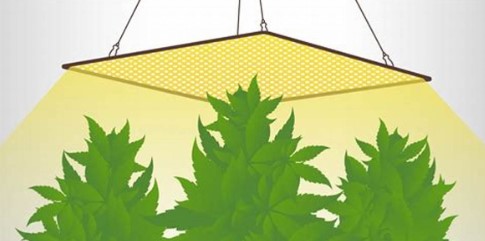
B. Light Requirements
- Indoor Cultivation:
- Optimal Light Spectrum:
- Vegetative Stage: Blue light spectrum (400-500 nm) promotes bushy growth.
- Flowering Stage: Red/Orange spectrum (600-700 nm) enhances bud development.
- Light Intensity:
- Vegetative Growth: 18/6 light cycle (18 hours light, 6 hours dark) with PPFD (Photosynthetic Photon Flux Density) of 400-600 µmol/m²/s.
- Flowering: Switch to a 12/12 cycle with PPFD of 700-1000 µmol/m²/s for denser trichome production.
- Optimal Light Spectrum:
- Outdoor Cultivation:
- Needs more than eight hours of sunlight per day.
- Prefers dry, Mediterranean-like climates.
2. Soil and Hydroponic Systems
A. Soil Cultivation
- Best Soil Type: Well-aerated, nutrient-rich organic soil with pH 6.0-6.5.
- Recommended Soil Amendments:
- Bat Guano & Worm Castings: Natural nitrogen sources.
- Bone Meal & Rock Phosphate: Phosphorus sources for flower development.
- Mycorrhizal Fungi & Beneficial Bacteria: Improves root health and nutrient uptake.
B. Hydroponic Cultivation
- Preferred Systems: Deep Water Culture (DWC) or Drip Irrigation for optimized nutrient uptake.
- Nutrient Solution pH: 5.8-6.2.
- EC (Electrical Conductivity) Levels:
- Vegetative Stage: 1.2 – 1.6 mS/cm.
- Flowering Stage: 1.8 – 2.2 mS/cm.
- Oxygenation: Ensuring proper oxygen levels in hydroponic reservoirs (via air stones) boosts root growth.
3. Nutrient Management
A. Essential Macronutrients
- Nitrogen (N):
- Required during the vegetative stage for lush foliage.
- Excess nitrogen in flowering can reduce bud quality.
- Phosphorus (P):
- Critical for root development and flowering.
- Potassium (K):
- Enhances resin production, bud density, and disease resistance.
B. Micronutrients
- Calcium (Ca) & Magnesium (Mg): Essential for cell wall strength and chlorophyll production.
- Sulfur (S): Boosts terpene synthesis, enhancing Chemdog #4’s lemon-diesel aroma.
C. Feeding Schedule
| Growth Stage | N-P-K Ratio | EC (mS/cm) | Feeding Frequency |
|---|---|---|---|
| Seedling | 2-1-2 | 0.8 – 1.0 | Every 3-4 days |
| Vegetative | 3-1-2 | 1.2 – 1.6 | Every 2-3 days |
| Early Flowering | 1-2-3 | 1.6 – 1.8 | Every 2 days |
| Late Flowering | 0-3-4 | 1.8 – 2.2 | Every 2 days |
| Flushing | 0-0-0 | 0.4 – 0.6 | Only water (2 weeks before harvest) |
4. Training Techniques for Maximizing Yield
Chemdog #4 is known for its vigorous growth and tall stature, making training techniques essential.
A. Low-Stress Training (LST)
- Why? Encourages multiple colas and increases light penetration.
- How? Gently bend stems and tie down branches during early vegetative growth.
B. Screen of Green (ScrOG)
- Uses a net to spread branches horizontally, maximizing bud sites.
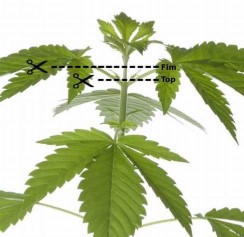
C. Topping & Fimming
- Topping: Cutting the main stem early to promote bushy growth.
- Fimming: Pinching new growth to create multiple bud sites.
D. Defoliation
- Removing large fan leaves during flowering improves air circulation, reducing the risk of mold.
5. Pest and Disease Prevention
Due to its dense bud structure, Chemdog #4 is susceptible to mold and pests.
A. Common Issues
| Issue | Symptoms | Prevention/Treatment |
|---|---|---|
| Powdery Mildew | White powdery spots on leaves | Maintain low humidity & improve airflow |
| Spider Mites | Tiny webbing on plants | Use neem oil or predatory mites |
| Bud Rot (Botrytis) | Brown, mushy buds | Ensure proper ventilation & humidity control |
| Root Rot (Pythium) | Yellowing, wilting leaves | Use beneficial bacteria & avoid overwatering |
B. Organic Pest Control
- Neem Oil: Prevents pests without harming beneficial microbes.
- Diatomaceous Earth: Acts as a physical barrier against insects.
- Companion Planting: Marigolds and basil naturally deter pests.
6. Harvesting and Post-Harvest Processing
A. Harvest Timing
- Optimal Harvest Window: 8-9 weeks of flowering.
- Trichome Inspection: Best harvested when trichomes are milky white with 10-20% amber.
B. Drying and Curing
Goal: Enhances terpene preservation and smoothness.
Drying:
Temperature: 60-70°F (15-21°C).
Humidity: 45-55% RH.
Duration: 7-10 days.
Curing:
Method: Store dried buds in airtight jars, burping daily for the first 2 weeks.
Conclusion
Chemdog #4 is a powerhouse strain that balances cerebral euphoria with deep physical relaxation. Its medical benefits range from pain relief to anxiety management, while its recreational effects make it a favorite among cannabis enthusiasts. Whether used for therapeutic purposes or leisure, Chemdog #4 remains one of the most potent and revered strains in the cannabis world.
Understanding its properties, cultivation requirements, and proper dosing ensures that both medical and recreational users can fully benefit from this exceptional strain.
For a complete directory of cultivars, visit our Cannabis Strain Reviews.
