Table of Contents
Chemdawg 91 is a legendary cannabis strain that has influenced many well-known hybrids. A part of the famous Chemdawg lineage, it is known for its potent effects, diesel-like aroma, and balanced high. It is widely recognized for its therapeutic benefits, making it a go-to strain for both recreational and medical cannabis users.
This guide provides an in-depth look into Chemdawg 91, including its origins, genetic profile, growing information, effects, scientific properties, and specific medical and recreational applications.
History and Origins
Background and Genetics
Chemdawg 91 is believed to have originated from the Chemdawg family, which has a somewhat mysterious history. According to cannabis lore, Chemdawg’s genetics stem from a bag of high-quality cannabis purchased at an early 1990s Grateful Dead show. This bag contained seeds that were later cultivated and led to multiple phenotypes, including Chemdawg 91, Chemdawg 4, and Chemdawg D.
The exact genetic lineage of Chemdawg 91 remains unknown, but it is suspected to be a cross between a Thai and Nepalese landrace strain or possibly an offshoot of a potent Skunk or Diesel variety. Many experts believe it played a role in the creation of powerhouse strains like Sour Diesel and OG Kush.
Naming and Timeline
- 1991 – The first known phenotype, Chemdawg 91, was identified.
- 1993-1995 – Additional phenotypes of Chemdawg were cultivated.
- 2000s – Chemdawg 91 gained widespread recognition among growers and cannabis enthusiasts.
- Present Day – It remains a staple for those seeking strong cerebral and body effects.
Strain Profile and Properties
Cannabinoid Profile
Chemdawg 91 is known for its high THC content, typically ranging between 18-26%, with minimal CBD. Its cannabinoid composition provides strong psychoactive effects, making it a favorite for users seeking an intense cerebral and physical high.
- THC: 18-26%
- CBD: <1%
- CBG: 0.5-1.2%
- Other cannabinoids: CBC and CBN trace levels.
Terpene Profile
Chemdawg 91’s signature diesel aroma and skunky, citrusy undertones come from its rich terpene profile. The dominant terpenes include:
- Myrcene (Herbal, musky) – Provides sedative, pain-relieving, and anti-inflammatory effects.
- Caryophyllene (Spicy, peppery) – Acts as a natural pain reliever and interacts with CB2 receptors.
- Limonene (Citrus, lemon) – Uplifts mood and contributes to anti-anxiety properties.
- Pinene (Pine, earthy) – Enhances focus and counteracts THC-induced short-term memory loss.
Growing Chemdawg 91
Growing Chemdawg 91 requires an advanced approach due to its sensitivity to environmental conditions, high nutrient demands, and susceptibility to mold. Below is a scientific breakdown of cultivation methods, including optimal growing conditions, nutrient requirements, and advanced techniques for maximizing yield and potency.
Genetic Considerations
Chemdawg 91 is believed to be a hybrid strain derived from Thai and Nepalese landraces or a Skunk/Diesel hybrid. Understanding its genetic background is essential for determining the best environmental conditions.
- Growth Type: Tall, bushy, and slightly lanky structure.
- Resilience: Moderate resistance to pests but prone to mold and mildew.
- Flowering Time: 9-10 weeks (indoor) or mid-late October (outdoor).
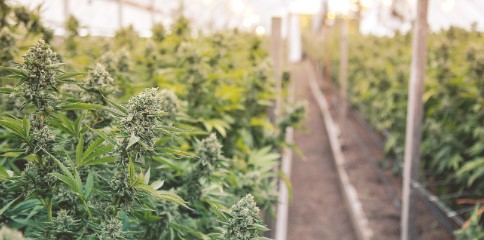
Optimal Environmental Conditions
Climate & Temperature
- Ideal Temperature Range: 70-82°F (21-28°C)
- Night Temperature: Should be kept 5-10°F cooler than daytime temperatures to enhance terpene production.
- Humidity Levels:
- Vegetative stage: 50-60% RH (Relative Humidity)
- Flowering stage: 40-45% RH
- Late flowering: 30-35% RH (to prevent mold and bud rot)
Scientific Justification: Lower humidity in flowering reduces the risk of fungal infections like Botrytis (bud rot), which Chemdawg 91 is prone to.
Lighting Requirements
Indoor Growing
- Light Cycle (Vegetative Stage): 18-24 hours of light
- Light Cycle (Flowering Stage): 12 hours light / 12 hours dark
- Best Lights:
- LEDs (Full Spectrum, 600W-1000W)
- HPS (High-Pressure Sodium) for Flowering (Encourages bud development)
- UVB Light (Supplementary) for Terpene and THC Production
Outdoor Growing
- Sunlight Exposure: Requires 8-12 hours of direct sunlight per day.
- Location: Prefers a Mediterranean or dry climate.
- Protection: Should be shielded from heavy rains and high humidity.
Scientific Justification: High-intensity light exposure promotes photosynthesis efficiency and cannabinoid biosynthesis, leading to higher THC and terpene production.
Nutrient & Soil Requirements
Chemdawg 91 is a heavy feeder, meaning it requires a high concentration of macronutrients (N-P-K) and micronutrients throughout its growth cycle.
Soil vs. Hydroponic Cultivation
- Best Soil Type: Loamy, pH 6.0-6.5, rich in organic matter.
- Soil Additives: Mycorrhizal fungi and beneficial bacteria to enhance nutrient absorption.
- Hydroponics: Encourages faster growth and higher yields, but requires strict pH and EC control.
Nutrient Schedule
Vegetative Stage (Weeks 1-6)
- Nitrogen (N): High levels to promote leafy growth.
- Phosphorus (P): Moderate levels to support root strength.
- Potassium (K): Essential for stalk and branch development.
✔ Recommended NPK Ratio: 3-1-2 or 4-2-3
✔ Silica supplements strengthen plant cell walls, making stems sturdier.
Flowering Stage (Weeks 7-10)
- Nitrogen: Reduced to prevent excessive leaf production.
- Phosphorus: Increased to support bud development.
- Potassium: Crucial for terpene and resin production.
✔ Recommended NPK Ratio: 1-3-4 or 0-5-7
✔ Calcium & Magnesium (Cal-Mag): Prevents deficiencies and enhances bud structure.
Scientific Justification: High phosphorus levels are essential for ATP production, which powers flower development. Potassium plays a role in stomatal function, improving water regulation and stress resistance.
Advanced Cultivation Techniques
To maximize potency, yield, and overall Chemdawg 91 health, advanced cultivation techniques should be implemented.
Low-Stress Training (LST)
- Goal: Enhances light penetration and promotes even canopy development.
- Method: Bending stems and securing them to encourage horizontal growth.
Scientific Justification: LST reduces apical dominance and stimulates auxin distribution, leading to multiple colas instead of one central bud.
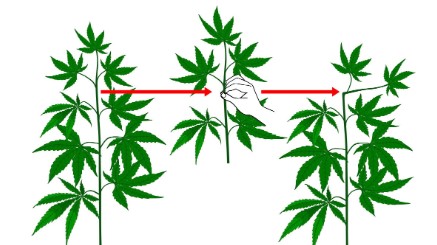
High-Stress Training (Topping & FIMing)
- Topping: Cutting the main shoot to encourage multiple colas.
- FIMing (“F*ck, I Missed”): Partial cutting of the new growth to increase bud sites.
Scientific Justification: Redirects plant hormones (cytokinins and gibberellins) to increase lateral growth and maximize yield.
Defoliation
- Purpose: Improves airflow and prevents mold by removing excess fan leaves.
- Best Timing: After week 3 of flowering (too early can stress the plant).
Scientific Justification: Increased airflow reduces humidity around dense buds, preventing fungal growth and improving light penetration for lower bud sites.
Supercropping
- Method: Carefully bending branches to create minor stress and strengthen stems.
- Benefits: Boosts nutrient uptake and cannabinoid production.
Scientific Justification: Causes micro-tears in the plant’s vascular system, forcing it to redirect nutrients to repair damage, which enhances trichome density and resin production.
Pest and Mold Prevention
Chemdawg 91 is highly susceptible to mold, requiring preventative measures.
Common Pests
- Spider Mites: Suck plant juices, causing leaf discoloration.
- Fungus Gnats: Lay eggs in soil and damage roots.
- Thrips: Can slow growth and transmit diseases.
Organic Pest Control
- Neem Oil: Antifungal & pest repellent (use in veg stage only).
- Predatory Insects: Ladybugs & predatory mites to control pests naturally.
- Companion Planting: Marigolds & basil deter pests.
Scientific Justification: Biocontrol using beneficial insects reduces pesticide use, promoting sustainable cultivation.
Mold Prevention
- Dehumidifiers & Air Circulation: Oscillating fans & dehumidifiers prevent stagnant air.
- Trichoderma (Beneficial Fungus): Prevents pathogenic fungi and promotes root health.
Scientific Justification: Mold thrives in high humidity and stagnant conditions. Using biological fungicides (e.g., Trichoderma) suppresses mold spores without harming the plant.
Harvesting & Post-Harvest Optimization
When to Harvest
- Optimal Trichome Color: Milky (cloudy) with 10-20% amber.
- Pistil Method: 70-80% of the pistils should be brown/orange.
✔ Harvest early for a more cerebral, energetic high.
✔ Harvest late for a more sedative, body-heavy effect.
Drying & Curing
Drying (7-14 Days)
- Temperature: 60-70°F (15-21°C)
- Humidity: 50-55% RH
- Method: Hang branches upside down in a dark room with gentle airflow.
Curing (2-8 Weeks)
- Jar Burping: Open jars daily for 10-15 minutes for the first 2 weeks.
- Ideal Storage Humidity: 58-62% RH.
Scientific Justification: Curing enhances terpene preservation and cannabinoid conversion, ensuring maximum potency and smoothness.
Effects and Experience
Psychoactive Effects
Chemdawg 91 delivers an intense cerebral high that quickly transitions into a relaxing body effect. The onset is fast and typically lasts between 3-5 hours, depending on dosage.

Initial Effects (0-15 minutes)
- Rush of euphoria
- Heightened sensory perception
- Increased creativity and mental stimulation
Peak Effects (15-60 minutes)
- Deep relaxation sets in
- Mood enhancement
- Socialization and talkative tendencies
Long-Lasting Effects (1-3 hours)
- Physical relaxation without sedation
- Mild couch-lock at higher doses
- Potential munchies (increased appetite)
Negative Side Effects
- Dry mouth (cottonmouth)
- Dry eyes
- Dizziness at high doses
- Paranoia and anxiety (especially in inexperienced users)
Medical Applications
Chemdawg 91 is widely used in the medical cannabis community due to its potent effects. It provides relief from a variety of physical and mental conditions.
Medical Benefits
Mental Health Conditions
- Anxiety & Stress: The limonene content can reduce stress, but high doses may trigger paranoia.
- Depression: Induces an uplifting, euphoric effect, making it useful for mood disorders.
- PTSD: The calming cerebral high can ease flashbacks and anxiety episodes.
Chronic Pain Management
- Migraines & Headaches: Reduces neuropathic pain.
- Arthritis & Muscle Spasms: Caryophyllene’s anti-inflammatory properties help with joint and muscle pain.
- Fibromyalgia & Back Pain: THC and CBG contribute to muscle relaxation.
Neurological Disorders
- Multiple Sclerosis (MS): Helps manage muscle spasticity and pain.
- Parkinson’s Disease: Assists in reducing tremors and rigidity.
Gastrointestinal Disorders
- Nausea & Vomiting: Beneficial for chemotherapy-induced nausea.
- Loss of Appetite: Stimulates hunger, making it useful for cancer patients and those with eating disorders.
Recreational Uses
Chemdawg 91 is a favorite among recreational users due to its strong psychoactive effects and well-balanced high.
Social and Creative Activities
- Best used for: Parties, creative projects, music appreciation, and outdoor adventures.
- Enhances: Socialization, conversation, and artistic expression.
Gaming and Movies
- Pairs well with immersive experiences due to heightened sensory perception.
- Enhances humor and enjoyment in lighthearted media.
Evening and Relaxation
- Excellent for relaxing after a demanding day.
- Can induce mild couch-lock at higher doses.
Ingestion Techniques and Their Scientific Foundation
The route of administration directly impacts the onset time, peak intensity, duration of effects, and bioavailability of cannabinoids like THC (tetrahydrocannabinol) and CBD (cannabidiol).
Inhalation (Smoking & Vaping)
Mechanism of Absorption:
- THC enters the lungs, where it is rapidly absorbed into the bloodstream.
- Bypasses first-pass metabolism in the liver.
- Reaches peak plasma levels within 2-10 minutes.
Types of Inhalation:
- Smoking (Joints, Pipes, Bongs)
- Burning plant material at high temperatures (600-900°F)
- Releases THC, terpenes, and cannabinoids into the smoke.
- Some cannabinoids may be lost due to combustion.
- Bioavailability: 25-30% (Varies with inhalation technique).
- Vaporization (Dry Herb Vaporizers, Dab Rigs, Vape Pens)
- Lower temperatures (315-450°F) preserve cannabinoids & terpenes.
- More efficient than smoking, with less harmful byproducts.
- Bioavailability: 35-60% (Higher than smoking).
Onset & Duration:
- Onset: 1-5 minutes (fastest among all methods).
- Peak Effects: 15-30 minutes.
- Total Duration: 2-4 hours.
- Pros: Fast onset, effective dose control.
- Cons: Short duration, potential lung irritation (especially from smoking).
Scientific Justification: Rapid absorption into alveolar capillaries ensures quick THC transport to the brain, activating CB1 receptors in the endocannabinoid system almost immediately.
Oral Consumption (Edibles & Capsules)
Mechanism of Absorption:
- Processed through the digestive system & metabolized in the liver.
- THC is converted into 11-hydroxy-THC, a more potent and longer-lasting metabolite.
- Slower onset but extended effects compared to inhalation.
Types of Oral Ingestion:
- Edibles (Gummies, Brownies, Chocolates)
- Require digestion and hepatic metabolism before activation.
- Bioavailability: ~4-12% (Lower due to first-pass metabolism).
- Capsules & THC Pills
- Same metabolic pathway as edibles.
- Predictable dosing and extended release.
- Bioavailability: ~5-20%.
Onset & Duration:
- Onset: 30-90 minutes (slower due to digestion).
- Peak Effects: 2-4 hours.
- Total Duration: 6-12 hours.
- Pros: Long-lasting effects, stronger psychoactive experience.
- Cons: Difficult to control dosage, delayed onset.
Scientific Justification: 11-hydroxy-THC is 2-3x more psychoactive than delta-9-THC, leading to stronger and prolonged effects.
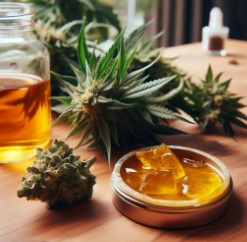
Sublingual Administration (Tinctures & Sprays)
Mechanism of Absorption:
- Absorbed directly into the bloodstream via oral mucosa.
- Bypasses first-pass metabolism in the liver, leading to faster onset than edibles.
- Higher bioavailability than edibles but lower than inhalation.
Types of Sublingual Products:
- Tinctures (THC Oil, Alcohol-Based Extracts)
- Placed under the tongue for 30-60 seconds before swallowing.
- Bioavailability: ~15-35%.
- Sprays (Oral THC Sprays)
- Similar mechanism, often in precise dosages.
- Preferred for medical use.
Onset & Duration:
- Onset: 15-45 minutes.
- Peak Effects: 60-90 minutes.
- Total Duration: 4-6 hours.
- Pros: Faster than edibles, more controlled dosing.
- Cons: Not as immediate as inhalation, taste may be unpleasant.
Scientific Justification: The oral mucosa contains a dense network of capillaries, allowing for faster absorption of THC in Chemdawg 91 directly into systemic circulation.
Transdermal Patches & Topicals
Mechanism of Absorption:
- Cannabinoids penetrate skin layers and enter the bloodstream gradually.
- Avoids first-pass metabolism but slow absorption.
- Mostly used for localized pain relief rather than psychoactive effects.
Types of Transdermal Products:
- THC/CBD Transdermal Patches
- Delivers steady, controlled doses over several hours.
- Bioavailability: ~30-50%.
- Topical Creams, Lotions & Balms
- Acts locally on CB2 receptors in the skin.
- No significant psychoactive effects unless formulated for transdermal absorption.
Onset & Duration:
- Onset: 30 minutes – 2 hours.
- Peak Effects: 2-4 hours.
- Total Duration: 6-12 hours.
- Pros: Long-lasting effects, ideal for chronic pain & inflammation.
- Cons: Limited psychoactive effects, slower onset.
Scientific Justification: THC and CBD in Chemdawg 91 have different dermal penetration rates, with lipophilic properties enabling slow diffusion through the skin barrier.
Comparative Overview of Onset, Peak, and Duration
| Ingestion Method | Onset Time | Peak Effects | Total Duration | Bioavailability |
|---|---|---|---|---|
| Smoking (Joints, Bongs) | 1-5 min | 15-30 min | 2-4 hours | 25-30% |
| Vaping | 1-5 min | 15-30 min | 2-4 hours | 35-60% |
| Edibles | 30-90 min | 2-4 hours | 6-12 hours | 4-12% |
| Capsules/Pills | 30-90 min | 2-4 hours | 6-12 hours | 5-20% |
| Sublingual (Tinctures, Sprays) | 15-45 min | 60-90 min | 4-6 hours | 15-35% |
| Transdermal Patches | 30 min – 2 hours | 2-4 hours | 6-12 hours | 30-50% |
| Topicals (Creams, Balms) | 30 min – 2 hours | Varies | 6-12 hours | Low |
Scientific Summary of Onset & Duration in Cannabis Consumption
- Inhalation (Smoking/Vaping):
- Fastest onset, shortest duration, higher bioavailability.
- Best for rapid symptom relief (pain, nausea, anxiety).
- Edibles & Capsules:
- Slow onset, longest duration, lower bioavailability.
- Best for long-lasting effects and strong psychoactive experiences.
- Sublingual (Tinctures, Sprays):
- Intermediate onset, moderate duration, bypasses first-pass metabolism.
- Best for controlled dosing and medical use.
- Transdermal & Topicals:
- Slow but prolonged absorption, localized effects.
- Best for pain relief, inflammation, and long-term therapeutic use.
Scientific Insights and Research
Pharmacology of Chemdawg 91
- THC interacts with CB1 receptors in the brain, leading to psychoactive effects.
- Caryophyllene binds to CB2 receptors, making it one of the only terpenes that act as a cannabinoid.
- Limonene enhances serotonin and dopamine, contributing to its mood-boosting effects.
Scientific Studies
- A 2020 study on THC and chronic pain found that strains like Chemdawg 91 provide effective pain relief with fewer opioid dependencies.
- Neuroscience research suggests that limonene-rich strains may help reduce symptoms of anxiety and depression.
- Emerging research on myrcene shows its potential role in anti-inflammatory and sedative effects.
Conclusion
Chemdawg 91 remains one of the most sought-after strains in both the medical and recreational cannabis communities. Its potent THC content, unique diesel aroma, and balanced cerebral-body effects make it ideal for stress relief, pain management, and creative stimulation.
Final Takeaways
✔ Powerful high with both cerebral and body effects
✔ Effective for pain, stress, and appetite stimulation
✔ Moderate-to-difficult strain to grow
✔ Best for experienced users due to high THC content
Whether used for therapeutic relief or recreational enjoyment, Chemdawg 91 continues to be a staple strain in the cannabis world.
For a complete directory of cultivars, visit our Cannabis Strain Reviews.
