Table of Contents
The Chem D.O.G. cannabis strain, a phenotype derived from the Chemdawg lineage, is recognized for its high tetrahydrocannabinol (THC) content, complex terpene profile, and strong psychoactive effects. It has been widely cultivated and utilized for both recreational and medicinal applications, particularly due to its ability to provide analgesic, anti-inflammatory, and anxiolytic effects.
As a hybrid strain with indica-leaning characteristics, Chem D.O.G. exerts both euphoric cerebral stimulation and profound physical relaxation. Its high THC content, typically ranging from 23% to 29%, makes it a potent option for experienced users and medical patients requiring high-potency therapeutic effects.
Genetic Lineage and Origin
The precise genetic lineage of Chem D.O.G. remains a subject of speculation. However, it is generally accepted that it originates from the Chemdawg strain, which emerged in the early 1990s. Chem D.O.G. is thought to be a descendant of landrace genetics from Nepal and Thailand, introduced into the United States through clandestine cultivation.
- Genetic Lineage: Chemdawg x Unknown Hybrid
- Dominance: Slightly indica-dominant (55% indica / 45% sativa)
- Cannabinoid Potency:
- THC: 23% – 29%
- CBD: 0.1% – 1%
- CBG: Up to 1%
- CBC: 0.3% – 0.6%
- Notable Derivatives: Sour Diesel, OG Kush, Stardawg
Chem D.O.G. exhibits robust genetic stability and has been extensively crossbred to develop high-potency hybrid strains with enhanced cannabinoid and terpene profiles.
Chemical Composition and Pharmacological Effects
The pharmacological effects of cannabis are primarily mediated by cannabinoids and terpenes, which interact with the endocannabinoid system (ECS), influencing both neurological and physiological processes.
Cannabinoid Profile
Cannabinoids are active compounds in Chem D.O.G. that bind to CB1 and CB2 receptors in the ECS, modulating neurotransmitter release.
| Cannabinoid | Concentration Range (%) | Primary Effects |
|---|---|---|
| Δ9-THC | 23% – 29% | Psychoactive, analgesic, antiemetic, appetite stimulant |
| CBD | 0.1% – 1% | Anxiolytic, neuroprotective, anti-inflammatory |
| CBG | Up to 1% | Anti-inflammatory, antibacterial, neuroprotective |
| CBC | 0.3% – 0.6% | Antidepressant, pain modulator, anti-cancer potential |
- High THC content leads to strong euphoric and psychoactive effects.
- Low CBD levels result in minimal counteraction to THC-induced anxiety or paranoia.
- CBG presence contributes to anti-inflammatory and neuroprotective properties.
Terpene Profile
Terpenes are aromatic compounds that enhance the entourage effect, modulating the impact of cannabinoids.
| Terpene | Aroma Profile | Potential Effects |
|---|---|---|
| β-Caryophyllene | Spicy, Peppery | Analgesic, anti-inflammatory, interacts with CB2 receptors |
| Myrcene | Earthy, Herbal | Sedative, muscle relaxant, enhances THC effects |
| Limonene | Citrus, Lemon | Mood elevation, anxiolytic, anti-depressant |
| Pinene | Pine, Fresh | Bronchodilator, cognitive enhancement, anti-inflammatory |
The high concentration of β-caryophyllene and myrcene makes Chem D.O.G. particularly effective for pain relief, muscle relaxation, and stress reduction.
Pharmacological and Medical Applications
Cannabinoids and terpenes within Chem D.O.G. interact with CB1 receptors (central nervous system) and CB2 receptors (immune and peripheral tissues) to modulate pain, mood, inflammation, and neurological processes.
Potential Therapeutic Applications
Chem D.O.G. demonstrates efficacy in multiple therapeutic areas:
| Condition | Mechanism of Action | Effectiveness |
|---|---|---|
| Chronic Pain | CB1/CB2 receptor interaction, β-caryophyllene-mediated anti-inflammatory response | High |
| Anxiety & Depression | Limonene-induced serotonin modulation, THC euphoria | Moderate (dose-dependent) |
| Neuropathic Pain | CBG neuroprotective effects, THC analgesia | High |
| Insomnia | Myrcene sedation, THC-induced sleep promotion | High |
| Appetite Stimulation | CB1 receptor activation by THC | High |
| Inflammatory Disorders | β-Caryophyllene CB2 activation, reduction of cytokine production | Moderate |
- Chronic pain management: High levels of THC and β-caryophyllene in Chem D.O.G. provide effective pain relief via CB1 and CB2 receptor activation.
- Mental health applications: Limonene may contribute to mood enhancement, but high THC levels can induce anxiety at excessive doses.
- Appetite stimulation: THC binding to CB1 receptors increases ghrelin release, enhancing appetite.
Recreational and Psychoactive Effects
Chem D.O.G. is a high-potency strain with a rapid onset of effects. The psychoactive properties result from THC binding to CB1 receptors in the central nervous system, altering dopamine release and neural connectivity.
Subjective Psychoactive Effects
| Time Frame | Effects |
|---|---|
| Onset (0-15 min) | Intense cerebral stimulation, increased sensory perception, euphoria |
| Peak (30 min – 1 hr) | Enhanced focus, creativity, possible psychedelic effects, potential anxiety at high doses |
| Sustained (1-3 hrs) | Strong body relaxation, mild sedation, possible couch-lock |
| Final (3-4 hrs) | Residual relaxation, mild lethargy |
- Low doses (~5-10 mg THC): Mild euphoria, increased focus, enhanced socialization.
- Moderate doses (~15-25 mg THC): Strong psychoactive experience, heightened creativity, relaxation.
- High doses (30 mg+ THC): Sedative effects, potential paranoia, time distortion.
Methods, Onset, and Duration of Effects
The pharmacokinetics and pharmacodynamics of Chem D.O.G. depend heavily on the route of administration, which influences bioavailability, onset time, peak effects, and duration. This section provides a comprehensive scientific breakdown of different ingestion methods, including inhalation, oral consumption, and sublingual administration.

1. Methods of Ingestion
Cannabis compounds in Chem D.O.G. (primarily THC, CBD, and terpenes) interact with CB1 and CB2 receptors in the endocannabinoid system (ECS). The route of administration significantly impacts how cannabinoids are absorbed, metabolized, and exert their effects.
1.1 Inhalation (Smoking and Vaporization)
Mechanism:
- Inhaled cannabis is absorbed via pulmonary alveoli in the lungs.
- THC and other cannabinoids enter the bloodstream directly, bypassing first-pass metabolism in the liver.
- Onset is rapid due to high bioavailability and direct passage into the systemic circulation.
| Factor | Smoking | Vaporization |
|---|---|---|
| Onset Time | 2 – 5 minutes | 1 – 3 minutes |
| Peak Effects | 30 – 60 minutes | 20 – 40 minutes |
| Duration | 2 – 4 hours | 1.5 – 3.5 hours |
| Bioavailability | ~30% | ~50-80% |
| Health Risks | Combustion byproducts | Reduced lung irritation |
Scientific Considerations:
- Vaporization heats cannabinoids to 200-230°C, preventing combustion byproducts such as benzene, tar, and carbon monoxide, making it a more secure option than smoking.
- Studies show vaporization preserves up to 95% of cannabinoids, whereas smoking destroys a significant percentage due to combustion.
1.2 Oral Ingestion (Edibles, Capsules, and Beverages)
Mechanism:
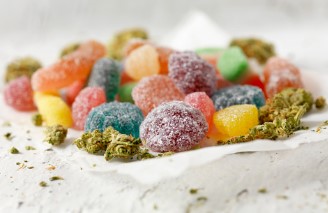
- Cannabinoids pass through the gastrointestinal tract, where they are absorbed into the bloodstream.
- In the liver, THC is metabolized into 11-hydroxy-THC, a more potent, long-lasting metabolite.
- This metabolic conversion leads to stronger psychoactive effects compared to inhalation.
| Factor | Edibles/Capsules |
|---|---|
| Onset Time | 30 – 90 minutes |
| Peak Effects | 2 – 4 hours |
| Duration | 4 – 8 hours (sometimes up to 12) |
| Bioavailability | ~4-20% (lower than inhalation) |
Scientific Considerations:
- 11-hydroxy-THC has higher blood-brain barrier permeability, leading to stronger, prolonged effects.
- Bioavailability is lower than inhalation due to first-pass metabolism.
- Factors such as dietary fat content, metabolism rate, and liver enzyme activity affect absorption efficiency.
1.3 Sublingual and Buccal Administration (Tinctures, Sprays, Lozenges)
Mechanism:
- Cannabinoids are absorbed directly through the oral mucosa, bypassing the digestive system and liver metabolism.
- This results in a faster onset than edibles but a slightly longer duration than inhalation.
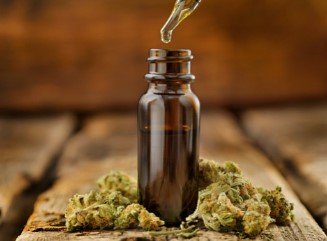
| Factor | Tinctures/Sprays |
|---|---|
| Onset Time | 15 – 45 minutes |
| Peak Effects | 1 – 2 hours |
| Duration | 3 – 6 hours |
| Bioavailability | ~20-35% |
Scientific Considerations:
- Sublingual absorption avoids first-pass liver metabolism, allowing higher THC bioavailability.
- Studies show tinctures have more predictable dosing than edibles.
- Effects may be modulated by carrier oils (MCT oil, ethanol-based solutions, etc.), affecting absorption rates.
1.4 Transdermal Patches
Mechanism:
- Cannabinoids are absorbed through the skin and into the bloodstream at a controlled rate.
- Provides sustained, steady systemic release, rather than immediate effects.
| Factor | Transdermal Patches |
|---|---|
| Onset Time | 30 – 90 minutes |
| Peak Effects | 2 – 4 hours |
| Duration | 8 – 24 hours |
| Bioavailability | ~50-70% (steady release) |
Scientific Considerations:
- Transdermal formulations use lipophilic enhancers to increase skin permeability.
- THC and CBD bypass gastrointestinal metabolism, leading to longer-lasting therapeutic effects.
2. A Comparative Study of Duration and Onset
Different ingestion methods affect how quickly and how long Chem D.O.G. exerts effects. Below is a comparative breakdown.
| Method | Onset Time | Peak Effects | Duration | Bioavailability |
|---|---|---|---|---|
| Smoking | 2 – 5 min | 30 – 60 min | 2 – 4 hours | ~30% |
| Vaporization | 1 – 3 min | 20 – 40 min | 1.5 – 3.5 hours | ~50-80% |
| Edibles | 30 – 90 min | 2 – 4 hours | 4 – 8 hours | ~4-20% |
| Sublingual (Tinctures) | 15 – 45 min | 1 – 2 hours | 3 – 6 hours | ~20-35% |
| Transdermal | 30 – 90 min | 2 – 4 hours | 8 – 24 hours | ~50-70% |
3. Pharmacokinetics and Metabolism of Chem D.O.G.
3.1 Absorption
- Inhalation methods of Chem D.O.G. provide direct pulmonary absorption, leading to fast onset and high bioavailability.
- Chem D.O.G. edibles require intestinal absorption and hepatic metabolism, resulting in slower onset and prolonged duration.
- Lipophilic nature of cannabinoids affects absorption efficiency, with higher-fat meals increasing THC bioavailability.
3.2 Metabolism
- THC is metabolized in the liver by cytochrome P450 enzymes (CYP2C9, CYP2C19, CYP3A4).
- Primary metabolite: 11-hydroxy-THC (psychoactive, longer-lasting).
- Secondary metabolite: THC-COOH (inactive, excreted via urine and feces).
3.3 Elimination
- Half-life varies by method of ingestion:
- Inhalation: 1 – 2 days.
- Edibles: 4 – 7 days due to lipid storage and slow release.
- Chronic users exhibit prolonged elimination due to THC accumulation in adipose tissue.
Cultivation and Growth Characteristics
Cultivating Chem D.O.G. Cannabis Strain
The cultivation of Chem D.O.G. requires precise environmental control and optimized agricultural techniques due to its high resin production, moderate mold susceptibility, and high cannabinoid potential. Below is a detailed analysis of scientific cultivation methods, including growth cycle management, nutrient requirements, and environmental controls.
1. Cultivation Conditions and Growth Cycle Optimization
1.1 Environmental Parameters
| Factor | Optimal Range | Effects on Growth |
|---|---|---|
| Temperature | 20-26°C (68-79°F) | Regulates enzymatic activity and terpene synthesis |
| Humidity | 45-55% (Vegetative), 40-50% (Flowering) | Prevents mold while optimizing transpiration |
| CO₂ Levels | 1200-1500 ppm (Flowering Stage) | Enhances photosynthesis, increasing yield |
| Light Cycle | 18/6 (Vegetative), 12/12 (Flowering) | Triggers hormonal shifts for optimal growth |
| Soil pH | 5.8 – 6.5 | Maintains nutrient availability and uptake |
| EC (Electrical Conductivity) | 1.0 – 2.2 mS/cm | Prevents nutrient lockout and toxicity |
1.2 Growth Cycle and Stages
- Germination Stage (1-7 days)
- Seeds should be germinated in sterile, pH-balanced water (pH 5.8 – 6.2) or a paper towel method.
- Optimal germination temperature: 22-25°C (72-77°F).
- A light intensity of ~100 µmol/m²/s is recommended for seedlings.
- Vegetative Stage (4-6 weeks)
- Light cycle: 6 hours of darkness and 18 hours of brightness.
- Nutrient profile: Higher nitrogen (N) for chlorophyll production and structural growth.
- Relative humidity: 45-55% to support transpiration and CO₂ uptake.
- Flowering Stage (8-10 weeks)
- Light cycle shift: 12 hours light / 12 hours dark to trigger flowering.
- Reduce nitrogen intake while increasing phosphorus (P) and potassium (K) for flower development.
- Maintain humidity at 40-50% to prevent mold growth.
2. Hydroponic vs. Soil Cultivation
Chem D.O.G. can be cultivated in either soil-based or hydroponic systems, but each has unique advantages.
2.1 Soil-Based Cultivation
- Best Medium: Organic soil rich in mycorrhizal fungi, beneficial microbes, and humic acids.
- Soil Composition:
- 40% coco coir or peat moss (enhances aeration and water retention).
- 30% perlite or vermiculite (drainage and root oxygenation).
- 20% organic compost (nutrient availability).
- 10% worm castings or bat guano (natural nitrogen source).
- pH Range: 6.0 – 6.5 for optimal nutrient absorption.
2.2 Hydroponic Cultivation
Hydroponic systems enhance yield and control over nutrient uptake but require precise monitoring.
| Hydroponic System | Benefits | Challenges |
|---|---|---|
| Deep Water Culture (DWC) | Accelerated growth, higher oxygenation | Requires aeration and pH stabilization |
| Nutrient Film Technique (NFT) | Efficient nutrient uptake, low water use | Susceptible to root rot |
| Aeroponics | Maximized oxygenation, highest yields | High maintenance and technical expertise required |
- Nutrient Solution:
- EC (Electrical Conductivity): 1.2 – 2.0 mS/cm depending on the stage.
- pH: 5.8 – 6.2 (lower than soil for better nutrient solubility).
- Macro Nutrients (NPK Ratio):
- Vegetative: 4:2:3 (Higher nitrogen).
- Flowering: 2:4:5 (Higher phosphorus and potassium).
3. Advanced Cultivation Techniques
3.1 Low-Stress Training (LST)
- Definition: Bending and securing branches to increase light exposure and enhance lateral growth.
- Benefits:
- Increases bud sites and yield.
- Prevents apical dominance, promoting even canopy growth.
3.2 High-Stress Training (HST)
- Techniques:
- Topping: Cutting the main stem at early vegetative growth to encourage multiple colas.
- Supercropping: Gently crushing stems to increase secondary metabolite (THC and terpene) production.
3.3 SCROG (Screen of Green)
- Uses a horizontal netting system to train branches through a screen.
- Maximizes light distribution, leading to higher cannabinoid yield.
3.4 CO₂ Supplementation
- Increasing CO₂ to 1200-1500 ppm during flowering enhances photosynthetic efficiency.
- Requires high-intensity lighting (LED or HPS, ~800-1000 µmol/m²/s PAR).
4. Pest and Disease Management
Chem D.O.G. is prone to powdery mildew and botrytis (gray mold) due to its dense flower structure.
4.1 Common Pests
| Pest | Prevention | Treatment |
|---|---|---|
| Spider Mites | Maintain humidity below 55%, increase air circulation | Neem oil, predatory mites |
| Fungus Gnats | Use well-draining soil, allow topsoil to dry | Bacillus thuringiensis (BTI), sticky traps |
| Aphids | Introduce ladybugs or neem oil spray | Insecticidal soap |
4.2 Common Diseases
| Disease | Causes | Prevention |
|---|---|---|
| Powdery Mildew | High humidity, stagnant air | Improve ventilation, apply silica foliar sprays |
| Botrytis (Bud Rot) | Excess moisture, dense buds | Reduce humidity below 50%, increase airflow |
5. Harvesting and Post-Harvest Optimization
5.1 Harvest Timing Based on Trichome Maturity
- Early Harvest (Clear Trichomes, Low Amber %): Produces a more stimulating, energetic high.
- Ideal Harvest (70% Milky, 20-30% Amber Trichomes): Balanced effects with maximum THC.
- Late Harvest (High Amber %): Higher CBN (Cannabinol) levels, resulting in sedative effects.
5.2 Drying and Curing Process
- Drying:
- Temperature: 18-22°C (65-72°F).
- Humidity: 50-60% for slow drying (7-10 days).
- Maintain air circulation to prevent mold.
- Curing:
- Store in glass jars at 58-62% RH.
- Burp jars daily for CO₂ release and moisture control.
- Minimum curing time: 2-4 weeks for optimal terpene retention.
7. Conclusion
Chem D.O.G. is a high-potency hybrid strain characterized by intense cerebral stimulation, strong analgesic properties, and a pungent, fuel-like aroma. Due to its rich terpene and cannabinoid profile, it is used both recreationally for its euphoric effects and medically for pain relief, appetite stimulation, and anxiety management.
Advantages
- High THC potency (23-29%)
- Strong pain relief and appetite stimulation
- Euphoric yet sedative effects
Disadvantages
- Prone to inducing paranoia at high doses
- Requires controlled cultivation to prevent mold
- Not suitable for beginners due to high potency
For a complete directory of cultivars, visit our Cannabis Strain Reviews.
