Table of Contents
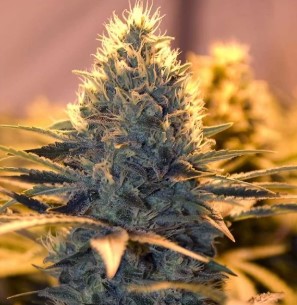
Cheese is one of the most recognizable and enduring cannabis strains, both for its potent effects and its signature pungent aroma. Known for its strong, sour, and earthy scent reminiscent of aged cheese, the strain has established a distinct niche for itself in the cannabis industry. Originating in the UK in the 1980s, Cheese has served as a genetic foundation for numerous hybrids and remains a popular cultivar among recreational and medicinal users.
Genetic Background
Cheese is generally classified as a hybrid strain with indica-dominant traits, although specific expressions may vary. Its original genetic lineage can be traced back to:
- Skunk #1 – a balanced hybrid developed by Sacred Seed Co. in the 1970s that combines Afghani, Acapulco Gold, and Colombian Gold. It is known for its high yield, rapid flowering, and strong pungent aroma.
- Afghani landrace influences – contribute to the dense structure, relaxing effects, and resin production.
The original Cheese clone-only cut is believed to have been stabilized by Exodus, a UK-based collective, in the late 1980s and early 1990s. The strain is sometimes called “Exodus Cheese” for this reason.
Cannabinoid Profile
Cheese generally features a THC content ranging between 14% and 20%, with some phenotypes exceeding 21%. It typically contains minimal CBD (<0.5%), although some crosses (e.g., CBD Cheese) have been bred for higher CBD levels.

Average Cannabinoid Content (Exodus Cheese phenotype):
- THC: 16% – 20%
- CBD: 0.1% – 0.4%
- CBG: 0.3% – 0.7%
- CBC: 0.1% – 0.2%
Terpene Profile
The aroma of Cheese is dominated by a rich and complex terpene profile, which influences both scent and therapeutic effects.
Primary Terpenes:
- Myrcene – Sedative, analgesic, and muscle relaxant effects; contributes to earthy and musky base notes.
- Caryophyllene – Anti-inflammatory and gastroprotective; binds to CB2 receptors.
- Limonene – Uplifting and anti-anxiety properties; adds citrusy hints to the aroma.
- Humulene – Appetite suppressant and anti-inflammatory.
- Linalool (in some cuts) – Adds floral complexity; known for anxiolytic effects.
The signature “cheese” smell is thought to result from a unique combination of volatile sulfur compounds (VSCs), similar to those found in fermented dairy products and skunky beer. The exact chemical structure of these VSCs remains an active research area.
Morphology and Cultivation
Cultivar Overview: Horticultural Traits
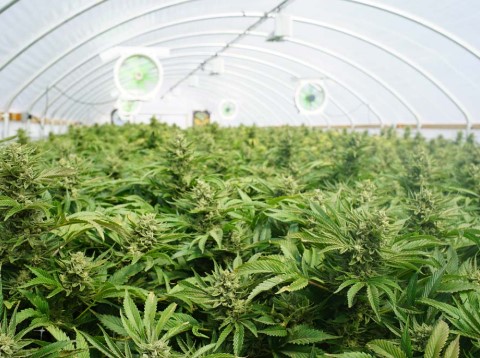
Cheese is generally considered a moderately easy plant to grow, but its dense bud structure and strong odor require careful environmental control. Scientifically, its phenotype tends to express:
- Indica-style morphology: Bushy growth, wide leaves, short internodal spacing.
- Hybrid vigor: Fast vegetative growth, moderate stretch during flowering.
- Photoperiodic behavior: Not autoflowering; relies on light cycles for blooming.
Genotype–Environment Interactions (GxE)
Cheese responds robustly to microclimate conditions, and slight changes in humidity, light spectrum, or nutrient profile can significantly affect its cannabinoid and terpene expression.
Key GxE considerations:
- Terpene biosynthesis (especially volatile sulfur compounds) increases under UV-B stress and slightly lower nitrogen levels.
- Myrcene content rises with longer photoperiods and cooler nighttime temps.
- Cannabinoid accumulation (mainly THC) peaks when Cheese is exposed to stable PAR (Photosynthetically Active Radiation) intensities of ~600–1000 µmol/m²/s in flowering.
Indoor Cultivation: Controlled Environment Agriculture (CEA)
Environmental Parameters:
| Parameter | Veg Stage | Flower Stage |
|---|---|---|
| Temperature | 22–26°C (72–78°F) | 20–25°C (68–77°F) |
| RH (Humidity) | 60–70% | 40–50% |
| CO₂ Enrichment | 400–1000 ppm | 800–1200 ppm |
| Light Cycle | 18/6 | 12/12 |
Lighting:
- Full-spectrum LEDs or HPS lights are recommended.
- UV-B supplementation during flowering (late weeks 6–8) boosts resin production and minor cannabinoids like CBG and THCV.
Training Techniques:
- SCROG (Screen of Green): Maximize horizontal canopy spread, allowing even light penetration to dense, indica-style colas.
- Topping/FIMing: Enhances lateral branch growth and promotes multiple colas.
- LST (Low-Stress Training): Prevents mold by opening airflow pathways within the canopy.
Substrate and Nutrients
Cheese performs well in both hydroponic and soil-based systems, but each medium influences the secondary metabolite profile differently.
Soil (Organic Super Soil):
- Enhances terpene complexity.
- Requires microbial inoculation (e.g., Trichoderma, Mycorrhizae) for optimal nutrient cycling.
Coco Coir:
- Inert, allows precise control of nutrient dosing.
- Best for hydro-organic systems where EC and pH are carefully monitored.
Nutrient Ratios:
- Veg Phase (Weeks 1–4): NPK 3-1-2 with elevated Ca and Mg.
- Flower Phase (Weeks 5–10): NPK 1-3-2 with sulfur supplementation (S is a co-factor in VSC biosynthesis).
- Micronutrients: Iron, zinc, and molybdenum are essential for cannabinoid synthase enzymes.
Terpene Enhancement Techniques
To maximize the “cheesy funk” and medicinal value, certain stressors and stimuli can be used:
- Slight sulfur supplementation in mid to late flowering (organosulfur amino acids help VSCs).
- UV-B and Far-Red Light: Stimulates resin gland expansion.
- Cold Shock (late flowering): Night temps at 15–17°C can increase anthocyanin and terpene output.
- Deficit irrigation: Mild water stress pre-harvest increases trichome density.
Outdoor Cultivation: Agroecological Approach
Climate Compatibility:
- Optimal in Mediterranean climates (dry summers, cool nights).
- Cheese’s dense flowers are prone to mold—not ideal for humid or rainy environments unless mold-resistant hybrids are used.
Plant Spacing:
- 1–1.5 meters apart to ensure airflow.
- Staking or caging required due to heavy buds prone to snapping.
Pest and Disease Control:
- Integrated Pest Management (IPM) strategies recommended:
- Beauveria bassiana and Neem oil for aphid and whitefly control.
- Silica foliar sprays increase cell wall rigidity, deterring mildew.
- Remove lower fan leaves during flowering to prevent powdery mildew.
Harvest Timing and Post-Harvest Handling
Trichome Monitoring:
- Ideal harvest window: 10–20% amber trichomes for balanced potency.
- Delayed harvest may increase CBN (oxidized THC), adding to sedation.
Drying and Curing:
- Drying: 10–14 days at 60% RH and 18–20°C in darkness.
- Curing: 4–8 weeks in airtight jars, burped daily.
- Curing optimizes terpene preservation and smoothness.
- Volatile sulfur compounds become more pronounced after proper curing.
Yield Optimization
Average Yields:
- Indoor: 500–600g/m²
- Outdoor: 700–1000g/plant (in ideal climates)
Yield Boosters:
- CO₂ enrichment: Increases photosynthesis and bud density.
- Biostimulants: Seaweed extracts and humic acids increase root vigor and nutrient uptake.
- Silica supplements: Improve structural rigidity and trichome production.
Scientific Considerations for Breeders
Breeding Goals:
- Stabilize cheese odor expression via VSC-associated gene markers.
- Introduce Botrytis resistance from hybrid lines.
- Combine Cheese with high-CBD strains for broader medical applications.
Genetic Mapping:
- Marker-Assisted Selection (MAS) can be used to isolate traits like:
- High-THC or high-CBD expression.
- Elevated myrcene and caryophyllene levels.
- Pest resistance genes from landrace stock.
Common Cultivation Issues
| Issue | Symptoms | Solution |
|---|---|---|
| Bud Rot | Gray mold in dense colas | Improve airflow; apply Bacillus subtilis |
| Nutrient Burn | Browning of leaf tips | Flush and reduce EC levels |
| Sulfur Deficiency | Pale new growth, poor aroma development | Use sulfate-based fertilizers |
| pH Imbalance | Leaf curl, yellowing | Maintain pH: 5.8–6.2 (hydro), 6.3–6.8 (soil) |
Recreational Uses
Cheese is celebrated in the recreational cannabis community for its unique sensory experience and balanced psychoactive effects. Its high is both cerebral and body-focused, making it a versatile strain.
1. Euphoria and Mood Enhancement
- Users report an immediate sense of well-being, positivity, and mental uplift.
- Excellent for unwinding socially or enhancing creative activities such as art, music, and conversation.
2. Relaxation and Sedation
- While the high starts with mental clarity and light stimulation, it evolves into a calming, mellow body high.
- Ideal for evening use but not overly sedating unless consumed in high quantities.
3. Appetite Stimulation
- Strong munchies effect, making it popular among those looking to enhance appetite during leisure or for gastronomic enjoyment.
4. Sensory Amplification
- Enhances visual and auditory perception, especially under the influence of music, films, or nature.
- The flavor profile (cheesy, earthy, sweet) also makes it a novelty among cannabis connoisseurs.
Medical Uses
Phytochemical Profile Relevant to Medicine
Cheese’s therapeutic versatility stems from its key active compounds:
Major Cannabinoids:
- THC (Δ⁹-tetrahydrocannabinol): Primary psychoactive component; analgesic, antiemetic, muscle relaxant.
- CBG (Cannabigerol): Non-psychoactive; neuroprotective, anti-inflammatory.
- CBC (Cannabichromene): Promotes neurogenesis, contributes to mood elevation.
Minor Cannabinoids (trace):
- CBN (Cannabinol): Mildly sedative; forms as THC oxidizes.
- THCV (in some cuts): Appetite-suppressant and anti-inflammatory.
Terpenes (key modulators):
- Myrcene: Sedative, muscle relaxant, enhances blood–brain barrier permeability.
- Caryophyllene: Acts on CB2 receptors; reduces inflammation and neuropathic pain.
- Limonene: Anti-anxiety, antidepressant via serotonin receptor modulation.
- Humulene: Appetite suppressant, anti-inflammatory.
- Linalool (present in trace amounts): Anxiolytic and anticonvulsant.
Mechanisms of Action in the Human Body
A. Endocannabinoid System (ECS) Modulation
- THC binds primarily to CB1 receptors in the brain, reducing pain, stimulating appetite, and modulating mood.
- Caryophyllene uniquely binds to CB2 receptors, attenuating inflammation and immune response without intoxication.
- Myrcene enhances GABAergic signaling, leading to muscle relaxation and anxiety reduction.
B. Neurotransmitter Regulation
- THC indirectly stimulates dopamine release, improving mood and motivation.
- Limonene modulates serotonin receptors (5-HT1A), providing anxiolytic and antidepressant-like effects.
Medical Use Cases with Scientific Rationale
A. Chronic Pain Disorders
Target Conditions:
- Neuropathy (e.g., diabetic or HIV-associated)
- Fibromyalgia
- Arthritis (RA, osteoarthritis)
- Lower back pain
Scientific Basis:
- THC + Myrcene synergy blocks nociceptive signals at the spinal cord level.
- Caryophyllene + CBG reduce inflammatory mediators like IL-6 and TNF-α.
- Animal models show THC decreases hyperalgesia and allodynia via CB1 receptor activation in dorsal horn neurons.
Delivery Recommendation:
- Vaporization or tinctures for rapid onset and titratable dosing.
B. Anxiety and PTSD
Target Conditions:
- Generalized Anxiety Disorder (GAD)
- Social Anxiety
- PTSD (especially hypervigilance and intrusive memories)
Scientific Basis:
- Limonene increases synaptic serotonin via modulation of 5-HT1A.
- Myrcene and linalool enhance GABAergic transmission, acting as natural anxiolytics.
- Clinical trials show THC/CBD combinations reduce amygdala overactivity linked to anxiety.
Cautions:
- Overuse of THC may worsen anxiety in sensitive users—ideal in microdosed or controlled regimens.
C. Depression and Mood Disorders
Target Conditions:
- Dysthymia
- Bipolar depression (adjunct only)
- Situational depressive episodes
Scientific Basis:
- Dopaminergic stimulation by THC counteracts anhedonia (lack of pleasure).
- CBC and limonene increase neuroplasticity and neurogenesis in the hippocampus (linked to long-term mood improvements).
Notes:
- Better suited for patients with lethargy and lack of motivation due to its mildly stimulating onset.
D. Appetite Stimulation and Weight Management
Target Conditions:
- Cachexia (wasting syndrome)
- Anorexia nervosa
- Chemotherapy-induced appetite loss
- HIV/AIDS-associated wasting
Scientific Basis:
- THC activates CB1 receptors in the hypothalamus, increasing ghrelin secretion (hunger hormone).
- Enhances the hedonic (pleasure-based) aspects of food perception, improving caloric intake.
Medical Observations:
- Often effective within 15–30 minutes post-inhalation.
- Can be paired with high-protein diets to aid in lean mass recovery.
E. Insomnia and Sleep Disorders
Target Conditions:
- Delayed sleep onset
- Insomnia from pain or anxiety
- Disrupted sleep cycles (e.g., in PTSD or chronic illness)
Scientific Basis:
- Myrcene + THC extend sleep duration and reduce latency by enhancing adenosine activity.
- CBN (present in small amounts or increased via curing) adds sedative synergy.
- Preclinical models confirm that THC reduces REM density, which can be beneficial for PTSD-related nightmares.
Delivery:
- Oral preparations preferred for longer sleep maintenance (edibles, capsules).
- Inhalation useful for rapid sleep induction.
F. Gastrointestinal Disorders
Target Conditions:
- Irritable Bowel Syndrome (IBS)
- Crohn’s disease
- Ulcerative colitis
- Functional dyspepsia
Scientific Basis:
- THC and caryophyllene modulate gut motility and pain via CB1 and CB2 in the enteric nervous system.
- Anti-inflammatory effects at epithelial levels reduce cytokine storms.
- Linalool and myrcene reduce gastric hypermotility and cramping.
Emerging Research:
- ECS dysfunction has been implicated in IBS; modulating the ECS with cannabinoids like those in Cheese shows promise in restoring homeostasis.
G. Muscle Spasms and Spasticity
Target Conditions:
- Multiple sclerosis (MS)
- Parkinsonian rigidity
- Cervical dystonia
- Spinal cord injuries
Scientific Basis:
- CB1 receptor activation reduces excessive motor neuron firing.
- Myrcene and limonene provide additional muscle relaxation via GABA modulation.
- Evidence supports cannabinoids for reducing MS-related spasticity (confirmed in trials of nabiximols).
H. Migraines and Neurovascular Pain
Target Conditions:
- Classic migraine with aura
- Cluster headaches
- Cervicogenic headaches
Scientific Basis:
- THC suppresses cortical spreading depression (aura precursor).
- Anti-inflammatory action in trigeminal nerve pathways.
- Caryophyllene reduces neuroinflammation at the brainstem level.
Patient Reports:
- Rapid relief from nausea, light sensitivity, and pain when consumed at migraine onset.
Clinical and Observational Research
While Cheese itself hasn’t been the subject of major clinical trials, strains with similar profiles have:
Key Findings from Related Strain Studies:
- Skunk-derived strains (like Cheese) have shown efficacy in reducing pain, anxiety, and improving sleep in surveys (e.g., 2014 BMC study).
- A 2018 Israeli study on high-THC, terpene-rich cultivars showed:
- 70% of chronic pain patients reduced opiate use.
- 55% reported improved quality of life.
- Nabiximols (Sativex)—a balanced THC/CBD medication derived from a chemovar similar to Cheese—has been approved in several countries for MS spasticity, highlighting the value of terpenoid synergy.
Dosage and Delivery
Methods:
- Inhalation: Fast onset; ideal for acute symptoms (e.g., pain, anxiety).
- Sublingual tinctures: Controlled dosing; useful for chronic issues and nocturnal use.
- Edibles: Long-lasting effects; better for appetite stimulation, insomnia, GI issues.
Suggested Medical Doses:
- Inhalation: 1–3 puffs (THC ~15–20%) as needed.
- Tinctures: Start with 2.5mg THC; titrate slowly.
- Edibles: 2.5–5mg THC initially, especially for naive patients.
Risks and Contraindications in Medical Use
Adverse Reactions:
- Anxiety/paranoia (dose-dependent, more common in THC-sensitive patients)
- Impairment of short-term memory (particularly after regular usage)
- Dizziness/hypotension (transient and self-limiting)
- Mild tolerance and dependence potential with long-term use
Caution in:
- Patients with bipolar mania or schizophrenia
- Adolescents (due to possible effects on developing brain)
- Individuals with cardiovascular conditions
Scientific Insights into Mechanism of Action
Endocannabinoid System Interactions
Cheese primarily exerts its effects through CB1 receptor activation, modulating neurotransmitter release in the brain. THC’s partial agonism of CB1 receptors results in:
- Dopaminergic stimulation: Enhanced mood and motivation.
- GABA modulation: Anxiety relief and muscle relaxation.
- Glutamate suppression: Reduced excitotoxicity and pain signaling.
Additionally, caryophyllene, a terpene in Cheese, uniquely binds to CB2 receptors, exerting anti-inflammatory effects without psychoactivity.
Terpene Modulation (“Entourage Effect”)
The synergy between cannabinoids and terpenes in Cheese enhances its therapeutic scope:
- Myrcene + THC: Increases cell membrane permeability, allowing faster THC onset and enhancing sedative effects.
- Limonene + THC: Balances mood elevation with anti-anxiety effects.
- Caryophyllene + minor cannabinoids: Reduces inflammation and modulates immune responses.
These mechanisms are particularly significant in patients with endocannabinoid tone deficiencies, a proposed root cause in fibromyalgia, IBS, and migraine.
Chemotaxonomy and Phenotypic Expression
Cheese exhibits a distinct Type I chemotype, characterized by high THC and low CBD. Its terpene fingerprint is dominated by sesquiterpenes (e.g., caryophyllene, humulene) and monoterpenes (e.g., myrcene, limonene), giving it its pungency and therapeutic edge.
Notably, chemovar variations of Cheese exist due to crossbreeding:
- Blue Cheese – Cheese x Blueberry; adds fruity complexity and more body-heavy effects.
- UK Cheese (Exodus Cut) – the original, skunkier phenotype.
- CBD Cheese – bred for higher CBD (up to 6–8%) for users needing relief without strong intoxication.
Potential Adverse Effects
Despite its versatility, Cheese is not without drawbacks, especially for sensitive users or those new to cannabis.
Common Side Effects:
- Dry mouth and eyes – due to THC’s inhibition of salivary glands and lacrimal secretion.
- Dizziness or lightheadedness – especially in larger doses or for those with low tolerance.
- Paranoia or anxiety – typically dose-dependent and more common in THC-sensitive individuals.
- Increased heart rate – transient and mild for most users.
Risk Management:
- Start low and go slow, especially for medicinal users.
- Combine with CBD-rich strains or tinctures to modulate psychoactivity.
- Ensure hydration and a safe environment, especially for first-time users.
Role in Breeding and Hybridization
Cheese has been a parent to numerous successful hybrids due to its:
- Distinct flavor profile
- Resin production
- Versatile psychoactive effects
Popular Cheese Crosses:
- Blue Cheese (Cheese x Blueberry)
- Chemdog Cheese (Chemdog x Cheese)
- Pineapple Cheese (Pineapple x Cheese)
- Strawberry Cheesecake (Strawberry x Cheese)
- Lemon Cheese (Lemon Skunk x Cheese)
These hybrids often blend fruity or fuel-like aromas with the cheese funk, creating layered flavor experiences and diverse medical applications.
Conclusion
The Cheese cannabis strain is a time-tested cultivar offering a distinctive combination of euphoric cerebral stimulation and relaxing body effects, making it valuable for both recreational enjoyment and medical treatment. Its strong terpene profile—especially the presence of myrcene, caryophyllene, and limonene—plays a pivotal role in its unique therapeutic properties, from pain relief to mood stabilization and appetite stimulation.
Despite its relatively high THC levels, Cheese remains accessible to intermediate users and is favored by those who enjoy bold flavors and full-spectrum effects. It also holds significance in the cannabis breeding community for its resilient genetics and unmistakable aromatic profile.
Whether used for stress relief, depression, chronic pain, or just enjoying a flavorful, mellow evening, Cheese continues to be a staple strain that combines nostalgic lineage with modern-day relevance.
For a complete directory of cultivars, visit our Cannabis Strain Reviews.
