Table of Contents
Champagne Kush, also known simply as Champagne, is a hybrid cannabis strain celebrated for its smooth, balanced effects and unique champagne-like aroma. This strain is well-regarded among cannabis enthusiasts and medical users alike for its euphoric, uplifting high and potential therapeutic benefits. With a slightly indica-leaning genetic composition, Champagne Kush is often sought after for its the capacity to induce relaxation without causing excessive sedation..0
This comprehensive guide delves into Champagne Kush’s origins, terpene and cannabinoid profile, medical and recreational uses, scientific research, and cultivation requirements to offer a detailed understanding of this luxurious cannabis strain.
Genetics and Origins
Champagne Kush is a hybrid strain that leans slightly toward the indica side of the spectrum (approximately 60% indica and 40% sativa). It is believed to be a cross between Hash Plant and Burmese Kush, with some variations suggesting it has ties to an OG Kush lineage.
- Hash Plant: A legendary indica-dominant strain known for its dense buds and high resin production, contributing to Champagne Kush’s relaxing effects.
- Burmese Kush: A balanced hybrid with a slightly uplifting effect that enhances Champagne Kush’s euphoria and mild cerebral stimulation.
Champagne Kush’s genetics make it a unique blend, offering a mild, relaxing body high with a pleasant and uplifting cerebral effect.
Cannabinoid and Terpene Profile
Understanding Champagne Kush’s chemical composition is essential for determining its effects and medical benefits. Below is an analysis of its cannabinoid and terpene content.
Cannabinoid Content
Champagne Kush has a moderate to high THC content, typically ranging between 16% and 24% THC. This makes it strong enough for experienced users but still manageable for those with moderate tolerance.
- THC (Tetrahydrocannabinol): 16-24%
- CBD (Cannabidiol): 0.1-1%
- CBG (Cannabigerol): 0.5-1%
- CBC (Cannabichromene): 0.2-0.6%
- THCV (Tetrahydrocannabivarin): 0.1-0.3%
Terpene Profile
Terpenes play a significant role in the effects and aroma of Champagne Kush. The primary terpenes present include:
- Limonene (Citrusy, Uplifting, Stress-Relief)
- Myrcene (Earthy, Sedative, Anti-inflammatory)
- Pinene (Piney, Alertness, Bronchodilator)
- Caryophyllene (Spicy, Pain-Relief, Anti-inflammatory)
- Linalool (Floral, Calming, Anti-anxiety)
The combination of limonene and myrcene contributes to Champagne Kush’s mood-enhancing and mildly relaxing effects, while pinene and caryophyllene add to its potential medical benefits.
Effects and Experience
Champagne Kush is often described as providing a luxurious high, similar to sipping a glass of fine champagne. The effects tend to be balanced, making it ideal for a variety of situations.
Primary Effects
- Euphoria – Users report a pleasant mood lift and a sense of happiness.
- Relaxation – Provides a mild body high without being overly sedating.
- Creativity – Some users experience enhanced creative thinking.
- Sociability – Many find it ideal for social settings due to its uplifting effects.
Potential Side Effects
- Dry Mouth (Cottonmouth)
- Dry Eyes
- Mild Dizziness (Higher doses)
- Paranoia (In sensitive users or excessive consumption)
Champagne Kush is considered well-balanced, offering a smooth and controlled high that is less likely to cause anxiety compared to other high-THC strains.
Medical Applications
Due to its well-rounded effects, Champagne Kush is widely used for medical purposes. Below are some of its key medicinal benefits:
1. Stress and Anxiety Relief
The limonene and linalool content in Champagne Kush contribute to its ability to reduce stress and anxiety. It helps promote relaxation without causing excessive sedation, making it a good option for those with generalized anxiety disorder (GAD) or situational stress.
2. Pain Management
The presence of caryophyllene (a known anti-inflammatory compound) makes Champagne Kush effective in managing mild to moderate pain, including:
- Chronic pain
- Muscle spasms
- Headaches and migraines
3. Mood Disorders (Depression and PTSD)
With its uplifting and mood-enhancing effects, Champagne Kush is often recommended for those dealing with depression and PTSD. The mild cerebral stimulation can help users feel more optimistic and motivated.
4. Appetite Stimulation
Some users report increased appetite after consuming Champagne Kush, which can be beneficial for folks with eating issues or those receiving chemotherapy.
5. Insomnia (Mild Cases)
Though not a full sedative, Champagne Kush’s relaxing properties may help individuals with mild insomnia by promoting relaxation before bed.
Recreational Uses
Champagne Kush is favored in recreational settings due to its uplifting and balanced effects. It is commonly used in situations where relaxation and social engagement are desired.
Best Uses for Champagne Kush Recreationally
- Social Gatherings: Enhances sociability and reduces social anxiety.
- Creative Activities: Helps with brainstorming, music, and art.
- Casual Relaxation: Perfect for unwinding after a long day without couch-lock.
- Outdoor Adventures: Suitable for hikes or beach days where a mild, enjoyable high is preferred.
Cultivation Information
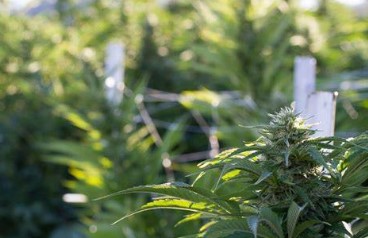
Cultivating Champagne Kush requires a balance of environmental control, nutrient management, and advanced growing techniques to maximize yield and potency. Below, I’ll cover the scientific approaches used in soil-based, hydroponic, and aeroponic cultivation, along with optimization strategies based on plant physiology.
1. Growing Mediums: Soil vs. Hydroponics vs. Aeroponics
Different cultivation methods can impact the plant’s growth rate, cannabinoid profile, and overall yield. Each has its own advantages and requirements.
A. Soil Cultivation
- Preferred Medium: Nutrient-rich, well-draining organic soil with beneficial microbes.
- pH Range: 6.0 – 6.8
- Advantages:
- Promotes terpene complexity and flavor.
- Provides a natural buffer against pH fluctuations.
- Easier for beginner growers.
- Scientific Considerations:
- Using mycorrhizal fungi helps Champagne Kush absorb nutrients more efficiently.
- Organic compost and microbial inoculants improve soil biodiversity.
B. Hydroponic Cultivation
- Preferred Medium: Rockwool, coco coir, clay pebbles.
- pH Range: 5.5 – 6.0
- Advantages:
- Quicker development as a result of direct nutritional absorption.
- Higher control over nutrient balance.
- More resistant to pests and soil-borne diseases.
- Scientific Considerations:
- Nutrient solutions must be closely monitored to maintain EC (electrical conductivity) levels between 1.2 – 2.0 mS/cm.
- Dissolved Oxygen (DO) levels should be at least 5-8 mg/L to prevent root rot.
- Optimizing macronutrients (N-P-K ratios) according to the plant’s stage:
- Vegetative Stage: High nitrogen (3-1-2)
- Flowering Stage: Increased phosphorus and potassium (1-3-4)
C. Aeroponic Cultivation
- Preferred System: High-pressure aeroponic setup.
- pH Range: 5.5 – 6.0
- Advantages:
- Maximizes oxygen exposure to roots, enhancing nutrient uptake.
- Faster growth and higher yield than soil or hydroponics.
- Uses less water and nutrients.
- Scientific Considerations:
- Fine mist droplet size (30-50 microns) is optimal for nutrient absorption.
- Nutrient misting cycles should be every 3-5 minutes to prevent desiccation.
- Requires precise environmental control to prevent evapotranspiration stress.
2. Environmental Control: Temperature, Humidity, and Light
Champagne Kush thrives in a semi-humid, warm environment. Controlling these parameters scientifically ensures healthy growth.
A. Temperature Optimization
- Vegetative Stage: 70-78°F (21-26°C) during the day, 65-70°F (18-21°C) at night.
- Flowering Stage: 68-75°F (20-24°C) to avoid stress and preserve terpene integrity.
- Scientific Considerations:
- Using infrared thermometers helps monitor canopy temperature.
- Heat stress prevention: High temperatures above 82°F (28°C) can cause terpene degradation.
B. Humidity Levels
- Vegetative Stage: 55-65% RH (Relative Humidity)
- Flowering Stage: 40-50% RH to prevent mold growth.
- Scientific Considerations:
- Vapor Pressure Deficit (VPD) between 0.8 – 1.2 kPa ensures proper transpiration.
- CO₂ supplementation (1000-1500 ppm) can improve photosynthesis efficiency.
C. Lighting Requirements
Champagne Kush requires high-intensity lighting to support its moderate-to-high THC production.
- Light Spectrum:
- Vegetative Growth: 18-24 hours of light with blue spectrum (400-500 nm).
- Flowering Stage: 12/12 light cycle with red spectrum (600-700 nm).
- Best Light Sources:
- LED grow lights with full-spectrum output (optimized for both growth and flowering).
- High-Pressure Sodium (HPS) lights for flowering stage (enhances bud development).
- Scientific Considerations:
- Photosynthetically Active Radiation (PAR) levels: 500-700 µmol/m²/s.
- Daily Light Integral (DLI): Ideal between 30-40 moles per day.
3. Advanced Cultivation Techniques
Implementing scientific growing techniques can increase Champagne Kush’s cannabinoid and terpene content.
A. Low-Stress Training (LST)
- Gently bending branches increases light penetration and enhances bud production.
- Scientific Principle: Stimulates apical dominance suppression, leading to more even canopy growth.
B. High-Stress Training (HST)
- Topping and super-cropping force the plant to develop multiple colas.
- Increases auxin redistribution, leading to a bushier plant with higher cannabinoid production.
C. Defoliation
- Removing excess fan leaves improves airflow and reduces humidity-related diseases.
- Scientific studies suggest strategic defoliation increases photosynthetic efficiency.
D. Flushing Before Harvest
- Flushing with distilled water for 10-14 days before harvest removes residual nutrients.
- Scientific Basis: Improves terpene purity and enhances flavor.
4. Harvesting and Curing for Maximum Potency
Champagne Kush’s terpene retention and cannabinoid preservation depend on scientific harvesting and curing processes.
A. Harvest Timing
- Trichome Maturity Check:
- Milky white trichomes = Peak THC production.
- Amber trichomes = Higher CBN (sedative effect).
- Scientific Considerations: Using a jewelers’ loupe (30-60x magnification) ensures optimal timing.
B. Drying Process
- Ideal conditions: 60-70°F (15-21°C), 50-60% humidity.
- Scientific Considerations:
- Slow drying (7-10 days) preserves terpenes better than rapid drying.
- Avoid temperatures above 75°F, as it degrades THC.
C. Curing Process
- Storage: Airtight glass jars at 60-65% humidity.
- Scientific Considerations:
- Burping jars daily allows excess moisture to escape.
- Curing for 2-4 weeks improves terpene development.
5. Scientific Research on Cultivation Efficiency
Several studies have analyzed optimal cannabis cultivation techniques:
- Cannabinoid Production & Light Intensity:
- Study: High-intensity LED lighting enhances THC and terpene production.
- Conclusion: Light intensities above 700 µmol/m²/s can increase cannabinoid content by up to 15%.
- Soil Microbiology & Plant Health:
- Study: Adding mycorrhizal fungi improved root development and nutrient uptake.
- Conclusion: Increased CBD and THC levels by up to 10% in plants with a microbial-rich root zone.
- CO₂ Supplementation & Yield Increase:
- Study: CO₂ levels at 1200-1500 ppm increased yield by 20-30%.
- Conclusion: Enhanced photosynthesis efficiency and biomass production.
Methods of Ingestion
Champagne Kush can be consumed in various ways, each affecting how THC, CBD, and terpenes are taken up and processed by the body.
A. Inhalation (Smoking & Vaporization)
How It Works:
- When cannabis is inhaled, THC and other cannabinoids rapidly enter the bloodstream via the alveoli in the lungs.
- This method bypasses the digestive system, leading to a fast onset of effects.
Onset & Duration:
| Factor | Smoking | Vaporization |
|---|---|---|
| Onset | 2-5 minutes | 1-3 minutes |
| Peak Effects | 10-30 minutes | 10-20 minutes |
| Duration | 1.5-3 hours | 1.5-3 hours |
Scientific Considerations:
- Bioavailability of THC:
- Smoking: ~30%
- Vaporization: ~50-80% (More efficient, fewer toxins)
- Temperature Control:
- Ideal vaporization range: 315-430°F (157-221°C) to maximize cannabinoid and terpene retention without burning.
- Terpene Preservation:
- Limonene and Myrcene are sensitive to high temperatures and degrade faster in smoking compared to vaping.
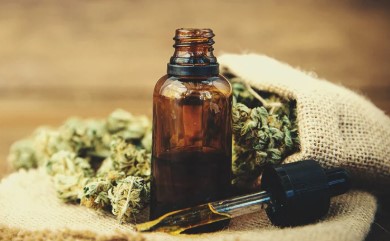
B. Oral Ingestion (Edibles & Tinctures)
How It Works:
- The liver transforms THC into 11-hydroxy-THC, a stronger and more persistent substance than inhaled THC.
- This method takes longer to take effect but lasts significantly longer.
Onset & Duration:
| Factor | Edibles | Tinctures |
|---|---|---|
| Onset | 30-90 minutes | 15-45 minutes |
| Peak Effects | 2-4 hours | 1-2 hours |
| Duration | 4-8 hours | 3-6 hours |
Scientific Considerations:
- Bioavailability of THC:
- Edibles: 4-20% (Lower due to first-pass metabolism)
- Tinctures (Sublingual): ~40-50% (Avoids liver metabolism)
- Factors Affecting Absorption:
- Fat Content: THC is lipophilic and binds well with fats, increasing bioavailability.
- Metabolism Variability: Individuals with faster metabolism experience a quicker onset but shorter duration.
C. Topical Application (Creams & Transdermal Patches)
How It Works:
- Topical cannabis products are absorbed through the skin but do not enter the bloodstream (unless using transdermal patches).
- Used primarily for localized relief of pain, inflammation, or skin conditions.
Onset & Duration:
| Factor | Topicals | Transdermal Patches |
|---|---|---|
| Onset | 15-30 minutes | 30-60 minutes |
| Peak Effects | 1-2 hours | 2-6 hours |
| Duration | 2-6 hours | 8-12 hours |
Scientific Considerations:
- THC and CBD in Skin Absorption:
- CBD is better absorbed through the skin than THC due to its molecular structure.
- Transdermal patches use carrier agents like ethanol or lecithin to penetrate the bloodstream, allowing THC to have systemic effects.
D. Sublingual & Buccal Administration (Tinctures, Sprays, Dissolvable Strips)
How It Works:
- Cannabinoids are absorbed through mucous membranes in the mouth, bypassing first-pass metabolism and entering the bloodstream quickly.
- This method provides faster effects than edibles but lasts longer than inhalation.
Onset & Duration:
| Factor | Sublingual Drops | Oral Sprays |
|---|---|---|
| Onset | 15-45 minutes | 5-20 minutes |
| Peak Effects | 30-90 minutes | 20-60 minutes |
| Duration | 3-6 hours | 2-5 hours |
Scientific Considerations:
- Higher bioavailability (~40-50%) compared to edibles.
- Works well for medical users needing fast relief from pain, anxiety, or seizures.
2. Pharmacokinetics of THC in Champagne Kush
Absorption, Distribution, Metabolism, and Excretion (ADME)
Understanding how Champagne Kush’s cannabinoids behave in the body helps explain the differences in effects among ingestion methods.
| Process | Smoking/Vaping | Edibles | Topicals |
|---|---|---|---|
| Absorption | Rapid (lungs) | Slow (GI tract) | Local (skin) |
| Distribution | Bloodstream (fast) | Bloodstream (slow) | Localized |
| Metabolism | Liver (Partial) | Liver (Complete) | Minimal |
| Excretion | Urine & Feces | Urine & Feces | N/A |
Key Scientific Insights:
- First-Pass Metabolism in Edibles: THC is converted into 11-hydroxy-THC, which is more potent than inhaled THC.
- Plasma Peak Levels: Occur within 10-30 minutes (smoking/vaping) and 2-4 hours (edibles).
- Half-Life of THC: Varies based on method:
- Inhaled: ~2-3 hours.
- Edibles: ~6-8 hours.
- Transdermal Patches: ~12-24 hours.
3. Factors Influencing Onset and Duration
A. Metabolism and Individual Physiology
- Fast Metabolizers: Experience shorter, more intense highs.
- Slow Metabolizers: Feel prolonged effects.
B. Tolerance Level
- Frequent Users: Develop higher tolerance, leading to shorter durations.
- Occasional Users: Experience stronger effects for longer durations.
C. Terpene Interactions & The Entourage Effect
- Limonene & Myrcene enhance THC absorption and onset.
- Caryophyllene interacts with CB2 receptors, modulating anti-inflammatory effects.
Scientific Studies and Research
Though research on Champagne Kush specifically is limited, studies on its key cannabinoids and terpenes provide insights into its effects:
- THC & Depression: Studies suggest that THC can enhance mood by interacting with the endocannabinoid system.
- Caryophyllene & Pain Relief: Research supports caryophyllene’s role as a potential natural analgesic.
- Limonene & Anxiety: Limonene has been shown to have anxiolytic properties, making it beneficial for stress relief.
Future research may provide further insights into the full range of Champagne Kush’s therapeutic applications.
Conclusion
Champagne Kush is a well-balanced hybrid that delivers a harmonious blend of euphoria, relaxation, and mild stimulation. Whether used medically or recreationally, it offers a smooth and enjoyable experience for both novice and experienced cannabis users.
With its pleasant aroma, rich terpene profile, and versatile effects, Champagne Kush remains a top choice for those seeking a luxurious and functional cannabis experience.
For a complete directory of cultivars, visit our Cannabis Strain Reviews.
