
CBN vs. CBD in Medical Cannabis
Cannabinoids are chemical compounds found in cannabis plants, responsible for many of the plant’s therapeutic effects. Cannabidiol (CBD) and cannabinol (CBN) are two of the most notable cannabinoids. Both compounds have garnered significant attention for their potential in medical applications, often with distinct mechanisms and effects. While CBD is better known due to its wide-ranging medical benefits and non-intoxicating profile, CBN is emerging as a compound of interest, especially for its potential sedative properties and other niche therapeutic uses. This in-depth exploration delves into the medical attributes, differences, and potential applications of CBD and CBN in clinical and therapeutic settings.
Understanding Cannabidiol (CBD) and Cannabinol (CBN)
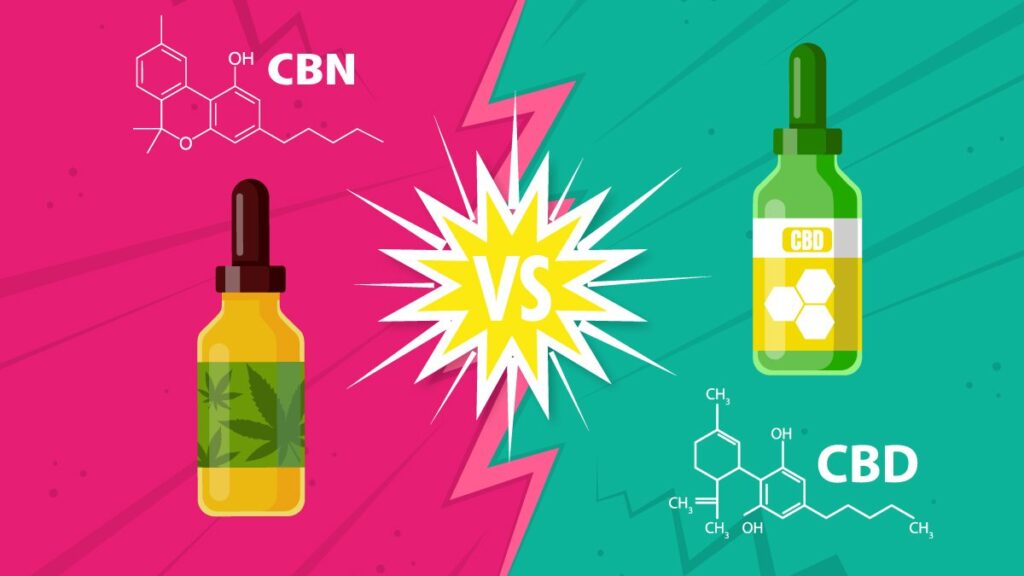
CBD is a non-intoxicating cannabinoid found abundantly in cannabis plants, particularly in hemp varieties. Tetrahydrocannabinol (THC), the psychoactive ingredient in cannabis that gives users a “high,” is chemically different from it. CBD interacts primarily with the body’s endocannabinoid system (ECS), a complex cell-signaling system that regulates various physiological functions, such as pain, mood, immune response, and inflammation. Rather than directly binding to cannabinoid receptors (CB1 and CB2), CBD modulates these receptors indirectly, influencing their activity and enhancing the body’s natural endocannabinoid production.
However, CBN is a small cannabinoid that is produced as a consequence of the breakdown of THC. Over time, THC transforms into CBN when exposed to heat or oxygen. This process explains why aged cannabis tends to have higher concentrations of CBN. Unlike CBD, CBN does interact with cannabinoid receptors, albeit weakly, and exhibits mildly psychoactive properties. However, the psychoactivity is significantly less pronounced compared to THC. CBN has shown promise in unique therapeutic areas distinct from those typically associated with CBD.
Anti-Inflammatory Properties
Numerous chronic illnesses, such as autoimmune diseases, neurological diseases, and arthritis, are caused by inflammation. CBD is widely studied for its potent anti-inflammatory effects. Research suggests that CBD exerts its anti-inflammatory action by inhibiting the production of pro-inflammatory cytokines and modulating immune cell activity. By targeting multiple pathways, CBD reduces inflammation and oxidative stress, which can be beneficial in conditions such as multiple sclerosis, rheumatoid arthritis, and Crohn’s disease.
CBN, while less studied in this context, has also demonstrated anti-inflammatory potential. A 2020 study explored the ability of CBN to reduce inflammatory responses in rodent models of arthritis. Results indicated that CBN reduced swelling and inflammatory markers, albeit less potently than CBD. However, CBN’s effects on inflammation appear to be more localized and specific, suggesting that it could complement CBD in targeted therapeutic applications.
Analgesic (Pain-Relieving) Effects
Chronic pain affects millions worldwide and often lacks effective, long-term management solutions. Both CBD and CBN have shown promise as analgesics, though their mechanisms differ. CBD’s pain-relieving properties are primarily attributed to its modulation of ECS receptors, particularly CB2 receptors found in peripheral tissues. CBD also interacts with non-cannabinoid receptors, such as TRPV1 (transient receptor potential vanilloid) and 5-HT1A (serotonin) receptors, which are involved in pain perception. According to clinical research, CBD can effectively treat fibromyalgia, neuropathic pain, and even pain associated with cancer.
CBN, on the other hand, exhibits analgesic properties through a more direct interaction with CB1 receptors in the central nervous system. Its mild psychoactivity may enhance its pain-relief effects, making it particularly useful for acute pain conditions. Emerging research has also explored the potential synergy between CBN and CBD in pain management, suggesting that combining the two cannabinoids may produce a more comprehensive analgesic effect by targeting multiple pathways simultaneously.
Neuroprotective Benefits
Prolonged loss of neuronal structure and function is a hallmark of neurodegenerative illnesses, including Alzheimer’s, Parkinson’s, and Huntington’s. Cannabinoids, particularly CBD, have gained attention for their neuroprotective properties. The anti-inflammatory and antioxidant properties of CBD are essential for shielding neurons from oxidative stress and inflammation-induced damage. Additionally, CBD has been demonstrated to enhance motor performance in Parkinson’s disease models and lessen the buildup of beta-amyloid plaques, a defining feature of Alzheimer’s disease.
CBN’s neuroprotective potential is less well-documented but equally intriguing. Studies suggest that CBN may protect neurons by reducing oxidative stress and inflammation, similar to CBD. Additionally, CBN has demonstrated anticonvulsant properties, indicating potential benefits in conditions such as epilepsy and seizure disorders. While research is still in its early stages, CBN’s unique properties could complement CBD in developing therapies for neurodegenerative and neurological conditions.
Sleep and Sedation

Sleep disorders, including insomnia and sleep apnea, are prevalent and often challenging to treat. Among cannabinoids, CBN has been most closely associated with sedative effects. Anecdotal reports and early studies suggest that CBN may enhance sleep quality and duration. Its sedative properties are thought to result from its interaction with CB1 receptors, although the exact mechanism remains unclear. Some researchers hypothesize that the sedative effects of CBN may be more pronounced when combined with other cannabinoids and terpenes, illustrating the potential for an “entourage effect.”
While CBD is not inherently sedative, it can improve sleep indirectly by addressing underlying issues such as anxiety and pain. Studies have shown that CBD reduces sleep latency (the time it takes to fall asleep) and enhances sleep duration in individuals with anxiety-related insomnia. The combination of CBD’s anxiolytic properties and CBN’s sedative effects could offer a holistic approach to managing sleep disorders, particularly in patients with complex, multifactorial causes of insomnia.
Anxiety and Stress Reduction
CBD is widely recognized for its anxiolytic (anxiety-reducing) effects, making it a popular option for managing generalized anxiety disorder, social anxiety, and post-traumatic stress disorder (PTSD). CBD’s interaction with the ECS and serotonin receptors contributes to its calming effects, which can reduce symptoms such as racing thoughts, heart palpitations, and restlessness. Clinical studies have confirmed that CBD significantly reduces anxiety in both acute and chronic scenarios, with minimal side effects compared to conventional anxiolytic medications.
CBN’s role in anxiety management is less established, but preliminary evidence suggests that it may have a calming effect, particularly when combined with other cannabinoids. Because of its modest psychoactivity, CBN is unlikely to cause anxiety, in contrast to THC, which can make some people feel more anxious. Instead, it may contribute to overall relaxation, particularly in cases where anxiety is accompanied by sleep disturbances.
Antibacterial and Antimicrobial Effects
Interest in alternative antimicrobial agents has increased as a result of the rise in microorganisms resistant to antibiotics. Both CBD and CBN have demonstrated antibacterial properties, particularly against resistant strains such as methicillin-resistant Staphylococcus aureus (MRSA). Studies suggest that CBD disrupts bacterial biofilms, which are protective layers that shield bacteria from antibiotics. This unique mechanism could make CBD a valuable adjunct in combating resistant infections.
CBN has also shown promise as an antimicrobial agent. Research indicates that CBN is effective against a range of bacterial and fungal pathogens, although its efficacy varies depending on the strain. The antimicrobial properties of both cannabinoids open new avenues for developing topical and systemic therapies for infections, particularly in patients with compromised immune systems.
Appetite Regulation
Cannabinoids are well-known for their effects on appetite, often referred to as the “munchies” in the context of THC. However, CBD and CBN influence appetite differently. CBD is generally associated with appetite suppression, which could be beneficial for managing obesity or metabolic disorders. Its interaction with the ECS helps regulate hunger and satiety signals, potentially reducing overeating.
CBN, conversely, appears to stimulate appetite, albeit more subtly than THC. This effect could be particularly useful in conditions such as cancer cachexia, HIV/AIDS, and other chronic illnesses where appetite loss is a significant concern. By offering an alternative to THC, CBN provides a way to stimulate appetite without the intense psychoactive effects.
Potential for Synergistic Effects
The concept of the “entourage effect” suggests that cannabinoids and other compounds in cannabis work synergistically to enhance their therapeutic effects. While CBD and CBN have distinct properties, their combination may offer unique benefits in medical applications. For instance, the anti-inflammatory and pain-relieving effects of CBD could complement the sedative and appetite-stimulating properties of CBN, providing a more comprehensive approach to managing conditions such as cancer, chronic pain, and autoimmune diseases.
Preclinical studies and anecdotal reports support the idea that combining CBD and CBN could amplify their individual benefits. For example, a formulation containing both cannabinoids might be more effective for conditions that involve multiple symptoms, such as inflammation, pain, and sleep disturbances. To completely comprehend these interactions and tailor cannabis compositions for particular medical need, more research is required.
Safety and Tolerability
When compared to conventional medications, both CBD and CBN are typically well-tolerated and have few adverse effects. CBD is particularly notable for its high safety profile, even at high doses. Common side effects, when they occur, include fatigue, diarrhea, and changes in appetite or weight. CBD also has a low potential for drug interactions, although caution is advised when used alongside medications that rely on liver enzymes for metabolism.
CBN’s safety profile is less well-studied but appears similarly favorable. Mild psychoactivity may pose a risk in sensitive individuals, but this effect is significantly less pronounced than that of THC. As research into CBN expands, a clearer understanding of its long-term safety and potential interactions with other medications will emerge.
Restricting Cannabis Use in the Medical Field: A Focus on Last-Resort Treatment and Monitoring THC Levels
The use of cannabis in medicine has expanded in recent years due to its therapeutic potential for various conditions such as chronic pain, epilepsy, and certain neurodegenerative diseases. However, medical cannabis use remains a topic of debate, particularly concerning its safety, the potential for misuse, and the psychoactive effects of tetrahydrocannabinol (THC), the primary intoxicating compound in cannabis. To ensure that medical cannabis is used responsibly and effectively, its application should be limited to the medical field as a last resort, with stringent monitoring of THC levels in formulations to prevent adverse psychoactive effects on patients.
Medical Cannabis as a Last-Resort Treatment
Restricting cannabis use in medicine to cases where all other treatments have failed aligns with the principle of therapeutic hierarchy. This approach ensures that patients are first provided with evidence-based, standard medical treatments before resorting to cannabis, which remains a relatively novel and not yet fully standardized option.
Cannabis should be considered only when conventional therapies fail to provide adequate relief or when patients experience intolerable side effects from these treatments. For example:
- Chronic Pain: For patients with conditions like neuropathy or cancer-related pain, cannabis could be considered after nonsteroidal anti-inflammatory drugs (NSAIDs), opioids, or physical therapies have been deemed ineffective or harmful.
- Epilepsy: In cases of treatment-resistant epilepsy, such as Dravet syndrome or Lennox-Gastaut syndrome, medical cannabis formulations high in cannabidiol (CBD) and low in THC have shown promise. These are often only prescribed after at least two or three other antiepileptic drugs have failed.
- Palliative Care: For patients in advanced stages of terminal illnesses, cannabis may be an option to alleviate symptoms such as nausea, pain, and anxiety when conventional palliative interventions are insufficient.
Restricting cannabis to a last-resort role ensures that its use is purposeful and minimizes the risk of unnecessary or recreational use under the guise of medical treatment.
Monitoring THC Levels to Mitigate Psychoactive Risks
THC levels in medicinal formulations must be strictly regulated due of its psychoactive effects, which include euphoria, altered perception, and the potential for reliance. Patients seeking therapeutic benefits often do not require THC’s intoxicating effects, as the therapeutic actions of cannabis can frequently be attributed to non-intoxicating cannabinoids such as CBD.
Regulated THC Concentrations in Medications
To mitigate risks, regulatory frameworks must set strict limits on THC concentrations in medical cannabis products. For instance:
- Low-THC Medications: Products with less than 0.2–0.3% THC by weight are generally regarded as non-psychoactive and can be safely administered without impairing cognitive or motor function. Such formulations are particularly suitable for vulnerable populations, such as children or elderly patients.
- High-CBD, Low-THC Ratios: Many medical cannabis formulations are designed to maximize CBD content relative to THC, as CBD is non-intoxicating and can counteract some of THC’s psychoactive effects. Ratios such as 20:1 (CBD
) are commonly used in medications for epilepsy and anxiety. - THC-Free Options: Completely THC-free formulations, such as those containing pure CBD isolates, eliminate the risk of psychoactive side effects altogether and are preferable in situations where even trace amounts of THC could pose a risk.
Patient Monitoring and Safety Protocols
To ensure safe use, medical practitioners should actively monitor patients using cannabis-based treatments. Key measures include:
- Regular THC Level Testing: Patients prescribed cannabis-based medications should undergo regular blood tests to monitor THC levels, ensuring that they remain within therapeutic and non-intoxicating ranges.
- Dose Titration: Medical professionals should start patients on the lowest effective dose of THC-containing cannabis products and adjust only if necessary. This minimizes the risk of side effects and ensures that the psychoactive potential of THC is kept to an absolute minimum.
- Cognitive and Psychological Assessments: Routine evaluations of cognitive function and mental health can help detect early signs of THC-induced impairment, such as memory issues or increased anxiety.
- Restricting Patient Access: Medical cannabis prescriptions should be dispensed only through licensed medical providers or regulated dispensaries. This ensures that patients receive products with verified cannabinoid content and reduces the risk of recreational misuse.
Addressing Patient Populations at Risk
Certain populations are particularly vulnerable to THC’s psychoactive effects and require additional safeguards:
- Children: Pediatric patients, especially those with epilepsy, must only be prescribed cannabis formulations with negligible or zero THC content. The developing brain is more sensitive to THC, and its use must be carefully controlled.
- Elderly Patients: Older adults may experience amplified side effects, such as dizziness or confusion, from THC. Low-THC or THC-free formulations are recommended to avoid falls, cognitive impairment, and drug interactions.
- Patients with a History of Substance Abuse: Individuals with a history of substance misuse should only use medical cannabis under strict supervision to prevent dependency or abuse.
Balancing Access and Restriction
While restricting medical cannabis to last-resort use and controlling THC levels are essential safety measures, it is equally important to ensure that patients who genuinely need these treatments have access. Bureaucratic hurdles should not delay or deny access for patients suffering from severe, treatment-resistant conditions. Education and training for healthcare providers on the appropriate use of cannabis in medicine can ensure balanced, evidence-based decision-making.
Conclusion
The exploration of medical cannabis, focusing on cannabinoids like CBD and CBN, underscores its immense therapeutic potential while highlighting the critical need for responsible and regulated use. The unique properties of these compounds offer promising solutions for managing chronic pain, inflammation, neurodegenerative diseases, sleep disorders, and anxiety. However, their application in medicine must be carefully controlled to ensure patient safety and efficacy.
Restricting medical cannabis use to a last-resort option ensures that it serves as a targeted therapeutic intervention rather than a first-line or casual treatment. By prioritizing established medical treatments and leveraging cannabis only when other options have failed, the medical field upholds its commitment to evidence-based care. This cautious approach reduces the risk of overuse and ensures that patients receive cannabis-based therapies only when the potential benefits outweigh the risks.
Monitoring THC levels in cannabis-based medications is essential to mitigating the psychoactive effects of this compound. With appropriate formulations emphasizing low-THC or THC-free options, medical practitioners can maximize therapeutic outcomes while minimizing cognitive and psychological side effects. Combining CBD and CBN, along with other non-intoxicating cannabinoids, offers a multi-faceted approach to treating complex medical conditions, allowing for safer and more effective care.
Incorporating strict regulatory frameworks, patient monitoring protocols, and education for healthcare providers further supports the responsible use of medical cannabis. These measures ensure that cannabis is used ethically, avoids misuse, and remains accessible to patients who genuinely need it. To protect their wellbeing, special care must also be paid to vulnerable groups, including children, the elderly, and people with a history of substance abuse.
Ultimately, the integration of medical cannabis into clinical practice should be balanced between its promise as a transformative therapeutic tool and the necessity for cautious application. By adhering to these principles, the medical field can harness the full potential of cannabinoids like CBD and CBN, delivering relief and improving quality of life for patients facing some of the most challenging health conditions. Through ongoing research and robust regulatory measures, medical cannabis can become a cornerstone of innovative, patient-centered care.
