Cannabinol (CBN) in Medical Cannabis: An In-Depth Exploration
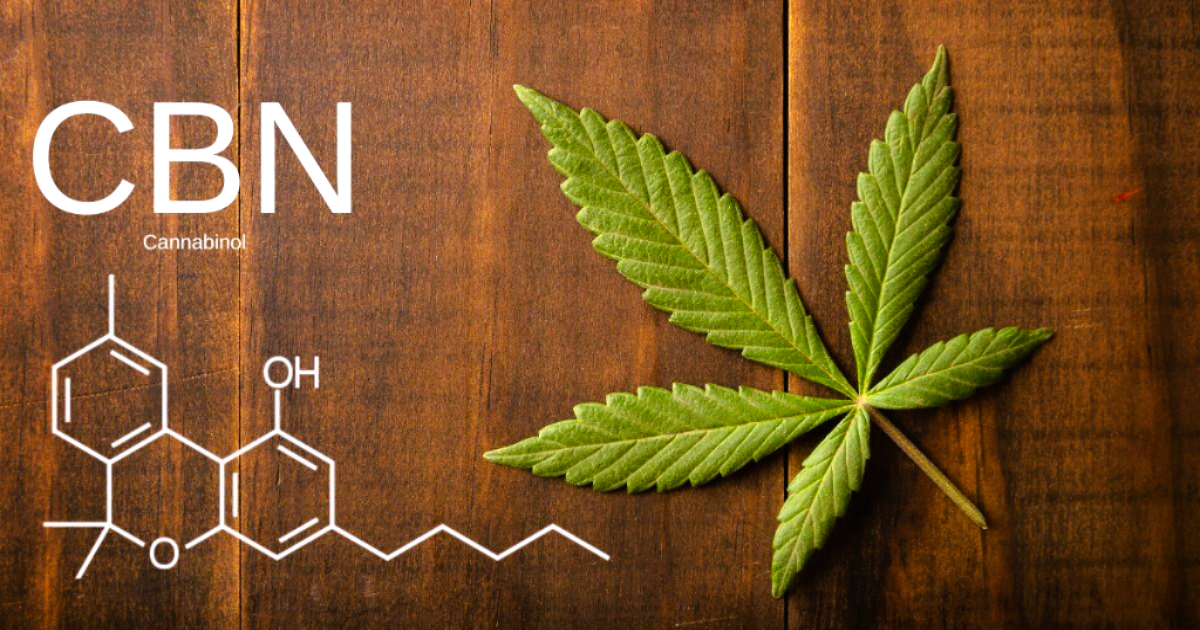
Cannabinol (CBN) is a lesser-known cannabinoid derived from the cannabis plant, with intriguing therapeutic potential and unique properties compared to other cannabinoids like cannabidiol (CBD) and tetrahydrocannabinol (THC). Although it originates from THC through a degradation process triggered by heat and oxygen, CBN has shown its own distinct profile of medical benefits. For years, cannabis research largely focused on THC and CBD, but the growing interest in minor cannabinoids has shifted some focus toward CBN. Current research suggests that CBN may hold significant therapeutic potential in several domains, including pain relief, inflammation, neuroprotection, and more.
This comprehensive review delves into the science behind CBN, examining its medical applications, mechanisms of action, and the evidence supporting its potential role in healthcare.
1. The Basics of Cannabinol (CBN): Origin and Chemical Profile
CBN is a naturally occurring cannabinoid that arises from the oxidation and breakdown of THC over time. When THC is exposed to air, light, or heat, it degrades into CBN, which results in a mild psychoactive effect. However, CBN’s psychoactivity is considerably lower than that of THC. CBN binds primarily to the CB2 receptors within the body, with a much weaker affinity for CB1 receptors in the brain, which may explain its lower psychoactive profile and promising therapeutic implications.
2. CBN’s Interaction with the Endocannabinoid System (ECS)
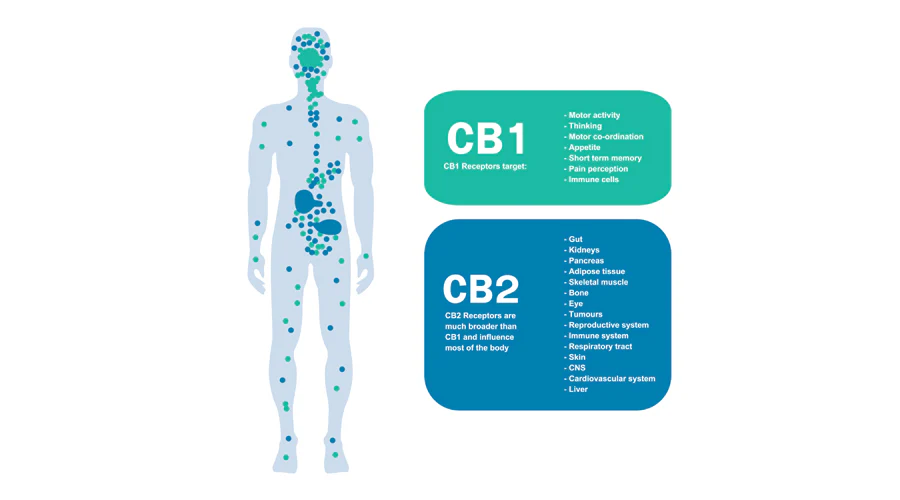
Pain, inflammation, mood, appetite, and sleep are all impacted by the endocannabinoid system (ECS), a sophisticated cell-signaling system that is essential for preserving homeostasis. Similar to other cannabinoids, CBN works by interacting with ECS receptors, primarily CB1 and CB2 receptors. CBN has a higher affinity for CB2 receptors, which are primarily located in immune tissues and associated with the modulation of inflammation and immune response.
CBN’s ability to modulate these receptors may contribute to its therapeutic effects, particularly in managing pain, inflammation, and neurodegenerative conditions. The selective action on CB2 receptors also helps explain why CBN lacks the potent psychoactivity of THC and makes it more suitable for therapeutic use.
3. Medical Uses of CBN: Research and Therapeutic Potential
3.1 Pain Relief
One of the most promising uses of CBN lies in its potential to alleviate pain. Chronic pain, especially in cases of neuropathic and inflammatory pain, remains a challenging condition to treat with conventional medications due to side effects and the risk of tolerance and dependence. CBN has been found to exhibit analgesic properties, which may make it a valuable tool in pain management, especially for patients seeking alternatives to opioids.
CBN appears to work synergistically with other cannabinoids, such as CBD and THC, to produce analgesic effects. The presence of CBN, alongside these cannabinoids, enhances the entourage effect, where the combined effect of multiple cannabinoids surpasses their individual effects. Some research suggests that CBN’s pain-relieving properties are particularly effective for myofascial pain (pain originating from muscle irritation), which could be useful for patients suffering from conditions like fibromyalgia.
3.2 Anti-Inflammatory Effects
Numerous illnesses, such as inflammatory bowel disease (IBD), cardiovascular disorders, and arthritis, are exacerbated by chronic inflammation. CBN has demonstrated anti-inflammatory properties, which could make it valuable for treating inflammatory conditions.
Preclinical studies suggest that CBN may help modulate the immune response by interacting with CB2 receptors, which are known to play a role in regulating immune function and inflammation. By reducing inflammation at a cellular level, CBN may help alleviate the symptoms associated with chronic inflammatory diseases, offering a new avenue for patients who have not responded well to conventional anti-inflammatory medications.
3.3 Neuroprotective Properties

CBN has shown neuroprotective potential, which could be of immense benefit for neurodegenerative conditions like Alzheimer’s and Parkinson’s disease. The progressive loss of neurons and synaptic connections in the brain, which results in functional impairment, is a common feature of neurodegenerative illnesses. The capacity of current treatments to delay or stop the progression of these illnesses is limited.
It is believed that CBN’s antioxidant qualities and capacity to lessen inflammation and oxidative stress in neural tissues are the sources of its neuroprotective benefits. CBN may shield neurons against oxidative damage, a major cause of neurodegenerative disorders, according to a study done on animal models. By preventing cell damage, CBN has the potential to slow down the progression of diseases that result in cognitive decline and motor impairments.
3.4 Appetite Stimulation
For patients with medical conditions that result in loss of appetite, such as cancer or HIV/AIDS, maintaining adequate nutrition is a major challenge. While THC has long been recognized as an appetite stimulant, research shows that CBN may also possess appetite-boosting properties. Although the exact mechanism remains unclear, it is believed that CBN may activate certain pathways in the brain associated with hunger.
This makes CBN a promising alternative for patients who need appetite stimulation but wish to avoid the stronger psychoactive effects associated with THC. Additionally, for patients who do not respond to traditional appetite stimulants, CBN offers a potential adjunctive therapy.
3.5 Antibacterial Effects
Recent studies have highlighted CBN’s antimicrobial properties, with particular interest in its effectiveness against antibiotic-resistant bacteria. Methicillin-resistant Staphylococcus aureus (MRSA) infections, for example, pose a serious health risk due to their resistance to multiple antibiotics. Preliminary research indicates that CBN may have antibacterial activity against such strains, suggesting that it could serve as a novel adjunct in treating resistant bacterial infections.
Although research is still in early stages, CBN’s antibacterial properties could pave the way for developing cannabinoid-based therapies targeting antibiotic-resistant infections. This potential application may become increasingly relevant in an era where antibiotic resistance is a growing global health concern.
3.6 Glaucoma Management
A class of eye disorders known as glaucoma harms the optic nerve, frequently as a result of elevated intraocular pressure (IOP). Blindness and vision loss may result from glaucoma if treatment is not received. Although THC has been studied extensively for its ability to reduce IOP, CBN is also believed to exert similar effects.
CBN’s interaction with CB1 and CB2 receptors in the eye has been shown to decrease intraocular pressure in animal studies. While further research is required to validate these findings in humans, CBN holds potential as a therapeutic option for glaucoma management, especially in patients sensitive to THC’s psychoactive effects.
3.7 Potential in Cancer Treatment
The role of cannabinoids in cancer therapy has gained attention due to their potential to inhibit tumor growth, induce apoptosis (programmed cell death), and alleviate chemotherapy side effects like nausea and pain. Although THC and CBD have been the primary cannabinoids studied in this field, preliminary research suggests that CBN may also possess anti-cancer properties.
Some studies have suggested that CBN may influence cancer cells by inducing cell death and inhibiting cell proliferation. Moreover, CBN’s anti-inflammatory and immune-modulating properties could also contribute to cancer treatment, either by enhancing immune response or reducing inflammation associated with tumor growth. While extensive research is still needed, CBN shows promise as part of an integrative approach to cancer therapy.
3.8 Anticonvulsant Effects
Treating epilepsy and other seizure disorders can be difficult, particularly when the patient is not responding to standard medicines. CBD’s efficacy in managing epilepsy, particularly pediatric epilepsy, is well-documented, and CBN may share similar anticonvulsant properties. Although research is limited, some evidence suggests that CBN may help reduce seizure activity by interacting with neuronal pathways that regulate excitation and inhibition in the brain.
CBN’s potential as an adjunctive therapy for seizure control in drug-resistant epilepsy could provide new hope for patients who have exhausted other options. However, clinical trials are necessary to establish CBN’s safety and efficacy in managing seizure disorders.
4. The Synergistic Effects of CBN and Other Cannabinoids
One of the fascinating aspects of CBN in medical applications is its potential to enhance the efficacy of other cannabinoids through the entourage effect. When used in combination with other cannabinoids, CBN appears to produce enhanced therapeutic effects, particularly in pain relief, neuroprotection, and inflammation management. This synergistic action could lead to more effective cannabinoid-based treatments that are tailored to individual patient needs, providing holistic solutions to complex medical conditions.
Research indicates that combining CBN with CBD, for example, may enhance the anti-inflammatory and pain-relieving effects without significantly increasing psychoactivity. This makes it an appealing option for patients who need multi-modal therapy but wish to avoid the psychoactive effects associated with high-THC cannabis.
5. Challenges and Future Directions for CBN Research
CBN research is still in its early phases, despite its promise medicinal uses; preclinical studies account for the majority of the data currently available. Key challenges in CBN research include:
- Limited Clinical Trials: There is a need for rigorous clinical trials to confirm the safety and efficacy of CBN in human populations across various medical conditions.
- Standardization: CBN extraction and formulation processes are not standardized, making it difficult to achieve consistent dosages and purity levels. Standardization will be crucial for medical applications to ensure patients receive reliable and reproducible therapeutic benefits.
- Understanding Mechanisms of Action: More research is needed to fully understand how CBN interacts with the endocannabinoid system and other cellular pathways involved in pain, inflammation, and neuroprotection.
- Legal and Regulatory Hurdles: CBN’s legal status varies across jurisdictions, which impacts research funding and accessibility for patients in need. As legislation evolves, clearer regulatory pathways will hopefully facilitate further study and clinical applications of CBN.
Restrictions on Using Cannabis, Especially CBN, in the Medical Field and as a Last Resort

The therapeutic use of cannabis, especially its constituent cannabinol (CBN), has gained momentum as researchers discover its potential for managing various medical conditions. However, regulatory authorities and healthcare providers exercise strict controls when cannabis-derived medications are considered, particularly in medical fields. Regulatory bodies globally place stringent restrictions on cannabis use in medical settings to ensure patient safety, prevent abuse, and ensure that cannabis remains a secondary or last-resort option after other treatments have been exhausted. CBN, while less psychoactive than THC, is still subject to these restrictions, and specific measures, such as monitoring THC levels in cannabis-derived medications, help to mitigate any risk of psychoactive effects.
1. The Medical Use of CBN and Its Position as a Last-Resort Therapy
In medical practice, cannabis-based treatments are often considered only after other conventional treatments have proven ineffective or intolerable for the patient. For conditions such as chronic pain, neurological disorders, and some inflammatory diseases, physicians typically prescribe well-established medications first. This standard of care applies equally to CBN, which is generally considered a supplementary or secondary treatment. The main goal is to avoid potential misuse or unnecessary exposure to cannabinoids unless their use is demonstrably beneficial for the patient’s specific medical condition.
Legal and Regulatory Requirements for Last-Resort Use: Regulatory agencies such as the U.S. Food and Drug Administration (FDA), the European Medicines Agency (EMA), and other global health organizations have established guidelines that ensure cannabis is not the first line of therapy. In many countries, physicians are required to provide documented proof of unsuccessful conventional treatment attempts before CBN or other cannabis-derived products are considered. This documentation includes details of past medications, dosage changes, and patient response, ensuring that cannabis remains a controlled, alternative treatment rather than a primary solution.
2. Restrictions on THC Levels to Minimize Psychoactivity in Medical Cannabis
CBN, unlike THC, is minimally psychoactive; however, because cannabis plants often contain multiple cannabinoids, it is common to find trace amounts of THC in cannabis-derived medications. To minimize the psychoactive effects on patients, regulators have imposed strict limits on the THC content permissible in medical cannabis products. For example, countries like Germany, Canada, and several U.S. states specify that medical cannabis products, including those containing CBN, must have THC levels below a specific threshold (often below 0.2-0.3%) to avoid psychoactivity.
These restrictions require thorough monitoring and quality control processes. Manufacturers are obligated to test and label their products accurately, displaying THC content clearly to healthcare providers and patients. This transparency allows physicians to prescribe CBN-containing medications with confidence, knowing that THC levels are controlled and that patients are unlikely to experience psychoactive effects. Such regulations have helped foster trust in cannabis-based medications, encouraging more healthcare providers to consider them in cases where conventional treatments are inadequate.
3. Monitoring and Quality Control of THC in CBN-Containing Medications
Strict quality control and consistent monitoring of THC levels are essential in ensuring the safety and effectiveness of CBN-based medical treatments. This is accomplished in a number of ways:
- Rigorous Lab Testing: Reputable manufacturers of cannabis-derived medications are required to conduct regular lab tests to confirm the cannabinoid profile of their products. This testing is conducted by certified laboratories using high-performance liquid chromatography (HPLC) or gas chromatography (GC) methods, which provide accurate measurements of THC, CBN, and other cannabinoid levels. The results are used to ensure compliance with legal THC limits and prevent any risk of psychoactivity for patients.
- Standardization and Labeling: Standardized labeling practices ensure that THC levels are clear and that any psychoactive risk is minimized. Labels specify the concentration of each cannabinoid in the product, allowing both patients and healthcare providers to make informed decisions. For instance, a CBN product intended for anti-inflammatory use would clearly state that it contains minimal or no THC, reducing any chance of unintended psychoactive effects.
- Physician Monitoring: Physicians who prescribe cannabis-based therapies are encouraged to monitor patient reactions closely, especially when THC is present in trace amounts. By observing the patient’s response and adjusting dosages as necessary, doctors can ensure that the medication provides therapeutic benefits without compromising cognitive function or causing unwanted psychoactivity.
4. Ethical and Legal Implications of Restricting Cannabis to Medical Settings
Restricting cannabis to the medical field and using it as a last-resort treatment upholds important ethical and legal standards. Given that cannabis remains a controlled substance in many countries, its medical application is often accompanied by concerns about misuse, addiction, and psychoactive effects. Restricting its use to those with legitimate medical needs protects vulnerable populations from potential abuse and ensures that cannabis-based treatments are prescribed with a clear therapeutic intent.
Moreover, these restrictions help to combat the stigma surrounding cannabis in the medical field. By ensuring that cannabis-derived treatments, like those containing CBN, are used judiciously, medical institutions can foster a positive perception of cannabis as a legitimate, safe, and effective treatment when appropriately applied. This approach encourages more research into cannabinoids, allowing for the development of future therapies that could provide relief for difficult-to-treat conditions.
Conclusion
In conclusion, the medical use of CBN and other cannabis-derived compounds presents promising therapeutic options for patients with conditions resistant to conventional treatments. Rigorous restrictions ensure cannabis remains a controlled, last-resort therapy, mandating that healthcare providers exhaust traditional options before considering cannabinoids. These regulations reflect a commitment to patient safety, reinforcing cannabis’s role as a legitimate medical tool rather than a recreational substance. Furthermore, by setting strict THC content limits in CBN-containing medications, regulatory bodies minimize the risk of psychoactive effects, safeguarding patients’ cognitive function and everyday functionality.
Quality control practices, including stringent lab testing and accurate labeling, ensure that CBN products are safe and precisely formulated. These measures allow healthcare providers to prescribe cannabinoid-based treatments with confidence, promoting greater acceptance of medical cannabis within the healthcare community. These efforts not only protect patient welfare but also help combat stigma by positioning cannabis-derived treatments as credible and valuable alternatives for chronic pain, inflammation, and other challenging conditions.
Overall, by adhering to ethical and legal standards, the medical field can harness the therapeutic potential of cannabinoids like CBN, supporting advancements in patient care and expanding treatment options for difficult-to-manage health conditions. These restrictions and safeguards foster trust and pave the way for continued research, ultimately enriching medical knowledge and improving patient outcomes.
