Table of Contents
CBD Stress Killer is a specialized cannabis strain renowned for its high cannabidiol (CBD) content, mild psychoactive effects, and targeted benefits for stress relief. Developed to provide users with a clear-headed, focused, and relaxing experience, this strain is a favorite among those seeking therapeutic benefits without intense intoxication. Below, we’ll dive into its genetics, cannabinoid profile, terpenes, medical and recreational uses, and the underlying scientific mechanisms that make CBD Stress Killer so effective.
Genetics and Background
CBD Stress Killer is a hybrid strain bred with a balanced blend of sativa and indica characteristics, though it leans slightly towards the sativa side. It was developed by Royal Queen Seeds, a reputable seed bank known for its innovative strains. The genetic lineage of CBD Stress Killer combines:
- Lemon Haze: A sativa-dominant strain known for its citrusy aroma and energizing effects.
- Juanita la Lagrimosa: A CBD-rich strain with a reputation for clear-headed effects and mild psychoactivity.
By blending these parent strains, breeders created a plant that is high in CBD and low in tetrahydrocannabinol (THC), typically maintaining a ratio of 1:20 (THC to CBD). This low THC content (usually around 0.5-1%) makes CBD Stress Killer non-intoxicating while delivering a substantial dose of CBD (up to 20% in some phenotypes).
Cannabinoid Profile
The cannabinoid profile of CBD Stress Killer is carefully tailored to maximize therapeutic effects. Key cannabinoids include:
- Cannabidiol (CBD): The dominant compound, CBD is known for its non-intoxicating, therapeutic properties. It interacts with the endocannabinoid system to regulate stress, anxiety, inflammation, and more.
- Tetrahydrocannabinol (THC): Present in minimal amounts, THC contributes to the entourage effect without causing significant psychoactivity.
- Other Cannabinoids: Trace amounts of cannabigerol (CBG) and cannabichromene (CBC) may enhance the strain’s overall effects through synergistic interactions.
Terpene Profile
Terpenes are aromatic substances that give cannabis its flavor, scent, and medicinal properties. CBD Stress Killer’s terpene profile includes:
- Limonene: This citrusy terpene is uplifting and mood-enhancing, known for its anti-anxiety and stress-relieving properties.
- Myrcene: A musky, earthy terpene with sedative effects, aiding relaxation.
- Pinene: Found in pine needles, pinene promotes alertness and memory retention while counteracting the potential sedative effects of other terpenes.
- Beta-Caryophyllene: This spicy terpene interacts with the CB2 receptors in the endocannabinoid system, offering anti-inflammatory and analgesic benefits.
Physical Characteristics
CBD Stress Killer plants exhibit typical sativa traits, including tall growth and narrow leaves. Key physical characteristics include:
- Height: Outdoors, the plants can grow up to 6.5 feet, while indoor growth is typically more manageable at 3-4 feet.
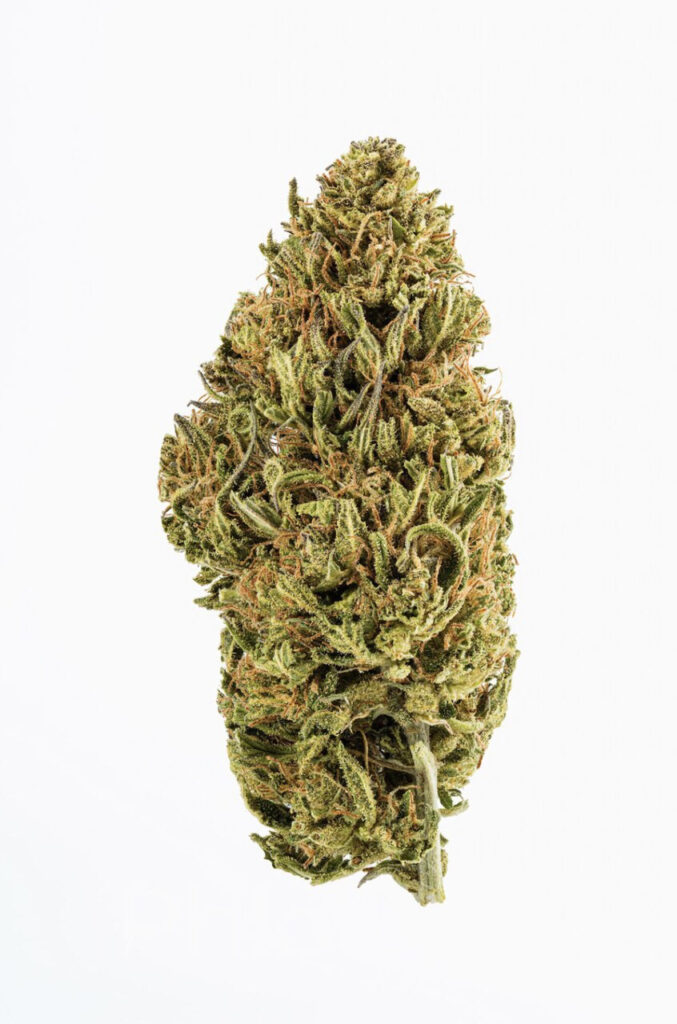
- Buds: The buds are light green, fluffy, and resinous, with a frosty coating of trichomes.
- Aroma and Flavor: The strain has a strong citrus aroma with hints of pine and earthiness, thanks to its limonene and pinene content. The flavor mirrors the aroma, delivering a fresh and tangy citrus burst with herbal undertones.
Cultivating CBD Stress Killer
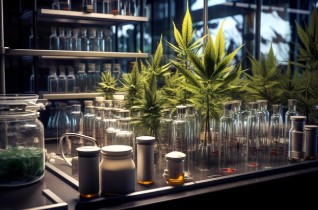
Cultivating CBD Stress Killer requires an understanding of cannabis plant biology, optimal growth conditions, and cannabinoid production. Below is an in-depth overview of the methods and scientific principles to maximize yield and CBD content.
1. Optimal Environmental Conditions
- Temperature: The ideal temperature range is between 70-85°F (21-29°C) during the vegetative phase and slightly cooler during flowering, around 65-80°F (18-26°C).
- High temperatures can lead to heat stress, reducing cannabinoid and terpene production.
- Low temperatures may slow growth but can enhance terpene profiles near harvest.
- Humidity: Maintain relative humidity levels between 40-70%:
- Vegetative phase: Higher humidity (60-70%) supports rapid growth and prevents desiccation.
- Flowering phase: Lower humidity (40-50%) reduces the risk of mold and bud rot.
- Lighting:
- Photoperiod: CBD Stress Killer thrives with a 16-18 hours light cycle in vegetative growth and 12 hours during flowering.
- Light intensity: Use full-spectrum LED lights or high-intensity discharge (HID) lamps with PPFD (photosynthetic photon flux density) around 600-1000 μmol/m²/s.
2. Soil and Nutrients
- Soil Requirements:
- Use a well-aerated soil mix with organic amendments such as worm castings, bat guano, or compost.
- Maintain a pH level between 6.0 and 6.5 to optimize nutrient uptake.
- Hydroponics:
- For precise control over nutrients and growth conditions, consider hydroponic systems (e.g., deep water culture or coco coir).
- Hydroponics enhances nutrient delivery and can shorten the growth cycle.
- Nutrients:
- To encourage leafy growth during the vegetative phase, concentrate on fertilizers high in nitrogen.
- In the flowering phase, shift to phosphorus and potassium-dominant nutrients to encourage bud development and resin production.
3. Training Techniques
Training techniques can improve light penetration, air circulation, and cannabinoid production:
- Low-Stress Training (LST):
- To achieve a uniform canopy, bend and secure branches. This increases light exposure to all parts of the plant, boosting overall growth and yield.
- Topping and FIMing:
- Remove the top of the main stem (topping) or partially pinch the growing tip (FIMing) to increase bud sites and encourage bushier growth.
- Defoliation:
- Remove excess fan leaves during flowering to enhance airflow and light penetration, reducing the risk of mold.
4. Pest and Disease Management
- Common Pests:
- Spider mites, aphids, and whiteflies can damage leaves and reduce yield. Introduce beneficial insects like ladybugs or predatory mites for natural control.
- Use organic sprays such as neem oil or insecticidal soap for prevention.
- Disease Prevention:
- High humidity can lead to root rot and powdery mildew. Don’t overwater and keep the ventilation adequate.
- Treat affected plants with fungicides or microbial inoculants like Trichoderma to improve root health.
5. Enhancing CBD Content
- Strain Phenotypes: Select phenotypes with the highest CBD levels by cloning mother plants with a proven cannabinoid profile.
- Harvest Timing:
- Cannabinoid levels peak shortly before trichomes transition from milky white to amber. Monitor with a magnifying glass to ensure precise timing.
- UV Light Exposure:
- Studies suggest that UV-B light exposure during flowering may enhance cannabinoid production by stimulating plant defense mechanisms.
6. Post-Harvest Practices
- Drying:
- Hang harvested plants upside down in a dark room at 50-60% humidity and 60-70°F (15-21°C) for 7-10 days.
- Curing:
- Store dried buds in airtight containers, opening them daily to release moisture. This process enhances terpene preservation and improves the strain’s therapeutic profile.
Advanced Techniques for Research and Optimization
- Tissue Culture:
- Propagation through tissue culture ensures genetic consistency and eliminates pathogens.
- Genomic Analysis:
- Testing genetic markers can help breeders identify traits linked to high CBD production.
- Nutrient Monitoring:
- Use EC (electrical conductivity) and pH meters to ensure nutrient solutions are balanced.
Medical Uses
CBD Stress Killer is primarily celebrated for its therapeutic applications. Its high CBD content and low THC levels make it suitable for treating various medical conditions without significant side effects. Below are the specific medical benefits:

- Stress and Anxiety Relief
- The strain’s namesake benefit is its ability to alleviate stress and anxiety. CBD interacts with the serotonin receptors (5-HT1A) in the brain, promoting a sense of calm and well-being. The limonene terpene further enhances these effects by uplifting mood.
- Pain Management
- CBD Stress Killer’s anti-inflammatory and analgesic properties make it effective for managing chronic pain, arthritis, and muscle tension. Beta-caryophyllene, a terpene in the strain, binds to CB2 receptors, reducing inflammation and pain perception.
- Focus and Clarity
- Unlike THC-rich strains that may impair cognition, CBD Stress Killer enhances mental clarity and focus. This makes it an excellent choice for individuals with ADHD or those who need to remain productive while managing stress.
- Sleep Disorders
- While not overly sedating, the strain can help regulate sleep cycles by reducing anxiety and promoting relaxation. Myrcene’s presence may assist in easing the user into restful sleep.
- Neurological Disorders
- Preliminary studies suggest CBD’s potential in managing conditions like epilepsy, multiple sclerosis, and Parkinson’s disease. CBD Stress Killer may reduce the frequency and severity of seizures and improve overall neurological function.
- Immune Support
- CBD’s immunomodulatory effects may benefit individuals with autoimmune conditions by reducing inflammation and balancing immune responses.
Recreational Uses
While primarily a medicinal strain, CBD Stress Killer also has recreational appeal for users seeking a mild, functional experience. Its uses include:

- Daytime Relaxation
- The strain provides relaxation without lethargy, making it ideal for unwinding during the day without feeling impaired.
- Creative Inspiration
- The clear-headed effects of CBD Stress Killer can spark creativity and enhance focus, benefiting artists, writers, and professionals.
- Social Settings
- With minimal psychoactive effects, this strain is suitable for social gatherings, allowing users to remain conversational and engaged.
- Physical Activities
- The mild energizing effects combined with stress relief make it a good choice for light physical pursuits such as gardening, hiking, or yoga.
Scientific Mechanisms of Action
The therapeutic effects of CBD Stress Killer are rooted in its interaction with the endocannabinoid system (ECS), a complex cell-signaling network that regulates mood, pain, sleep, and immune function. Here’s a closer look at how this strain works:
- CBD and the ECS
- CBD indirectly interacts with CB1 and CB2 receptors in the ECS, modulating neurotransmitter release and reducing inflammation. It also inhibits the breakdown of anandamide, an endocannabinoid associated with happiness and stress reduction.
- Terpene Synergy
- The combination of terpenes like limonene, myrcene, and beta-caryophyllene enhances the therapeutic effects of CBD through the entourage effect. This synergy amplifies the benefits of each compound, providing comprehensive relief.
- Neuroprotection
- CBD acts as an antioxidant, protecting neurons from oxidative stress and reducing the risk of neurodegenerative diseases.
- Anti-Inflammatory Effects
- By modulating cytokine production and inhibiting pro-inflammatory enzymes, CBD reduces inflammation throughout the body.
- Serotonin Receptors
- CBD’s interaction with serotonin receptors explains its anti-anxiety and mood-stabilizing effects.
Scientific Studies
Numerous studies support the efficacy of CBD-rich strains like CBD Stress Killer for various conditions:
- Anxiety and Stress: Within the first month of using CBD, 79.2% of participants reported a significant reduction in anxiety, according to a 2019 study published in The Permanente Journal.
- Pain Management: Research in the Journal of Experimental Medicine highlights CBD’s potential to reduce chronic pain and inflammation without tolerance development.
- Neurological Disorders: A landmark 2017 study in The New England Journal of Medicine demonstrated CBD’s efficiency in lowering the frequency of seizures in Dravet syndrome patients.
- Sleep Improvement: A 2020 study in Frontiers in Pharmacology noted that CBD improved sleep quality in patients with sleep disorders.
Potential Side Effects
CBD Stress Killer is well-tolerated by most users, but potential side effects include:
- Dry mouth and dry eyes
- Mild dizziness or lightheadedness
- Rare instances of gastrointestinal discomfort
Usually, these side effects are minor and temporary. Starting with a low dose and increasing it gradually as necessary is always advised.
Ingestion Techniques, Duration, Onset, and Impacts
CBD Stress Killer, being a high-CBD, low-THC strain, offers multiple methods of ingestion, each with unique pharmacokinetics and effects. Below is a detailed scientific breakdown of ingestion methods, their mechanisms, onset, duration, and effects.
1. Methods of Ingestion
A. Inhalation (Smoking or Vaping)
- Description: Inhalation involves smoking dried flowers or vaporizing cannabinoids from the plant material using a vaporizer.
- Mechanism: When inhaled, cannabinoids enter the bloodstream via the alveoli in the lungs, bypassing the digestive system for rapid absorption.
- Onset: 1-5 minutes.
- Duration: 2-4 hours.
- Advantages:
- Fast onset makes it ideal for acute stress or anxiety relief.
- Vaporizing preserves terpenes and cannabinoids while reducing harmful byproducts of combustion.
- Disadvantages:
- Smoking can irritate the respiratory tract.
- Shorter duration compared to other methods.
B. Sublingual (Tinctures or Oils)
- Description: CBD oil or tincture is placed under the tongue, where it is absorbed through the mucous membranes.
- Mechanism: Sublingual administration bypasses the digestive system, allowing cannabinoids to enter the bloodstream directly.
- Onset: 15-30 minutes.
- Duration: 4-6 hours.
- Advantages:
- Precise dosing is possible.
- Longer-lasting effects than inhalation.
- Disadvantages:
- Slower onset compared to inhalation.
- Some users may find taste unappealing.
C. Edibles (Gummies, Capsules, or Infused Foods)
- Description: CBD-infused foods and beverages are ingested and metabolized by the digestive system.
- Mechanism: Cannabinoids are absorbed through the gastrointestinal tract and metabolized by the liver (first-pass metabolism) before entering systemic circulation.
- Onset: 30-90 minutes.
- Duration: 6-8 hours.
- Advantages:
- Long-lasting effects.
- Discreet and convenient.
- Disadvantages:
- Slower onset.
- Reduced bioavailability due to first-pass metabolism (estimated at 4-20%).
D. Topicals (Balms, Creams, or Patches)
- Description: CBD is infused into lotions or patches and applied to the skin for localized relief.
- Mechanism: Cannabinoids interact with the endocannabinoid receptors in the skin without entering systemic circulation.
- Onset: 15-30 minutes.
- Duration: 2-4 hours for creams, up to 12 hours for patches.
- Advantages:
- Effective for localized pain or inflammation.
- Non-psychoactive.
- Disadvantages:
- Not suitable for systemic effects.
- Limited absorption through the skin.
E. Suppositories
- Description: Rectal or vaginal administration of CBD-infused suppositories.
- Mechanism: Cannabinoids are absorbed through mucous membranes, bypassing the liver’s first-pass metabolism.
- Onset: 15-30 minutes.
- Duration: 4-6 hours.
- Advantages:
- Efficient absorption with high bioavailability.
- Suitable for individuals with gastrointestinal issues.
- Disadvantages:
- Less commonly used due to discomfort or stigma.
2. Onset and Duration of Effects
The onset and duration of effects vary significantly depending on the ingestion method, as outlined in the table below:
| Method | Onset | Duration | Bioavailability |
|---|---|---|---|
| Inhalation | 1-5 minutes | 2-4 hours | ~31% (varies with technique) |
| Sublingual | 15-30 minutes | 4-6 hours | ~13-19% |
| Edibles | 30-90 minutes | 6-8 hours | ~4-20% (first-pass effect) |
| Topicals | 15-30 minutes | 2-12 hours | Localized only |
| Suppositories | 15-30 minutes | 4-6 hours | ~50-70% |
3. Effects
CBD Stress Killer effects are primarily due to its high CBD content and rich terpene profile. Its low THC levels minimize psychoactivity, allowing for clear-headed therapeutic benefits. The effects include:
A. Therapeutic Effects
- Stress and Anxiety Relief:
- Mechanism: CBD modulates the serotonin 5-HT1A receptor, reducing the physiological response to stress and anxiety.
- User Experience: A sense of calm, reduced mental tension, and emotional balance.
- Anti-Inflammatory and Pain Relief:
- Mechanism: CBD activates TRPV1 (vanilloid) receptors and modulates the release of inflammatory cytokines.
- User Experience: Reduced chronic pain and inflammation, particularly in joints and muscles.
- Mental Clarity and Focus:
- Mechanism: Interaction with dopamine receptors (D2) supports cognitive function without sedation.
- User Experience: Enhanced focus and productivity, suitable for work or creative tasks.
B. Recreational Effects
- Mild Relaxation:
- Users report a soothing body relaxation without the “couch lock” typically associated with high-THC strains.
- Enhanced Mood:
- Limonene and pinene contribute to uplifting, mood-enhancing effects.
- Non-Psychoactive Euphoria:
- The combination of CBD and terpenes can create a subtle sense of well-being and contentment without intoxication.
4. Pharmacokinetics of CBD
A. Absorption
- Bioavailability depends heavily on the method of ingestion:
- Inhalation has the highest bioavailability (~31%) because cannabinoids bypass the digestive system.
- Edibles have the lowest bioavailability (4-20%) due to first-pass metabolism.
B. Distribution
- CBD binds to plasma proteins and distributes across the body, with high concentrations in the liver, brain, and adipose tissues.
C. Metabolism
- CBD is metabolized in the liver by cytochrome P450 enzymes, mainly CYP3A4 and CYP2C19.
- Metabolites include 7-hydroxy-CBD (active) and 7-carboxy-CBD (inactive).
D. Excretion
- CBD and its metabolites are excreted through the feces (majority) and urine.
5. Factors Affecting Effects
Several factors can influence the onset, duration, and intensity of effects:
- Individual Metabolism: Faster metabolism leads to quicker onset and shorter duration.
- Dosage: Higher doses produce longer-lasting effects but may require more time for onset.
- Tolerance: Regular users may develop tolerance, requiring higher doses for the same effects.
- Presence of Food (for edibles): Taking CBD with fatty foods increases bioavailability.
Legal Status
CBD Stress Killer’s low THC content ensures its legality in many regions where cannabis remains restricted. However, users should check local laws to confirm its status.
Conclusion
CBD Stress Killer is a versatile strain that blends therapeutic efficacy with mild recreational appeal. Its high CBD content and rich terpene profile make it an excellent choice for managing stress, anxiety, pain, and other conditions while supporting mental clarity and focus. Whether you’re a recreational user seeking a cure or a medical patient seeking relief, non-intoxicating experience, CBD Stress Killer offers a balanced and enjoyable solution.
With its robust scientific backing and user-friendly profile, CBD Stress Killer exemplifies the potential of cannabis as a tool for holistic wellness.
For a complete directory of cultivars, visit our Cannabis Strain Reviews.
