CBD Oil for Arthritis Pain: Benefits, Effectiveness, and Dosage
Introduction
Inflammation in the joints causes pain, stiffness, and restricted movement in those with arthritis. It is among the most prevalent long-term illnesses, impacting millions of individuals globally. The two most common forms of arthritis are osteoarthritis (OA) and rheumatoid arthritis (RA), both of which can impair quality of life and cause excruciating pain.
The potential therapeutic effects of CBD oil have drawn significant interest in the quest for more natural ways to manage arthritis pain. The anti-inflammatory and analgesic effects of cannabidiol (CBD), a substance obtained from the cannabis plant, have been the subject of much research. Since CBD does not produce a “high,” unlike its psychoactive sibling tetrahydrocannabinol (THC), it is a more attractive option for medical use, particularly for those looking for non-euphoric treatment from chronic pain disorders.
In this detailed analysis, we will explore how CBD oil works for arthritis pain, its benefits, clinical evidence of its effectiveness, dosage guidelines, and potential safety concerns, focusing exclusively on its use for medical purposes.
What is CBD Oil?
The Cannabis sativa plant is the source of CBD oil, which is a concentrated extract. It has a significant amount of cannabidiol (CBD), which interacts with the body’s endocannabinoid system (ECS) to control inflammation, pain perception, and immunological function, among other physiological functions. CBD oil is often used in a sublingual form (under the tongue) or mixed into topical formulations for localized pain relief.
CBD oil used for arthritis pain typically comes from hemp, a variety of cannabis with less than 0.3% THC, the psychoactive compound. CBD is well-tolerated by most individuals and has been recognized for its medical applications without the concerns of addiction or impairment often associated with THC.
How Does CBD Oil Work for Arthritis Pain?
The body’s network of receptors known as the endocannabinoid system (ECS), which helps control pain, inflammation, and the immune system, is impacted by CBD. The ECS contains two primary subtypes of cannabinoid receptors:
- CB1 receptors: Found predominantly in the brain and central nervous system, they are responsible for regulating pain, mood, appetite, and memory.
- CB2 receptors: Found mainly in peripheral organs and cells, particularly in the immune system, they play a key role in managing inflammation and immune responses.
While CBD has little direct action on CB1 receptors, it indirectly modulates their activity by increasing the levels of anandamide, an endogenous cannabinoid that binds to CB1 receptors to reduce pain perception. More importantly for arthritis, CBD binds directly to CB2 receptors, which helps reduce inflammation—a critical factor in managing arthritis pain.
Additionally, CBD influences non-cannabinoid receptors such as TRPV1 (vanilloid receptors) known for their role in regulating pain and body temperature. By activating these receptors, CBD reduces the pain signals sent to the brain, leading to pain relief.
Benefits of CBD Oil for Arthritis Pain
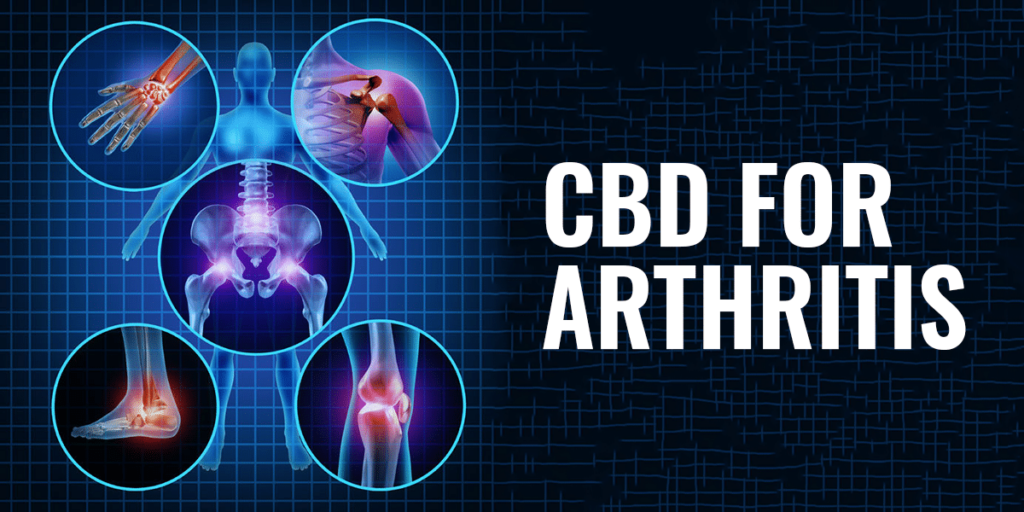
The potential of CBD oil in treating arthritis pain stems from several therapeutic benefits:
1. Anti-inflammatory Properties
Chronic inflammation is a hallmark of arthritis. By preventing the synthesis of pro-inflammatory cytokines like interleukin-6 (IL-6) and tumor necrosis factor-alpha (TNF-α), CBD has demonstrated potent anti-inflammatory effects. These cytokines are responsible for the inflammatory processes that lead to swelling, redness, and joint stiffness in arthritis patients. By blocking their action, CBD can reduce the severity of inflammation, easing arthritis symptoms.
2. Analgesic Effects
CBD’s analgesic (pain-relieving) effects are another key benefit for those with arthritis. Pain management is central to improving the quality of life for arthritis patients, and CBD appears to inhibit pain signals by interacting with various receptors in the brain and spinal cord. This modulation of pain pathways helps in reducing both the acute and chronic pain associated with arthritis.
3. Reduction in Joint Degeneration
Studies suggest that CBD can potentially slow down the progression of joint damage in arthritis. By reducing inflammation at the source, CBD may prevent further degradation of cartilage and bone, which is especially crucial in conditions like osteoarthritis where the cartilage between joints deteriorates over time.
4. Improvement in Sleep Quality
Chronic pain conditions such as arthritis are often associated with poor sleep quality. CBD has been shown to have a calming effect on the nervous system, which can help alleviate sleep disturbances related to pain and discomfort. Improved sleep contributes to better pain management and overall health.
5. Non-Addictive and Minimal Side Effects
Compared to traditional treatments for arthritis, such as opioids and nonsteroidal anti-inflammatory drugs (NSAIDs), CBD offers a non-addictive alternative with a low risk of side effects. Prolonged use of opioids can lead to dependency and other severe side effects, whereas CBD has been found to be well-tolerated, even in higher doses.
Effectiveness of CBD Oil for Arthritis Pain: What Does the Research Say?
The use of CBD to treat arthritis pain is gaining traction in science. Even though studies are still in their early phases, a number of them offer encouraging data regarding CBD’s effectiveness in treating arthritis-related symptoms.
1. Preclinical Studies
Animal studies have been foundational in understanding how CBD may help with arthritis. A study published in the European Journal of Pain in 2017 explored the effects of CBD in a rat model of arthritis. The rats were treated with a topical CBD application, and researchers observed a significant reduction in joint inflammation and pain without any noticeable side effects. This preclinical evidence suggests that CBD could be an effective treatment for arthritis-related inflammation and pain.
A different study that was published in the Journal of Experimental Medicine showed that CBD could reduce neuropathic pain and chronic inflammation in rats without causing tolerance, which is the requirement to take higher doses over time to have the same results.
2. Human Studies
While human trials are more limited, there have been encouraging findings. A small study published in the Journal of Clinical Rheumatology investigated the effects of a CBD oil product in patients with rheumatoid arthritis. Participants reported reductions in pain, improvement in sleep, and less discomfort during movement.
Similarly, a 2020 review in the Journal of Pain Research found that CBD shows promise as a treatment for chronic pain conditions, including arthritis. The review highlighted that CBD was well-tolerated in most patients and offered an alternative to conventional painkillers with fewer side effects.
While these studies are promising, more extensive, high-quality clinical trials are needed to confirm the long-term efficacy and safety of CBD oil for arthritis in humans.
Dosage of CBD Oil for Arthritis Pain
One of the most challenging aspects of using CBD oil for arthritis is determining the right dosage. Since CBD oil is not currently regulated by the U.S. Food and Drug Administration (FDA) for arthritis, there are no standardized dosages for arthritis pain. Nonetheless, a few broad recommendations for safe and efficient use are suggested by science and anecdotal experience.
1. Start Low, Go Slow
A common recommendation for CBD use is to start with a low dose and gradually increase it until desired effects are achieved. For arthritis pain, a typical starting dose might range from 5-10 mg of CBD per day. This dosage can then be adjusted upwards depending on the severity of the pain and the patient’s response to treatment.
2. Consider Body Weight and Severity of Pain
The ideal dosage of CBD depends in part on one’s weight. Depending on the severity of the pain, 1-6 mg of CBD per 10 pounds of body weight is a typical recommendation. For example, an individual weighing 150 pounds might begin with a daily dose of 15-25 mg of CBD.
3. Splitting the Dose
Some patients find that splitting the dose into smaller, more frequent doses throughout the day offers better pain control than taking a single larger dose. For example, a 20 mg dose of CBD oil can be divided into two 10 mg doses taken in the morning and evening.
4. Monitoring and Adjusting Dosage
It’s essential to keep a log of symptoms to monitor how the body responds to CBD over time. Patients should observe whether pain, inflammation, and joint stiffness improve and adjust the dosage accordingly. Consulting with a healthcare provider familiar with CBD use is highly recommended, especially if the patient is taking other medications for arthritis.
Potential Side Effects and Safety Considerations
Although CBD oil is considered safe for most people, there are a few potential side effects to be aware of, especially at higher doses:
- Fatigue: CBD may cause drowsiness, especially when taken in higher doses. Patients using CBD for arthritis may prefer to take it in the evening to avoid daytime fatigue.
- Diarrhea: Some individuals may experience gastrointestinal discomfort or diarrhea, particularly when starting CBD oil.
- Dry Mouth: CBD can reduce saliva production, leading to a dry mouth sensation.
- Interactions with Other Medications: Certain drugs, especially those processed by the cytochrome P450 enzymes in the liver, may interact with CBD. It’s important to consult a healthcare provider if using blood thinners, NSAIDs, or other medications for arthritis alongside CBD.
Legal Considerations and Quality Assurance
Given the evolving legal landscape of CBD, it’s important to ensure that any CBD oil used for arthritis is sourced from legally compliant and reputable producers. The 2018 Farm Bill legalized the cultivation of industrial hemp in the U.S., provided it contains less than 0.3% THC. However, the FDA does not currently regulate the production of CBD oil, which means consumers must be vigilant about product quality.
When purchasing CBD oil for arthritis, patients should look for products that:
- Are third-party tested for potency and purity
- Contain less than 0.3% THC
- Are derived from organically grown hemp to avoid contamination with pesticides or heavy metals
Restrictions on Using CBD in the Medical Field as a Last Resort

1. Medical Hierarchy and Established Treatments
One of the primary restrictions in using CBD as a last resort is the medical hierarchy of treatment. In the medical field, treatments are generally administered based on evidence-based guidelines. Conventional therapies, including pharmaceuticals like NSAIDs, opioids, and disease-modifying antirheumatic drugs (DMARDs), are typically considered the first line of treatment for conditions such as chronic pain, inflammation, and autoimmune diseases.
CBD is often categorized as an alternative or complementary treatment, and in many jurisdictions, its use may only be permitted after all conventional treatments have been exhausted. This restriction ensures that patients first receive the most widely studied and accepted treatments before turning to alternative therapies like CBD, which, despite growing evidence, still requires more large-scale clinical trials to be fully endorsed in mainstream medicine.
2. Regulatory Status of CBD
The legal position of CBD differs throughout nations, as well as between states and provinces. In some regions, CBD is fully legalized for medical use, while in others, it is only available for compassionate use or under special access programs when no other treatment options are available.
Epidiolex, for instance, is the only CBD-based medication that the FDA (Food and Drug Administration) has authorized for the treatment of specific uncommon kinds of epilepsy in the United States. The use of CBD for other medical conditions remains largely unregulated, meaning that it can only be used in specific cases and may require a physician’s recommendation or participation in a clinical trial.
In countries with stricter controls, like the United Kingdom or parts of Europe, CBD may only be legally prescribed when conventional treatments have proven ineffective or are contraindicated for a particular patient. These restrictions ensure that CBD is used responsibly and in accordance with the highest medical standards when other treatment options have failed.
3. Prescription and Medical Oversight
For CBD to be used as a last resort, medical oversight is required. Physicians prescribing CBD must ensure that it is used in an appropriate clinical context, based on an individual’s health condition and treatment history. In many jurisdictions, physicians are required to follow specific guidelines before recommending CBD. These guidelines may include:
- Documentation of failed attempts with conventional therapies.
- A detailed risk-benefit analysis indicating why CBD is being considered over other treatments.
- Informed consent from the patient, making them aware of the benefits, potential side effects, and the experimental nature of the treatment.
- Regular monitoring of the patient’s progress to assess the effectiveness and safety of CBD use.
In this context, CBD is considered a secondary or tertiary option, often prescribed only after other treatment regimens have not provided adequate relief or are not well-tolerated by the patient.
4. Special Populations
In some cases, the use of CBD as a last resort may be further restricted for special populations, including:
- Pediatric patients: Due to limited research on long-term effects in children, CBD may only be used in cases of severe conditions like treatment-resistant epilepsy.
- Pregnant or breastfeeding women: Medical professionals may avoid prescribing CBD due to the potential unknown risks to the fetus or infant.
- Elderly patients: Older adults with multiple chronic conditions or those taking numerous medications may be restricted from using CBD due to potential drug interactions or concerns about how the body metabolizes the compound.
In all these cases, physicians must navigate complex ethical and regulatory frameworks to ensure that CBD is prescribed safely and effectively.
Monitoring THC Levels in Medications to Prevent Psychoactive Effects on Patients
1. Importance of THC Monitoring in CBD Medications
While CBD is non-psychoactive, some CBD products may contain trace amounts of THC (tetrahydrocannabinol), which is the psychoactive component of cannabis responsible for the “high.” For medical patients, particularly those using CBD for conditions like chronic pain, epilepsy, or arthritis, exposure to THC is not desirable and could lead to adverse effects, including dizziness, cognitive impairment, anxiety, or psychomotor dysfunction.
Therefore, monitoring THC levels in CBD-based medications is crucial to prevent psychoactive effects and ensure patient safety. In many cases, the law requires that CBD products contain no more than 0.3% THC, but even trace amounts can have unwanted effects in some sensitive populations.
2. Legal Limits and Regulatory Standards
Various jurisdictions have set legal limits for the amount of THC allowed in CBD products:
- In the United States, the 2018 Farm Bill legalized industrial hemp and CBD products derived from hemp, provided they contain less than 0.3% THC by dry weight.
- In the European Union, CBD products are required to have THC levels below 0.2% in most member states.
- Other countries, such as Canada and Australia, allow higher THC levels in medical CBD products, but they must still be clearly labeled and are subject to medical prescription regulations.
Manufacturers of CBD products must adhere to these regulations by ensuring that THC levels remain within the permitted range. This is achieved through rigorous third-party testing and quality control measures.
3. Third-Party Testing and Certification
To ensure that THC levels in CBD medications do not exceed legal or medically acceptable limits, manufacturers are required to provide third-party testing results. This involves sending CBD products to an independent laboratory for analysis. The lab tests the product for:
- CBD and THC concentration: To verify that the product contains the advertised levels of CBD and remains below the legal limit for THC.
- Purity: To ensure the product is free from contaminants like pesticides, heavy metals, or solvents.
- Terpene profile: Terpenes are compounds that can have therapeutic effects and are often included in full-spectrum CBD products.
Once the product passes the tests, it can be labeled as THC-compliant and free of psychoactive effects, making it suitable for medical use.
4. Physician Oversight and Patient Monitoring
When prescribing CBD to patients, physicians must ensure that the product used contains safe levels of THC. In medical settings, particularly when CBD is being used as a last resort, physicians may request certified THC-free products (often labeled as broad-spectrum or CBD isolate products) to guarantee that patients do not experience any psychoactive effects.
In addition to ensuring that the product is free from significant levels of THC, physicians are responsible for monitoring patient response. This includes:
- Tracking any signs of cognitive impairment or psychoactive symptoms, particularly in vulnerable populations such as children or the elderly.
- Performing regular drug screenings to ensure THC levels in the patient’s system remain below psychoactive thresholds, particularly if the patient’s job or daily activities could be impaired by THC exposure.
Conclusion
CBD oil has emerged as a promising option for the management of arthritis pain due to its anti-inflammatory, analgesic, and neuroprotective properties. For patients with chronic conditions like arthritis, where traditional treatments may lead to side effects or inadequate relief, CBD offers an alternative with minimal risk of addiction and fewer side effects than opioids or NSAIDs. While more extensive clinical trials are needed to solidify its place in mainstream medicine, current research supports the potential benefits of CBD in reducing pain, inflammation, and improving sleep quality for arthritis sufferers.
However, the medical use of CBD, particularly as a last resort, is subject to specific restrictions that ensure patient safety and efficacy. CBD should only be used after conventional treatments have been explored and exhausted, with medical oversight guiding its application. Physicians must follow strict guidelines, including informed consent and patient monitoring, to ensure that CBD is used responsibly in clinical settings. Special populations such as children, the elderly, and pregnant women require even more careful consideration when using CBD as a therapeutic agent.
Additionally, while CBD is non-psychoactive, there is a need for careful monitoring of THC levels in CBD-based medications to prevent any unwanted psychoactive effects on patients. This is critical to ensuring that patients, particularly those sensitive to THC, can benefit from CBD without experiencing cognitive impairment or discomfort. Regulatory frameworks worldwide enforce THC limits in CBD products, requiring rigorous third-party testing and certification to confirm compliance.
Healthcare professionals must ensure they are prescribing certified THC-compliant products and regularly monitoring patient responses, especially in cases where CBD is used in conjunction with other medications. By adhering to these guidelines and focusing on patient education, the medical field can continue to explore the therapeutic potential of CBD oil, providing effective relief for conditions like arthritis without the risks associated with traditional treatments.
In summary, CBD oil offers a potential solution for arthritis pain relief, but its use in the medical field must be carefully regulated, especially as a last resort. With proper monitoring, adherence to legal standards, and ongoing research, CBD can be integrated into treatment plans that prioritize patient safety and effectiveness, providing a valuable tool in the management of chronic pain conditions.
