Table of Contents
CBD Mango Haze is a balanced hybrid cannabis strain known for its high CBD content, vibrant flavor profile, and unique therapeutic properties. This strain is a standout among cannabis connoisseurs for its fruity aroma, manageable psychoactive effects, and its versatility in medical and recreational contexts. Developed by combining Mango Haze with a high-CBD strain, CBD Mango Haze has gained popularity among both recreational and medical users.
This detailed analysis explores the strain’s genetics, chemical composition, appearance, aroma, and specific medical and recreational applications. We also delve into its scientific and pharmacological properties, emphasizing its role in the modern cannabis landscape.
Genetic Background and Composition
Lineage: CBD Mango Haze is a hybrid strain bred from the cross of Mango Haze and a high-CBD parent strain. Mango Haze itself is a sativa-dominant hybrid, born from Haze genetics, including Northern Lights #5, Skunk, and Haze. The high-CBD lineage introduces a therapeutic balance, making this strain particularly appealing for medical users.
Genetic Ratio: CBD Mango Haze typically exhibits a CBD-to-THC ratio ranging from 1:1 to 2:1, with some phenotypes skewing higher in CBD content. This balance ensures minimal psychoactive effects while retaining the benefits of both cannabinoids.
Appearance, Aroma, and Flavor
Appearance: CBD Mango Haze boasts vibrant green buds accented by orange pistils and a dusting of crystalline trichomes. The flowers are medium to large, with a slightly fluffy, sativa-like structure. These visual characteristics often signify its potency and freshness.
Aroma: The strain’s aroma is a tropical delight, dominated by mango, pineapple, and citrus notes with hints of spice and earthiness. This aromatic profile comes from its diverse terpene content, particularly myrcene, limonene, and caryophyllene.
Flavor Profile: When smoked or vaporized, CBD Mango Haze delivers a smooth, fruity flavor reminiscent of fresh mangoes, tropical fruits, and sweet citrus. The subtle earthy undertones provide balance, creating a pleasant and flavorful experience.
Cannabinoid and Terpene Profile
Cannabinoids:
- CBD: Ranges between 6-15%, with some phenotypes exceeding this level.
- THC: Typically remains low, between 4-8%, ensuring mild psychoactive effects.
- Minor Cannabinoids: Includes trace amounts of CBG (Cannabigerol) and CBC (Cannabichromene), contributing to the entourage effect.
Terpenes:
- Myrcene: Known for its sedative and relaxing properties, contributing to the mango aroma.
- Limonene: Associated with elevated mood and stress relief, adding citrusy notes.
- Caryophyllene: Exhibits anti-inflammatory properties and a spicy undertone.
- Pinene: May enhance focus and counteract short-term memory loss associated with THC.
Medical Applications
CBD Mango Haze is highly regarded in medical cannabis circles due to its high CBD content and minimal intoxicating effects. Its balanced cannabinoid profile supports a wide range of therapeutic applications.
- Pain Management:
- The anti-inflammatory and analgesic properties of CBD, supported by caryophyllene, make CBD Mango Haze effective for long-term pain disorders like neuropathic pain, fibromyalgia, and arthritis.
- Anxiety and Stress Relief:
- Limonene and CBD work synergistically to reduce symptoms of anxiety, stress, and PTSD without the overwhelming psychoactive effects of high-THC strains.
- Epilepsy and Seizure Disorders:
- CBD Mango Haze’s high CBD content aligns with evidence supporting CBD’s efficacy in reducing seizure frequency in diseases such as Lennox-Gastaut syndrome and Dravet syndrome.
- Inflammatory Disorders:
- Conditions like Crohn’s disease, ulcerative colitis, and autoimmune disorders may benefit from the anti-inflammatory properties of CBD and caryophyllene.
- Neurological Conditions:
- Neuroprotective properties of CBD and its interaction with the endocannabinoid system make this strain beneficial for multiple sclerosis, Parkinson’s disease, and Alzheimer’s disease.
- Sleep Disorders:
- Although not as sedative as pure indica strains, CBD Mango Haze can help regulate sleep cycles due to myrcene’s relaxing effects combined with CBD’s anxiety-relieving properties.
- Cancer Symptom Management:
- CBD Mango Haze is used to alleviate chemotherapy-induced nausea, vomiting, and loss of appetite. Its mild psychoactivity ensures patients can function without feeling overly intoxicated.
Recreational Uses
CBD Mango Haze’s recreational appeal lies in its moderate psychoactivity and uplifting effects, making it suitable for daytime or social use.
- Mood Elevation:
- The presence of limonene provides an uplifting and euphoric experience, ideal for combating the “blues” or enhancing a positive mood.
- Social Engagement:
- The strain’s mild effects promote relaxation and conversation without inducing paranoia or mental fog, making it a favorite for social gatherings.
- Creative Stimulation:
- Artists and creators appreciate CBD Mango Haze for its ability to enhance focus and inspire creative thinking, thanks to its sativa-dominant lineage.
- Active Lifestyle:
- The strain’s balanced effects make it a great companion for outdoor activities, yoga, or light exercise, providing energy and focus without impairing coordination.
Scientific Basis of Effects
The effects of CBD Mango Haze are rooted in its interaction with the endocannabinoid system (ECS), a complex network of receptors and signaling molecules that regulate homeostasis.
- CBD’s Mechanism of Action:
- CBD interacts indirectly with CB1 and CB2 receptors, modulating the psychoactive effects of THC and enhancing its therapeutic properties.
- CBD’s influence on serotonin receptors (5-HT1A) contributes to its anxiolytic and antidepressant effects.
- Entourage Effect:
- The combined action of cannabinoids and terpenes produces a synergistic effect, enhancing the strain’s therapeutic potential. For example, the interplay between CBD and caryophyllene enhances anti-inflammatory outcomes.
- Terpene Synergy:
- Myrcene’s sedative properties complement the anxiolytic effects of CBD.
- Limonene boosts mood and reduces stress, while pinene aids cognitive function.
- Minimal Psychoactivity:
- The low THC levels ensure mild cerebral stimulation without significant intoxication, making it accessible for patients sensitive to THC’s effects.
Optimal Growing Conditions
1. Climate Requirements: CBD Mango Haze thrives in warm, Mediterranean-like climates when cultivated outdoors. Ideal conditions include:
- Temperature: 70–85°F (21–29°C) during the day.
- Humidity: Moderate to low levels to prevent mold and mildew. During vegetative growth, relative humidity (RH) should range between 50–70%. In the flowering phase, reduce RH to 40–50% to ensure healthy bud development.
- Lighting: If grown indoors, the strain benefits from full-spectrum LED lights providing 18–20 hours, 12 hours during flowering and light during the vegetative stage.
2. Soil and Nutrients:
- Soil: A well-aerated, nutrient-rich soil with good drainage is ideal. Loamy soil mixed with perlite or coco coir enhances root oxygenation and prevents waterlogging.
- Nutrients: Balanced macronutrients (Nitrogen-Phosphorus-Potassium or NPK) are crucial. CBD Mango Haze prefers:
- Vegetative phase: High nitrogen (e.g., 3-1-2 NPK ratio).
- Flowering phase: Lower nitrogen, higher phosphorus and potassium (e.g., 1-3-2 NPK ratio).
- Trace minerals like calcium, magnesium, and sulfur are essential for healthy development.
3. pH Levels: Maintain soil or hydroponic pH between 6.0 and 6.5. For hydroponic systems, aim for slightly lower pH levels (5.5–6.0) to optimize nutrient uptake.
Cultivation Techniques
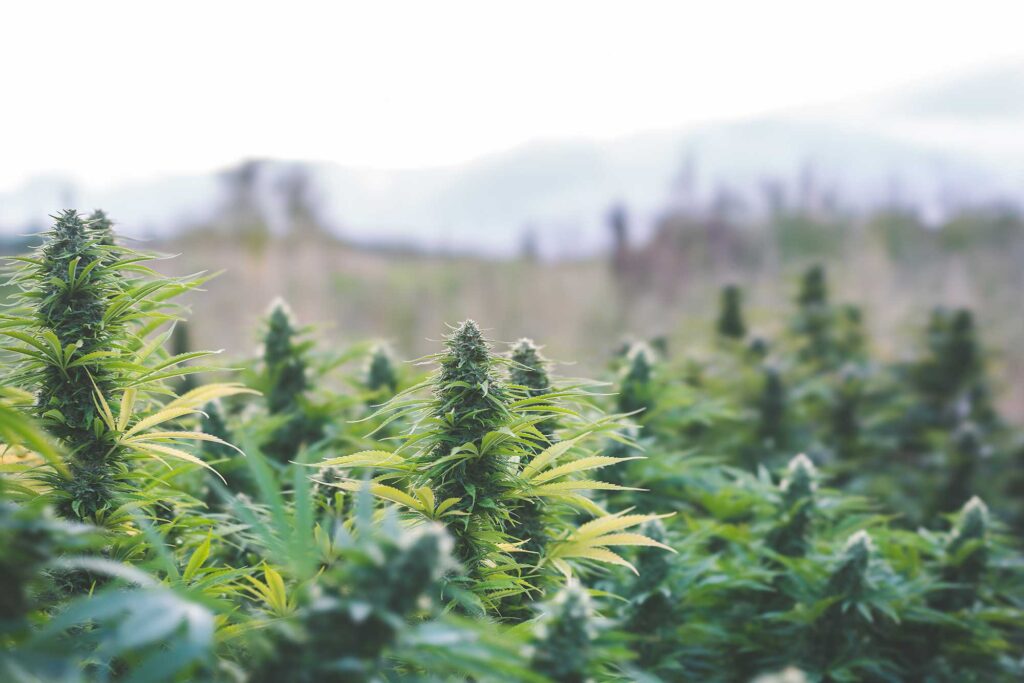
1. Pruning and Training:
- Pruning: Remove lower leaves and small buds (popcorn buds) to direct energy toward the main colas.
- Training Techniques:
- SCROG (Screen of Green): A screen placed over plants helps spread the canopy evenly, maximizing light exposure and encouraging uniform bud growth.
- LST (Low-Stress Training): Bending stems gently to manipulate growth direction enhances airflow and light penetration.
- Topping: Cutting the top of the main stem encourages multiple colas instead of a single dominant one.
2. Hydroponic Cultivation: CBD Mango Haze performs exceptionally well in hydroponic systems, where roots are submerged in nutrient-rich water. Popular hydroponic setups include:
- Deep Water Culture (DWC): Roots float in oxygenated water, allowing rapid nutrient absorption.
- Drip Irrigation: Provides precise water and nutrient delivery, minimizing waste.
Hydroponics often accelerates growth and enhances cannabinoid and terpene production compared to soil cultivation.
3. Pest and Disease Management: CBD Mango Haze is moderately resistant to pests and diseases, but preventive measures are critical:

- Common Pests: Aphids, spider mites, and whiteflies. Introduce natural predators like ladybugs or predatory mites as biocontrol agents.
- Mold and Mildew: Powdery mildew and botrytis (bud rot) are concerns in high-humidity environments. Controlling humidity and providing enough ventilation are crucial.
- Preventive Measures: Neem oil or organic insecticidal soap can prevent infestations without harming the plant.
Flowering Phase
1. Flowering Time: CBD Mango Haze has a relatively long flowering period of 9–11 weeks. This extended timeline allows for full cannabinoid and terpene development, enhancing the strain’s therapeutic and aromatic qualities.
2. Light Management: During flowering, ensure a strict 12/12 light-dark cycle. Indoor growers can use blackout curtains or automated lighting systems to maintain this schedule.
3. Trichome Monitoring: To harvest at peak potency:
- Use a microscope or magnifying glass to keep an eye on trichomes.
- Harvest when trichomes transition from clear to cloudy with a slight amber hue. This indicates optimal cannabinoid and terpene levels.
Harvesting and Post-Harvest Processing
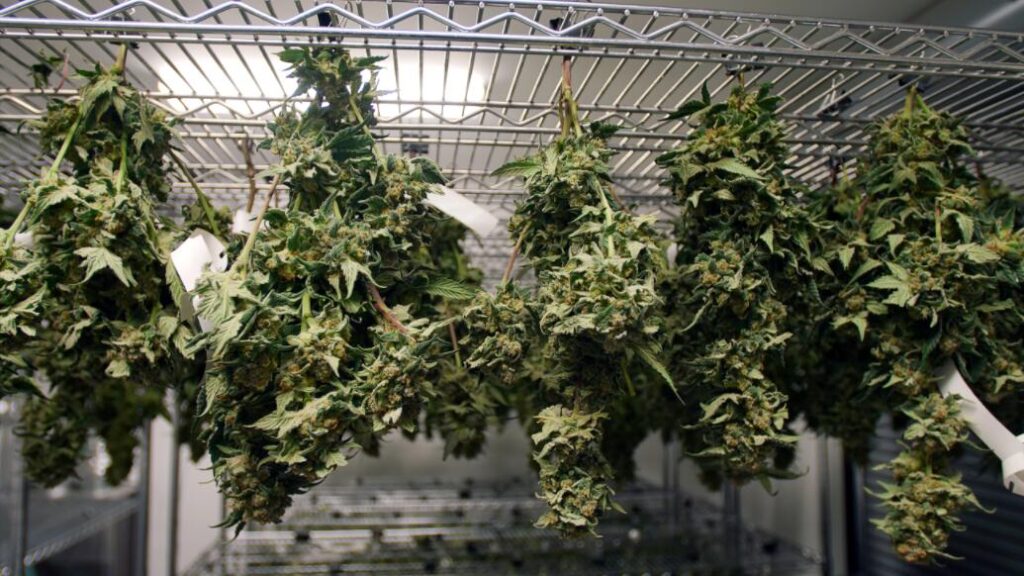
1. Harvesting:
- Use sterilized scissors to cut buds carefully to avoid damaging the trichomes.
- Time harvest during early morning (if grown outdoors) to preserve terpenes, which are volatile under high temperatures.
2. Drying:
- Hang harvested buds upside down in a dark, ventilated room.
- Maintain temperature between 60–70°F (15–21°C) and humidity at 50–60% for 7–10 days.
3. Curing:
- Place the buds in airtight glass jars once they have dried.
- Store in a cool, dark place and open jars (“burp”) daily for the first week to release excess moisture.
- Cure for 2–4 weeks to enhance flavor, aroma, and smoothness.
Yield and Optimization
1. Expected Yield:
- Indoor Cultivation: 450–600 grams per square meter.
- Outdoor Cultivation: 600–700 grams per plant under optimal conditions.
2. Factors Influencing Yield:
- Adequate lighting: High-intensity lights like LEDs or HPS increase photosynthesis.
- Nutrient precision: Overfeeding or underfeeding can stunt growth.
- Airflow and humidity: Prevent mold and ensure robust growth with proper ventilation.
3. Enhancing Cannabinoid and Terpene Profiles:
- To prevent chemical residues, use organic fertilizers.
- Supplement with microbial inoculants to boost root health and nutrient uptake.
- During the final 1–2 weeks of flowering, “flush” plants with pure water to remove excess nutrients, improving the strain’s taste and smoothness.
Cultivation Challenges
1. Long Flowering Time: The extended flowering period requires patience and careful environmental monitoring to avoid issues like nutrient burn or pest infestations.
2. Phenotypic Variability: CBD Mango Haze may exhibit variability in CBD-to-THC ratios, making consistent results dependent on selecting stable phenotypes.
3. Height Management: The strain’s sativa genetics contribute to taller growth, requiring indoor growers to manage plant height through topping or other training methods.
Consumer Experience
CBD Mango Haze provides a well-rounded experience suitable for a wide audience, from medical patients to casual users.
Onset and Duration:
- Onset: Effects begin within 10-15 minutes after consumption.
- Peak: Reached within 30-60 minutes.
- Duration: Effects last 2-4 hours, depending on dosage and individual tolerance.
Ingestion Techniques, Duration, Effects, and Onset
Smoking involves combusting the dried flowers of CBD Mango Haze in a joint, pipe, or bong. It delivers rapid effects due to the immediate absorption of cannabinoids through the lungs. Effects typically onset within 2–10 minutes and last about 2–4 hours. Smoking preserves the strain’s terpene profile, enhancing its signature mango and citrus flavors, though it may release harmful combustion byproducts that can irritate the lungs. Cannabinoid bioavailability is approximately 30%, as combustion activates cannabinoids like CBD and THC through decarboxylation.
Vaporization is a cleaner alternative to smoking. It heats the cannabis flower or concentrate below combustion temperatures, releasing vapor rich in cannabinoids and terpenes. Vaporizing provides a fast onset of effects within 5–10 minutes, lasting about 2–4 hours. This method preserves more active compounds than smoking, with a higher cannabinoid bioavailability of around 50%. It is particularly favored for its efficient absorption and smooth experience.
Edibles involve infusing CBD Mango Haze into food or beverages. The effects have a delayed onset of 30–90 minutes due to digestion and first-pass metabolism in the liver, where cannabinoids are converted into potent metabolites such as 11-hydroxy-THC. Effects from edibles are long-lasting, typically 6–8 hours or more, making them ideal for sustained symptom relief. While edibles offer discretion and a smoke-free option, precise dosing is challenging, and effects can vary widely based on individual metabolism.
Tinctures and Oils are concentrated cannabis extracts typically mixed with a carrier oil and administered sublingually (under the tongue). This method allows cannabinoids to bypass the digestive system and enter the bloodstream directly, resulting in a faster onset of effects within 15–30 minutes. Effects last about 4–6 hours and provide precise dosing. Sublingual application preserves the strain’s therapeutic properties and is discreet, though the taste may be unpleasant to some users.
Topicals include creams, balms, and transdermal patches infused with CBD Mango Haze extracts. These products are applied directly to the skin, targeting localized pain, inflammation, or skin conditions without inducing psychoactive effects. Onset occurs within 10–20 minutes, and effects last 2–4 hours. Topicals are effective for site-specific relief as cannabinoids interact with local endocannabinoid receptors without entering the bloodstream.
Side Effects and Precautions
While CBD Mango Haze is well-tolerated, some users may experience mild side effects, particularly at higher doses.
- Dry Mouth and Eyes:
- Common among cannabis strains; staying hydrated can mitigate these effects.
- Dizziness:
- Rare, but may occur in sensitive users or those new to cannabis.
- Low THC Tolerance:
- Its low THC content minimizes paranoia and anxiety, making it suitable for novice users.
- Drug Interactions:
- Drugs that are processed by the cytochrome P450 enzyme system may interact with CBD. If you are taking prescription drugs, speak with your doctor.
Future Potential and Research
CBD Mango Haze represents a new wave of cannabis strains focusing on therapeutic applications without the intense psychoactivity of traditional THC-dominant varieties. As cannabis research progresses, strains like CBD Mango Haze could play pivotal roles in:
- Personalized Medicine:
- Tailoring cannabinoid and terpene profiles for specific medical conditions.
- Pharmaceutical Development:
- Isolating active compounds for use in targeted therapies.
- Chronic Disease Management:
- Expanding evidence for cannabis in managing conditions like epilepsy, PTSD, and autoimmune disorders.
Conclusion
CBD Mango Haze is a versatile cannabis strain celebrated for its balance of therapeutic and recreational qualities. Its high CBD content, tropical flavor profile, and manageable psychoactive effects make it an ideal choice for patients seeking relief from various ailments and recreational users desiring a gentle, uplifting experience.
From its rich genetic heritage to its promising medical applications, CBD Mango Haze exemplifies the potential of cannabis as a multifaceted tool for wellness and enjoyment. Whether consumed for relaxation, creativity, or symptom management, this strain offers a unique and rewarding experience for its users.
For a complete directory of cultivars, visit our Cannabis Strain Reviews.
