Table of Contents
CBD Critical Cure is a hybrid cannabis strain renowned for its balanced cannabinoid profile, offering a high CBD content with moderate THC levels. Developed by Barney’s Farm in collaboration with CBD Crew, this strain is specifically bred for medicinal purposes, making it an excellent choice for patients seeking therapeutic effects without overwhelming psychoactivity. This document provides an in-depth examination of CBD Critical Cure, including its genetic lineage, chemical composition, therapeutic benefits, recreational uses, cultivation insights, and scientific research.
Genetic Lineage and Background
CBD Critical Cure is a hybrid strain resulting from the crossbreeding of Critical Kush and an undisclosed high-CBD strain. Critical Kush is a potent indica-dominant hybrid derived from Critical Mass and OG Kush, renowned for having a high THC concentration and potent sedative effects. By introducing a CBD-rich variety into its genetic pool, breeders have developed a strain that offers a well-balanced cannabinoid ratio ideal for medicinal applications.
Key Genetic Features:
- Parent Strains: Critical Kush × High-CBD strain
- Strain Type: Indica-dominant hybrid
- CBD Content: 8-12%
- THC Content: 5-10%
- Terpene Profile: Myrcene, Caryophyllene, Limonene, Humulene
Chemical Composition and Scientific Profile
CBD Critical Cure is characterized by its rich cannabinoid and terpene profile, which contributes to its therapeutic and recreational effects.
Cannabinoid Profile:
- Cannabidiol (CBD): Ranges between 8-12%, significantly higher than most recreational strains, making it ideal for medicinal use.
- Tetrahydrocannabinol (THC): Maintains a moderate level of 5-10%, providing mild psychoactive effects without excessive intoxication.
- Other Cannabinoids: Contains minor cannabinoids such as CBG (Cannabigerol) and CBC (Cannabichromene), which contribute to its entourage effect.
Terpene Profile:
- Myrcene: Provides relaxing and sedative properties, contributing to its pain-relieving effects.
- Caryophyllene: Known for its anti-inflammatory and analgesic properties, interacting with CB2 receptors.
- Limonene: Offers mood-enhancing benefits and may help with anxiety and stress relief.
- Humulene: Possesses appetite-suppressing and anti-inflammatory properties.
Medical Uses and Benefits
CBD Critical Cure is widely recognized for its therapeutic properties due to its high CBD content and well-balanced THC levels. It is primarily used for treating various medical conditions, including chronic pain, anxiety, inflammation, and neurological disorders.
Pain Management
CBD Critical Cure is highly effective in treating chronic pain conditions such as arthritis, fibromyalgia, and migraines. The combination of CBD and THC enhances pain relief through their interaction with the endocannabinoid system (ECS), modulating pain perception and reducing inflammation.
Anxiety and Stress Relief
Patients suffering from anxiety disorders, PTSD, and chronic stress benefit significantly from this strain. The high CBD content counteracts THC-induced anxiety while promoting relaxation and mental clarity.
Anti-Inflammatory Effects
CBD is well-known for its anti-inflammatory properties, making CBD Critical Cure a suitable option for individuals with autoimmune diseases, inflammatory bowel disease (IBD), and multiple sclerosis (MS). Caryophyllene also enhances these anti-inflammatory benefits by interacting with CB2 receptors in the immune system.
Neuroprotective and Epilepsy Treatment
CBD has been extensively studied for its neuroprotective properties, showing promise in treating neurodegenerative conditions like Alzheimer’s, Parkinson’s, and multiple sclerosis. Additionally, CBD Critical Cure may help manage epilepsy and seizure disorders, similar to FDA-approved CBD medications like Epidiolex.
Sleep Aid and Insomnia Treatment
CBD Critical Cure’s sedative effects make it a suitable option for individuals suffering from insomnia. Myrcene and THC work together to promote deep, restful sleep without the grogginess often associated with pharmaceutical sleep aids.
Cancer Symptom Relief
This strain has been used by cancer patients to alleviate chemotherapy-induced nausea, loss of appetite, and pain. CBD’s potential anti-tumor properties are also being explored in scientific research.
Recreational Uses and Effects
Despite being primarily medicinal, CBD Critical Cure also offers mild recreational benefits, particularly for users who prefer a less intoxicating experience.
Mild Euphoria and Relaxation
The balanced THC content provides a gentle cerebral euphoria without overwhelming psychoactive effects. Users report a calming body high with a sense of mental clarity, making it ideal for daytime or evening use.
Enhanced Focus and Creativity
CBD’s influence on dopamine receptors helps improve focus and cognitive function, making CBD Critical Cure beneficial for artists, writers, and individuals seeking creative inspiration without intense mental impairment.
Social and Mood Enhancement
While not as stimulating as high-THC strains, CBD Critical Cure can enhance social interactions by reducing anxiety and promoting a relaxed, comfortable state.
Cultivation Insights
Cultivating CBD Critical Cure effectively requires precise environmental control, nutrient optimization, and advanced cultivation techniques. Below, I’ll break down the most scientific approaches to growing CBD Critical Cure while ensuring maximum CBD yield and plant health.
Genetic Selection and Seed Germination
- Seed Selection: Opt for feminized seeds from reputable breeders (e.g., Barney’s Farm) to ensure a high CBD yield and consistent growth.
- Germination Method:
- Use the paper towel method (moist towels + darkness for 24-48 hours).
- Maintain a temperature of 22-26°C (72-78°F).
- Use a pH-balanced water solution (pH 5.8-6.3) to avoid shock.
- Once the taproot emerges (~1 cm), transplant to a small pot with a light, aerated soil mix (e.g., coco coir + perlite).
Ideal Growing Conditions (Scientific Parameters)
A. Climate and Environment
- Optimal Temperature:
- Vegetative stage: 22-28°C (72-82°F)
- Flowering stage: 18-24°C (65-75°F)
- Humidity Levels:
- Seedling stage: 65-70% RH
- Vegetative stage: 50-60% RH
- Flowering stage: 40-50% RH
- Late flowering (last 2 weeks): 30-40% RH (reduces risk of mold).
B. Lighting Spectrum & Photoperiod
- Indoor: Use full-spectrum LED (400-700 nm PAR range) to enhance photosynthesis.
- Light Cycle:
- Vegetative: 18/6 or 20/4 (light/dark)
- Flowering: 12/12 to induce bud production.
- PPFD (Photosynthetic Photon Flux Density) Range:
- Veg: 300-500 μmol/m²/s
- Flower: 600-900 μmol/m²/s
3. Soil vs. Hydroponics for CBD Optimization
A. Soil-Based Cultivation (Organic Approach)
- Best Soil Mix:
- 40% organic compost (worm castings, bat guano, mycorrhizal fungi)
- 30% coco coir or peat moss (for aeration)
- 20% perlite (drainage)
- 10% biochar (improves microbial activity)
- Nutrient Schedule:
- Veg: Higher nitrogen (N-P-K 3-1-2)
- Flowering: Higher phosphorus & potassium (N-P-K 1-3-5)
- Flush last 2 weeks with pure pH-balanced water.
B. Hydroponics (Advanced Scientific Method)
- Types: Deep Water Culture (DWC) or Drip Irrigation System.
- pH Level: 5.5-6.2 for nutrient uptake.
- EC (Electrical Conductivity) Levels:
- Veg: 1.0-1.5 mS/cm
- Flowering: 1.5-2.0 mS/cm
- CO₂ Enrichment: Maintaining 1,200-1,500 PPM CO₂ boosts photosynthesis and yield.
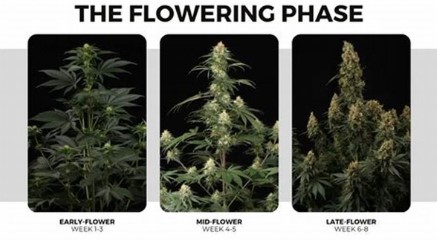
4. Advanced Training Techniques for Higher CBD Yield
- Low-Stress Training (LST): Increases light penetration, boosting CBD and terpene production.
- Screen of Green (ScrOG): Uses netting to maximize canopy exposure and resin production.
- Defoliation: Removing lower fan leaves improves airflow and reduces fungal risks.
5. Harvesting and Curing for Maximum CBD Retention
Curing: Store buds in glass jars (RH 58-62%) for at least 2-4 weeks to enhance flavor and potency.
Trichome Maturity: Harvest when trichomes are 70% cloudy and 20% amber for the best CBD-to-THC ratio.
Drying Conditions:
Temperature: 18-22°C (64-72°F)
Humidity: 50-55%
Duration: 7-14 days (slow drying preserves cannabinoids).
Methods of Ingestion, Onset, and Duration
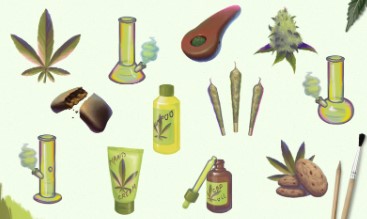
CBD Critical Cure is consumed using various ingestion methods, each influencing bioavailability, onset time, duration of effects, and therapeutic efficacy. Below, I break down the scientific aspects of different consumption methods, along with the pharmacokinetics of CBD and THC in CBD Critical Cure.
Methods of Ingestion & Their Bioavailability
A. Inhalation (Smoking or Vaporization)
- Onset: 1-5 minutes
- Peak Effects: 15-30 minutes
- Duration: 2-4 hours
- Bioavailability: 30-50% (high)
- Mechanism:
- Active compounds (CBD, THC, terpenes) enter the bloodstream via pulmonary alveoli, bypassing first-pass metabolism in the liver.
- Rapid onset makes it ideal for acute symptom relief (e.g., pain, anxiety, nausea).
- Differences Between Smoking vs. Vaping:
- Smoking: Higher temperatures lead to combustion byproducts, reducing cannabinoid potency.
- Vaporization: Preserves cannabinoids and terpenes by heating below combustion (~160-220°C / 320-428°F).
- Best Vape Temperature for CBD Critical Cure: 180-200°C (356-392°F) for optimal CBD activation while preserving terpenes.
B. Sublingual Administration (CBD Oils & Tinctures)
- Onset: 15-45 minutes
- Peak Effects: 1-2 hours
- Duration: 4-6 hours
- Bioavailability: 13-35%
- Mechanism:
- CBD & THC are absorbed directly into capillaries under the tongue, partially bypassing first-pass liver metabolism.
- More effective than edibles for systemic absorption without degradation in the digestive tract.
- Ideal for chronic pain, anxiety, and neuroprotection.
- Optimization Tip: Hold the tincture under the tongue for at least 60 seconds before swallowing to enhance absorption.
C. Oral Ingestion (Edibles, Capsules, Beverages)
- Onset: 30-120 minutes
- Peak Effects: 2-4 hours
- Duration: 6-12 hours
- Bioavailability: 4-20% (low, but long-lasting effects)
- Mechanism:
- CBD & THC are processed by the digestive system & liver (first-pass metabolism) before entering the bloodstream.
- THC converts to 11-hydroxy-THC, a more potent metabolite that enhances sedative effects.
- CBD undergoes partial degradation, reducing overall bioavailability.
- Use Case: Best for long-lasting symptom relief (chronic pain, inflammation, sleep disorders).
D. Topical Application (Creams, Lotions, Balms, Transdermal Patches)
- Onset: 10-30 minutes
- Peak Effects: 1-2 hours
- Duration: 2-6 hours
- Bioavailability: Varies (local effects only, except transdermal patches)
- Mechanism:
- Cannabinoids bind to CB2 receptors in the skin without significant absorption into the bloodstream (except transdermal patches, which penetrate deeper).
- Ideal for localized pain, arthritis, inflammation, and skin conditions.
- Transdermal Patches:
- Allow slow, steady cannabinoid release over 8-12 hours.
- Enhance systemic absorption compared to regular topicals.
E. Suppositories (Rectal & Vaginal Absorption)
- Onset: 10-30 minutes
- Peak Effects: 1-2 hours
- Duration: 4-8 hours
- Bioavailability: 50-70% (high, bypasses first-pass metabolism)
- Mechanism:
- Absorbed directly into blood circulation via rectal or vaginal mucosa, avoiding digestive degradation.
- Suitable for patients who cannot tolerate oral ingestion (e.g., chemotherapy patients, GI disorders).
- Best Use Cases:
- Severe pain (sciatica, endometriosis, Crohn’s disease).
- Neurological conditions requiring high CBD bioavailability.
Comparison of Onset, Duration, and Bioavailability by Ingestion Method
| Method | Onset Time | Peak Effects | Duration | Bioavailability |
|---|---|---|---|---|
| Smoking | 1-5 min | 15-30 min | 2-4 hours | 30-50% |
| Vaping | 1-3 min | 10-30 min | 2-4 hours | 40-60% |
| Sublingual | 15-45 min | 1-2 hours | 4-6 hours | 13-35% |
| Edibles | 30-120 min | 2-4 hours | 6-12 hours | 4-20% |
| Topicals | 10-30 min | 1-2 hours | 2-6 hours | Local effects |
| Suppositories | 10-30 min | 1-2 hours | 4-8 hours | 50-70% |
Factors Affecting Onset and Duration
Several factors influence how quickly and how long CBD Critical Cure’s effects last:
- Metabolism & Body Composition:
- Faster metabolism = shorter duration.
- Higher body fat = prolonged cannabinoid retention (CBD & THC are fat-soluble).
- Tolerance & Individual Endocannabinoid System Sensitivity:
- Regular users may need higher doses or different ingestion methods.
- Food Intake & Fat Content:
- Taking CBD edibles with healthy fats (e.g., avocado, coconut oil) enhances bioavailability.
- Cannabinoid Ratios & Terpene Content:
- Myrcene (sedative terpene) enhances THC & CBD effects, reducing onset time.
- Limonene & Pinene may counteract drowsiness, promoting mental clarity.
Choosing the Right Ingestion Method
CBD Critical Cure’s ingestion method should match the user’s medical or recreational needs:
- Fast-acting pain relief? → Vaping or Smoking.
- Long-lasting effects? → Edibles or Capsules.
- Localized treatment? → Topicals or Transdermal Patches.
- High bioavailability with steady release? → Suppositories or Sublingual tinctures.
Scientific Research and Future Potential
CBD Critical Cure’s high CBD content makes it a valuable strain for ongoing cannabis research. Some notable studies include:
- CBD’s Role in Pain Management: Research indicates that CBD interacts with TRPV1 receptors, modulating pain perception and inflammation (Russo, 2018).
- Anti-Seizure Properties: A 2017 study published in the New England Journal of Medicine confirmed CBD’s efficacy in reducing seizure frequency in epilepsy patients.
- Neuroprotective Potential: Studies suggest that CBD may help slow the progression of neurodegenerative diseases by reducing oxidative stress and inflammation (Esposito et al., 2016).
- Anxiolytic Effects: Clinical trials have demonstrated that CBD significantly reduces anxiety and stress-related disorders by interacting with serotonin receptors (Blessing et al., 2015).
Conclusion
CBD Critical Cure is a highly versatile cannabis strain that excels in both medicinal and recreational applications. Its high CBD-to-THC ratio makes it particularly suitable for patients seeking relief from chronic pain, anxiety, inflammation, and neurological disorders without experiencing overwhelming psychoactive effects. Additionally, its mild euphoric properties and ability to enhance focus make it a valuable choice for recreational users who prefer a balanced, relaxing experience.
As cannabis research continues to evolve, CBD Critical Cure remains a crucial strain in the field of medical marijuana, offering a natural alternative to pharmaceutical treatments. Whether used for pain management, mental health support, or general well-being, this strain exemplifies the therapeutic potential of cannabis in modern medicine.
For a complete directory of cultivars, visit our Cannabis Strain Reviews.
