Table of Contents
CBD Cream & Cheese is a unique hybrid cannabis strain bred for its balanced CBD-to-THC ratio and rich terpene profile. This strain is particularly popular among medical cannabis users due to its mild psychoactive effects and therapeutic benefits. It is also sought after by recreational users who prefer a relaxing and clear-headed high rather than an overwhelming euphoric experience.
This guide provides an in-depth analysis of CBD Cream & Cheese, covering its genetics, effects, medical and recreational uses, terpene profile, cultivation methods, and scientific findings related to its cannabinoids.
Overview of CBD Cream & Cheese
CBD Cream & Cheese is a balanced hybrid strain known for its high CBD content, making it an ideal choice for therapeutic use. It is a cross between Cheese (a UK-origin strain) and a high-CBD strain. The result is a unique combination of the pungent aroma of Cheese with the soothing, therapeutic effects of cannabidiol (CBD).
Genetic Background
- Parent Strains: Cheese × High-CBD strain
- Type: Hybrid (Balanced, slightly Indica-leaning)
- THC Content: 6-10%
- CBD Content: 12-18%
- Ratio (CBD:THC): Typically around 2:1 to 3:1, making it a high-CBD strain.
Appearance
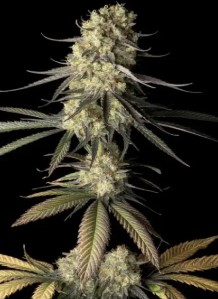
- Dense, medium-sized buds
- Bright green with orange pistils
- Covered in a frosty layer of trichomes
- Resinous and sticky texture
Aroma & Flavor
- Aroma: Pungent cheese, earthy, with sweet citrus and woody undertones
- Flavor: A rich, creamy taste with hints of cheese, nuts, and a touch of lemon
Applications of CBD Cream and Cheese in Medicine
CBD Cream & Cheese is highly regarded in the medical cannabis community due to its high CBD concentration. The strain provides relief from a wide range of conditions without causing an overwhelming psychoactive effect.
Pain Management
One of the most common medical applications of this strain is chronic pain relief. CBD interacts with the endocannabinoid system (ECS), which regulates pain perception. This strain is particularly effective in treating:
- Neuropathic pain
- Inflammatory pain (arthritis, fibromyalgia)
- Migraines and tension headaches
- Muscle spasms and cramps
Anxiety & Stress Reduction
Due to its high CBD content and low THC levels, CBD Cream & Cheese is excellent for managing anxiety disorders. It is commonly used for:
- Generalized Anxiety Disorder (GAD)
- Social Anxiety Disorder (SAD)
- Post-Traumatic Stress Disorder (PTSD)
- Panic Attacks
The calming properties of CBD help regulate serotonin levels, promoting a sense of well-being and relaxation without the paranoia associated with high-THC strains.
Epilepsy and Seizure Disorders
CBD-rich strains like CBD Cream & Cheese have been extensively studied for their anti-seizure properties. The FDA-approved Epidiolex, a CBD-based medication, has shown effectiveness in treating:
- Dravet syndrome
- Lennox-Gastaut syndrome
- Other treatment-resistant forms of epilepsy
Patients with seizure disorders often benefit from the neuroprotective effects of CBD.
Sleep Disorders & Insomnia
CBD Cream & Cheese can aid individuals struggling with insomnia or disrupted sleep patterns. Its sedative-like properties help:
- Increase sleep duration
- Improve sleep quality
- Reduce nighttime awakenings
Unlike high-THC strains, this strain provides deep relaxation without grogginess the next morning.
Inflammation and Autoimmune Disorders
CBD’s potent anti-inflammatory effects make this strain ideal for managing conditions such as:
- Rheumatoid arthritis
- Crohn’s disease
- Multiple sclerosis (MS)
- Lupus
CBD reduces cytokine production, decreasing inflammation at the cellular level.
Neuroprotective Benefits
Emerging research suggests CBD Cream & Cheese could have neuroprotective properties, making it beneficial for:
- Alzheimer’s disease (reducing amyloid plaque buildup)
- Parkinson’s disease (reducing motor symptoms)
- Multiple Sclerosis (reducing neuroinflammation)
Gastrointestinal Disorders
CBD’s ability to regulate gut motility and inflammation makes this strain useful for conditions such as:
- Irritable Bowel Syndrome (IBS)
- Crohn’s Disease
- Ulcerative Colitis
- Acid reflux (GERD)
CBD helps restore gut microbiome balance and reduces symptoms of digestive discomfort.
Recreational Uses of CBD Cream & Cheese
While not as potent in THC as some recreational strains, CBD Cream & Cheese is still appreciated for its mild, relaxing effects.
Relaxation Without Intoxication
Recreational users seeking a mild, functional high enjoy this strain. It provides:
- Euphoria without paranoia
- Relaxation without sedation
- Mental clarity and focus
Creativity Boost
CBD Cream & Cheese can enhance creativity and focus, making it a great option for artists, musicians, and writers. Unlike high-THC strains, it does not induce mental fog.
Social Use
Its relaxing yet functional effects make it an excellent choice for social settings, helping with:
- Reducing social anxiety
- Promoting relaxed conversations
- Enhancing mood and laughter
Exercise & Recovery
Some athletes and fitness enthusiasts use this strain for:
- Post-workout muscle recovery
- Reducing inflammation
- Promoting relaxation after intense activity
Terpene Profile & Effects
The terpene composition of CBD Cream & Cheese contributes to its unique effects and medicinal properties.
Main Terpenes
- Myrcene: Sedative, anti-inflammatory, pain relief
- Caryophyllene: Anti-inflammatory, interacts with CB2 receptors
- Limonene: Mood elevation, anti-anxiety
- Linalool: Calming, anti-depressant, anti-seizure
- Pinene: Alertness, bronchodilator, memory aid
Entourage Effect
The combination of CBD, THC, and terpenes creates a synergistic effect known as the entourage effect, enhancing the strain’s medicinal benefits.
Scientific Insights & Cannabinoid Research
CBD & THC Interaction
Studies show that CBD modulates THC’s effects, reducing paranoia and cognitive impairment while still delivering therapeutic benefits.
Effects on Brain Chemistry
- CBD interacts with serotonin receptors (5-HT1A), which helps regulate mood and anxiety.
- It also influences the GABAergic system, promoting relaxation and reducing excessive neuronal activity (useful for epilepsy and anxiety).
Studies on Inflammation and Pain
Research indicates that CBD has potent anti-inflammatory properties by inhibiting pro-inflammatory cytokines and enhancing anandamide signaling.
Antioxidant & Neuroprotective Properties
CBD Cream & Cheese’s high CBD levels contribute to reducing oxidative stress, which is linked to aging, neurodegenerative diseases, and immune dysfunction.
Cultivation Information
Growing CBD Cream & Cheese requires a controlled environment to maximize CBD content, terpene expression, and overall plant health. Below are scientifically-backed cultivation techniques to optimize cannabinoid production, prevent pests and diseases, and enhance yield.
Optimal Growing Conditions
To cultivate CBD Cream & Cheese successfully, maintaining the right environmental conditions is crucial.
Temperature & Humidity Control
- Vegetative Stage:
- Temperature: 70-85°F (21-29°C)
- Humidity: 55-65%
- Maintain high humidity for vigorous leaf and root development.
- Flowering Stage:
- Temperature: 65-80°F (18-27°C)
- Humidity: 40-50%
- Lower humidity to prevent mold and bud rot.
- Late Flowering (Last 2 Weeks):
- Temperature: 60-75°F (16-24°C)
- Humidity: 30-40%
- This helps to increase trichome production and improve cannabinoid/terpene expression.
Lighting Requirements
- Indoor Cultivation:
- Vegetative Stage: Light for 18–24 hours a day
- Flowering Stage: 12 hours of light / 12 hours of darkness
- Preferred Light Type: Full-spectrum LED grow lights or HPS (High-Pressure Sodium)
- Light Intensity: 600-1000 µmol/m²/s (PPFD measurement)
- Outdoor Cultivation:
- Requires 8-12 hours of direct sunlight per day.
- Grows best in Mediterranean climates (warm, dry conditions).
Soil vs. Hydroponic Growing
Soil-Based Cultivation
- Soil pH: 6.0-6.5
- Soil Type: Loamy soil with high aeration and organic matter.
- Nutrients:
- Nitrogen (N) during vegetative growth.
- Phosphorus (P) & Potassium (K) during flowering for resin production.
- Calcium & Magnesium to support enzyme activation and trichome formation.
Hydroponic Cultivation (For Faster Growth & Higher CBD Yields)
- pH of Nutrient Solution: 5.5-6.2
- Preferred Mediums:
- Coconut Coir
- Rockwool
- Deep Water Culture (DWC)
- Nutrient Feeding Schedule:
- Use a calcium-magnesium supplement in hydroponic systems.
- Monitor EC (Electrical Conductivity): Maintain 1.2-2.2 mS/cm.
Advanced Cultivation Techniques
Training Methods for Maximum Yield
- Low-Stress Training (LST):
- Bend branches to expose lower nodes to light.
- Increases bud sites without causing plant stress.
- Topping & FIMing:
- Cutting the apical meristem (main stem) to encourage lateral growth.
- Improves canopy development and yield.
- Screen of Green (ScrOG):
- Uses a net to support lateral growth.
- Maximizes light exposure and promotes even bud development.
Nutrient & Water Management
Nutrient Feeding Schedule
- Vegetative Stage (Weeks 1-4):
- High Nitrogen (N) (4-2-3 ratio)
- Moderate Phosphorus (P) for root development.
- Cal-Mag Supplements for strong stems.
- Flowering Stage (Weeks 5-10):
- Lower Nitrogen, Higher Phosphorus & Potassium (2-4-6 ratio).
- Sulfur & Magnesium to enhance terpene production.
- Flush Before Harvest (Last 2 Weeks):
- Stop all nutrients.
- Use pH-balanced water (6.0-6.5) to flush out excess salts.
Watering Strategies
- Water pH: Maintain between 6.0-6.5 (soil) and 5.5-6.2 (hydroponics).
- Water Frequency:
- Water only once the top 1 to 2 inches of soil are fully dry.
- Overwatering can cause root rot and nutrient lockout.
Pest & Disease Management
Common Pests
- Spider Mites → Control with neem oil or predatory mites.
- Thrips → Use sticky traps and diatomaceous earth.
- Fungus Gnats → Allow soil to dry out between waterings.
Disease Prevention
- Powdery Mildew → Improve air circulation, use potassium bicarbonate spray.
- Bud Rot (Botrytis) → Keep humidity below 50% in flowering stage.
- Root Rot → Ensure proper drainage and avoid overwatering.
Enhancing CBD Content: Scientific Approaches
Stress Techniques to Boost CBD Levels
- UV-B Light Exposure (280-315 nm):
- Increases trichome density and CBD production.
- Exposure during the last 2-3 weeks of flowering enhances potency.
- Cold Temperature Shock:
- Lowering temperatures to 60°F (15°C) at night in the final week of flowering can boost terpene production.
- Drought Stress Method:
- Mild water stress in the late flowering stage triggers plant defense mechanisms, leading to higher cannabinoid levels.
Harvesting & Curing for Maximum Potency
Harvest Timing
- Trichome Check:
- Harvest when trichomes are cloudy with 10-15% amber.
- Use a jewelers’ loupe (60x magnification) to monitor trichome development.
Drying Process
- Temperature: 60-70°F (15-21°C)
- Humidity: 45-55%
- Drying Time: 7-10 days
- Best Method: Hang branches upside down in a dark, ventilated room.
Curing for Enhanced Flavor & Potency
- Store buds in glass jars at 60-65% humidity.
- Burp the jars daily (open for 5-10 minutes) for the first 2 weeks.
- Curing for at least 4-6 weeks improves smoothness and terpene expression.
Methods of Ingestion
There are five primary methods for consuming CBD Cream & Cheese, each with distinct absorption rates, onset times, and duration.

Inhalation (Smoking & Vaping)
How it Works:
When CBD Cream & Cheese is smoked or vaped, cannabinoids enter the lungs and are rapidly absorbed into the bloodstream via alveolar membranes. The pulmonary absorption rate is 50-80 percent, making it the fastest and most efficient method of delivery.
Onset: 1-5 minutes
Peak Effects: 30-60 minutes
Duration: 2-4 hours
Bioavailability: 30-50 percent
Pros:
- Rapid onset, ideal for acute relief of pain, anxiety, or seizures
- Higher bioavailability compared to oral ingestion
- Provides the full entourage effect (CBD, terpenes, and minor cannabinoids)
Cons:
- Can irritate the lungs and respiratory tract
- Shorter duration compared to edibles
- Not ideal for those with respiratory conditions such as asthma or COPD
Scientific Considerations:
- Vaporizing CBD Cream & Cheese at lower temperatures (320-400°F or 160-205°C) preserves terpenes and cannabinoids.
- Combustion (smoking) at higher temperatures (above 450°F or 232°C) may degrade CBD into CBN (cannabinol), which has sedative properties.
Sublingual (Tinctures & Oils)
How it Works:
CBD-rich tinctures or oils derived from CBD Cream & Cheese are placed under the tongue and held for 60-90 seconds before swallowing. Absorption occurs through the sublingual mucosa into the capillary blood vessels, bypassing the first-pass metabolism in the liver.
Onset: 15-30 minutes
Peak Effects: 1-2 hours
Duration: 4-6 hours
Bioavailability: 20-35 percent
Pros:
- Faster onset than edibles
- Longer-lasting effects than smoking or vaping
- More precise dosing
- Discreet and easy to administer
Cons:
- Some people dislike the taste
- May take longer to work for individuals with low sublingual absorption
Scientific Considerations:
- Sublingual administration preserves cannabinoids and terpenes, maintaining the entourage effect.
- Carrier oils such as MCT oil or hemp seed oil enhance CBD’s bioavailability by improving lipid solubility.
Oral Ingestion (Edibles, Capsules, and Infused Beverages)
How it Works:
When CBD Cream & Cheese is consumed orally, cannabinoids pass through the digestive system and liver (first-pass metabolism) before reaching the bloodstream. Enzymes in the liver (cytochrome P450 system) metabolize CBD and THC into 11-hydroxy-THC, a potent metabolite responsible for stronger and prolonged effects.
Onset: 30-90 minutes
Peak Effects: 2-3 hours
Duration: 6-8 hours
Bioavailability: 4-20 percent
Pros:
- Longest-lasting effects, suitable for chronic pain, insomnia, and inflammation
- Discreet and easy to dose
- No lung irritation
Cons:
- Slow onset, which may lead to accidental overconsumption
- Lower bioavailability due to first-pass metabolism
- Effects can vary depending on metabolism and stomach contents
Scientific Considerations:
- Consuming CBD Cream & Cheese with fatty foods such as avocado, olive oil, or nuts enhances CBD absorption, as cannabinoids are fat-soluble.
- Nano-emulsified CBD products (water-soluble CBD) can increase bioavailability to 30-50 percent.
Topical Application (Creams, Balms, Transdermal Patches)
How it Works:
When CBD-infused creams, balms, or salves are applied to the skin, cannabinoids bind to CB2 receptors in the skin and muscles. Transdermal patches, however, allow cannabinoids to enter the bloodstream, providing systemic effects.
Onset: 10-45 minutes
Peak Effects: 1-2 hours
Duration: 4-6 hours (topicals), 12-24 hours (transdermal patches)
Bioavailability: Topicals: less than 10 percent | Transdermal Patches: 30-50 percent
Pros:
- Effective for localized pain, arthritis, and inflammation
- No psychoactive effects, as CBD does not enter the bloodstream
- Transdermal patches offer long-lasting relief
Cons:
- Regular topicals do not provide systemic effects
- Lower bioavailability for creams and lotions
Scientific Considerations:
- Nano-encapsulation of CBD improves skin penetration.
- Lipophilic formulations enhance cannabinoid absorption through sebaceous glands.
Suppositories (Rectal or Vaginal)
How it Works:
Cannabinoids are absorbed through the rectal or vaginal mucosa, bypassing first-pass metabolism. This method provides a high bioavailability similar to sublingual methods.
Onset: 15-30 minutes
Peak Effects: 1-2 hours
Duration: 6-8 hours
Bioavailability: 50-70 percent
Pros:
- High absorption rate
- Ideal for individuals with gastrointestinal disorders, nausea, or difficulty swallowing
- No psychoactive effects when using CBD-rich strains
Cons:
- Less socially accepted
- Requires preparation for proper use
Scientific Considerations:
- The pH of the rectal or vaginal environment affects CBD absorption.
- Liposomal formulations improve bioavailability.
Factors Influencing Onset and Duration
Individual Factors
- Metabolism: Faster metabolism results in shorter effects.
- Body Composition: More body fat leads to slower CBD elimination.
- Tolerance: Higher dosages might be necessary for frequent users.
Dosage Considerations
- Low Dose (5-15 mg CBD): Mild relaxation, suitable for daily wellness.
- Moderate Dose (15-50 mg CBD): Anxiety relief, muscle relaxation.
- High Dose (50-200 mg CBD): Chronic pain relief, deep relaxation.
Cannabinoid-Terpene Interaction (Entourage Effect)
- Myrcene: Enhances relaxation and sedation.
- Limonene: Boosts anti-anxiety effects.
- Caryophyllene: Works as a natural anti-inflammatory.
Side Effects
CBD Cream & Cheese has minimal side effects due to its high CBD content. However, some users may experience:
- Dry mouth
- Mild dizziness (low blood pressure)
- Mild drowsiness in high doses
Unlike high-THC strains, it does not typically cause paranoia or anxiety.
Conclusion
CBD Cream & Cheese is an exceptional hybrid strain with a perfect balance of therapeutic and recreational benefits. Its high CBD levels, mild THC effects, and unique flavor profile make it a versatile option for medical patients and casual users alike. Whether used for pain relief, anxiety, epilepsy, inflammation, or relaxation, this strain stands out as one of the best choices in the CBD-rich cannabis category.
For a complete directory of cultivars, visit our Cannabis Strain Reviews.
