Table of Contents
CBD Caramel is a well-known cannabis strain celebrated for its high CBD content and balanced cannabinoid profile. Unlike THC-rich strains, CBD Caramel focuses more on therapeutic effects rather than intense psychoactivity. It is widely recognized for its soothing and relaxing properties, making it an excellent option for both medical and recreational users seeking relief without strong intoxicating effects.
This document provides an in-depth exploration of CBD Caramel, including its scientific composition, medical benefits, recreational uses, cultivation details, terpene profile, and potential side effects.
Genetic Background and Lineage
CBD Caramel is a hybrid strain that leans towards an indica-dominant composition. It has been developed through selective breeding to ensure high CBD content while maintaining a moderate THC concentration. Some of its known parent strains include:
- CBD-rich varieties (selectively bred for high cannabidiol levels)
- Indica-dominant hybrids (for relaxation and physical effects)
- Sativa elements (to balance mental clarity and alertness)
This unique genetic combination results in a well-rounded strain that delivers therapeutic benefits with mild exhilaration, which makes it appropriate for a range of consumers.
Scientific Composition and Cannabinoid Profile
CBD Caramel is specifically bred to maintain a balanced ratio of CBD to THC, commonly around 1:1 or higher in favor of CBD. The general composition of cannabinoids includes:
| Cannabinoid | Percentage Range |
|---|---|
| CBD | 10% – 18% |
| THC | 5% – 10% |
| CBN | 0.1% – 1% |
| CBG | 0.5% – 2% |
| Other minor cannabinoids | <1% |
Terpene Profile
Terpenes play a crucial role in the strain’s aroma, flavor, and therapeutic effects. The dominant terpenes in CBD Caramel include:
- Myrcene (herbal, relaxing, sedative properties)
- Caryophyllene (spicy, anti-inflammatory, pain-relieving effects)
- Limonene (citrusy, uplifting, mood-enhancing effects)
- Pinene (piney, bronchodilator, cognitive benefits)
The combination of these terpenes contributes to CBD Caramel’s signature sweet caramel-like aroma with earthy and herbal undertones.
Medical Benefits of CBD Caramel
Due to its high CBD content and moderate THC levels, CBD Caramel is widely used for medical purposes. The therapeutic effects of CBD and THC work synergistically, known as the entourage effect, providing enhanced relief for various conditions.
Pain Management
CBD Caramel is particularly effective for chronic pain relief due to its anti-inflammatory and analgesic properties. It is commonly used for conditions such as:
- Arthritis
- Fibromyalgia
- Neuropathic pain
- Migraines and headaches
Anxiety and Stress Reduction
CBD Caramel has anxiolytic properties that make it useful for treating stress, anxiety disorders, and PTSD. Unlike high-THC strains, it does not cause paranoia or excessive intoxication, making it a great option for anxiety-prone individuals.
Epilepsy and Seizure Control
CBD Caramel’s high CBD content makes it beneficial for patients with epilepsy, including those suffering from Dravet syndrome and Lennox-Gastaut syndrome. CBD has been scientifically proven to reduce seizure frequency.
Sleep Disorders and Insomnia
The combination of myrcene and CBD in this strain helps promote relaxation, making it effective for people struggling with insomnia and sleep disorders.
Inflammatory and Autoimmune Conditions
CBD Caramel has anti-inflammatory properties that can aid individuals with conditions such as:
- Multiple sclerosis (MS)
- Crohn’s disease
- Lupus
- Rheumatoid arthritis
Neuroprotective and Cognitive Benefits
Preliminary studies suggest that CBD Caramel may help protect brain function and reduce the progression of neurodegenerative illnesses such as Parkinson’s and Alzheimer’s.
Recreational Uses of CBD Caramel
Although CBD Caramel is primarily sought after for medical benefits, it also has recreational applications.
Mild Euphoria and Relaxation
Unlike high-THC strains that cause intense psychoactive effects, CBD Caramel delivers a gentle and soothing high that helps users feel at ease without overwhelming intoxication.
Social Interaction and Mood Enhancement
Due to the presence of limonene, CBD Caramel can help uplift mood and promote sociability, making it a great strain for lighthearted gatherings or creative activities.
Daytime and Evening Use
CBD Caramel’s balanced nature makes it versatile for both daytime and evening use. It can provide relaxation without sedation during the day and promote better sleep at night.
Cultivation and Growing Information
CBD Caramel Cannabis Strain
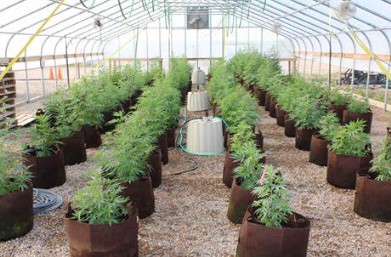
Cultivating CBD Caramel with high efficiency requires precision agriculture techniques, optimized environmental control, and genetic selection. Below is a comprehensive scientific approach to cultivating this strain, focusing on maximizing CBD yield, terpene profiles, and plant health.
Seed Selection and Genetic Stability
- Feminized Seeds: Used to prevent male plants, ensuring all plants produce flowers rich in cannabinoids.
- CBD-Dominant Genetics: Selected for high CBD:THC ratios to maintain therapeutic value.
- Cloning (Asexual Propagation): Ensures genetic consistency and preserves desired traits.
Scientific Considerations:
- Genetic Markers for CBD Expression: Advanced breeders use marker-assisted selection (MAS) to identify plants with high CBD synthase activity.
- Tissue Culture Propagation: Enables large-scale production of disease-free clones.
Environmental Control for Maximum Cannabinoid Production
Light Spectrum Optimization
- Seedling Stage: 18-24 hours of light using blue-spectrum LEDs (450-500nm) for root and vegetative growth.
- Vegetative Stage: 18 hours of light, 6 hours of darkness; spectrum around 6500K enhances photosynthesis and stem strength.
- Flowering Stage: 12 hours of light, 12 hours of darkness with a 2700K red-heavy spectrum, boosting CBD and terpene production.
Supplementary Light Strategies:
- UV-B Exposure: Enhances resin production and increases CBD content.
- Far-Red (730nm) Exposure: Shortens flowering phase by triggering phytochrome responses.
CO₂ Enrichment for Faster Growth
- Increasing CO₂ concentration to 1200-1500 ppm accelerates photosynthesis and biomass production.
- CO₂ supplementation improves CBD yield by 20-30% in controlled environments.
Scientific Explanation:
- Rubisco enzyme (key to photosynthesis) functions more efficiently with elevated CO₂ levels, leading to higher sugar and cannabinoid production.
Hydroponic vs. Soil-Based Cultivation
Hydroponic Cultivation
- Delivers nutrients directly to roots, increasing nutrient uptake efficiency.
- Higher yield compared to soil-based methods.
- Best Hydroponic Methods for CBD Caramel:
- Deep Water Culture (DWC): Provides oxygenated nutrient solution to roots.
- Aeroponics: Maximizes oxygen exposure, increasing cannabinoid concentration.
- Nutrient Film Technique (NFT): Thin film of water constantly supplies nutrients.
Scientific Benefits of Hydroponics:
- Faster growth cycle (20-30% faster than soil).
- Precise nutrient control ensures optimal CBD expression.
- Minimized pathogen risks compared to soil-based cultivation.
Organic Soil Cultivation
- Soil Microbial Life: Enhances terpene production and improves CBD bioavailability.
- Ideal Soil pH: 6.0 – 6.5 for maximal nutrient absorption.
- Soil Composition:
- 40% coco coir (for aeration)
- 30% perlite (for drainage)
- 20% compost/humus (nutrient-rich)
- 10% worm castings (microbial boost)
Organic Nutrient Amendments:
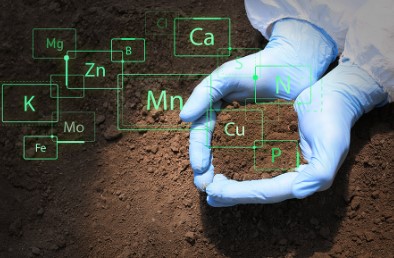
- Nitrogen (N): Alfalfa meal, bat guano (for vegetative stage)
- Phosphorus (P): Bone meal, rock phosphate (for flowering)
- Potassium (K): Kelp meal, wood ash (for overall plant health)
Scientific Consideration:
- Mycorrhizal fungi form symbiotic relationships with roots, improving nutrient uptake and CBD synthesis.
Nutrient Management and Fertigation
Macronutrients (NPK)
| Growth Stage | N | P | K |
|---|---|---|---|
| Vegetative | High | Medium | Medium |
| Flowering | Low | High | High |
Micronutrients for CBD Enhancement
- Magnesium (Mg): Essential for chlorophyll production and CBD biosynthesis.
- Calcium (Ca): Strengthens cell walls, reducing stress-related cannabinoid degradation.
- Silicon (Si): Enhances resistance to pests and pathogens.
Precision Fertigation (Nutrient Delivery)
- EC (Electrical Conductivity) Monitoring: Maintains nutrient concentration at 1.5-2.5 mS/cm.
- Drip Irrigation: Reduces water waste while maintaining optimal nutrient levels.
Advanced Stress Techniques to Boost Cannabinoid Production
Light Stress Training (LST)
- Bending stems carefully to increase light penetration and maximize bud sites.
High-Stress Training (HST)
- Topping & FIMing: Cutting the main shoot forces lateral growth, producing more CBD-rich flowers.
- Super Cropping: Causes minor plant stress, increasing cannabinoid production.
Water Stress (Drought Stress)
- Withholding water for short periods increases trichome density and boosts terpene concentration.
Pest & Disease Management (Biological Approaches)
- Beneficial Insects: Ladybugs, nematodes, and predatory mites naturally eliminate pests.
- Companion Planting: Growing basil, marigold, or mint near cannabis deters harmful insects.
- Organic Fungicides: Neem oil and potassium bicarbonate prevent powdery mildew.
Scientific Insight:
- Induced Systemic Resistance (ISR): Exposing plants to mild pathogens triggers defensive cannabinoid production.
Flowering, Harvesting, and Post-Harvest Optimization
Flowering Control for Optimal CBD Ratios
- Light Cycle Adjustment: Reducing light intensity in late flowering enhances resin production.
- Temperature Modulation: Cooler temperatures (18-21°C at night) increase anthocyanin expression, improving bud color.
Harvesting Timing for Maximum CBD
| Harvest Time | CBD % | THC % | Effects |
|---|---|---|---|
| Early | High | Low | Clear-headed, mild |
| Mid | Medium | Medium | Balanced |
| Late | Low | High | Sedative |
Curing Process
- Ideal Conditions: 18-22°C, 55-60% humidity.
- Burping Jars: Allows gradual moisture release, preserving terpenes and cannabinoids.
- Curing Duration: Minimum 4 weeks for optimal smoothness and potency.
Methods of Ingestion
Each method of administration affects absorption rates, metabolization, and effectiveness.
Inhalation (Smoking/Vaporization)
- Bioavailability: 31-56% (high absorption efficiency)
- Onset: 1-5 minutes
- Peak Effects: 10-30 minutes
- Duration: 2-4 hours
- Mechanism:
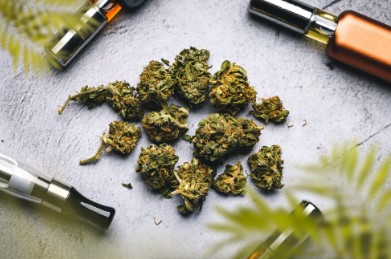
- When inhaled, cannabinoids rapidly enter the bloodstream through the alveoli in the lungs.
- This bypasses first-pass metabolism in the liver, allowing CBD and THC to reach the brain quickly.
- Vaporization is preferred over smoking due to fewer combustion byproducts, preserving terpenes and cannabinoids.
Pros:
- Rapid relief from pain, anxiety, and nausea.
- Allows for precise dosing adjustments.
- Ideal for immediate therapeutic effects.
Cons:
- Shorter duration compared to oral methods.
- Possible lung irritation from smoke.
- Requires equipment (vaporizers, pipes, or rolling papers).
Sublingual (Tinctures/Oils)
- Bioavailability: 13-35% (medium absorption)
- Onset: 15-45 minutes
- Peak Effects: 1-2 hours
- Duration: 4-6 hours
- Mechanism:
- The sublingual glands under the tongue absorb cannabinoids directly into the bloodstream.
- Bypasses gastrointestinal breakdown but still undergoes some hepatic metabolism.
Pros:
- Faster onset than edibles.
- Longer duration than inhalation.
- No lung irritation, making it safer than smoking.
- Precise dosing with droppers.
Cons:
- Slower onset than inhalation.
- Bitter taste in some formulations.
- Requires holding the oil under the tongue for 30-60 seconds for full absorption.
Oral Ingestion (Edibles/Capsules)
- Bioavailability: 6-20% (low to medium)
- Onset: 30 minutes – 2 hours
- Peak Effects: 2-4 hours
- Duration: 6-12 hours
- Mechanism:
- CBD and THC are processed in the liver via first-pass metabolism, converting THC into 11-hydroxy-THC, which has a stronger, longer-lasting effect.
- CBD remains in circulation longer, providing extended therapeutic effects.
Pros:
- Longest duration of effects.
- Ideal for chronic conditions requiring extended relief.
- Discreet and easy to consume.
Cons:
- Slow onset, making precise dosing difficult.
- Effects can be too strong if overdosed.
- Liver metabolism reduces bioavailability, requiring higher doses than inhalation or sublingual methods.
Topical Application (Creams, Patches, and Balms)
- Bioavailability: 5-10% (low, local absorption)
- Onset: 15-60 minutes
- Peak Effects: 1-2 hours
- Duration: 2-6 hours (patches may last up to 12-24 hours)
- Mechanism:
- CBD interacts with CB2 receptors in the skin and peripheral nervous system, reducing inflammation and localized pain.
- Does not enter the bloodstream, making it non-psychoactive.
Pros:
- Great for localized pain, inflammation, and skin conditions.
- No psychoactive effects.
- Extended-release effects with patches.
Cons:
- Limited to surface-level relief.
- Lower bioavailability than other methods.
- Not ideal for systemic relief (e.g., anxiety, epilepsy).
Rectal Administration (Suppositories)
- Bioavailability: ~50-70% (high absorption)
- Onset: 15-30 minutes
- Peak Effects: 1-2 hours
- Duration: 4-8 hours
- Mechanism:
- Absorbed through rectal mucosa, bypassing first-pass liver metabolism.
- Provides direct absorption into the bloodstream.
- Ideal for patients who cannot ingest or inhale cannabis.
Pros:
- Higher bioavailability than oral ingestion.
- Rapid onset similar to sublingual.
- Longer duration than inhalation.
Cons:
- Not a preferred method for most users.
- Requires preparation and application.
Comparative Overview of Methods
| Method | Bioavailability (%) | Onset Time | Peak Effects | Duration |
|---|---|---|---|---|
| Inhalation (Smoking/Vaping) | 31-56% | 1-5 min | 10-30 min | 2-4 hours |
| Sublingual (Tinctures/Oils) | 13-35% | 15-45 min | 1-2 hours | 4-6 hours |
| Oral (Edibles/Capsules) | 6-20% | 30 min – 2 hrs | 2-4 hours | 6-12 hours |
| Topical (Creams/Patches) | 5-10% | 15-60 min | 1-2 hours | 2-6 hours (patches: 12-24 hours) |
| Rectal (Suppositories) | 50-70% | 15-30 min | 1-2 hours | 4-8 hours |
Factors Influencing Duration and Onset
Metabolism and Body Composition
- Individuals with faster metabolism experience shorter durations.
- Body fat percentage affects cannabinoid storage and release.
Dosage and Cannabinoid Ratio
- Higher doses = longer-lasting effects.
- CBD-dominant formulations provide sustained relief without intense psychoactivity.
Tolerance and Individual Sensitivity
- Frequent users develop tolerance, requiring higher doses.
- First-time users should start low and go slow.
Food Intake
- Taking edibles on an empty stomach increases onset speed.
- High-fat meals enhance absorption, making effects stronger and last longer.
Potential Side Effects
CBD Caramel is well-tolerated by most users, but some potential side effects include:
- Dry Mouth and Eyes: Common cannabis-related side effects that can be managed by staying hydrated.
- Mild Drowsiness: Especially in high doses or when taken in the evening.
- Dizziness: Rare but possible in sensitive users.
- Low Blood Pressure: CBD has been known to cause a temporary drop in blood pressure in some individuals.
Since it is a CBD-dominant strain, paranoia and anxiety from THC overconsumption are minimal, making it a safer option for new users.
Scientific Research and Studies on CBD Caramel
Numerous studies support the medical efficacy of CBD and its therapeutic potential. Some key research findings include:
- Pain Management: Studies suggest that CBD interacts with the endocannabinoid system (ECS) to regulate pain perception (Russo, 2008).
- Epilepsy Treatment: The FDA-approved drug Epidiolex demonstrates the effectiveness of CBD in reducing seizures (Devinsky et al., 2017).
- Anxiety Reduction: A study in the Journal of Psychopharmacology (2011) found that CBD can significantly reduce social anxiety disorder (SAD) symptoms.
- Neuroprotection: Research indicates that CBD has neuroprotective properties that may slow down neurodegenerative diseases (Hampson et al., 1998).
For a complete directory of cultivars, visit our Cannabis Strain Reviews.
