CBD, Cannabis, and Hemp: Understanding the Differences and Their Medical Uses
Introduction
The cannabis plant, in all its forms, has garnered significant interest for its therapeutic potential. While terms like CBD, cannabis, and hemp are often used interchangeably, they refer to different aspects of the cannabis plant and have unique implications for medical use. In order to utilize the medical benefits of the plant, patients, healthcare professionals, and researchers must be aware of the differences between these phrases.
Section 1: What is Cannabis?
Definition and Overview
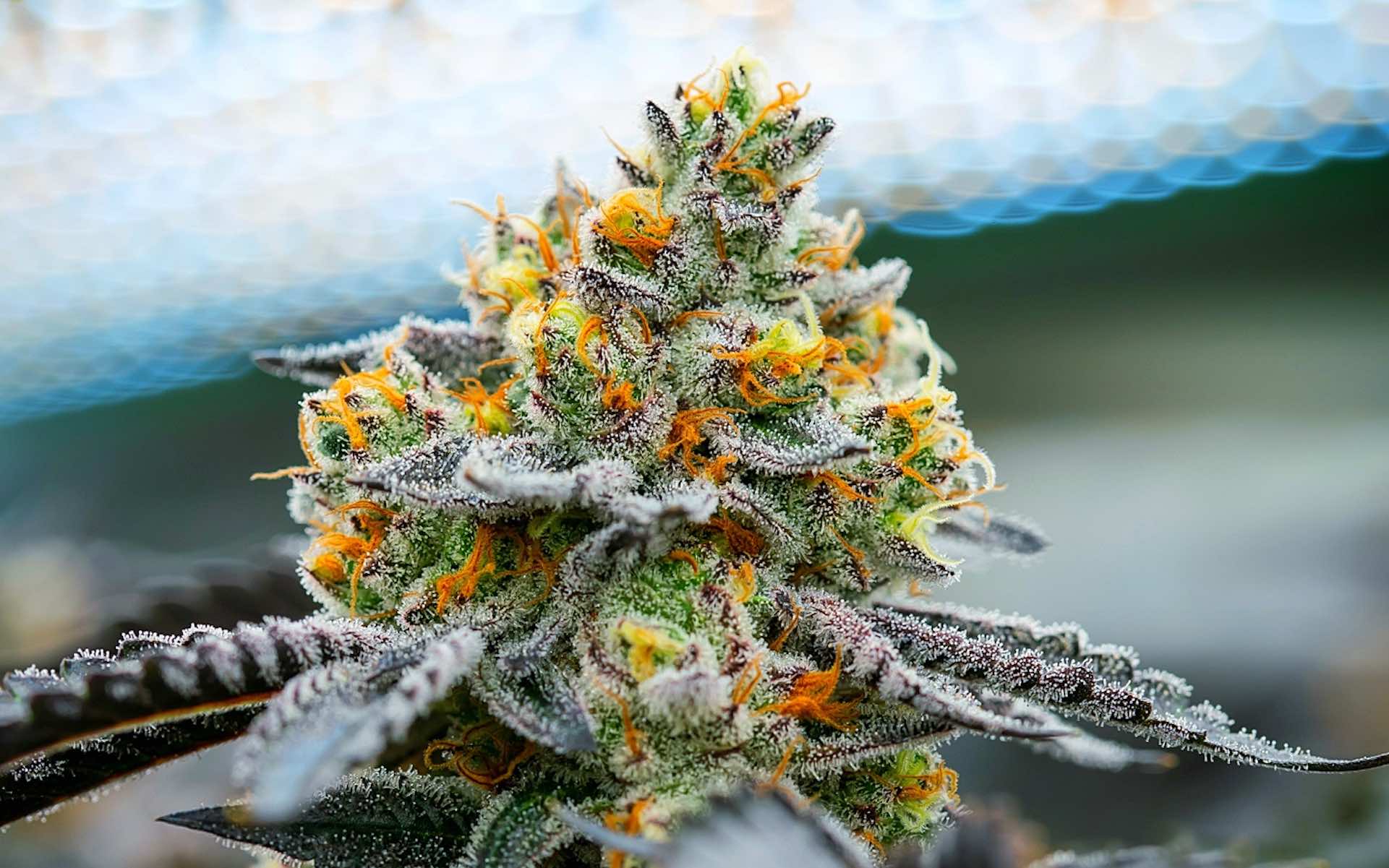
Cannabis is a genus of flowering plants that includes three primary species: Cannabis sativa, Cannabis indica, and Cannabis ruderalis. These species are known for producing a variety of cannabinoids, the chemical compounds that interact with the body’s endocannabinoid system (ECS), contributing to their medicinal effects.
Cannabis has been used for centuries for its therapeutic properties, but modern scientific interest began in the mid-20th century with the discovery of the ECS and the identification of cannabinoids like tetrahydrocannabinol (THC) and cannabidiol (CBD). The ECS is involved in regulating various physiological processes, such as mood, pain perception, appetite, and immune function, which is why cannabis has so many potential medical applications.
Cannabinoids in Cannabis
Cannabis contains over 100 different cannabinoids, each with unique properties and potential medical benefits:
- THC (Tetrahydrocannabinol): THC is the primary psychoactive compound in cannabis. While it is mainly associated with recreational use due to its mind-altering effects, THC also has significant medical benefits, such as pain relief, anti-nausea properties, and appetite stimulation, particularly in cancer and HIV patients. In medical settings, THC is strictly regulated to minimize psychoactive effects and maximize therapeutic benefits.
- CBD (Cannabidiol): The second-most prevalent and non-psychoactive cannabinoid in cannabis is called CBD. Its medicinal qualities, which include anti-inflammatory, anti-anxiety, antiepileptic, and neuroprotective actions, have drawn a lot of interest. Since CBD doesn’t get users “high,” unlike THC, it’s more suited for a wider variety of patients and ailments.
- Minor Cannabinoids (CBG, CBC, CBN, etc.): In addition to THC and CBD, cannabis contains minor cannabinoids like cannabigerol (CBG), cannabichromene (CBC), and cannabinol (CBN). These compounds have unique medical properties, such as antibacterial and anti-inflammatory effects, and are currently being researched for their potential therapeutic uses.
Medical Applications of Cannabis
Medical cannabis refers to the use of the cannabis plant or its components to alleviate symptoms, manage diseases, or improve health conditions. Some of the most studied and documented medical uses of cannabis include:
- Chronic Pain Management: Cannabis, particularly strains with balanced THC and CBD content, is frequently used to manage chronic pain, especially in conditions like fibromyalgia, multiple sclerosis, and arthritis. Cannabinoids interact with pain receptors in the ECS, reducing pain perception and providing relief.
- Epilepsy and Seizure Disorders: CBD has shown significant promise in treating certain types of epilepsy, such as Dravet syndrome and Lennox-Gastaut syndrome, where conventional medications have failed. The FDA-approved drug Epidiolex contains purified CBD and has been effective in reducing the frequency and severity of seizures in these conditions.
- Neurodegenerative Diseases: Studies indicate that cannabis could be useful in the treatment of symptoms related to neurodegenerative illnesses such as Parkinson’s, Alzheimer’s, and Huntington’s disease. The neuroprotective properties of CBD, in particular, may slow disease progression and improve quality of life.
- Mental Health Disorders: While THC may exacerbate certain psychiatric conditions, CBD has shown promise in treating anxiety, depression, and post-traumatic stress disorder (PTSD). Its anxiolytic and antipsychotic properties can help stabilize mood and reduce symptoms without the psychoactive effects associated with THC.
- Cancer Symptom Management: Pain, nausea, and appetite loss are among the symptoms of cancer that have been treated with cannabis, and THC in particular. It is often prescribed alongside conventional treatments like chemotherapy and radiation therapy to improve patient comfort and quality of life.
Section 2: What is CBD?
Definition and Overview
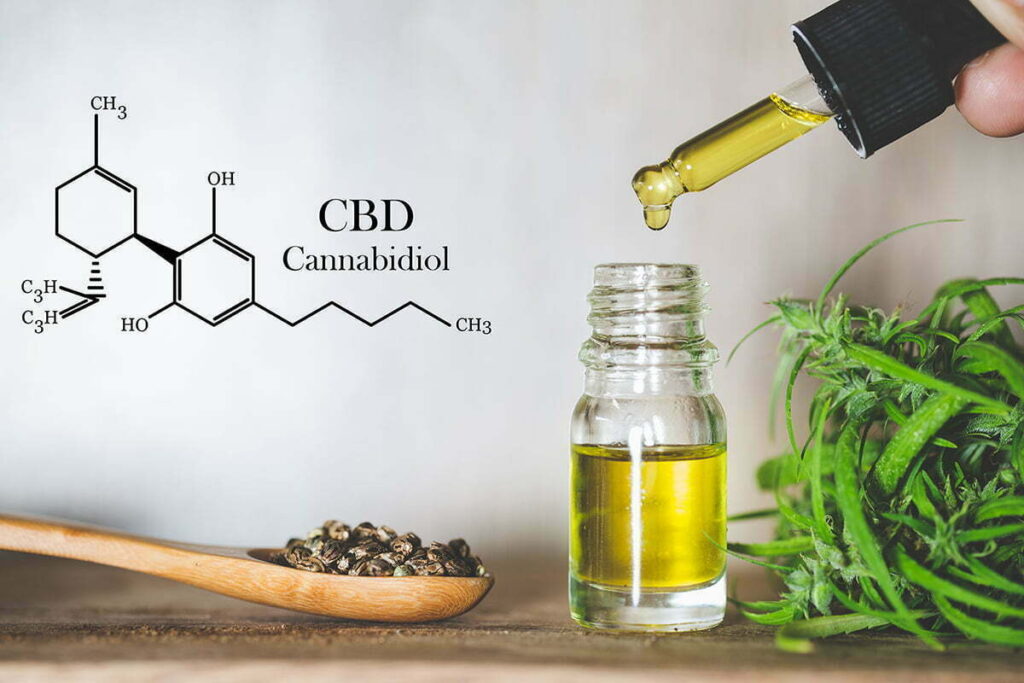
Cannabidiol, sometimes known as CBD, is a substance that exists naturally in cannabis plants. Although it is the second most common cannabinoid after THC, its effects and medical uses are very different. Since CBD doesn’t have intoxicating effects like THC does, it’s safe for most people, even older patients and children.
CBD interacts with the ECS in a unique way, modulating the body’s response to pain, inflammation, and stress without directly binding to cannabinoid receptors. This indirect interaction allows CBD to offer therapeutic benefits without the “high” associated with THC.
Medical Applications of CBD
CBD has a wide range of medical applications, making it a versatile option for many patients:
- Anti-Inflammatory and Analgesic Effects: CBD’s anti-inflammatory properties make it an effective option for treating inflammatory conditions like arthritis, Crohn’s disease, and inflammatory bowel syndrome. It also acts as an analgesic, reducing pain by influencing pain receptors in the ECS.
- Anxiolytic and Antidepressant Effects: CBD has shown potential as an anxiolytic (anxiety-reducing) and antidepressant agent. Its efficacy in lowering anxiety in diseases like generalized anxiety disorder and social anxiety disorder has been shown in clinical investigations. Its interaction with serotonin receptors in the brain is thought to be the cause of its antidepressant effects.
- Antiepileptic Effects: CBD’s most well-established medical use is in the treatment of epilepsy. As mentioned earlier, the FDA-approved drug Epidiolex contains CBD and has been effective in reducing seizures in patients with treatment-resistant epilepsy.
- Neuroprotective Effects: CBD’s neuroprotective properties are being explored for their potential to treat conditions like multiple sclerosis, Parkinson’s disease, and Alzheimer’s disease. These effects are thought to be brought about by CBD’s capacity to lower inflammation and oxidative stress, two things that are frequently present in neurodegenerative illnesses.
- Antipsychotic Effects: CBD has demonstrated antipsychotic properties, making it a potential treatment for conditions like schizophrenia. Unlike THC, which can exacerbate psychotic symptoms, CBD appears to have a balancing effect on the brain’s neurotransmitter systems, reducing the severity of symptoms.
- Cardiovascular Health: Emerging research suggests that CBD may benefit cardiovascular health by reducing blood pressure, decreasing oxidative stress, and improving overall heart function. These effects could be particularly useful in managing conditions like hypertension and arrhythmias.
Section 3: What is Hemp?
Definition and Overview
Hemp is a specific variety of Cannabis sativa that is cultivated primarily for its fiber, seeds, and non-psychoactive compounds. Legally, hemp is defined as cannabis containing less than 0.3% THC by dry weight. This minimal THC content ensures that hemp does not produce any psychoactive effects, making it suitable for industrial and therapeutic uses.
Hemp is used to produce a wide range of products, including textiles, paper, biofuels, and building materials. However, it is the plant’s high CBD content and low THC levels that have made it particularly valuable in the medical field.
Hemp-Derived CBD vs. Marijuana-Derived CBD
While both hemp and marijuana are varieties of the cannabis plant, they differ in their chemical composition. Hemp contains high levels of CBD and minimal THC, while marijuana typically contains higher levels of THC. The CBD extracted from hemp is identical to that derived from marijuana in terms of its chemical structure and medical effects. However, hemp-derived CBD is preferred in many regions due to its legal status and the lack of psychoactive properties.
Medical Applications of Hemp-Derived CBD
The medical applications of hemp-derived CBD are virtually identical to those of marijuana-derived CBD, given that the compound itself is the same. However, hemp-derived CBD products are often more accessible and widely available due to their legal status. Key medical uses of hemp-derived CBD include:
- Pain and Inflammation Management: Pain of all kinds, including inflammatory, neuropathic, and chronic pain, can be controlled by CBD extracted from hemp. Because of its anti-inflammatory qualities, it is very helpful for illnesses like multiple sclerosis and arthritis.
- Anxiety and Stress Relief: Hemp-derived CBD has been shown to reduce anxiety and stress in various clinical settings, including post-traumatic stress disorder (PTSD) and generalized anxiety disorder. Due of its relaxing properties, it is a well-liked option for patients who want treatment without the high that comes from THC.
- Support for Epilepsy and Seizure Disorders: As with marijuana-derived CBD, hemp-derived CBD is effective in reducing the frequency and severity of seizures in patients with certain types of epilepsy, particularly treatment-resistant forms.
- Support for Sleep Disorders: CBD’s calming effects also extend to sleep, making it a potential treatment for insomnia and other sleep disorders. By reducing anxiety and promoting relaxation, hemp-derived CBD can help improve sleep quality and duration.
- Skin Health and Dermatological Conditions: CBD is increasingly being used in dermatology to treat conditions like acne, eczema, and psoriasis. Its antioxidant and anti-inflammatory qualities can lessen skin irritation and aid in the healing process.
Section 4: Key Differences Between Cannabis, CBD, and Hemp in Medical Use
While cannabis, CBD, and hemp are all related, understanding their differences is crucial for determining their appropriate medical applications:
- Cannabis (Marijuana): Contains varying levels of THC and CBD, depending on the strain. It is often used in whole-plant form for conditions requiring a combination of cannabinoids, such as chronic pain, cancer symptom management, and certain mental health disorders. Medical cannabis can provide the benefits of the “entourage effect,” where multiple cannabinoids work synergistically to enhance therapeutic outcomes.
- CBD: Isolated from cannabis or hemp and used primarily for conditions that benefit from its anti-inflammatory, antiepileptic, anxiolytic, and neuroprotective properties. It is preferred when a non-psychoactive option is needed, such as in pediatric patients or those sensitive to THC.
- Hemp: Contains low levels of THC (below 0.3%) and is high in CBD. Because it has therapeutic benefits without the possibility of intoxicating effects, CBD produced from hemp is frequently used. It is legal in many regions, making it more accessible for medical use.
Regulatory and Legal Considerations
The legal status of cannabis, CBD, and hemp varies significantly across regions, impacting their availability for medical use:
- Cannabis: In many countries, cannabis is classified as a controlled substance, with limited legal access for medical purposes. However, an increasing number of countries and states are recognizing its medical benefits and implementing medical cannabis programs.
- CBD: Pure CBD is often legal in regions where cannabis remains illegal, particularly if it is derived from hemp. Some countries have approved specific CBD-based medications, such as Epidiolex, for particular conditions like epilepsy.
- Hemp: Due to its low THC content, hemp is legal in many regions and is not classified as a controlled substance. Hemp-derived CBD is widely available and often used in medical and wellness products.
Safety and Side Effects
Safety Profile of CBD, Cannabis, and Hemp
- Cannabis: Medical cannabis is generally considered safe when used under medical supervision, but it can cause side effects, particularly due to THC content. Common side effects include dizziness, dry mouth, fatigue, and changes in appetite. High doses of THC can cause psychoactive effects, anxiety, and, in rare cases, paranoia.
- CBD: CBD has a favorable safety profile, with few and mild side effects, such as drowsiness, dry mouth, and gastrointestinal discomfort. It is generally well-tolerated, even at high doses, making it a preferred option for many medical applications.
- Hemp: Hemp products, particularly those derived for medical use, are considered safe and non-psychoactive. However, it is essential to ensure that hemp-derived products are tested for contaminants like heavy metals, pesticides, and residual solvents to ensure their safety and quality.
Restrictions on Using Cannabis, CBD, and Hemp in the Medical Field as a Last Resort
1. Cannabis Use in the Medical Field as a Last Resort
Definition of “Last Resort” in Medical Context
In the medical field, “last resort” refers to the use of a treatment or medication only when all other conventional therapies have failed or are deemed inappropriate due to lack of efficacy, intolerable side effects, or specific patient contraindications. Cannabis is often considered a “last resort” due to its potential psychoactive effects (mainly from THC), its legal status, and the limited clinical data supporting its use compared to established pharmaceutical treatments.
Regulatory Restrictions and Guidelines
- Legal Status and Prescribing Limitations: Many countries and states have regulations that restrict the use of medical cannabis to specific conditions and circumstances. For example, in the United States, the use of medical cannabis is regulated at the state level, with each state defining qualifying medical conditions. Typically, cannabis is considered for use only after a patient has not responded to standard medical treatments. Conditions such as chronic pain, epilepsy, multiple sclerosis, and certain types of cancer-related symptoms may qualify, but only when conventional treatments have failed.
- Specialist Consultation and Approval: In many jurisdictions, medical cannabis can only be prescribed by a specialist (e.g., neurologists, oncologists) who has experience in the relevant field. Additionally, the prescribing physician must demonstrate that cannabis is being considered only after other treatments have been exhausted. This often requires documentation of previous treatments, their outcomes, and justification for the need to use cannabis as a last resort.
- Patient Consent and Monitoring Requirements: Patients must be informed of the potential risks, benefits, and side effects associated with medical cannabis use. Informed consent is a critical requirement. Regular monitoring of the patient’s response to treatment, including any adverse effects, is mandated to ensure that the benefits outweigh the risks. In some cases, continued use of cannabis is contingent upon demonstrable clinical benefit.
- Dosing and Administration Regulations: Medical cannabis is usually prescribed in controlled doses to minimize psychoactive effects and adverse reactions. The form of administration (e.g., oils, capsules, tinctures) is often specified to avoid methods like smoking, which carry additional health risks. Lower THC content products may be prioritized to reduce psychoactive effects, especially in vulnerable populations like children or the elderly.
2. Restrictions on Using CBD in the Medical Field as a Last Resort
Regulatory Considerations for CBD Use
- Specific Indications and Limitations: While CBD is generally considered safer than THC-containing cannabis, its use in the medical field as a last resort is still subject to certain restrictions. In many regions, CBD is only approved for specific conditions. For example, the FDA has approved Epidiolex, a CBD-based medication, specifically for certain types of epilepsy (Dravet syndrome and Lennox-Gastaut syndrome) that are resistant to other treatments. Off-label use of CBD is often discouraged unless supported by clinical evidence.
- Quality and Source of CBD Products: Only CBD products that meet stringent regulatory standards, such as purity, potency, and absence of contaminants (like heavy metals and pesticides), are typically approved for medical use. Products derived from hemp are often preferred due to their minimal THC content. Medical professionals must ensure that the CBD product being prescribed or recommended comes from a reputable source with third-party testing to verify its safety and efficacy.
- Limitations on Administration and Dosage: While CBD is non-psychoactive, there are still limitations on its administration and dosage. Medical use of CBD often requires precise dosing to achieve therapeutic benefits without causing adverse effects, such as drowsiness or gastrointestinal issues. The dosage is usually tailored to the specific condition being treated, and any increase in dosage must be carefully monitored.
3. Restrictions on Using Hemp in the Medical Field as a Last Resort
Hemp and Medical Use
- Regulatory Approvals for Medical Products: Hemp-derived products, particularly those high in CBD, are generally more accessible for medical use due to their low THC content (less than 0.3% by law in the U.S. and many other countries). However, their use in the medical field is still subject to regulations. For example, hemp-derived products must comply with specific manufacturing standards and be tested for safety and efficacy. Only products that have received regulatory approval or have been certified by appropriate health authorities are recommended for medical use.
- Restrictions on Use for Specific Conditions: Hemp-derived CBD is considered for use primarily in cases where non-psychoactive options are necessary, such as in pediatric patients or those sensitive to THC. However, its use is still generally limited to specific conditions for which there is clinical evidence of efficacy, like epilepsy or certain inflammatory conditions. Like other cannabinoids, hemp-derived CBD is usually reserved for use when other treatments have proven ineffective.
- Monitoring for Contaminants and Product Integrity: Since hemp is a bioaccumulator, it can absorb toxins, heavy metals, and pesticides from the soil. Medical hemp products must be rigorously tested to ensure they are free from these contaminants. Health authorities may require regular testing and certification to ensure continued compliance with safety standards.
Monitoring THC Levels in Medications to Prevent Psychoactive Effects
Importance of Monitoring THC Levels
Monitoring THC levels in cannabis-based medications is essential to prevent unwanted psychoactive effects, especially in medical settings where patients may need relief without impairment. THC can cause cognitive changes, anxiety, dizziness, and other side effects that may not be suitable for all patients, particularly those with certain mental health conditions or a history of substance abuse.
Methods for Monitoring and Regulating THC Content
- Standardized Testing and Certification: All cannabis-based medications, including those derived from hemp, must undergo standardized testing for THC content. Products intended for medical use are required to have clear labeling indicating the exact concentration of THC and CBD. Regulatory agencies, such as the FDA or EMA (European Medicines Agency), may mandate batch testing to ensure consistency and safety.
- Prescription Guidelines for THC Limits: Medical professionals are often required to follow strict guidelines regarding the THC content in medications. For example, products with THC concentrations above a certain threshold may only be prescribed to patients who have shown tolerance to lower doses and under close supervision. In many jurisdictions, medical cannabis products are categorized based on their THC content, and healthcare providers must adhere to these classifications when prescribing.
- Use of Low-THC or THC-Free Formulations: For patients who are particularly sensitive to THC or for whom psychoactive effects are undesirable, low-THC (below 0.3%) or THC-free formulations are recommended. These formulations often contain higher concentrations of CBD or other non-psychoactive cannabinoids to maximize therapeutic benefits without causing impairment.
- Regular Patient Monitoring and Adjustments: Patients who are taking cannabis-based drugs need to be checked on frequently to determine whether the treatment is working and whether any side effects are present. This may involve routine check-ups, cognitive assessments, and even blood tests to measure THC levels in the body. If side effects are noted, the dosage may be adjusted, or alternative non-THC-based treatments may be considered.
- Patient Education and Consent: Patients must be educated about the potential risks of THC, even in low doses, and provided with information on recognizing symptoms of THC intoxication. Consent forms should clearly outline these risks and the protocols for monitoring and managing any side effects.
Conclusion
Understanding the differences among cannabis, CBD, and hemp is crucial for medical professionals and patients seeking to use these products for therapeutic purposes. Each has unique properties, applications, and legal considerations, making them suitable for different medical needs.
Cannabis, with its full spectrum of cannabinoids, offers a versatile range of therapeutic effects, particularly in cases where a combination of THC and CBD is required. CBD, whether derived from hemp or cannabis, provides a non-psychoactive alternative with potent anti-inflammatory, anxiolytic, antiepileptic, and neuroprotective properties. Hemp, due to its minimal THC content, serves as an accessible source of CBD and is widely accepted in regions with strict cannabis regulations.
By navigating these differences and understanding the unique medical applications of each, patients and healthcare providers can make informed decisions to optimize therapeutic outcomes and ensure safe, effective use. As research continues to expand, the potential medical benefits of cannabis, CBD, and hemp will become even more apparent, paving the way for new treatments and improved patient care.
