Table of Contents
CBD Blueberry is a well-known cannabis strain that has gained immense popularity among medical and recreational users alike due to its high cannabidiol (CBD) content and moderate tetrahydrocannabinol (THC) levels. This strain is particularly sought after for its calming and therapeutic effects, making it a staple in the cannabis industry. Derived from the legendary Blueberry strain, CBD Blueberry is a well-balanced hybrid with dominant Indica genetics that provide a soothing experience without overwhelming psychoactive effects.
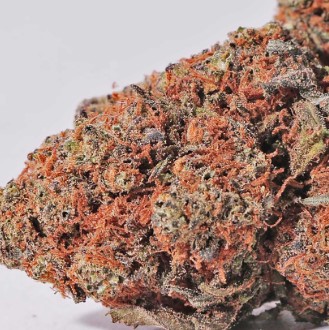
This guide will explore CBD Blueberry’s medical and recreational uses, its chemical composition, pharmacology, therapeutic effects, and the scientific principles underlying its action.
Origins and Genetics
CBD Blueberry is a cross between Blueberry and a high-CBD strain, often bred from CBD-rich phenotypes of Blueberry or hybrids like CBD Critical Mass or Harlequin. The Blueberry lineage, developed by DJ Short in the 1970s, is known for its sweet, berry-like aroma and potent relaxation effects. By integrating high-CBD genetics, breeders have developed a strain that retains Blueberry’s soothing qualities but offers a more balanced CBD-to-THC ratio, reducing psychoactive effects.
Genetic Composition:
- Indica-dominant hybrid (typically 80% Indica, 20% Sativa)
- Parent Strains: Blueberry × High-CBD Strain (such as CBD Critical Mass)
- CBD-to-THC Ratio: Ranges from 1:1 to 20:1, depending on the phenotype and breeder.
Cannabinoid and Terpene Profile
CBD Blueberry’s effects are determined by its unique cannabinoid and terpene composition.
Cannabinoid Content:
- CBD: 8-20%
- THC: 0.3-10% (varies depending on phenotype)
- CBG: 0.5-1%
- CBC, CBN: Trace amounts
Terpene Profile:
Terpenes contribute to CBD Blueberry’s aromatic and therapeutic properties. The dominant terpenes include:
- Myrcene (Calming, anti-inflammatory)
- Limonene (Mood-enhancing, anti-stress)
- Caryophyllene (Pain relief, anti-anxiety, interacts with CB2 receptors)
- Pinene (Anti-inflammatory, improves airflow, cognitive clarity)
- Linalool (Sedative, anti-anxiety, enhances sleep)
Medical Uses of CBD Blueberry
CBD Blueberry is widely regarded for its therapeutic benefits, particularly for those seeking relief without intense psychoactivity. Its balanced CBD-to-THC ratio makes it a preferred strain for various medical conditions.
1. Pain Management
- CBD is known for its analgesic and anti-inflammatory properties. It interacts with CB1 and CB2 receptors to modulate pain perception.
- Caryophyllene and Myrcene contribute to muscle relaxation and chronic pain relief.
- Conditions treated: Arthritis, migraines, fibromyalgia, neuropathic pain.
2. Anxiety and Stress Relief
- High CBD levels counteract the anxiety-inducing effects of THC, making it an ideal choice for anxiety sufferers.
- Limonene and Linalool promote relaxation and improve mood.
- Conditions treated: Generalized Anxiety Disorder (GAD), PTSD, Panic Disorder, Social Anxiety.
3. Sleep Disorders (Insomnia)
- CBD Blueberry is known for its sedative effects due to Myrcene and Linalool.
- Reduces sleep latency and improves sleep quality without excessive grogginess.
- Conditions treated: Insomnia, restless leg syndrome (RLS), sleep apnea.
4. Seizures and Epilepsy
- High-CBD strains like CBD Blueberry are effective in seizure reduction, particularly in epilepsy conditions like Dravet Syndrome and Lennox-Gastaut Syndrome.
- CBD modulates overactive neuronal activity, reducing seizure frequency.
5. Neuroprotective Benefits
- CBD has been shown to have neuroprotective properties, potentially aiding in the treatment of Alzheimer’s, Parkinson’s, and Multiple Sclerosis (MS).
- Pinene helps improve memory and cognitive function.
6. Anti-Inflammatory and Autoimmune Conditions
- CBD modulates immune responses, reducing inflammation in conditions like Crohn’s disease, rheumatoid arthritis, and lupus.
- Caryophyllene’s interaction with CB2 receptors provides additional immune benefits.
7. Depression and Mood Enhancement
- CBD interacts with serotonin receptors, improving mood and emotional stability.
- Limonene boosts serotonin and dopamine levels, promoting a sense of well-being.
8. Gastrointestinal Disorders
- CBD Blueberry is beneficial for patients suffering from nausea, irritable bowel syndrome (IBS), and Crohn’s disease.
- Reduces gut inflammation and promotes appetite.
Recreational Uses of CBD Blueberry
CBD Blueberry provides a mild and relaxing experience, making it a favorite among recreational users looking for therapeutic benefits without overwhelming intoxication.
1. Relaxation and Stress Reduction
- Due to its high myrcene content, CBD Blueberry induces deep relaxation and stress relief.
- Best used in the evening for unwinding after a long day.
2. Mild Euphoria without Intoxication
- With low THC content, this strain offers subtle mood-enhancing effects without cognitive impairment.
- Provides a gentle, uplifting high without paranoia.
3. Social Enjoyment
- Enhances calm, focused conversations without the overwhelming euphoria of high-THC strains.
- Suitable for social gatherings where relaxation is the goal.
4. Physical Relaxation and Muscle Relief
- Great for post-workout muscle relaxation.
- Well-liked by those who practice yoga and meditate.
5. Enhancing Creativity and Focus
- While Indica-dominant, its CBD-to-THC balance promotes focus and mental clarity.
- Ideal for creative activities such as writing, painting, or music composition.
Cultivating CBD Blueberry requires a scientific approach to optimize cannabinoid production, terpene profiles, and overall plant health. Below, I’ll break down key cultivation methods that ensure maximum CBD yield and plant quality.
Cultivation Information
1. Genetic Selection and Breeding
- Phenotype Selection: Breeders select plants with high CBD-to-THC ratios by backcrossing high-CBD Blueberry phenotypes.
- Tissue Culture Cloning: A precise method to propagate identical, disease-free clones.
- Genetic Testing: DNA sequencing can confirm CBD-dominant traits and predict cannabinoid profiles before full maturation.
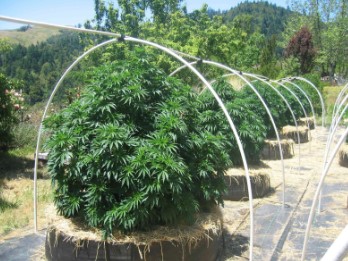
2. Growth Medium and Soil Composition
- Soil: Rich in organic matter, slightly acidic (pH 6.0–6.5), and well-aerated for optimal root development.
- Hydroponics: Faster growth with controlled nutrient delivery; coco coir or rock wool enhances oxygenation.
- Aeroponics: Maximizes root oxygenation, accelerating cannabinoid production.
3. Light Requirements (Photosynthesis Optimization)
- Optimal Spectrum: Blue (veg stage) & Red (flowering stage) light (PAR range: 400–700 nm).
- DLI (Daily Light Integral): 35–50 mol/m²/day for maximum CBD yield.
- Photoperiod: 18/6 for vegetative growth; 12/12 for flowering.
- Supplemental UV-B Light: Enhances CBD and terpene production.
4. Temperature and Humidity Control
- Vegetative Stage: 70–80°F (21–27°C), RH: 55–70%.
- Flowering Stage: 65–75°F (18–24°C), RH: 40–50%.
- CO₂ Supplementation: 1200–1500 ppm increases biomass and resin production.
5. Nutrient Management (Macronutrients & Micronutrients)
- Nitrogen (N): High during vegetative growth, reduced in flowering.
- Phosphorus (P) & Potassium (K): Essential for flower and resin development.
- Micronutrients: Calcium, Magnesium, Zinc, Manganese—prevent deficiencies affecting CBD synthesis.
- EC Levels: Maintain 1.2–2.0 mS/cm for optimal nutrient uptake.
6. Watering and Irrigation Techniques
- pH of Water: 6.0–6.5 (soil), 5.5–6.0 (hydroponics).
- Drip Irrigation: Provides precise water/nutrient delivery.
- Deep Water Culture (DWC): Enhances oxygenation, boosting CBD production.
7. Pruning and Canopy Management
- Low-Stress Training (LST): Maximizes light exposure and airflow.
- Topping & FIMming: Increases cola production and yield.
- SCROG (Screen of Green): Ensures uniform light distribution, optimizing CBD content.
8. Harvesting and Curing for Maximum CBD Yield
- Harvest Timing: Amber trichomes (~30%) indicate peak CBD levels.
- Slow Curing (60°F, 55–60% RH): Preserves terpenes and enhances flavor.
- Dark Period Before Harvest: 48-hour darkness increases CBD potency.
By scientifically optimizing each stage of growth, cultivators can maximize CBD Blueberry’s medicinal potential while ensuring high-quality terpene profiles and cannabinoid content.
Methods of Ingestion
A. Inhalation (Smoking/Vaporization)
Mechanism
- CBD Blueberry is combusted (smoked) or vaporized.
- Active compounds are absorbed directly into the bloodstream via the alveoli in the lungs.
- Avoids first-pass metabolism, ensuring higher bioavailability.
Onset & Duration
- Onset: 1-5 minutes
- Peak Effects: 10-30 minutes
- Duration: 2-4 hours
Pros & Cons
- Fastest-acting method, ideal for acute symptoms like pain or anxiety.
- Higher bioavailability (up to 50-60 percent).
- Combustion produces harmful byproducts; vaporization is a safer alternative.
B. Sublingual Administration (Tinctures, Oils)
Mechanism
- CBD is absorbed through capillaries under the tongue, avoiding first-pass metabolism.
- Some CBD enters the digestive tract, but a significant portion is absorbed directly into the bloodstream.
Onset & Duration
- Onset: 15-45 minutes
- Peak Effects: 60-90 minutes
- Duration: 4-6 hours
Pros & Cons
- Higher bioavailability (35-40 percent) compared to oral ingestion.
- Longer-lasting than inhalation.
- Precise dosing with tinctures.
- Slower onset than smoking or vaporization.
- Taste of raw CBD oil may be unpleasant for some users.
C. Oral Ingestion (Edibles, Capsules, Beverages)
Mechanism
- CBD is metabolized through the liver (first-pass metabolism), where enzymes break it down into active compounds.
- Converts into 11-Hydroxy-CBD, which is more potent but takes longer to take effect.
Onset & Duration
- Onset: 30-120 minutes (varies depending on metabolism and food intake)
- Peak Effects: 2-3 hours
- Duration: 6-8 hours
Pros & Cons
- Longest-lasting effects, great for chronic pain, anxiety, or sleep disorders.
- Discreet and easy to consume.
- Low bioavailability (6-20 percent) due to first-pass metabolism.
- Effects take longer to onset, making titration difficult.
D. Topical & Transdermal Administration (Creams, Patches)
Mechanism
- CBD penetrates the skin barrier and interacts with CB2 receptors in localized areas.
- Transdermal patches allow slow, controlled systemic release over time.
Onset & Duration
- Onset: 30-60 minutes (varies based on formulation)
- Peak Effects: 1-2 hours
- Duration: 4-12 hours (transdermal patches can last up to 48 hours)
Pros & Cons
- Best for localized pain relief, such as arthritis, muscle pain, and inflammation.
- Non-psychoactive and long-lasting transdermal absorption possible.
- Lower bioavailability than inhalation or sublingual routes.
- Not effective for systemic effects unless transdermal.
E. Rectal and Nasal Administration
Rectal Suppositories
- Bypasses first-pass metabolism, allowing for higher systemic absorption.
- Long duration of action, useful for patients who cannot ingest orally.
Nasal Sprays
- Rapid absorption through nasal mucosa, similar to sublingual but faster.
- Used in clinical settings for fast-acting relief of neurological disorders.
2. Bioavailability & Efficiency of Each Method
| Method | Bioavailability (%) | Onset Time | Peak Effects | Duration |
|---|---|---|---|---|
| Smoking/Vaporization | 50-60 | 1-5 min | 10-30 min | 2-4 hours |
| Sublingual (Tinctures/Oils) | 35-40 | 15-45 min | 60-90 min | 4-6 hours |
| Oral (Edibles, Capsules) | 6-20 | 30-120 min | 2-3 hours | 6-8 hours |
| Topical (Creams, Balms) | Low (Localized Effects Only) | 30-60 min | 1-2 hours | 4-12 hours |
| Transdermal Patches | Up to 40 | 30-60 min | 2-4 hours | 8-48 hours |
| Rectal Suppositories | 50-70 | 15-30 min | 1-2 hours | 6-8 hours |
| Nasal Sprays | Rapid Absorption | 2-5 min | 10-20 min | 2-4 hours |
3. Factors Affecting CBD Blueberry’s Absorption and Duration
- Metabolism Rate: Faster metabolism leads to quicker onset but shorter duration.
- Fat Content of Food (for oral ingestion): CBD is fat-soluble, meaning it absorbs better when taken with fatty foods.
- Hydration Levels: Dehydration can slow down absorption and circulation.
- Tolerance Levels: Frequent use may reduce sensitivity, requiring higher doses for the same effect.
- Liver Enzyme Activity: CYP450 enzymes metabolize cannabinoids; individuals with higher enzyme activity metabolize CBD faster.
- Delivery Mechanism: Nano-emulsified or liposomal CBD enhances absorption rates in edibles and tinctures.
4. Choosing the Right Method Based on Needs
| Condition | Best Ingestion Method |
|---|---|
| Acute Pain, Anxiety, Panic Attacks | Smoking/Vaping, Sublingual, Nasal Spray |
| Chronic Pain, Inflammation, Epilepsy | Oral (Capsules, Edibles), Transdermal Patches |
| Localized Pain (Arthritis, Muscle Soreness) | Topicals, Transdermal Patches |
| Insomnia, Sleep Disorders | Edibles, Tinctures, Capsules |
| Severe Neurological Conditions (Seizures, Parkinson’s, Alzheimer’s) | Nasal Spray, Sublingual, Rectal Suppositories |
Scientific Understanding of CBD Blueberry
1. How CBD Interacts with the Endocannabinoid System (ECS)
- Unlike THC, CBD does not connect to CB1 receptors directly. Instead, it modulates receptor activity, reducing anxiety and psychoactive effects.
- CB2 receptor activation leads to anti-inflammatory and immune-modulating effects.
- Enhances GABA receptor activity, promoting relaxation and reducing anxiety.
2. Synergistic Effects of Terpenes (Entourage Effect)
- The combination of Myrcene, Linalool, and Caryophyllene enhances CBD’s therapeutic benefits.
- Pinene counteracts cognitive fog, improving alertness.
- Limonene boosts serotonin activity, aiding in mood enhancement.
3. Neurotransmitter Regulation and Mood Stability
- CBD interacts with serotonin 5-HT1A receptors, which regulate anxiety and depression.
- Balances dopamine levels, aiding in motivation and emotional well-being.
4. Anti-Seizure Mechanisms
- CBD stabilizes calcium channels in neurons, reducing excessive electrical activity in the brain.
- Used in FDA-approved epilepsy treatments like Epidiolex.
5. Pain and Inflammation Modulation
- CBD inhibits COX-2 enzymes, reducing pain and inflammation.
- Reduces cytokine production, alleviating autoimmune inflammation.
Conclusion
CBD Blueberry is a versatile, therapeutic strain offering a perfect balance between medical benefits and recreational relaxation. With its high-CBD, low-to-moderate THC content, it is an excellent choice for pain relief, anxiety reduction, sleep support, and neuroprotection without the intense psychoactive effects of traditional cannabis strains. Whether used for medical treatment or recreational relaxation, CBD Blueberry remains one of the most well-rounded CBD-dominant cannabis strains available.
For a complete directory of cultivars, visit our Cannabis Strain Reviews.
