Table of Contents
CBD 3D is a well-regarded hybrid cannabis strain known for its high cannabidiol (CBD) content and relatively low tetrahydrocannabinol (THC) levels. Developed with a focus on therapeutic applications, CBD 3D provides users with the benefits of cannabis that doesn’t have the strong psychedelic effects that high-THC strains are known for. This strain is a balanced hybrid, making it versatile for both medical and recreational purposes, and is frequently recommended for users seeking relief from various ailments while maintaining mental clarity.
Genetic Background
CBD 3D is a product of selective breeding, designed to optimize its CBD-to-THC ratio. It typically has a 1:1 or higher CBD:THC ratio, often testing at around 8-12% CBD and 5-8% THC. The strain is a cross of three well-known cannabis varieties:
- Skunk – Renowned for its pungent aroma and balanced effects.
- Afghani – A classic indica strain contributing relaxing properties.
- Haze – Known for its uplifting and cerebral effects.
This combination ensures a balanced effect profile, making it suitable for diverse user needs.
Physical Characteristics
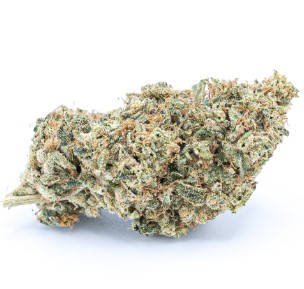
CBD 3D plants exhibit traits typical of hybrid strains:
- Appearance: Medium-sized plants with dense, bright green buds. The flowers are often coated in a light layer of trichomes, giving them a frosty appearance.
- Aroma: A blend of citrus, earthiness, and pine. The Skunk lineage adds a subtle pungency.
- Flavor: Sweet and tangy, with undertones of pine and spice, making it a pleasant strain for vaping or smoking.
Cannabinoid Profile
The primary cannabinoids in CBD 3D include:
- CBD (Cannabidiol): Known for its therapeutic properties, CBD contributes to pain relief, anti-inflammatory effects, and anxiety reduction.
- THC (Tetrahydrocannabinol): At lower levels, THC provides mild euphoria and relaxation without overwhelming psychoactive effects.
Additionally, trace amounts of other cannabinoids, such as CBG (cannabigerol) and CBC (cannabichromene), enhance its therapeutic potential through the “entourage effect.”
Terpene Profile
CBD 3D’s terpene profile contributes significantly to its aroma, flavor, and therapeutic properties. Common terpenes found in CBD 3D include:
- Myrcene: Offers sedative and muscle-relaxant properties.
- Limonene: Renowned for its uplifting and relieving effects on stress.
- Pinene: Promotes focus and memory retention.
- Caryophyllene: Provides anti-inflammatory and analgesic effects.
- Humulene: Known for its appetite-suppressant properties.
Growth Characteristics
CBD 3D is favored by cultivators for its manageable growth traits:
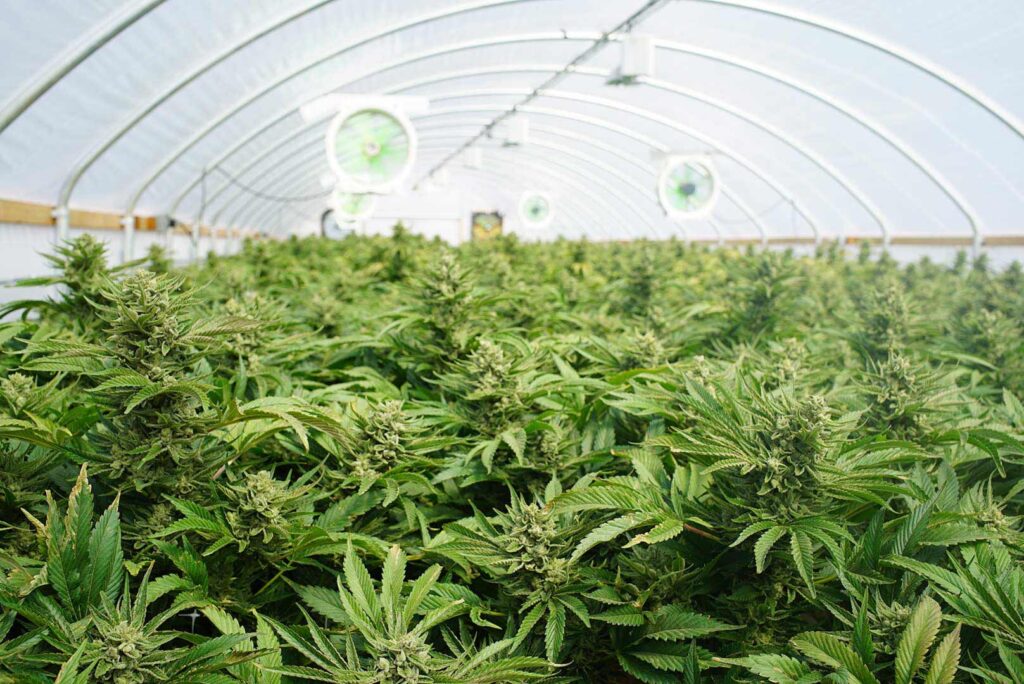
- Climate: Thrives in both indoor and outdoor environments, preferring a Mediterranean climate.
- Flowering Time: 8-10 weeks indoors; harvest in late September to early October outdoors.
- Yield: Moderate to high yields, depending on the cultivation method.
- Resistance: Resistant to common pests and molds, making it a reliable strain for beginners and experienced growers alike.
Methods of Ingestion for CBD 3D
The method of ingestion significantly impacts the onset, duration, and intensity of effects experienced with CBD 3D. Here’s a breakdown of the common methods:
1. Smoking
- Method: Combusting the flower and inhaling the smoke.
- Onset: Immediate to 5 minutes.
- Duration: 2-4 hours.
- Benefits: Rapid onset makes it ideal for acute symptom relief, such as sudden pain or anxiety. Users can easily titrate their dose by controlling the number of puffs.
- Drawbacks: Combustion produces harmful byproducts, potentially irritating the lungs. Less discreet than other methods.
2. Vaping
- Method: Heating the flower or concentrated oil to vaporize cannabinoids and terpenes without combustion.
- Onset: 1-3 minutes.
- Duration: 2-4 hours.
- Benefits: Cleaner inhalation method compared to smoking. Preserves more terpenes and cannabinoids, enhancing the entourage effect. Rapid onset for quick relief.
- Drawbacks: Requires specialized equipment (vape pens, dry herb vaporizers). Potential health risks from low-quality vape oils.
3. Edibles
- Method: Consuming CBD 3D-infused products, such as gummies, chocolates, or baked goods.
- Onset: 30 minutes to 2 hours (depends on metabolism and if taken with food).
- Duration: 6-8 hours (longer for some individuals).
- Benefits: Long-lasting effects, ideal for chronic conditions like persistent pain or anxiety. Discreet and easy to consume.
- Drawbacks: Delayed onset can make dosing challenging for new users. Effects can be more intense due to THC conversion to 11-hydroxy-THC in the liver.
4. Sublingual (Tinctures or Oils)
- Method: Placing CBD 3D-infused oil or tincture under the tongue for absorption through mucous membranes.
- Onset: 15-30 minutes.
- Duration: 4-6 hours.
- Benefits: Faster onset than edibles, with better dose control. Discreet and avoids lung irritation.
- Drawbacks: May not be as long-lasting as edibles. The taste is disagreeable to some users.
5. Topicals
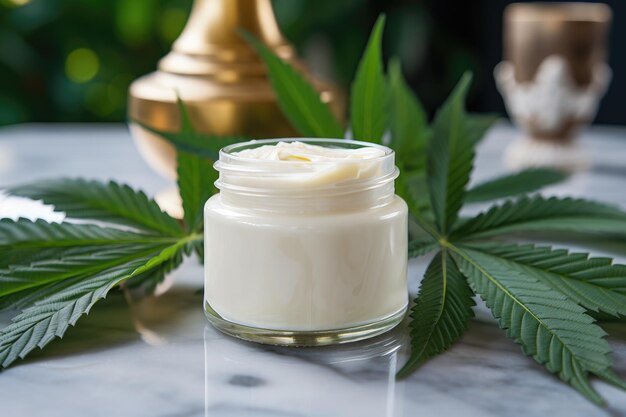
- Method: Applying CBD 3D-infused balms, creams, or lotions directly to the skin.
- Onset: 15-30 minutes (localized effects only).
- Duration: 2-6 hours.
- Benefits: Ideal for localized pain, inflammation, or skin conditions. Non-psychoactive as cannabinoids don’t reach the bloodstream.
- Drawbacks: Limited to external use and specific symptoms.
Duration and Onset Factors
The onset and duration of effects depend on several variables: individual metabolism (faster metabolism leads to quicker onset and shorter duration, especially for edibles), body composition (fat-soluble cannabinoids like THC and CBD may take longer to metabolize in individuals with higher body fat), tolerance (regular cannabis users might experience diminished effects), dosage (higher doses generally produce more prolonged and potent effects), and terpene profile (terpenes like myrcene can enhance the absorption of cannabinoids, shortening the onset time).
Effects by Method of Ingestion
Inhalation (Smoking/Vaping)
Immediate effects include relaxation, mild euphoria, and reduction in pain or anxiety. Potential side effects include dry mouth, slight dizziness, or minor throat irritation.
Edibles
Gradual effects offer a more profound sense of relaxation and long-lasting relief from symptoms. Potential side effects include drowsiness or mild gastrointestinal discomfort from overconsumption.
Sublingual Use
Balanced effects are ideal for anxiety, stress, or moderate pain relief. Potential side effects are rare but may include mild dizziness or dry mouth.
Topicals
Localized effects provide relief from muscle soreness, joint pain, or inflammation. Potential side effects include skin irritation in rare cases, depending on formulation.
Scientific Insights on CBD 3D’s Pharmacokinetics
1. Absorption
Inhalation allows cannabinoids to enter the bloodstream directly through alveoli in the lungs, ensuring rapid effects. Oral ingestion (edibles) involves first-pass metabolism in the liver, converting THC to 11-hydroxy-THC, which is more potent and long-lasting.
2. Distribution
Cannabinoids are lipophilic, meaning they bind to fat cells and are slowly released into the bloodstream over time. This contributes to prolonged effects, especially in edibles and oils.
3. Metabolism
Metabolized primarily in the liver by enzymes CYP3A4 and CYP2C9. This process is influenced by genetics, diet, and concurrent medications.
4. Elimination
The half-life of THC and CBD varies by method of use: inhaled cannabinoids have a half-life of 1-2 hours, while oral ingestion can extend it to 3-5 hours.
Medical Uses of CBD 3D
CBD 3D has gained popularity in the medical cannabis community due to its high CBD content and balanced effects. It’s particularly effective for managing the following conditions:
1. Chronic Pain Relief
The anti-inflammatory and analgesic properties of CBD make CBD 3D an excellent choice for managing chronic pain conditions, including:
- Arthritis
- Fibromyalgia
- Neuropathic pain
2. Anxiety and Depression
CBD 3D’s calming effects help alleviate symptoms of anxiety and depression without inducing sedation or impairing cognitive function. The presence of limonene and pinene further enhances its mood-lifting properties.
3. Epilepsy and Seizure Disorders
CBD’s anticonvulsant properties make this strain suitable for individuals with epilepsy or seizure disorders. It is often considered an adjunct to conventional treatments.
4. Inflammatory Conditions
Conditions such as Crohn’s disease, irritable bowel syndrome (IBS), and autoimmune disorders benefit from the anti-inflammatory effects of CBD 3D.
5. Insomnia
Although not as sedative as pure indica strains, CBD 3D promotes relaxation, which can help users achieve restful sleep, especially those with sleep disturbances caused by stress or chronic pain.
6. Neurological Disorders
CBD’s neuroprotective properties make this strain beneficial for conditions such as multiple sclerosis (MS), Parkinson’s disease, and Alzheimer’s disease. The terpenes pinene and myrcene contribute to these effects by promoting brain health and reducing oxidative stress.
7. Cancer Symptom Management
CBD 3D may alleviate symptoms associated with cancer and its treatments, including:
- Nausea and vomiting (common side effects of chemotherapy).
- Pain management.
- Appetite stimulation.
Recreational Uses of CBD 3D
While CBD 3D is primarily recognized for its medical applications, it is also appreciated by recreational users seeking mild, enjoyable effects without intense psychoactivity. Key recreational uses include:
1. Social Relaxation
The strain’s balanced effects make it suitable for social gatherings, providing relaxation without impairing cognitive or motor skills.
2. Creative Pursuits
The uplifting and clear-headed effects of CBD 3D support creative activities, such as writing, painting, or music.
3. Daytime Use
Unlike high-THC strains, CBD 3D allows users to remain productive and focused, making it a great option for daytime use.
Scientific Insights and Mechanisms
1. Endocannabinoid System (ECS) Interaction
CBD and THC interact with the ECS, which regulates various physiological processes, including mood, pain perception, and immune response. While THC binds directly to CB1 receptors (primarily in the brain), CBD modulates these receptors indirectly, enhancing the ECS’s natural functioning without causing intoxication.
2. Neuroprotection and Antioxidant Properties
Research indicates that CBD has neuroprotective and antioxidant properties, reducing oxidative stress and inflammation in the brain. These effects contribute to its potential in treating neurodegenerative diseases and brain injuries.
3. Anti-Inflammatory Mechanisms
CBD inhibits the production of pro-inflammatory cytokines, reducing inflammation at the cellular level. This mechanism is particularly beneficial for autoimmune and inflammatory conditions.
4. Synergy with Terpenes (Entourage Effect)
The “entourage effect” describes the synergistic interaction between cannabinoids and terpenes, enhancing the therapeutic potential of cannabis. In CBD 3D, the combination of CBD, THC, and terpenes like myrcene and caryophyllene enhances its analgesic, anti-anxiety, and anti-inflammatory effects.
Methods of Ingestion for CBD 3D
The method of ingestion significantly impacts the onset, duration, and intensity of effects experienced with CBD 3D. Here’s a breakdown of the common methods:
1. Smoking
- Method: Combusting the flower and inhaling the smoke.
- Onset: Immediate to 5 minutes.
- Duration: 2-4 hours.
- Benefits: Rapid onset makes it ideal for acute symptom relief, such as sudden pain or anxiety. Users can easily titrate their dose by controlling the number of puffs.
- Drawbacks: Combustion produces harmful byproducts, potentially irritating the lungs. Less discreet than other methods.
2. Vaping
- Method: Heating the flower or concentrated oil to vaporize cannabinoids and terpenes without combustion.
- Onset: 1-3 minutes.
- Duration: 2-4 hours.
- Benefits: Cleaner inhalation method compared to smoking. Preserves more terpenes and cannabinoids, enhancing the entourage effect. Rapid onset for quick relief.
- Drawbacks: Requires specialized equipment (vape pens, dry herb vaporizers). Potential health risks from low-quality vape oils.
3. Edibles
- Method: Consuming CBD 3D-infused products, such as gummies, chocolates, or baked goods.
- Onset: 30 minutes to 2 hours (depends on metabolism and if taken with food).
- Duration: 6-8 hours (longer for some individuals).
- Benefits: Long-lasting effects, ideal for chronic conditions like persistent pain or anxiety. Discreet and easy to consume.
- Drawbacks: Delayed onset can make dosing challenging for new users. Effects can be more intense due to THC conversion to 11-hydroxy-THC in the liver.
4. Sublingual (Tinctures or Oils)
- Method: Placing CBD 3D-infused oil or tincture under the tongue for absorption through mucous membranes.
- Onset: 15-30 minutes.
- Duration: 4-6 hours.
- Benefits: Faster onset than edibles, with better dose control. Discreet and avoids lung irritation.
- Drawbacks: May not be as long-lasting as edibles. The taste is disagreeable to some users.
5. Topicals
- Method: Applying CBD 3D-infused balms, creams, or lotions directly to the skin.
- Onset: 15-30 minutes (localized effects only).
- Duration: 2-6 hours.
- Benefits: Ideal for localized pain, inflammation, or skin conditions. Non-psychoactive as cannabinoids don’t reach the bloodstream.
- Drawbacks: Limited to external use and specific symptoms.
Duration and Onset Factors
The onset and duration of effects depend on several variables: individual metabolism (faster metabolism leads to quicker onset and shorter duration, especially for edibles), body composition (fat-soluble cannabinoids like THC and CBD may take longer to metabolize in individuals with higher body fat), tolerance (regular cannabis users might experience diminished effects), dosage (higher doses generally produce more prolonged and potent effects), and terpene profile (terpenes like myrcene can enhance the absorption of cannabinoids, shortening the onset time).
Effects by Method of Ingestion
Inhalation (Smoking/Vaping)
Immediate effects include relaxation, mild euphoria, and reduction in pain or anxiety. Potential side effects include dry mouth, slight dizziness, or minor throat irritation.
Edibles
Gradual effects offer a more profound sense of relaxation and long-lasting relief from symptoms. Potential side effects include drowsiness or mild gastrointestinal discomfort from overconsumption.
Sublingual Use
Balanced effects are ideal for anxiety, stress, or moderate pain relief. Potential side effects are rare but may include mild dizziness or dry mouth.
Topicals
Localized effects provide relief from muscle soreness, joint pain, or inflammation. Potential side effects include skin irritation in rare cases, depending on formulation.
Scientific Insights on CBD 3D’s Pharmacokinetics
1. Absorption
Inhalation allows cannabinoids to enter the bloodstream directly through alveoli in the lungs, ensuring rapid effects. Oral ingestion (edibles) involves first-pass metabolism in the liver, converting THC to 11-hydroxy-THC, which is more potent and long-lasting.
2. Distribution
Cannabinoids are lipophilic, meaning they bind to fat cells and are slowly released into the bloodstream over time. This contributes to prolonged effects, especially in edibles and oils.
3. Metabolism
Metabolized primarily in the liver by enzymes CYP3A4 and CYP2C9. This process is influenced by genetics, diet, and concurrent medications.
4. Elimination
The half-life of THC and CBD varies by method of use: inhaled cannabinoids have a half-life of 1-2 hours, while oral ingestion can extend it to 3-5 hours.
Dosage Guidelines
CBD 3D’s balanced profile allows for flexible dosing:
- Low Dose (1-5 mg THC and 5-10 mg CBD): Ideal for beginners or those seeking mild effects.
- Moderate Dose (5-10 mg THC and 10-20 mg CBD): Suitable for managing moderate symptoms or recreational use.
- High Dose (10-20 mg THC and 20-40 mg CBD): Recommended for experienced users or severe medical conditions.
Potential Side Effects
CBD 3D is generally well-tolerated, but some users may experience mild side effects:
- Dry mouth
- Dizziness
- Mild sedation
These effects are usually dose-dependent and can be minimized by starting with a low dose.
Conclusion
CBD 3D is a versatile and balanced cannabis strain that bridges the gap between medical and recreational use. Its high CBD content, complemented by a mild THC presence and a rich terpene profile, makes it a go-to option for those seeking therapeutic benefits without heavy intoxication. Whether used for chronic pain, anxiety, or creative relaxation, CBD 3D exemplifies the potential of cannabis as a versatile tool for wellbeing and health.
For a complete directory of cultivars, visit our Cannabis Strain Reviews.
