Table of Contents
Cataract Kush is a popular cannabis strain celebrated for its potent effects, unique flavor profile, and versatility in both recreational and medical contexts. This strain is a hybrid, leaning slightly towards the indica side, created by crossing two legendary strains: LA Confidential and OG Kush. Its name reflects its intense effects, which can feel like a “cloudy lens” descending over the mind and body, enveloping users in relaxation and tranquility.
Below, we delve into the detailed aspects of Cataract Kush, including its genetics, chemical composition, appearance, aroma, flavor, medical applications, and recreational uses. Additionally, we explore the scientific mechanisms underlying its effects.
Genetics and Origins
Cataract Kush combines the best traits of its parent strains:
- LA Confidential: Known for its heavy indica effects, LA Confidential contributes to Cataract Kush’s deeply relaxing and sedative properties. It also lends its earthy and slightly skunky aroma to the strain.
- OG Kush: A legendary hybrid, OG Kush is renowned for its balanced effects and complex terpene profile. This strain enhances Cataract Kush with notes of pine, citrus, and spice, along with a euphoric cerebral high.
Cataract Kush typically leans towards a 70% indica and 30% sativa composition, though specific ratios may vary slightly depending on cultivation practices.
Appearance, Aroma, and Flavor
Appearance: Cataract Kush boasts dense, medium-sized buds with a characteristic indica structure. The nugs are olive green, accented by deep purple hues that become more pronounced in colder growing conditions. These buds are coated with a generous layer of trichomes, giving them a frosty, almost white appearance. Their visual appeal is enhanced by the vivid orange pistils that intertwine with the buds.
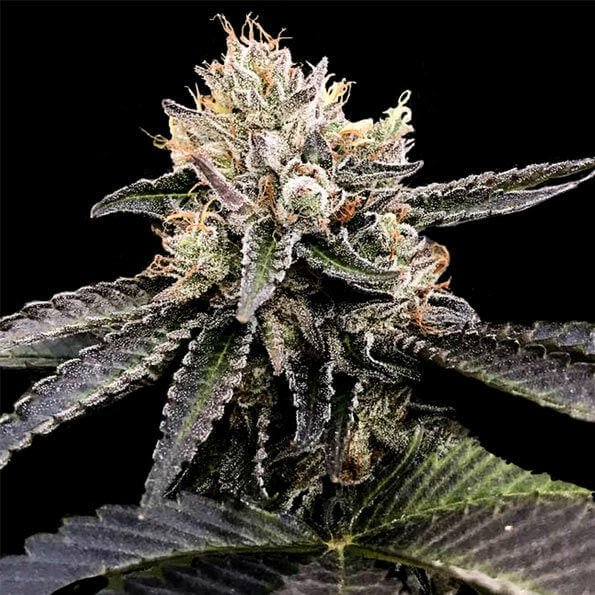
Aroma: The aroma profile is complex and inviting, blending:
- Earthy and musky undertones from its LA Confidential lineage.
- Hints of pine, citrus, and spice inherited from OG Kush.
- A subtle skunky and herbal finish.
Flavor: Cataract Kush’s flavor mirrors its aroma. When smoked or vaporized, users often detect:
- A robust earthy base.
- On the inhale, there are citrus and pine notes.
- A spicy and slightly sweet aftertaste on the exhale.
Cannabinoid Profile
Cataract Kush is known for its high THC content, which typically ranges between 20% and 26%. Because of its potency, seasoned users looking for powerful effects favor it. The strain also contains trace amounts of CBD (usually below 1%) and other minor cannabinoids, such as CBG and CBC, which may contribute to its therapeutic potential.
Terpene Profile: Terpenes play a crucial role in defining Cataract Kush’s effects and flavors. This strain frequently contains the following terpenes:
- Myrcene: Myrcene, which is well-known for its sedative qualities, adds to the strain’s calming effects.
- Limonene: This citrus-scented terpene adds a touch of upliftment and euphoria.
- Caryophyllene: A spicy, peppery terpene with potential anti-inflammatory properties.
- Pinene: Responsible for the pine aroma, pinene may enhance focus and counteract sedative effects.
Effects and Recreational Uses
Cataract Kush delivers a powerful and multifaceted experience, making it a favorite among recreational users. The effects typically unfold in stages:
- Cerebral Onset:
- A first wave of euphoria and mental clarity is reported by users.
- This phase is characterized by a sense of happiness and mild creativity.
- Physical Relaxation:
- The indica dominance soon takes over, leading to deep physical relaxation.
- Muscle tension melts away, and a heavy body sensation often sets in.
- Sedation:
- With higher doses, the strain’s sedative effects become more pronounced, making it ideal for evening or nighttime use.
Recreational Uses:

- Relaxation: Cataract Kush is perfect for unwinding after a long day, helping users de-stress and recharge.
- Social Settings: While not overly stimulating, the euphoric onset can make users more sociable and giggly.
- Creative Activities: During the initial phase, some users find it enhances focus and creativity, making it suitable for artistic endeavors.
- Sleep Aid: Its sedative properties make it a go-to strain for those looking to achieve restful sleep.
Medical Applications
Cataract Kush is highly regarded in the medical cannabis community for its ability to address a wide range of conditions. Its high THC content, combined with its diverse terpene profile, makes it effective for both physical and mental health issues.
Pain Management:
- Cataract Kush’s potent analgesic properties make it an excellent choice for chronic pain conditions such as arthritis, fibromyalgia, and migraines.
- The strain’s high THC content interacts with the endocannabinoid system, reducing pain perception.
Insomnia:
- Its sedative effects are ideal for individuals struggling with insomnia or other sleep disorders.
- The myrcene and caryophyllene content contribute to a soothing, sleep-inducing experience.
Anxiety and Stress:
- The euphoric cerebral effects help alleviate symptoms of anxiety and stress, promoting a sense of calm.
- Users often report feeling mentally “reset” after using this strain.
Appetite Stimulation:
- Like many high-THC strains, Cataract Kush can stimulate appetite, making it helpful for patients dealing with loss of appetite due to chemotherapy or other medical treatments.
Muscle Spasms and Tension:
- The muscle-relaxing properties of Cataract Kush are beneficial for conditions like multiple sclerosis, muscle spasms, and general tension.
Mood Disorders:
- The uplifting effects can provide temporary relief for individuals with depression or mood disorders, although those who are prone to paranoia should exercise caution.
Ingestion Techniques, Duration, Effects, and Onset
Cataract Kush versatility extends to its methods of ingestion and the pharmacokinetics of its effects. Understanding these factors scientifically allows for precise use tailored to individual needs and preferences.

Methods of Ingestion
1. Smoking
- Description: Traditional method using a pipe, joint, or bong.
- Onset: Rapid (1-5 minutes).
- Advantages:
- Quick onset, allowing users to titrate doses effectively.
- Full flavor profile due to the combustion of terpenes.
- Disadvantages:
- Combustion releases harmful byproducts, which may irritate the respiratory system.
2. Vaporization
- Description: Heating cannabis to release cannabinoids and terpenes as vapor without combustion.
- Onset: Rapid (1-5 minutes).
- Advantages:
- Cleaner delivery method with fewer respiratory risks.
- Preserves more terpenes and cannabinoids due to controlled temperatures.
- Disadvantages:
- Requires a vaporizer, which can be costly.
3. Edibles
- Description: Infused foods or beverages containing extracted cannabinoids.
- Onset: Delayed (30-120 minutes) due to digestion and liver metabolism.
- Duration: Long-lasting effects (4-8 hours).
- Advantages:
- Discreet and smoke-free.
- Provides a full-body, prolonged experience due to metabolite conversion.
- Disadvantages:
- Onset delay makes precise dosing challenging.
- Overconsumption can lead to overwhelming effects.
4. Sublingual Tinctures
- Description: Cannabis extracts administered under the tongue for direct absorption.
- Onset: Moderate (15-45 minutes).
- Advantages:
- Faster onset than edibles.
- Avoids first-pass liver metabolism, leading to more predictable dosing.
- Disadvantages:
- Taste may be unappealing to some users.
5. Topicals
- Description: Cannabis-infused creams or balms applied to the skin.
- Onset: Localized effects within 15-30 minutes.
- Advantages:
- Targets specific areas for pain relief or inflammation.
- Non-psychoactive, as cannabinoids do not enter the bloodstream in significant amounts.
- Disadvantages:
- Limited to localized therapeutic effects; no systemic relief.
Onset and Duration of Effects
Onset Time:
- Smoking/Vaping: 1-5 minutes.
- Edibles: 30-120 minutes (due to digestion and conversion of THC to 11-hydroxy-THC in the liver).
- Sublingual: 15-45 minutes.
- Topicals: 15-30 minutes (localized effects only).
Duration of Effects:
- Smoking/Vaping: 2-4 hours.
- Edibles: 4-8 hours, with peaks lasting 1-3 hours.
- Sublingual: 2-4 hours.
- Topicals: 2-6 hours (localized).
Pharmacokinetics and Effects
1. Absorption:
- Smoking/Vaping: Cannabinoids rapidly cross the alveolar membrane in the lungs, entering systemic circulation for immediate effects.
- Edibles: THC undergoes first-pass metabolism in the liver, converting into the more potent 11-hydroxy-THC.
- Sublingual: Absorbed directly into the bloodstream via the sublingual artery, bypassing the digestive system.
2. Distribution:
- Cannabinoids are lipophilic and accumulate in fatty tissues, including the brain, where they interact with CB1 receptors to produce psychoactive effects.
3. Metabolism:
- THC is metabolized primarily in the liver by enzymes CYP2C9 and CYP3A4, producing active metabolites like 11-hydroxy-THC.
- Metabolites are responsible for the prolonged and enhanced psychoactive effects of edibles.
4. Elimination:
- THC and its metabolites are eliminated via urine and feces. The half-life depends on usage frequency and dose, ranging from 1-7 days for occasional users and longer for chronic users.
Effects
Immediate Effects (Onset Phase):
- Cerebral: Euphoria, enhanced sensory perception, and mild mental clarity.
- Physical: Initial muscle relaxation and relief from tension.
- Emotional: A sense of calm and happiness.
Peak Effects:
- Cerebral: Deep relaxation, possible sedation, and reduced mental alertness.
- Physical: Heavy body sensation and relief from chronic pain.
- Emotional: Profound tranquility and stress relief.
Prolonged Effects (Afterglow):
- Continued sedation and relaxation.
- Mild lingering euphoria.
Factors Influencing Duration and Effects
- Dosage:
- Higher doses lead to more intense and prolonged effects.
- New users should start with small amounts to gauge tolerance.
- Method of Ingestion:
- Edibles provide a more potent and enduring experience than smoking or vaping.
- Sublingual methods offer a balance between rapid onset and controlled effects.
- Individual Factors:
- Body weight, metabolism, and tolerance significantly affect how the strain is experienced.
- Genetic differences in liver enzymes (e.g., CYP2C9 variants) can alter THC metabolism.
- Terpene Profile:
- Myrcene: Amplifies sedative and relaxing effects.
- Limonene: Contributes to uplifting and euphoric sensations.
- Caryophyllene: Adds anti-inflammatory and pain-relieving benefits.
Scientific Mechanisms Behind Effects
The effects of Cataract Kush are rooted in its interaction with the endocannabinoid system (ECS), a sophisticated cell-signaling system that controls a number of physiological functions.
- THC Binding to CB1 Receptors:
- The high THC content in Cataract Kush binds to CB1 receptors in the brain, leading to the release of dopamine. This process is responsible for the euphoric and mood-enhancing effects.
- Terpene Synergy:
- The “entourage effect” describes how cannabinoids and terpenes work together to enhance the overall therapeutic benefits. For example, myrcene amplifies the sedative effects of THC, while limonene provides a counterbalance by uplifting mood.
- Anti-inflammatory Properties:
- Caryophyllene, a unique terpene that acts as a CB2 receptor agonist, contributes to the strain’s anti-inflammatory and pain-relieving effects.
- Interaction with GABA Receptors:
- Myrcene’s sedative effects may be linked to its ability to enhance GABAergic activity, leading to reduced anxiety and improved sleep quality.
Advanced Cultivation Techniques for Cataract Kush

- Soil vs. Hydroponics:
- Soil Cultivation: Using nutrient-rich organic soil enhances the strain’s terpene profile, improving its aroma and flavor.
- Hydroponics: This method supports faster growth and higher yields, providing growers with greater control over nutrient delivery.
- Nutrient Management:
- During the vegetative stage, provide nitrogen-rich fertilizers to promote robust plant structure.
- Transition to a phosphorus and potassium-dominant regimen during flowering to enhance bud development and potency.
- Lighting Conditions:
- Utilize full-spectrum LED lights for optimal growth indoors, ensuring plants receive adequate blue light in the vegetative phase and red light in flowering.
- Maintain a 12/12 light cycle during flowering to induce bud production.
- Humidity and Ventilation:
- Vegetative Stage: Maintain humidity levels at 50%-70% to encourage vigorous growth.
- Flowering Stage: To stop mold and mildew from growing on dense buds, lower the humidity to 40% to 50%.
- Ensure consistent airflow with oscillating fans to strengthen stems and avoid stagnant air.
- Temperature Control:
- Optimal temperatures are 70-80°F (21-27°C) during the day and slightly cooler at night.
- Sudden drops in temperature during late flowering can enhance the purple coloration in the buds, a hallmark of Cataract Kush.
- Trichome Monitoring for Harvest:
- Utilize a magnifying glass to examine the color of the trichomes.
- Harvest when most trichomes turn milky white with a few amber for peak potency and balanced effects.
- Curing and Storage:
- After harvesting, dry buds slowly at 60°F (15°C) and 50% humidity.
- Cure in airtight containers, opening them daily for the first two weeks to release excess moisture and improve flavor.
Potential Side Effects
Like any cannabis strain, Cataract Kush may cause side effects, particularly for inexperienced users or those sensitive to THC. Common side effects include:
- Dry Mouth and Eyes: Staying hydrated and using moisturizing eye drops can mitigate these effects.
- Dizziness: Some users may experience lightheadedness, especially with higher doses.
- Paranoia and Anxiety: High THC levels can occasionally induce anxiety or paranoia, particularly in those prone to these conditions.
- Sedation: While beneficial for sleep, the heavy body high can be overwhelming for some users during the day.
Conclusion
Cataract Kush is a well-rounded cannabis strain that combines the best traits of its parent strains, LA Confidential and OG Kush. Its high THC content and unique terpene profile make it a favorite among recreational users seeking a powerful, relaxing experience, as well as medical patients looking for relief from pain, insomnia, and stress.
Whether you’re a cultivator looking for a resilient strain or a consumer seeking potent effects, Cataract Kush stands out as a versatile and rewarding choice. As with any cannabis product, moderation and mindfulness are key to maximizing its benefits while minimizing potential side effects.
For a complete directory of cultivars, visit our Cannabis Strain Reviews.
