Table of Contents
Casper OG is a potent and flavorful cannabis strain, renowned for its balanced effects and distinctive characteristics. Originating from a cross between Ghost OG and Face Off OG, this indica-dominant hybrid has gained significant popularity among both recreational users and medical patients for its wide range of benefits. This document provides an in-depth exploration of Casper OG, including its genetic lineage, chemical profile, medical applications, recreational uses, and scientific insights.
Genetic Lineage and Characteristics
Casper OG is a hybrid with indica dominance, typically comprising about 70% indica and 30% sativa. Its parent strains are:
- Ghost OG: A legendary strain known for its relaxing and euphoric effects, Ghost OG is a phenotype of OG Kush. It contributes to Casper OG’s earthy, citrusy aroma and potent sedative qualities.
- Face Off OG: Another OG Kush descendant, Face Off OG delivers intense body relaxation and a sense of mental clarity, enhancing Casper OG’s overall effects.
Casper OG inherits a blend of these characteristics, resulting in a strain that provides a balanced yet profoundly relaxing experience.
Appearance, Aroma, and Flavor
Appearance: Casper OG buds are dense and feature a vibrant green color interspersed with bright orange pistils. A generous coating of frosty trichomes gives the buds a sticky texture and a silvery sheen, indicative of their high cannabinoid content.
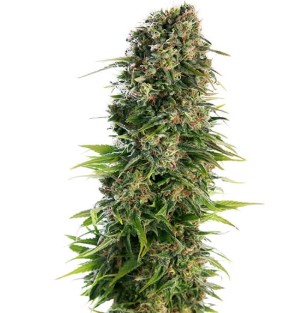
Aroma: The strain exudes a robust aroma, combining earthy, piney notes with hints of citrus and herbal undertones. Upon grinding, a sweet and slightly spicy scent becomes more pronounced.
Flavor: When smoked or vaporized, Casper OG delights the palate with a mix of sweet citrus, earthy pine, and subtle floral notes. The aftertaste often carries a creamy smoothness, making it a favorite for flavor connoisseurs.
Chemical Profile
Cannabinoid Content:
- THC: Casper OG typically boasts THC levels ranging from 18% to 24%, delivering potent psychoactive effects.
- CBD: The strain’s CBD content is minimal, usually less than 1%, making it less suitable for conditions requiring high-CBD strains.
Terpene Profile: The dominant terpenes in Casper OG contribute to its unique aroma, flavor, and effects. Key terpenes include:
- Myrcene: Responsible for the strain’s earthy and musky aroma, myrcene contributes to its sedative and relaxing properties.
- Limonene: This citrus-scented terpene adds uplifting and mood-enhancing effects.
- Pinene: Contributing to its piney aroma, pinene enhances focus and alertness.
- Caryophyllene: A spicy, peppery terpene with potential anti-inflammatory and analgesic properties.
Methods of Ingestion for Casper OG Cannabis Strain
Casper OG can be consumed using a variety of methods, each offering different onset times, durations, and effects. Below is a detailed exploration of these methods and their scientific implications.
1. Smoking
- Description: Inhalation of combusted Casper OG flower using a pipe, joint, or bong.
- Onset: Immediate to 5 minutes.
- Duration: 1-3 hours.
- Effects: Quick psychoactive effects, including relaxation, euphoria, and sedation.
- Pros:
- Rapid onset allows precise control over dosage.
- Full flavor profile due to combustion of terpenes.
- Cons:
- Potential lung irritation due to smoke inhalation.
- Loss of some cannabinoids and terpenes due to high combustion temperatures (~600-900°F).
2. Vaporization
- Description: Heating the flower or concentrate to release cannabinoids and terpenes without combustion (ideal temperature: 315-430°F).
- Onset: 1-5 minutes.
- Duration: 1-3 hours.
- Effects: Similar to smoking but smoother and less harsh on the lungs.
- Pros:
- Preserves more cannabinoids and terpenes compared to smoking.
- Reduced exposure to harmful byproducts like tar and carcinogens.
- Cons:
- Requires a vaporizer, which can be expensive.
- Effects may vary based on vaporizer quality and temperature control.
3. Edibles
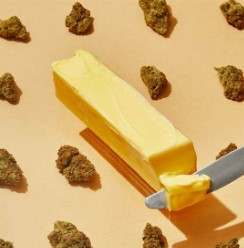
- Description: Cannabis-infused foods or beverages made using Casper OG flower or extracts.
- Onset:30 minutes to 2 hours, depending on stomach contents and metabolism.
- Duration: 4-8 hours.
- Effects:
- Intense body relaxation and euphoria.
- Stronger and longer-lasting psychoactive effects compared to inhalation.
- Scientific Explanation:
- THC is metabolized in the liver into 11-hydroxy-THC, a more potent and long-lasting compound.
- Pros:
- Discreet and easy to consume.
- Long-lasting relief for chronic conditions.
- Cons:
- Delayed onset makes it challenging to dose precisely.
- Overconsumption can lead to intense effects and discomfort.
4. Tinctures
- Description: Cannabis extracts dissolved in alcohol or oil, administered sublingually (under the tongue).
- Onset: 15-30 minutes.
- Duration: 2-4 hours.
- Effects: Balanced psychoactive and therapeutic effects, depending on dosage.
- Scientific Explanation:
- Sublingual administration allows cannabinoids to be absorbed directly into the bloodstream via the mucous membranes, bypassing first-pass metabolism.
- Pros:
- Precise dosing with measurable droppers.
- Discreet and fast-acting compared to edibles.
- Cons:
- Unlike edibles, effects could not last as long.
- Alcohol-based tinctures can cause a burning sensation.
5. Capsules and Tablets
- Description: Pre-measured doses of Casper OG extract in pill form.
- Onset: 30 minutes to 2 hours.
- Duration: 4-8 hours.
- Effects: Similar to edibles, providing prolonged and consistent relief.
- Pros:
- Precise and consistent dosing.
- Convenient and portable.
- Cons:
- Delayed onset similar to edibles.
- Limited availability for Casper OG-specific capsules.
6. Topicals
- Description: Creams, balms, or patches infused with Casper OG extracts, applied to the skin for localized relief.
- Onset: 10-20 minutes.
- Duration: 2-6 hours.
- Effects: Non-psychoactive; provides localized relief for pain, inflammation, or muscle spasms.
- Scientific Explanation:
- Cannabinoids interact with CB2 receptors in the skin but do not enter the bloodstream significantly.
- Pros:
- Ideal for localized treatment without psychoactive effects.
- No risk of overconsumption.
- Cons:
- Limited systemic effects.
- Requires reapplication for prolonged relief.
Duration, Onset, and Effects by Ingestion Method
| Method | Onset | Duration | Effects |
|---|---|---|---|
| Smoking | Immediate-5 min | 1-3 hours | Quick relaxation, mild euphoria, sedative at higher doses. |
| Vaporization | Immediate-5 min | 1-3 hours | Smooth, flavorful, potent psychoactive effects. |
| Edibles | 30 min-2 hours | 4-8 hours | Intense body high, prolonged relaxation, and euphoria. |
| Tinctures | 15-30 min | 2-4 hours | Balanced and fast-acting effects; useful for mood enhancement and pain. |
| Capsules | 30 min-2 hours | 4-8 hours | Long-lasting, consistent relief for medical use. |
| Topicals | 10-20 min | 2-6 hours | Localized anti-inflammatory and analgesic effects without psychoactivity. |
Scientific Insights on Effects
- Psychoactive Effects:
- The high THC content (18-24%) activates CB1 receptors in the brain, leading to mood elevation, euphoria, and altered perception.
- Terpenes like limonene contribute to uplifting effects, while myrcene enhances sedation and relaxation.
- Therapeutic Effects:
- Casper OG caryophyllene binds to CB2 receptors, providing anti-inflammatory and pain-relief properties.
- The synergy between cannabinoids and terpenes (“entourage effect”) amplifies its therapeutic potential.
- Duration Variability:
- Factors like body weight, metabolism, tolerance, and consumption method significantly influence onset and duration.
- Tolerance and Sensitivity:
- Regular use may lead to tolerance, requiring higher doses for the same effects.
- Beginners may experience stronger effects even with lower doses due to lower endocannabinoid system activity.
Recreational Uses
Casper OG is celebrated among recreational users for its versatile effects that cater to various experiences:
- Relaxation and Stress Relief:
- The indica dominance ensures a deep sense of relaxation, making it ideal for unwinding after a long day. Users often report feeling a wave of calm wash over them shortly after consumption.
- Euphoria and Mood Enhancement:
- The sativa lineage contributes to a mild euphoric buzz that uplifts the mood, enhancing social interactions or solo relaxation.
- Enhanced Creativity:
- In lower doses, Casper OG can stimulate creativity and focus, making it a good choice for artistic pursuits or brainstorming sessions.
- Sleep Aid:
- At higher doses, the sedative effects dominate, promoting deep, restful sleep—ideal for nighttime use.
Medical Applications
Casper OG’s therapeutic properties make it a valuable strain for medical cannabis patients. Its balanced effects and diverse cannabinoid-terpene profile address a range of conditions:
- Chronic Pain:
- The high THC content and presence of caryophyllene provide potent analgesic effects, alleviating pain caused by conditions such as arthritis, fibromyalgia, and migraines.
- Insomnia:
- Casper OG’s sedative properties make it effective for treating sleep disorders. It helps patients fall asleep faster and enjoy uninterrupted rest.
- Stress and Anxiety:
- The calming effects of myrcene and limonene help reduce stress and anxiety levels, providing mental clarity and emotional balance.
- Appetite Stimulation:
- Casper OG can enhance appetite, benefiting individuals dealing with appetite loss due to medical treatments or conditions like cancer and HIV/AIDS.
- Nausea and Vomiting:
- Its antiemetic properties make it helpful for patients undergoing chemotherapy or experiencing gastrointestinal issues.
- Muscle Spasms and Tension:
- The strain’s relaxing effects ease muscle tension and spasms, making it suitable for conditions like multiple sclerosis or spinal cord injuries.
Consumption Methods
Casper OG can be enjoyed through various methods, each offering unique benefits:
- Smoking:
- Provides immediate effects, making it a popular choice for those seeking rapid relief.
- Vaporization:
- Offers a smoother experience with less irritation to the throat and lungs while preserving terpenes.
- Edibles:
- Provides long-lasting effects, making it suitable for chronic conditions requiring sustained relief.
- Tinctures and Oils:
- Allow for precise dosing and discreet consumption.
- Topicals:
- While less common, topical applications can target localized pain and inflammation without psychoactive effects.
Dosage Considerations
Casper OG’s potency warrants careful dosing, especially for novice users:
- Low Dose (1-5 mg THC):
- Suitable for beginners or those seeking mild relaxation and mood enhancement.
- Moderate Dose (5-15 mg THC):
- Ideal for experienced users looking to relieve moderate pain or stress.
- High Dose (15+ mg THC):
- Reserved for seasoned consumers or medical patients requiring strong sedative effects.
Potential Side Effects
Like any cannabis strain, Casper OG may cause side effects, particularly when consumed in high doses:
- Dry Mouth and Eyes:
- Staying hydrated and using moisturizing eye drops can mitigate these common effects.
- Dizziness or Lightheadedness:
- More likely in novice users or those consuming excessive amounts.
- Paranoia or Anxiety:
- Rare but possible, especially in individuals sensitive to THC.
- Sedation:
- While beneficial for sleep, excessive sedation may interfere with daytime activities.
Research into cannabis strains like Casper OG continues to uncover valuable insights into their effects and mechanisms of action:
Scientific Insights
- Entourage Effect:
- The interplay between cannabinoids and terpenes enhances the strain’s therapeutic potential, a phenomenon known as the entourage effect. For example, myrcene’s sedative properties complement THC’s pain-relieving effects.
- Neuroprotective Properties:
- Preliminary studies suggest that THC and other cannabinoids may have neuroprotective effects, potentially benefiting conditions like Alzheimer’s and Parkinson’s disease.
- Anti-Inflammatory Effects:
- The presence of caryophyllene and other terpenes supports Casper OG’s anti-inflammatory properties, making it a promising option for autoimmune and inflammatory conditions.
- Mood Regulation:
- Limonene’s ability to elevate serotonin and dopamine levels contributes to Casper OG’s mood-enhancing effects, offering potential benefits for depression.
- Pain Pathways:
- THC interacts with CB1 receptors in the endocannabinoid system, modulating pain perception and reducing the intensity of chronic pain.
Optimal Environmental Conditions

- Temperature and Humidity:
- Vegetative Phase: Maintain a temperature range of 70-85°F (21-29°C) with relative humidity (RH) between 40-70%.
- Flowering Phase: Lower the temperature slightly to 65-80°F (18-27°C) with RH reduced to 30-50% to prevent mold and enhance resin production.
- Use of thermometers and hygrometers ensures precise monitoring.
- Lighting:
- Casper OG, like most cannabis strains, is photoperiod-dependent.
- Vegetative Phase: Requires 18-24 hours of light per day to encourage growth.
- Flowering Phase: Switch to a 12-hour light/12-hour dark cycle to induce flowering.
- Utilize full-spectrum LED lights for energy efficiency and optimal light penetration.
- CO₂ Enrichment:
- Increasing CO₂ levels to 1,000-1,200 ppm during the vegetative and early flowering phases can boost photosynthesis, resulting in increased yields and quicker growth.
Soil or Growing Medium
- Soil:
- Use nutrient-rich, well-draining soil with a slightly acidic pH of 6.0-6.5.
- Add organic matter like compost or worm castings to improve nutrient content and water retention.
- Hydroponics:
- Casper OG thrives in hydroponic setups, which provide direct access to nutrients and faster growth rates.
- Maintain a nutrient solution pH of 5.5-6.0 for optimal nutrient absorption.
- Coco Coir:
- A sustainable alternative that offers excellent aeration and water retention.
- Combine with perlite for enhanced drainage and reduced risk of root rot.
Nutrient Management
- Macronutrients:
- Nitrogen (N): Vital for vegetative growth; reduce levels during flowering.
- Phosphorus (P): Crucial during the flowering phase for bud development.
- Potassium (K): Promotes the production of resin and general plant health.
- Micronutrients:
- Ensure adequate levels of calcium, magnesium, and sulfur to prevent deficiencies and promote healthy development.
- Supplement with trace elements like iron, zinc, and manganese as needed.
- Feeding Schedule:
- Follow a weekly feeding regimen, gradually increasing nutrient concentration during vegetative growth and tapering down during late flowering to encourage flushing.
Pest and Disease Control
- Common Pests:
- Keep an eye out for fungus gnats, aphids, and spider mites. Use predatory insects like ladybugs and neem oil sprays as natural controls.
- Maintain cleanliness in grow spaces to deter pest infestations.
- Diseases:
- Casper OG is moderately resistant to mold but can still be susceptible to powdery mildew and bud rot.
- Use proper ventilation systems to keep humidity in check and prune excess foliage to improve airflow.
Training Techniques
- Low-Stress Training (LST):
- Bend and tie branches to encourage horizontal growth and even light distribution.
- Screen of Green (ScrOG):
- Use a screen to train plants into a flat canopy, maximizing light exposure and increasing bud sites.
- Defoliation:
- Carefully remove excess leaves during the vegetative phase to direct energy toward bud production during flowering.
Harvesting and Curing
- Harvest Timing:
- Harvest when the trichomes turn milky white with a few amber-colored heads, indicating peak potency.
- To examine trichomes, use a microscope or magnifying glass.
- Drying:
- Hang branches in a dark, well-ventilated room at 60-70°F (15-21°C) with 50-60% RH for 7-10 days.
- Curing:
- Place dried buds in airtight glass jars, opening them daily for the first two weeks to release moisture (“burping”).
- To improve taste, aroma, and potency, cure for two to four weeks.
Scientific Considerations
- Genetic Stability:
- Casper OG seeds should be sourced from reputable breeders to ensure genetic consistency.
- Phenotype variation may occur, so selecting mother plants with desired traits can ensure uniformity in future generations.
- Cannabinoid and Terpene Optimization:
- Environmental factors like light intensity, temperature, and nutrient availability directly influence THC, CBD, and terpene levels.
- Stressing the plant slightly during the late flowering phase can boost resin production as a defensive response.
- Data-Driven Cultivation:
- Employ sensors and IoT devices to monitor and adjust environmental conditions in real-time.
- Use cultivation software to track growth stages, nutrient schedules, and harvest data for continuous improvement.
Conclusion
Casper OG is a versatile and potent cannabis strain with a rich genetic heritage and a well-rounded profile. Its balanced effects make it equally appealing to recreational users seeking relaxation and euphoria and medical patients managing chronic conditions. With its robust terpene profile, high THC content, and therapeutic potential, Casper OG standing out as a premium strain in the cannabis industry. Whether consumed for leisure or health, it offers a rewarding experience that underscores the benefits of premium cannabis genetics.
For a complete directory of cultivars, visit our Cannabis Strain Reviews.
