Table of Contents
Casey Jones is a sativa-dominant hybrid strain that is widely known for its energetic and uplifting effects. Named after the legendary railroad engineer Casey Jones, this strain is famous for providing a stimulating cerebral high that enhances creativity and focus.
Genetics and Lineage
Casey Jones is a hybrid that results from crossing three distinct and powerful strains:
- Trainwreck (Sativa-dominant hybrid) – Known for its uplifting and euphoric effects.
- Thai (Pure Sativa) – Adds a tropical and fruity flavor, with an energetic cerebral high.
- East Coast Sour Diesel (Sativa-dominant hybrid) – Contributes a pungent, diesel-like aroma and mental stimulation.
These three parents create a well-balanced strain that leans 80% sativa and 20% indica, making it perfect for daytime use.
Scientific Composition of Casey Jones
Cannabinoid Profile
The potency of Casey Jones is moderate to high, with THC levels typically ranging from 18% to 22%. CBD content is generally low, usually less than 1%, which means it is not typically used for conditions that require high-CBD therapy.
| Cannabinoid | Average Percentage |
|---|---|
| THC | 18-22% |
| CBD | 0.1-1% |
| CBG | 0.5-1.5% |
| CBN | <0.1% |
- High THC content makes Casey Jones effective for mood enhancement and creativity.
- Minimal CBD presence makes it unsuitable for seizure disorders or severe anxiety.
Terpene Profile
Terpenes play a crucial role in the effects, aroma, and medicinal benefits of Casey Jones. The primary terpenes include:
| Terpene | Effects | Aroma & Flavor |
|---|---|---|
| Limonene | Uplifting, anti-anxiety | Citrusy, lemony |
| Myrcene | Relaxing, sedative | Earthy, musky |
| Pinene | Anti-inflammatory, improves focus | Piney, herbal |
| Caryophyllene | Pain relief, anti-inflammatory | Spicy, peppery |
These terpenes contribute to its citrus, sweet, and diesel aroma, while also providing anti-inflammatory, anti-stress, and antidepressant effects.
Effects and Recreational Uses
Casey Jones is a sativa-dominant strain that delivers a rapid onset of effects. It is commonly used by recreational users who want to feel energetic, creative, and focused.
Common Effects
- Euphoric Rush – The initial high brings happiness and joy, making it great for social interactions.
- Increased Energy & Alertness – Ideal for those needing motivation or mental clarity.
- Enhanced Creativity – Popular among artists, writers, and musicians.
- Mild Body Relaxation – The indica influence provides light muscle relaxation without heavy sedation.
- Mood Enhancement – Can combat stress, depression, and fatigue.
Recreational Uses
- Social Gatherings: Boosts mood and promotes social engagement.
- Outdoor Activities: Great for hiking, biking, or exploring nature.
- Creative Endeavors: Helps artists, musicians, and writers.
- Daytime Productivity: A great alternative to coffee for a focused and energized work session.
- Gaming and Movies: Enhances sensory perception, making entertainment more immersive.
Negative Effects
Like most high-THC strains, Casey Jones can cause:
- Dry mouth and dry eyes
- Mild paranoia or anxiety (in sensitive users or high doses)
- Increased heart rate (not ideal for people with cardiovascular issues)
Medical Uses of Casey Jones
Despite being a recreational favorite, Casey Jones also offers various medical benefits, particularly for mood disorders and chronic fatigue.
Primary Medical Uses
| Medical Condition | Effectiveness |
|---|---|
| Depression | ★★★★★ (Highly effective) |
| Stress & Anxiety | ★★★★☆ (Moderately effective) |
| Fatigue | ★★★★★ (Highly effective) |
| ADHD & ADD | ★★★★☆ (Good for focus) |
| Chronic Pain | ★★★☆☆ (Mild relief) |
| Headaches & Migraines | ★★★★☆ (Reduces tension) |
How It Helps Various Conditions
- Depression & Mood Disorders
- The high limonene content provides a mood boost and anti-stress effects.
- Helps users feel more optimistic and engaged in daily activities.
- Chronic Fatigue & Lethargy
- Provides a burst of energy, helping people who struggle with low motivation or chronic tiredness.
- ADHD & ADD
- Improves focus and reduces distractions, making it beneficial for individuals with attention disorders.
- Stress & Anxiety Relief
- Though it is not high in CBD, it still provides stress-relieving effects due to limonene and myrcene.
- Pain Relief & Headaches
- Mild analgesic properties make it suitable for managing headaches, migraines, and minor body aches.
- Appetite Stimulation
- Can be used for conditions like anorexia or chemotherapy-induced appetite loss.
Growing Casey Jones Cannabis Strain
Cultivation Information
Cultivating Casey Jones cannabis strain scientifically involves precise control over environmental factors, nutrients, light spectrum, genetics, and plant training techniques to maximize yield, potency, and terpene profile. Below is a detailed breakdown of the best scientific practices for growing Casey Jones.
1. Genetic Selection & Seed Germination
Genetic Optimization
- Casey Jones is an 80% Sativa-dominant hybrid bred from Trainwreck, Thai, and East Coast Sour Diesel.
- Selecting high-quality seeds or clones from stable genetics ensures consistent THC levels (~18-22%) and terpene production.
- Phenotype selection: Growers often conduct pheno-hunting by cultivating multiple seeds and selecting plants with the highest resin production, strong branching, and desirable aroma profiles.
Seed Germination: Scientific Approach
- Ideal Temperature: 72-78°F (22-26°C)
- Germination Rate Enhancement:
- Soaking seeds in water with 0.5% hydrogen peroxide for 12 hours to remove pathogens.
- pH-adjusted water (6.0-6.5) improves initial nutrient absorption.
- Methods:
- Paper towel method: Moist environment at 70-75% humidity for 24-48 hours.
- Direct soil planting: More natural root development but slower germination.
2. Growing Medium: Soil vs. Hydroponics
Choosing the best medium impacts nutrient uptake, growth speed, and terpene expression.
A. Soil-Based Growing
- Best for flavor and terpene development due to organic compounds.
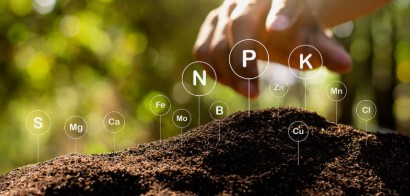
- Requires mycorrhizal fungi and beneficial bacteria (Bacillus subtilis, Trichoderma spp.) to enhance nutrient uptake.
- Optimal Soil Composition:
- 40% Organic Compost (Nitrogen source)
- 30% Perlite (Aeration)
- 20% Coco Coir (Water retention)
- 10% Worm Castings & Humic Acid (Microbial activity)
Scientific Advantage:
- Soil enhances terpene biosynthesis through microbial interactions.
- Higher flavonoid content in organically grown cannabis results in richer aroma and taste.
B. Hydroponic Cultivation (DWC, NFT, Aeroponics)
- Provides faster growth and higher yields due to direct root access to nutrients.
- EC (Electrical Conductivity) Levels: Maintain 1.2-1.8 mS/cm.
- pH Levels: 5.8-6.2 for optimal nutrient absorption.
Scientific Advantage:
- Hydroponics allows for precise nutrient control, leading to higher THC percentages.
- Enhances root oxygenation, boosting growth rate by 20-30% compared to soil.
3. Light Spectrum and Photoperiod Control
Lighting Setup
| Growth Stage | Light Spectrum | PPFD (μmol/m²/s) | Light Hours |
|---|---|---|---|
| Seedling | Blue (400-500nm) | 200-400 | 18-24 hrs |
| Vegetative | Blue & White (400-500nm) | 600-900 | 18 hrs |
| Flowering | Red & Far-Red (620-750nm) | 900-1200 | 12 hrs |
- LED Grow Lights: Provide high efficiency (~2.5 μmol/J) with full-spectrum output.
- Far-Red Light (730nm) Boost: Speeds up flowering initiation by 15-20% when applied before dark cycle.
Scientific Insight:
- High-PPFD exposure during flowering (1000+ μmol/m²/s) increases trichome density.
- Far-red supplementation (730nm) increases terpene production through phytochrome regulation.
4. Nutrient Management & Fertilization
Maintaining optimal macronutrient and micronutrient levels is crucial for maximizing Casey Jones’ cannabinoid and terpene production.
Macronutrient Requirements
| Growth Stage | N-P-K Ratio | Key Nutrients |
|---|---|---|
| Seedling | 2-1-2 | Low nutrients, high humidity |
| Vegetative | 4-2-3 | High Nitrogen (N) for leaf growth |
| Flowering | 1-4-5 | High Phosphorus (P) & Potassium (K) for bud formation |
Essential Micronutrients
- Calcium (Ca) – Prevents bud rot and strengthens cell walls.
- Magnesium (Mg) – Essential for chlorophyll and photosynthesis.
- Zinc (Zn) & Iron (Fe) – Enhances enzyme activity for cannabinoid biosynthesis.
Scientific Insight:
- Calcium and silica supplementation increases trichome density.
- Phosphorus deficiency can reduce THC production by up to 30%.
5. Environmental Control: Temperature, Humidity, and CO₂
Optimal Climate Conditions
| Growth Stage | Temperature (°F/°C) | Humidity (%) | CO₂ (ppm) |
|---|---|---|---|
| Seedling | 72-78°F (22-26°C) | 65-75% | 400 ppm |
| Vegetative | 74-85°F (24-29°C) | 50-65% | 800-1200 ppm |
| Flowering | 68-78°F (20-26°C) | 40-50% | 1200-1500 ppm |
- CO₂ supplementation at 1200-1500 ppm can increase yield by 20-30%.
- Humidity below 50% in flowering prevents mold and improves resin production.
Scientific Insight:
- Increased CO₂ enhances photosynthetic efficiency (RuBisCO enzyme activation).
- High temperature (>85°F) during flowering can degrade terpenes, reducing flavor quality.
6. Plant Training Techniques for Maximum Yield
To optimize Casey Jones’ tall Sativa structure, growers use training techniques:
Low-Stress Training (LST)
- Bending branches gently improves light penetration.
- Encourages multiple colas, boosting yield by 30-50%.
High-Stress Training (HST)
- Topping: Cutting the main stem at 4-6 nodes encourages bushier growth.
- Super Cropping: Bending and slightly damaging stems increases resin production.

Scientific Insight:
- Topping redistributes auxins, leading to higher cannabinoid production.
- Stress responses activate secondary metabolite pathways, increasing THC levels.
7. Gathering and Curing to Get the Most Potency
When to Harvest
- Trichome Color Guide:
- Clear: Too early.
- Milky White: Peak THC.
- Amber: More sedative effects.
Drying & Curing Process
- Drying: 50% humidity, 65-70°F (18-21°C) for 7-10 days.
- Curing: Glass jars, burped daily for 3-4 weeks.
Scientific Insight:
- Slow curing enhances terpene retention and smoothness.
- Rapid drying at high temperatures (>80°F) degrades THC into CBN, reducing potency.
Methods of Ingestion, Onset, and Duration of Casey Jones Cannabis Strain
The method of ingestion significantly impacts how quickly the effects of Casey Jones set in, how long they last, and their intensity. Below is a scientific breakdown of the different consumption methods, the onset of effects, duration, and how the body metabolizes the cannabinoids.

1. Inhalation Methods (Smoking & Vaping)
Inhalation is the most common method of consuming Casey Jones, allowing for rapid onset and high bioavailability.
A. Smoking (Joints, Blunts, Pipes, Bongs)
- Onset: 1-5 minutes (effects peak within 10-30 minutes).
- Duration: 2-4 hours.
- Bioavailability: 20-37% (THC absorption efficiency).
- Metabolism: Absorbed through pulmonary alveoli, enters the bloodstream almost instantly.
Scientific Analysis:
- THC reaches peak plasma concentration within minutes.
- Combustion produces over 100 cannabinoids, but also creates harmful byproducts such as benzene and carbon monoxide.
- Casey Jones’ high limonene and myrcene content enhances THC absorption, making the effects feel stronger and longer-lasting than other strains with similar THC percentages.
B. Vaping (Dry Herb Vaporizers, Concentrate Pens)
- Onset: 1-3 minutes (peaks within 10-20 minutes).
- Duration: 2-5 hours.
- Bioavailability: 30-46% (higher than smoking due to vaporized cannabinoids).
- Metabolism: Same as smoking but avoids combustion toxins.
Scientific Analysis:
- Lower temperatures (315-430°F) preserve terpenes, allowing for more flavorful hits.
- Vaping prevents degradation of THC into CBN, resulting in stronger psychoactive effects.
- Studies show that vaporized THC produces higher blood plasma levels than combusted THC, making it more potent per dose.
2. Oral Consumption (Edibles, Tinctures, Capsules)
Oral ingestion leads to a delayed but more intense and longer-lasting high due to hepatic metabolism (liver processing).
A. Edibles (Brownies, Gummies, Capsules)
- Onset: 30-90 minutes (effects peak after 2-3 hours).
- Duration: 4-8 hours (sometimes up to 12 hours in high doses).
- Bioavailability: 4-20% (due to first-pass metabolism in the liver).
- Metabolism:
- 11-hydroxy-THC, a stronger and more persistent metabolite, is produced when THC is transformed.
- This makes edibles feel stronger than smoking the same THC dose.
Scientific Analysis:
- Casey Jones’ high THC content (18-22%) increases the potency of edibles, as more THC is converted into 11-hydroxy-THC.
- Limonene and myrcene increase blood-brain barrier permeability, intensifying psychoactive effects.
- Eating Casey Jones in fat-rich foods increases bioavailability, as THC is lipophilic (fat-soluble).
B. Sublingual Consumption (Tinctures, Oral Sprays, Oils)
- Onset: 15-30 minutes:15–30 minutes (slower than inhalation, but faster than edibles).
- Duration: 4-6 hours.
- Bioavailability: 40-50% (higher than edibles due to sublingual absorption).
- Metabolism:
- Bypasses first-pass metabolism (liver), allowing THC to enter the bloodstream directly through the mucous membranes under the tongue.
Scientific Analysis:
- Tinctures provide a controlled dosage, making them useful for medicinal users.
- THC absorbs into the bloodstream faster than edibles, leading to a more predictable high.
- The high limonene content in Casey Jones enhances sublingual absorption by increasing cell membrane permeability.
3. Topical Application (Creams, Lotions, Transdermal Patches)
Topical applications are primarily used for localized pain relief and inflammation rather than psychoactive effects.
A. Cannabis Lotions, Balms, and Creams
- Onset: 10-45 minutes.
- Duration: 2-6 hours.
- Bioavailability: Low (2-10%) (does not enter the bloodstream significantly).
- Metabolism: THC interacts with CB2 receptors in the skin without entering the bloodstream.
Scientific Analysis:
- Casey Jones has anti-inflammatory terpenes (caryophyllene & myrcene), making it beneficial for muscle pain, arthritis, and localized inflammation.
- THC and CBD in topicals do not cross the blood-brain barrier, so they do not produce a high.
B. Transdermal Patches (Slow-Release Delivery)
- Onset: 30-60 minutes.
- Duration: 6-12 hours.
- Bioavailability: High (up to 80%) (slow release into bloodstream).
- Metabolism: Absorbed through the skin into the bloodstream, bypassing the liver.
Scientific Analysis:
- Transdermal patches offer continuous THC delivery, making them ideal for chronic pain or inflammation.
- Patches contain carrier agents (e.g., ethanol, oleic acid) that enhance THC penetration into the bloodstream.
4. Intranasal & Rectal Administration (Rare Methods)
A. Intranasal (THC Nasal Sprays)
- Onset: 5-10 minutes.
- Duration: 2-4 hours.
- Bioavailability: 40-60% (absorbed directly through nasal mucosa).
- Metabolism: Bypasses first-pass liver metabolism for rapid onset.
Scientific Analysis:
- THC nasal sprays provide faster relief than edibles for medical users.
- More research is needed to determine long-term safety.
B. Rectal Administration (THC Suppositories)
- Onset: 10-30 minutes.
- Duration: 4-6 hours.
- Bioavailability: 50-70% (higher than edibles but lower than inhalation).
- Metabolism: Partially bypasses first-pass metabolism, resulting in strong effects.
Scientific Analysis:
- Rectal absorption provides sustained THC release, often used in cancer or chronic pain treatments.
- Does not produce a psychoactive high in some cases, as THC may not reach the brain efficiently via this route.
5. Summary of Onset & Duration by Ingestion Method
| Method | Onset Time | Peak Effects | Duration | Bioavailability |
|---|---|---|---|---|
| Smoking | 1-5 min | 10-30 min | 2-4 hours | 20-37% |
| Vaping | 1-3 min | 10-20 min | 2-5 hours | 30-46% |
| Edibles | 30-90 min | 2-3 hours | 4-8 hours | 4-20% |
| Tinctures | 15-30 min | 30-60 min | 4-6 hours | 40-50% |
| Topicals | 10-45 min | N/A | 2-6 hours | 2-10% |
| Transdermal Patches | 30-60 min | N/A | 6-12 hours | Up to 80% |
| Nasal Sprays | 5-10 min | 15-30 min | 2-4 hours | 40-60% |
| Rectal Suppositories | 10-30 min | 30-60 min | 4-6 hours | 50-70% |
Conclusion: Is Casey Jones Right for You?
Who Should Try Casey Jones?
Ideal for:
- Creative individuals (artists, writers, musicians)
- People with depression or fatigue
- Users looking for an energetic daytime strain
- ADHD sufferers needing focus enhancement
- Social and recreational users
Not suitable for:
- People prone to anxiety or paranoia
- Users needing high CBD for medical conditions
- Those who prefer sedating, indica-heavy strains
Final Thoughts
Casey Jones is an excellent sativa-dominant hybrid that provides energy, focus, and creativity while maintaining mild body relaxation. It’s a great strain for both recreational and medicinal users, especially for depression, fatigue, and stress relief. Its diesel, citrus, and sweet aroma make it enjoyable to consume, and it has an easy-to-grow nature for cultivators.
If you’re looking for an uplifting, happy strain that fuels creativity, Casey Jones is a top-tier choice.
For a complete directory of cultivars, visit our Cannabis Strain Reviews.
