Table of Contents
Cascadia Kush is a potent and sought-after cannabis strain renowned for its deeply relaxing effects, high THC levels, and medical benefits. This indica-dominant hybrid is popular among both recreational and medicinal users due to its complex terpene profile, which contributes to its unique flavor, aroma, and therapeutic potential. This document provides a comprehensive analysis of Cascadia Kush, detailing its genetic lineage, cannabinoid and terpene profile, recreational effects, medical applications, and cultivation characteristics.
Genetic Lineage and Origins
Cascadia Kush is a hybrid strain derived from two powerhouse cannabis varieties:
- Pre-98 Bubba Kush – A legendary indica known for its heavy sedative effects, earthy flavors, and pain-relieving properties.
- DJ Short’s Blueberry – A flavorful indica-dominant strain celebrated for its fruity aroma, euphoria-inducing effects, and ability to combat stress and anxiety.
The combination of these two parent strains results in a plant with an impressive balance of indica effects, making it a perfect choice for relaxation, stress relief, and nighttime use.
Cannabinoid Profile
Cascadia Kush is primarily an indica-dominant hybrid, meaning it leans more toward sedative effects while still providing a mild cerebral euphoria. Its cannabinoid composition typically includes:
- THC: 20-26% (High potency)
- CBD: 0.1-1% (Low to moderate)
- CBG: ~1%
- THCV: Trace amounts
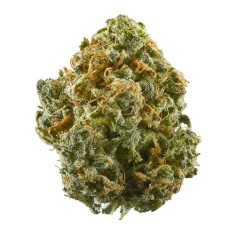
Effects of THC and CBD
- THC (Tetrahydrocannabinol): The primary psychoactive compound in Cascadia Kush, THC binds to CB1 receptors in the brain, producing euphoria, relaxation, and pain relief.
- CBD (Cannabidiol): Though present in lower concentrations, CBD contributes to anti-inflammatory and neuroprotective effects, helping to counterbalance THC’s psychoactivity.
- CBG (Cannabigerol): Known for its potential neuroprotective and anti-inflammatory benefits, CBG may enhance the medicinal properties of Cascadia Kush.
Terpene Profile
Terpenes play a significant role in defining the aroma, flavor, and effects of Cascadia Kush. Cascadia Kush’s predominant terpenes are:
- Myrcene (Herbal, Earthy) – The most prevalent terpene, responsible for Cascadia Kush’s sedative and muscle-relaxing properties.
- Limonene (Citrus) – Contributes to a mood-boosting and stress-reducing experience.
- Caryophyllene (Peppery, Spicy) – Offers anti-inflammatory benefits and interacts with CB2 receptors, potentially reducing pain and anxiety.
- Pinene (Pine, Woody) – Helps improve focus and counteracts some of THC’s memory-impairing effects.
- Linalool (Floral, Lavender) – Adds a calming, anxiety-reducing component to Cascadia Kush’s effects.
Recreational Uses and Effects
Onset and Duration
- Onset: 10-15 minutes
- Peak Effects: 30-60 minutes
- Total Duration: 2-4 hours (varies based on consumption method)
Common Recreational Effects
- Deep Relaxation – Cascadia Kush is an ideal strain for unwinding after a long day, promoting full-body relaxation and couch-lock effects at higher doses.
- Euphoric Bliss – Users report an initial wave of cerebral euphoria, followed by a tranquilizing body high.
- Enhanced Sensory Perception – Heightens experiences such as listening to music, enjoying food, or engaging in artistic activities.
- Sedation and Sleep Induction – Best suited for evening or nighttime use due to its strong sedative effects.
- Mild Psychoactive Effects – Unlike some high-THC sativas, Cascadia Kush provides a manageable high that avoids excessive paranoia or anxiety.
Medical Benefits
Cascadia Kush is widely utilized in medical cannabis programs due to its high THC levels and diverse terpene profile. The following are its most notable medical applications:
Pain Management
- Effective for chronic pain, arthritis, muscle spasms, and migraines due to its high THC content and anti-inflammatory terpenes.
Sleep Disorders
- Highly recommended for individuals suffering from insomnia or sleep disturbances, as it promotes deep, restful sleep.
Anxiety and Stress Relief
- The presence of limonene and linalool helps alleviate stress, anxiety, and symptoms of PTSD.
Depression
- While predominantly sedative, its euphoric effects can provide temporary relief from depression and mood disorders.
Appetite Stimulation
- Useful for individuals dealing with appetite loss due to chemotherapy, eating disorders, or gastrointestinal conditions.
Muscle Spasticity and Seizure Disorders
- May assist in reducing muscle tension in conditions like multiple sclerosis (MS) and epilepsy due to the entourage effect of THC and CBD.
Cultivation Information
Cascadia Kush, like any high-quality cannabis strain, requires specific scientific cultivation techniques to optimize yield, potency, and terpene production. Below is a detailed breakdown of advanced cultivation methods:
Propagation Methods
A. Cloning vs. Seeds
- Cloning: Preferred method for maintaining genetic consistency. Cloning ensures identical cannabinoid and terpene profiles.
- Seeds: Useful for genetic diversity but may lead to phenotypic variation.
B. Germination
- Ideal Conditions: 70-75°F (21-24°C) with 70% relative humidity.
- Methods:
- Paper towel method (moist environment)
- Direct planting in pre-moistened soil or Rockwool cubes.
Growth Stages & Scientific Care
A. Vegetative Stage (Weeks 1-6)
- Lighting: 18-24 hours/day under full-spectrum LED or MH (Metal Halide) lights (4000K-6000K spectrum).
- Temperature: 70-80°F (21-26°C), RH: 50-60%.
- Nutrients:
- Nitrogen (N): High (key for chlorophyll production and photosynthesis).
- Phosphorus (P): Moderate.
- Potassium (K): Moderate.
B. Flowering Stage (Weeks 7-10)
- Lighting: 12/12 cycle (12 hours light, 12 hours dark) with HPS (High-Pressure Sodium) lights (~2700K for resin production).
- Temperature: 65-78°F (18-26°C), RH: 40-50%.
- Nutrients:
- Increase P & K to support bud development.
- Reduce N to prevent excess leaf growth.
Hydroponic vs. Soil Cultivation
A. Hydroponic Cultivation
- Benefits: Faster growth, higher yields, precise nutrient control.
- Best System: Deep Water Culture (DWC) or Aeroponics for rapid root oxygenation.
- pH Balance: Maintain 5.5 – 6.2 for optimal nutrient uptake.
B. Soil Cultivation
- Best Medium: Loamy, well-draining soil with organic compost.
- Microbial Life: Adding mycorrhizal fungi and beneficial bacteria (e.g., Bacillus subtilis) improves nutrient absorption.
- pH Level: 6.0 – 6.8 (slightly acidic for best terpene expression).
Advanced Training Techniques
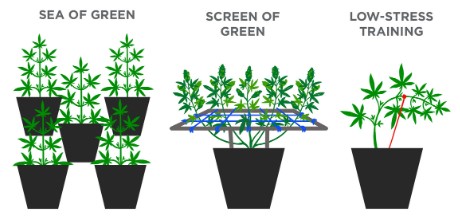
A. Low-Stress Training (LST)
- Gently bending Cascadia Kush’s branches to promote horizontal growth and better light exposure.
- Increases yield by 20-30% in confined spaces.
B. Screen of Green (ScrOG)
- Mesh netting used to create an even canopy.
- Optimizes light penetration and maximizes bud production in Cascadia Kush.
C. Defoliation & Pruning
- Strategic defoliation improves airflow, reducing powdery mildew risk.
- Removing lower, non-productive branches directs energy to main colas.
Terpene & Cannabinoid Optimization
- UVB Light Exposure: Studies suggest UVB radiation boosts THC production.
- Cold Shock Technique (Late flowering, ~60°F/15°C): Enhances purple hues and increases anthocyanins.
- Flushing (Last 10-14 days): Using only pH-balanced water ensures a cleaner smoke by removing residual nutrients.
Pest & Disease Management
A. Common Pests
- Spider mites: Controlled with Neem oil or predatory mites (Phytoseiulus persimilis).
- Fungus gnats: Use diatomaceous earth on soil surface.
B. Disease Prevention
- Powdery Mildew: Controlled with sulfur burners or diluted hydrogen peroxide (H₂O₂).
- Root Rot (Pythium): Avoid overwatering, ensure proper aeration in the root zone.
Harvesting & Curing for Maximum Potency
A. Ideal Harvest Window
- Trichome Color Check: Use a 40x microscope.
- Clear → Too early.
- Milky (Optimal THC levels) → Best time to harvest.
- Amber → Higher CBN levels (sedative effects).
B. Drying & Curing
- Drying Conditions: 60-70°F (15-21°C), RH: 50-60% for 7-10 days.
- Curing Jars: Burp glass jars daily for 2-4 weeks to enhance flavor & smoothness.
Methods of Ingestion
The method of ingestion determines how cannabinoids like THC, CBD, and terpenes are absorbed, metabolized, and experienced.
A. Inhalation (Smoking and Vaporization)
Mechanism: Cannabinoids enter the lungs, rapidly absorb into the bloodstream, and cross the blood-brain barrier for immediate effects.

Common Methods:
- Smoking: Joints, blunts, bongs, pipes
- Vaporization: Dry herb vaporizers, concentrate vaporizers
Bioavailability:
- Smoking: 30-50 percent THC absorption
- Vaporization: Up to 56 percent bioavailability, making it more efficient than smoking
Onset and Duration:
- Onset: One to five minutes
- Peak Effects: Thirty to sixty minutes
- Total Duration: Two to four hours
Advantages:
- Fast-acting
- Easier to control dose
- More intense high due to immediate bloodstream absorption
Disadvantages:
- Lung irritation from combustion
- Shorter duration than edibles
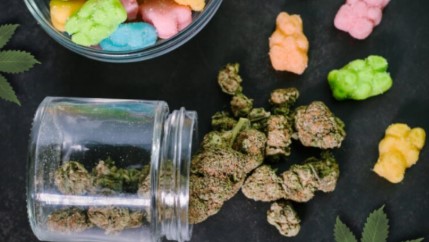
B. Oral Ingestion (Edibles and Capsules)
Mechanism: Cannabinoids pass through the digestive system, where the liver metabolizes delta-9-THC into 11-hydroxy-THC, which has stronger and longer-lasting effects.
Common Methods:
- Edibles: Gummies, chocolates, baked goods, beverages
- Capsules: Pre-dosed cannabis oil pills
Bioavailability:
- Four to twenty percent (low due to first-pass metabolism)
- Lipid-soluble compounds such as THC and CBD absorb better when consumed with fats
Onset and Duration:
- Onset: Thirty to one hundred twenty minutes, depending on metabolism and stomach contents
- Peak Effects: Two to four hours
- Total Duration: Six to twelve hours
Advantages:
- Long-lasting effects
- More intense and sedative due to 11-hydroxy-THC
- No lung irritation
Disadvantages:
- Slow onset, making dosing more challenging
- Higher risk of overconsumption
C. Sublingual (Tinctures and Sprays)
Mechanism: Cannabinoids absorb directly through the mucous membranes under the tongue, bypassing first-pass metabolism for faster effects.
Common Methods:
- Cannabis tinctures (alcohol or oil-based)
- Cannabis sprays
Bioavailability:
- Approximately 20-35 percent, higher than edibles but lower than vaporization
Onset and Duration:
- Onset: Fifteen to thirty minutes
- Peak Effects: Forty-five to ninety minutes
- Total Duration: Four to six hours
Advantages:
- Faster onset than edibles
- More efficient absorption compared to ingestion
- Easier dosing than smoking or vaping
Disadvantages:
- Shorter duration than edibles
- Some users find the taste unpleasant
D. Topical Application (Creams and Transdermal Patches)
Mechanism: Through its interaction with the skin’s CB2 receptors, cannabinoids offer localized comfort without producing euphoric side effects. Transdermal patches allow cannabinoids to enter the bloodstream for systemic effects.
Common Methods:
- Cannabis-infused lotions, balms, and creams
- Transdermal patches with THC or CBD
Bioavailability:
- Topical creams: Minimal systemic absorption, primarily local effects
- Transdermal patches: Up to 50 percent bioavailability with sustained release
Onset and Duration:
- Topical creams: Onset within thirty to sixty minutes, lasting two to four hours
- Transdermal patches: Onset within thirty to sixty minutes, lasting six to twelve hours
Advantages:
- Non-psychoactive (except for transdermal patches)
- Effective for localized pain, inflammation, and skin conditions
- Longer-lasting effects with patches
Disadvantages:
- Limited absorption through the skin
- Transdermal patches may still cause psychoactive effects
Factors Affecting Onset and Duration
Several biological and external factors influence the onset, intensity, and duration of effects.
- Metabolism: Faster metabolism leads to shorter effects, while slower metabolism prolongs duration
- Body Fat Percentage: THC is stored in fat cells, meaning higher body fat may lead to longer-lasting but less intense effects
- Consumption with Food: Edibles consumed with high-fat meals increase THC absorption
- Tolerance Level: Frequent cannabis users may experience shorter and less intense effects due to tolerance buildup
- Strain Potency: Higher THC concentrations lead to stronger effects and longer durations
Potential Side Effects
While Cascadia Kush is well-tolerated by most users, it can produce side effects, particularly at higher doses:
- Dry Mouth and Eyes – Common with high-THC strains; hydration is recommended.
- Dizziness – Can occur in novice users or when consuming in large quantities.
- Paranoia or Anxiety – Rare but possible in individuals sensitive to THC.
- Sedation and Couch-Lock – Overconsumption can lead to excessive drowsiness, making daytime use impractical.
Conclusion
Cascadia Kush is a premium indica-dominant hybrid that offers a potent, relaxing high, making it a great option for both medical and recreational users. Its high THC content, combined with a rich terpene profile, ensures a well-rounded experience with significant therapeutic potential. Whether used for pain relief, stress reduction, or sleep enhancement, Cascadia Kush stands out as one of the best choices for cannabis consumers seeking deep relaxation and effective relief from various medical conditions. Growers will also appreciate its resilience and high yields when cultivated under optimal conditions.
Final Verdict: Cascadia Kush is best suited for evening or nighttime use, providing a potent body high while maintaining a level of euphoria that keeps it enjoyable without excessive sedation.
For a complete directory of cultivars, visit our Cannabis Strain Reviews.
