Table of Contents
Cannalope Kush is a well-regarded cannabis strain known for its exceptional flavor profile, balanced effects, and versatile applications. It is a hybrid strain resulting from the crossbreeding of the popular OG Kush with Cannalope Haze, creating a unique combination of characteristics that appeals to both recreational and medical users. Below, we delve into the detailed aspects of Cannalope Kush, covering its origins, genetics, chemical profile, effects, therapeutic uses, cultivation, and more.
Origins and Genetics
Cannalope Kush is a hybrid strain bred to harness the best traits of its parent strains:
- Cannalope Haze: A sativa-dominant strain renowned for its fruity, tropical flavors and uplifting cerebral effects. It contributes to Cannalope Kush’s sweet, melon-like aroma and energizing qualities.
- OG Kush: A legendary indica-dominant strain known for its earthy, pine-like flavor and calming, sedative effects. OG Kush lends Cannalope Kush its grounding and relaxing properties.
The combination of these two parent strains results in a balanced hybrid with a typical ratio of approximately 60% sativa and 40% indica. This balance allows Cannalope Kush to deliver both uplifting and relaxing effects, making it a flexible choice for a variety of users.
Appearance, Aroma, and Flavor
Appearance
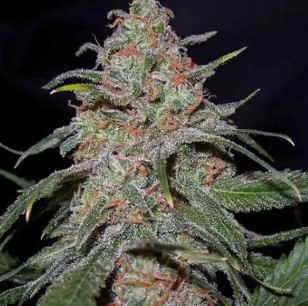
Cannalope Kush plants are visually striking, with dense, medium-sized buds that are covered in a generous layer of resinous trichomes. The buds are typically a vibrant green color with occasional orange pistils, giving them a bright and attractive appearance.
Aroma
The aroma of Cannalope Kush is one of its standout features. It boasts a sweet and tropical fragrance reminiscent of fresh melons, complemented by hints of citrus and floral undertones. When the buds are broken apart, a subtle earthiness and spice from its OG Kush lineage become more apparent.
Flavor
The flavor profile of Cannalope Kush mirrors its aroma. Users often describe it as a delightful blend of sweet cantaloupe and citrus with a smooth, herbal aftertaste. This combination of fruity and earthy notes makes Cannalope Kush a favorite among cannabis connoisseurs.
Chemical Profile
Cannabinoids
Cannalope Kush typically exhibits the following cannabinoid profile:
- THC: 18% to 24% (primary psychoactive compound responsible for the strain’s effects)
- CBD: <1% (minimal levels, contributing limited non-psychoactive effects)
- CBG: 0.5% to 1% (known for its potential anti-inflammatory and neuroprotective properties)
Terpenes
The terpene profile of Cannalope Kush is dominated by:
- Myrcene: Contributes to its relaxing effects and earthy aroma.
- Limonene: Adds a citrusy note and uplifting effects.
- Pinene: Offers hints of pine and may aid in focus and respiratory health.
- Caryophyllene: Provides a spicy kick and interacts with the endocannabinoid system to offer potential anti-inflammatory benefits.
Methods of Ingestion
Cannalope Kush can be consumed through various methods, each offering distinct onset times, durations, and effects. The method of ingestion significantly influences how the cannabinoids and terpenes interact with your body.
1. Inhalation (Smoking or Vaping)
- Process: Cannabinoids are absorbed through the alveoli in the lungs and rapidly enter the bloodstream.
- Onset: 1-3 minutes.
- Duration: 2-3 hours.
- Effects:
- Immediate and potent.
- Provides a balance of uplifting cerebral effects and a soothing body high.
- Advantages:
- Fast onset for acute relief.
- Full flavor and terpene profile are preserved (especially with vaping).
- Disadvantages:
- Potential respiratory irritation.
- May not be suitable for individuals with lung conditions.
2. Oral Consumption (Edibles)
- Process: Cannabinoids are metabolized by the liver, converting delta-9-THC into the more potent 11-hydroxy-THC.
- Onset: 30 minutes to 2 hours.
- Duration: 6-8 hours (longer for high doses).
- Effects:
- Gradual onset, with a pronounced body high.
- May amplify relaxing and sedative properties due to liver metabolism.
- Advantages:
- Long-lasting effects.
- Discreet and easy to dose (especially with labeled products).
- Disadvantages:
- Delayed onset can lead to overconsumption.
- Effects are harder to predict compared to inhalation.
3. Sublingual (Tinctures and Sprays)
- Process: Cannabinoids are absorbed through mucous membranes under the tongue, bypassing the digestive system.
- Onset: 15-30 minutes.
- Duration: 3-5 hours.
- Effects:
- Balanced between immediate cerebral uplift and a calming body sensation.
- Advantages:
- Faster onset compared to edibles.
- Easier to dose accurately.
- Disadvantages:
- Unlike edibles, effects could not last as long.
- Limited availability in some markets.
4. Topical Application
- Process: Cannabinoids interact with CB2 receptors in the skin without entering the bloodstream.
- Onset: 10-20 minutes.
- Duration: 2-4 hours (localized effects).
- Effects:
- Does not produce psychoactive effects.
- Beneficial for skin disorders, inflammation, and localized pain.
- Advantages:
- No psychoactivity.
- Can be combined with other methods for targeted relief.
- Disadvantages:
- Limited to localized benefits.
- Not suitable for systemic effects.
Onset, Duration, and Effects by Method
| Method | Onset Time | Duration | Effects |
|---|---|---|---|
| Smoking/Vaping | 1-3 minutes | 2-3 hours | Rapid cerebral euphoria followed by a gradual body relaxation. |
| Edibles | 30-120 minutes | 6-8 hours | Gradual onset; potent and prolonged body high with pronounced relaxation. |
| Sublingual | 15-30 minutes | 3-5 hours | Balanced effects; noticeable mental uplift followed by calmness. |
| Topicals | 10-20 minutes | 2-4 hours | Localized relief from pain and inflammation; no psychoactive effects. |
Scientific Basis of Effects
Onset and Absorption
- Inhalation: THC and other cannabinoids rapidly pass through the alveolar membrane in the lungs, reaching peak plasma concentrations within minutes. This quick delivery to the brain accounts for the near-instantaneous effects.
- Oral Consumption: Ingested cannabinoids undergo first-pass metabolism in the liver, where delta-9-THC is converted to 11-hydroxy-THC. This metabolite has a higher potency and a longer half-life, contributing to the delayed and intensified effects.
- Sublingual: Absorption through the mucous membranes bypasses first-pass metabolism, allowing for a faster onset than edibles but a shorter duration.
- Topical: Cannabinoids bind to CB2 receptors in the skin, providing localized relief without entering the systemic circulation.
Duration of Effects
The duration of Cannalope Kush effects varies depending on metabolism, tolerance, and method of ingestion. Inhalation provides shorter, intense effects ideal for acute relief, while edibles offer prolonged relief for chronic conditions.
Recreational vs. Medical Effects
Recreational Effects:
- Euphoria and Upliftment: The initial sativa-dominant effects create a happy, energetic state, ideal for socializing or creative activities.
- Relaxation: The indica lineage introduces a calming body high as the experience progresses.
- Flavor Enjoyment: Smoking or vaping Cannalope Kush is particularly enjoyable for its sweet, melon-like flavor and smooth smoke.
- Medical Effects:
- Pain Relief: Particularly effective for mild to moderate pain, thanks to the interaction of THC and caryophyllene with pain pathways.
- Anxiety and Stress Reduction: The balanced sativa-indica effects can ease mental stress while avoiding sedation.
- Sleep Support: In higher doses or through edibles, the strain relaxing properties may aid in insomnia.
Factors Influencing Effects
- Dosage: Higher doses enhance sedation and body effects, while moderate doses focus on euphoria and relaxation.
- Tolerance: Regular users may require higher doses to achieve desired effects, particularly with edibles.
- Metabolism: Faster metabolism leads to quicker onset and shorter duration, while slower metabolism enhances the intensity and longevity of effects.
Effects and Recreational Uses
Cannalope Kush’s balanced sativa-to-indica ratio allows it to deliver a wide range of effects, making it suitable for various recreational purposes:
Initial Effects
- Euphoria: Users commonly report an immediate sense of happiness and mental upliftment.
- Creativity: The sativa genetics promote creative thinking, making it a favorite among artists and writers.
- Energy Boost: Cannalope Kush’s energizing properties make it an excellent choice for daytime use or social activities.
Later Effects
- Relaxation: As the initial euphoria fades, the indica properties provide a calming and soothing body high.
- Stress Relief: The relaxing effects can help alleviate tension and promote a sense of tranquility.
Popular Recreational Activities
Cannalope Kush is ideal for:
- Social gatherings due to its uplifting and sociable effects.
- Creative projects requiring focus and inspiration.
- Outdoor activities such as hiking, thanks to its energizing qualities.
- Relaxing evenings with friends or solo unwinding after a busy day.
Medical Uses
Cannalope Kush’s diverse effects make it a valuable strain for managing various medical conditions. Below, we outline its therapeutic applications:

Mental Health
- Depression: The uplifting and euphoric effects can provide relief from symptoms of depression by improving mood and energy levels.
- Anxiety: Its calming properties can help reduce feelings of stress and anxiety without causing excessive sedation.
- PTSD: Cannalope Kush’s ability to induce relaxation and mental clarity may aid in managing PTSD symptoms.
Pain Management
- Chronic Pain: The strain’s moderate THC levels and caryophyllene content interact with the endocannabinoid system to reduce inflammation and pain perception.
- Headaches and Migraines: Its analgesic properties can help alleviate headache symptoms.
Sleep Disorders
- Insomnia: While not as sedative as some indica-heavy strains, Cannalope Kush’s relaxing effects can help users transition into restful sleep.
Appetite Stimulation
- Loss of Appetite: Cannalope Kush can stimulate hunger, making it a useful option for individuals dealing with appetite loss due to medical treatments or conditions.
Neurological Conditions
- Multiple Sclerosis (MS): Its anti-inflammatory and muscle-relaxant properties may help alleviate symptoms such as spasticity and pain.
- Fibromyalgia: Cannalope Kush’s combination of relaxation and pain relief can provide comfort to individuals with fibromyalgia.
Scientific Insights
Interaction with the Endocannabinoid System
Cannalope Kush’s effects are primarily mediated through its interaction with the endocannabinoid system (ECS), a complex cell-signaling system involved in maintaining homeostasis. Key interactions include:
- CB1 Receptors: THC binds to these receptors in the brain, producing psychoactive effects and modulating pain, mood, and appetite.
- CB2 Receptors: Caryophyllene’s interaction with these receptors contributes to its anti-inflammatory properties.
Potential Synergies
The entourage effect, where cannabinoids and terpenes work together to enhance therapeutic benefits, is evident in Cannalope Kush. For example:
- The combination of myrcene and THC enhances sedative and pain-relieving effects.
- Limonene’s uplifting properties complement THC’s euphoric effects, creating a balanced experience.
Methods of Cultivation for Cannalope Kush
Cannalope Kush is a moderately challenging strain to cultivate, suitable for growers with some experience. Its hybrid genetics, combining sativa vigor with indica resilience, require specific attention to environmental factors, nutrient management, and pest control.
Cultivation Methods
1. Indoor Cultivation
- Advantages:
- Full control over environmental conditions (light, temperature, humidity).
- Higher resin production due to optimized lighting.
- Protection from pests and adverse weather.
- Setup:
- Lighting: High-Intensity Discharge (HID) lights, LED grow lights, or CFLs.
- Vegetative stage: 18-24 hours of light per day.
- Flowering stage: 12 hours of light per day to trigger blooming.
- Temperature: Maintain 70-80\u00b0F (21-27\u00b0C).
- Humidity:
- Vegetative stage: 50-70%.
- Flowering stage: 40-50% to prevent mold.
- Ventilation: Proper airflow with oscillating fans and exhaust systems to prevent stagnant air and pests.
- Lighting: High-Intensity Discharge (HID) lights, LED grow lights, or CFLs.
- Training Techniques:
- Topping and Fimming: Encourages lateral growth for a bushier plant, optimizing light penetration.
- SCROG (Screen of Green): Maximizes yield by training branches to grow horizontally.
- LST (Low-Stress Training): Bends and ties branches to enhance light distribution.
- Nutrient Requirements:
- Vegetative Stage: High nitrogen levels with moderate phosphorus and potassium.
- Flowering Stage: Higher phosphorus and potassium levels, with reduced nitrogen.
- Supplement with calcium, magnesium, and sulfur for healthy bud formation.
- Yield: 450-600 grams per square meter under optimal conditions.
2. Outdoor Cultivation
- Advantages:
- Natural light provides full-spectrum benefits.
- Greater yields could result from unchecked root growth.
- Optimal Climate:
- Warm, Mediterranean-like conditions with abundant sunlight.
- Avoid areas with excessive rain or humidity to prevent mold.
- Planting:
- Sow seeds or transplant seedlings after the last frost.
- Space plants at least 3-4 feet apart to allow for proper airflow.
- Soil Requirements:
- Well-draining, nutrient-rich soil with a pH of 6.0-6.5.
- Organic compost or worm castings can enhance soil fertility.
- Pest and Disease Management:
- Use organic solutions like neem oil or diatomaceous earth to combat pests.
- Regularly inspect for signs of mold, mildew, or infestations.
- Yield: Up to 800 grams per plant, depending on sunlight and care.
3. Hydroponic Cultivation
- Advantages:
- Faster growth and higher yields due to direct nutrient delivery.
- Requires less space compared to soil-based methods.
- System Types:
- Deep Water Culture (DWC): Roots are suspended in nutrient-rich, oxygenated water.
- Drip Irrigation: Delivers precise amounts of nutrients to the root zone.
- Ebb and Flow: Alternates flooding and draining of the grow medium to oxygenate roots.
- Nutrient Solution:
- Monitor electrical conductivity (EC) and pH (5.5-6.0) regularly.
- Use high-quality nutrients formulated for cannabis hydroponics.
- Environmental Control:
- Maintain water temperature at 65-70\u00b0F (18-21\u00b0C).
- Provide consistent airflow and monitor humidity to prevent fungal growth.
- Yield: Comparable to indoor soil methods but with potentially higher resin production.
Growth Stages and Care
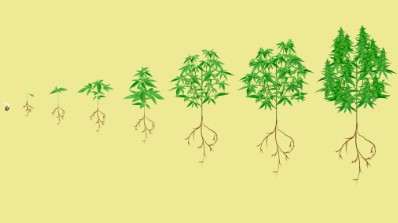
1. Germination
- Use high-quality, feminized seeds to ensure female plants (which produce the buds).
- Germinate seeds using:
- Paper Towel Method: Keep seeds moist between damp paper towels.
- Soil: Plant seeds directly into pre-moistened soil.
- Time: 3-10 days for seeds to sprout.
2. Vegetative Stage
- Focus: Developing strong roots, stems, and foliage.
- Light Cycle: 18-24 hours of light daily.
- Nutrients: High nitrogen levels with balanced micronutrients.
- Training: Begin LST or SCROG techniques during this phase to optimize plant structure.
3. Flowering Stage
- Focus: Bud production and resin development.
- Light Cycle: Switch to a 12/12 (light/dark) cycle to induce flowering.
- Nutrients: Increase phosphorus and potassium while reducing nitrogen.
- Monitoring: Inspect daily for signs of nutrient deficiencies, pests, or mold.
- Support: Use stakes or trellises to support heavy colas as they develop.
4. Harvesting
- Timing: Harvest when 70-90% of trichomes transition from clear to milky or amber, indicating peak potency.
- Trimming: Remove large fan leaves and trim sugar leaves to enhance appearance and terpene profile.
- Drying:
- Hang buds upside down in a dark, well-ventilated room.
- Maintain temperature (60-70\u00b0F) and humidity (50-60%) for 7-10 days.
- Curing:
- Dried buds should be kept in airtight glass jars.
- Burp jars daily for the first 1-2 weeks to release moisture and gases.
- Cure for 4-6 weeks for optimal flavor and potency.
Common Challenges
1. Nutrient Deficiencies
- Nitrogen Deficiency: Yellowing leaves during vegetative growth.
- Phosphorus Deficiency: Purple stems or slow flowering.
- Potassium Deficiency: Brown spots on leaves.
2. Pests
- Spider Mites: Use predatory mites or organic sprays.
- Aphids: Wash with water or use neem oil.
- Fungus Gnats: Allow soil to dry between waterings or use sticky traps.
3. Mold and Mildew
- Prevent by maintaining proper humidity and airflow.
- Remove affected parts immediately to prevent spread.
Advanced Techniques
1. CO2 Enrichment
- Enhances photosynthesis, leading to faster growth and higher yields.
- Maintain CO2 levels at 1200-1500 ppm during the vegetative and early flowering stages.
2. Defoliation
- Removes excess foliage to improve light penetration and airflow.
- Conduct during the vegetative stage or early flowering for best results.
3. Cloning
- Take cuttings from healthy mother plants to propagate Cannalope Kush.
- Use rooting hormones and place cuttings in a humid environment to promote root development.
Yield Optimization
- Environmental Control: Consistently monitor temperature, humidity, and light intensity.
- Nutrient Timing: Adjust feeding schedules to match the plant growth phase.
- Regular Maintenance: Prune, top, and train plants to maximize light exposure and airflow.
Potential Side Effects
Like all cannabis strains, Cannalope Kush has potential side effects, particularly if consumed in large quantities:
- Dry Mouth: Common and manageable with proper hydration.
- Dry Eyes: Can be alleviated with over-the-counter eye drops.
- Dizziness: Occasionally reported, especially by new users or those sensitive to THC.
- Paranoia or Anxiety: In rare cases, excessive consumption may lead to heightened anxiety or paranoia.
Start with a low dose and increase it gradually as necessary to reduce negative effects.
Conclusion
Cannalope Kush is a well-rounded cannabis strain that offers a delightful sensory experience, balanced effects, and versatile therapeutic benefits. Its unique combination of sativa and indica traits makes it an excellent choice for both recreational and medical users seeking relief from a variety of conditions. Whether you are an experienced cannabis connoisseur or a newcomer looking for a reliable hybrid strain, Cannalope Kush is a strain worth exploring.
For a complete directory of cultivars, visit our Cannabis Strain Reviews.
