Table of Contents
Cannalope Haze is a renowned sativa-dominant hybrid cannabis strain celebrated for its fruity aroma, uplifting effects, and potent medicinal benefits. With its genetic lineage tracing back to Haze and a Mexican landrace strain, Cannalope Haze is a favorite among cannabis connoisseurs who seek an energetic high complemented by a sweet, tropical flavor profile. This document provides a comprehensive analysis of Cannalope Haze, covering its genetic background, cultivation characteristics, terpene profile, medical and recreational uses, and scientific insights into its cannabinoid composition and effects on the human body.
Genetic Background and Lineage
Cannalope Haze is a sativa-dominant hybrid with an approximate sativa-to-indica ratio of 95:5. It is a cross between the legendary Haze strain and a Mexican landrace, both of which are known for their energetic and euphoric effects. This genetic combination results in a fast-flowering, high-yielding strain with remarkable cerebral stimulation.
- Parent Strains: Haze x Mexican Landrace
- Genetics: 95% Sativa / 5% Indica
- THC Content: Ranges between 18% and 22%
- CBD Content: Typically less than 1%
- CBG Content: Around 1%
Cultivation and Growth Characteristics
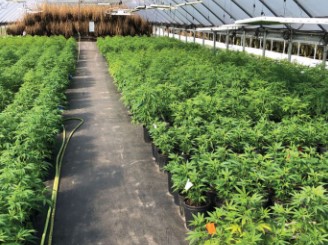
Cannalope Haze is a sativa-dominant hybrid with a fast-flowering cycle and a preference for warm, Mediterranean-like climates. Cultivating this strain scientifically involves optimizing environmental conditions, nutrient profiles, and growth techniques to maximize yield and potency. Below are the detailed scientific approaches to cultivating Cannalope Haze efficiently.
Environmental Requirements
Cannalope Haze thrives in controlled environments that mimic its natural tropical and equatorial genetic heritage.
Optimal Climate and Conditions
- Temperature Range: 70–85°F (21–29°C) during the vegetative stage; slightly lower (65–75°F or 18–24°C) in flowering.
- Humidity Levels:
- Vegetative Stage: 55–65% RH
- Flowering Stage: 40–50% RH to prevent mold and mildew.
- Light Exposure:
- Indoor Cultivation: Requires 18–24 hours of light per day in the vegetative stage and During blossoming, there are 12 hours of light and 12 hours of darkness.
- Preferred Lighting: High-intensity discharge (HID) lights, LED grow lights, or full-spectrum CFLs.
- Outdoor Cultivation: Best suited for warm, sunny climates with direct sunlight for at least 6–8 hours per day.
CO₂ Enrichment
- Controlled CO₂ Levels (1,000–1,500 ppm) can significantly increase photosynthesis efficiency and promote faster vegetative growth, leading to higher THC production.
Medium Selection and Nutrient Requirements
Choosing the right growing medium and nutrient regimen is crucial for optimal growth.

Growing Mediums
- Soil: Organic, well-aerated soil with high microbial activity promotes terpene development.
- pH Range: 6.0–6.5
- Ideal Composition: Coco coir, peat moss, perlite, and worm castings for aeration and nutrient retention.
- Hydroponics: Inert media like Rockwool, clay pebbles, or perlite with nutrient-infused water.
- pH Range: 5.5–6.0
- Advantages: Faster nutrient absorption and accelerated growth due to oxygen-rich environments.
Nutrient Schedule
Cannalope Haze has specific nutrient requirements throughout its lifecycle.
Vegetative Stage (Weeks 1–5)
- Nitrogen (N): High levels to support leaf and stem development.
- Phosphorus (P) & Potassium (K): Moderate levels to support root and cellular growth.
- Micronutrients: Magnesium (Mg), Calcium (Ca), Zinc (Zn), and Iron (Fe) are essential.
- EC (Electrical Conductivity) Levels: 1.2–1.8 mS/cm
Flowering Stage (Weeks 6–9)
- Nitrogen: Gradual decrease to prevent excessive vegetative growth.
- Phosphorus & Potassium: Increased levels to promote bud development and resin production.
- EC Levels: 1.8–2.4 mS/cm
- Flushing: Last 1–2 weeks before harvest using pure, pH-balanced water to enhance the final flavor profile.
Training Techniques for Higher Yields
Cannalope Haze can grow tall and lanky, so training methods are essential to control height and increase bud sites.
Low-Stress Training (LST)
- Bending and tying branches to increase light penetration and encourage lateral growth.
Screen of Green (ScrOG)
- A net or trellis is used to spread branches evenly, promoting a uniform canopy and higher yields.
Topping & Fimming
- Cutting the main stem to promote multiple colas rather than a single dominant bud.
Defoliation
- Strategic leaf pruning enhances airflow and light exposure to lower bud sites.
4. Pest & Disease Management
Cannalope Haze, like all cannabis strains, is susceptible to pests and fungal infections, especially in humid conditions.
Common Pests
- Spider Mites: Controlled using neem oil, beneficial insects (ladybugs), or insecticidal soaps.
- Aphids & Whiteflies: Removed with natural predators (lacewings) or organic sprays.
- Fungus Gnats: Managed by allowing the topsoil to dry out and using diatomaceous earth.
Common Diseases
- Powdery Mildew: Prevented with proper ventilation and low humidity.
- Bud Rot (Botrytis): Avoided by removing excess foliage and maintaining airflow.
5. Harvesting & Curing for Maximum Potency
Timely harvesting optimizes the amount of terpene and cannabinoids.
Trichome Maturity Guide
- Clear Trichomes: Immature, wait longer.
- Milky White Trichomes: Peak THC levels, ideal for energetic effects.
- Amber Trichomes: Degraded THC, produces more relaxing effects.
Drying Process
- Temperature: 60–70°F (15–21°C)
- Humidity: 50–60% RH
- Duration: 7–14 days
Curing Process
- Stored in glass jars at 62% RH to enhance flavors and smoothness.
- Burped daily for 2 weeks to allow excess moisture to escape.
Cannalope Haze, a sativa-dominant hybrid, exhibits rapid onset effects and a moderate duration, depending on the method of ingestion. The pharmacokinetics of THC and other cannabinoids in Cannalope Haze vary based on bioavailability, metabolism, and delivery method. Below is a scientific breakdown of ingestion methods, onset, and duration.

Methods of Ingestion
A. Inhalation (Smoking/Vaping)
One of the most common ways to consume Cannalope Haze is smoking or vaporizing, allowing rapid absorption into the bloodstream through the alveoli in the lungs.
Mechanism of Absorption
- Upon inhalation, cannabinoids bind to CB1 receptors in the brain, leading to psychoactive effects.
- Absorption occurs within seconds to minutes, reaching peak plasma concentration within five to fifteen minutes.
Bioavailability
- Smoking: Approximately 25 to 30 percent bioavailability, though it varies due to combustion loss.
- Vaping: Approximately 50 to 60 percent bioavailability, which is more efficient than smoking as it avoids combustion byproducts.
Onset and Duration
- Onset: One to five minutes
- Peak Effects: Fifteen to thirty minutes
- Total Duration: Two to four hours
- After Effects (Residual THC in System): Up to twenty-four hours
Advantages
- Rapid onset
- High bioavailability
- Ideal for users needing instant effects, such as an energy boost or mood elevation
Disadvantages
- Potential lung irritation from smoking
- Shorter duration compared to oral ingestion
B. Oral Consumption (Edibles, Capsules, Tinctures)
Oral ingestion of Cannalope Haze requires metabolic processing in the liver, leading to a delayed but prolonged effect.
Mechanism of Absorption
- THC is metabolized by the liver through first-pass metabolism into 11-hydroxy-THC, a more potent psychoactive metabolite.
- This increases potency and prolongs effects compared to inhalation.
Bioavailability
- Edibles and Capsules: Approximately 4 to 20 percent, lower due to digestive breakdown.
- Sublingual Tinctures: Approximately 35 percent, higher due to direct absorption through mucous membranes.
Onset and Duration
- Edibles:
- Onset: Thirty to ninety minutes
- Peak Effects: Two to three hours
- Total Duration: Six to eight hours
- After Effects: Up to thirty-six hours
- Tinctures (Sublingual Absorption):
- Onset: Fifteen to forty-five minutes
- Peak Effects: One to two hours
- Total Duration: Four to six hours
Advantages
- Longer-lasting effects
- More intense psychoactivity due to 11-hydroxy-THC
- Discreet and lung-friendly
Disadvantages
- Delayed onset, which can lead to accidental overconsumption
- Lower bioavailability, as edibles lose potency during digestion
C. Topical and Transdermal Application
Cannalope Haze can be infused into oils, lotions, and patches for localized or systemic relief.
Mechanism of Absorption
- Topicals: Cannabinoids bind to CB2 receptors in the skin, providing localized relief with no psychoactive effects.
- Transdermal Patches: Allow THC and other cannabinoids to enter the bloodstream, leading to systemic effects without inhalation or digestion.
Bioavailability
- Topical Applications: Minimal systemic absorption, primarily localized effects.
- Transdermal Patches: Bioavailability varies depending on formulation but can be comparable to edibles.
Onset and Duration
- Topicals:
- Onset: Within fifteen to thirty minutes
- Duration: Two to six hours
- Transdermal Patches:
- Onset: Thirty to sixty minutes
- Duration: Up to twelve hours
Advantages
- Non-psychoactive when used topically
- Long-lasting systemic effects with transdermal patches
- Effective for localized pain relief
Disadvantages
- Limited absorption through the skin
- Not ideal for achieving a full-body psychoactive effect
Factors Affecting Onset and Duration
Several physiological and external factors influence how long Cannalope Haze takes to activate and how long the effects persist.
A. Metabolism and Individual Variability
- Individuals with faster metabolisms will experience shorter durations of effects, while those with slower metabolisms may feel effects longer.
- People with higher body fat percentages tend to store THC longer, leading to prolonged effects and residual presence in the system.
B. Tolerance Levels
- Frequent cannabis users may develop higher tolerance, resulting in weaker effects and shorter duration.
- Occasional users or first-time consumers experience stronger and longer-lasting effects due to lower tolerance levels.
C. Presence of Food in the Stomach
- Edibles consumed on an empty stomach have a faster onset but may lead to intensified effects due to rapid absorption.
- Edibles taken with food slow absorption, leading to a delayed but sustained release of cannabinoids.
D. Interaction with Other Substances
- Alcohol consumption alongside Cannalope Haze may intensify THC effects and prolong impairment.
- Caffeine may counteract sedative effects and enhance focus but can also increase anxiety in sensitive individuals.
- Fatty foods improve THC absorption in edibles, increasing bioavailability.
Comparison of Ingestion Methods
| Method | Onset Time | Peak Effects | Total Duration | Bioavailability | Key Considerations |
|---|---|---|---|---|---|
| Smoking | 1-5 min | 15-30 min | 2-4 hrs | 25-30% | Rapid onset, high bioavailability, but short duration |
| Vaping | 1-5 min | 15-30 min | 2-4 hrs | 50-60% | More efficient than smoking, fewer combustion byproducts |
| Edibles | 30-90 min | 2-3 hrs | 6-8 hrs | 4-20% | Prolonged effects but lower bioavailability |
| Tinctures (Sublingual) | 15-45 min | 1-2 hrs | 4-6 hrs | 35% | Faster than edibles, discreet consumption |
| Topicals | 15-30 min | N/A | 2-6 hrs | Minimal systemic absorption | Localized relief only, no psychoactive effects |
| Transdermal | 30-60 min | 2-4 hrs | Up to 12 hrs | Comparable to edibles | Prolonged systemic effects, steady absorption |
Cannabinoid and Terpene Profile
Primary Cannabinoids
Cannalope Haze is predominantly rich in THC, with trace amounts of CBD and other minor cannabinoids.
- THC: 18–22% (Primary psychoactive compound)
- CBD: <1% (Minimal non-psychoactive medicinal effects)
- CBG: ~1% (Neuroprotective and anti-inflammatory properties)
Terpenes and Their Effects
Terpenes contribute significantly to Cannalope Haze’s effects and flavor profile. The dominant terpenes include:
- Myrcene: Provides sedative effects, anti-inflammatory properties, and enhances cannabinoid absorption.
- Limonene: Offers citrusy notes and contributes to mood elevation and stress relief.
- Pinene: Helps improve alertness, memory retention, and acts as an anti-inflammatory agent.
- Caryophyllene: Known for its spicy aroma, it interacts with CB2 receptors to provide pain relief and reduce inflammation.
Recreational Uses
Cannalope Haze is favored by recreational users due to its uplifting and euphoric effects, making it an ideal daytime strain. It provides an energetic high, enhances creativity, and promotes social interaction.

Effects
- Euphoria: Promotes feelings of happiness and excitement.
- Energy Boost: Increases motivation and physical activity.
- Creativity Enhancement: Stimulates artistic and innovative thinking.
- Focus & Clarity: Helps users stay attentive and mentally sharp.
- Relaxation: Despite its energizing nature, it provides a smooth, mellow relaxation.
Ideal Activities
- Social gatherings and events.
- Outdoor activities such as hiking and biking.
- Artistic pursuits like painting and writing.
- Productivity tasks requiring focus and inspiration.
- Morning and daytime consumption to start the day on a positive note.
Medical Applications
Cannalope Haze offers a range of therapeutic benefits, making it a popular choice among medical cannabis patients. Its high THC content and uplifting effects are particularly useful for conditions that require mood stabilization and energy enhancement.
Mental Health Benefits
- Depression & Anxiety:
- The happy and upbeat effects can lessen anxiety and depressive symptoms.
- Limonene’s presence contributes to stress relief and mood enhancement.
- PTSD:
- May help with emotional regulation and reduce intrusive thoughts.
Neurological Benefits
- ADHD/ADD:
- The strain’s focusing effects help individuals with attention deficit disorders remain engaged and alert.
- Migraine Relief:
- Cannalope Haze has mild analgesic properties, which can assist in reducing headache intensity.
Physical Health Benefits
- Chronic Fatigue Syndrome (CFS):
- Provides an energy boost and combats fatigue, making it beneficial for those struggling with low energy levels.
- Appetite Stimulation:
- Helps individuals suffering from loss of appetite due to medical conditions or treatments like chemotherapy.
- Pain Management:
- Although not as potent as indica-dominant strains for pain relief, its anti-inflammatory properties can help with mild to moderate pain conditions.
Scientific Insights
Pharmacodynamics
Cannalope Haze interacts primarily with CB1 and CB2 receptors in the endocannabinoid system (ECS).
- CB1 Activation: Leads to psychoactive effects such as euphoria, increased energy, and enhanced creativity.
- CB2 Activation: Contributes to anti-inflammatory and neuroprotective benefits.
Potential Side Effects
Like most high-THC strains, Cannalope Haze has potential side effects, including:
- Dry mouth and dry eyes.
- Paranoia or anxiety in sensitive users.
- Dizziness when consumed in high doses.
Metabolism and Bioavailability
- Onset Time: 5–10 minutes when inhaled, 30–60 minutes when ingested.
- Duration of Effects: 2–4 hours, depending on individual metabolism and dosage.
- Half-Life: THC has an estimated half-life of 1–10 days, depending on frequency of use.
Conclusion
Cannalope Haze is a highly sought-after sativa-dominant strain known for its invigorating and uplifting effects. It serves as a perfect daytime strain for those seeking motivation, focus, and creative inspiration. Medically, it provides relief for conditions such as depression, chronic fatigue, and appetite loss. Scientifically, its high THC and terpene profile contribute to its therapeutic potential, making it a useful strain for both medical and recreational purposes.
As the cannabis industry continues to evolve, Cannalope Haze remains a staple strain for those who appreciate a balanced, energizing high with minimal sedation. Whether used recreationally for a boost in creativity or medicinally for mental and physical health benefits, this strain continues to captivate cannabis enthusiasts worldwide.
For a complete directory of cultivars, visit our Cannabis Strain Reviews.
