My Introduction to Medical Cannabis for Cancer Treatment
Years ago, when a close friend was diagnosed with cancer, I had already been growing cannabis for several seasons. But this time, the stakes were different. I wasn’t just cultivating for relaxation or recreation—I was growing with purpose. Supporting someone through chemotherapy reshaped how I viewed this plant. From that moment, Medical Cannabis for Cancer Treatment became more than a topic of study—it became part of my daily mission.
Understanding Cannabis as a Tool in Cancer Care
Why It’s Not Just Hype
Through hands-on experience and feedback from those I’ve grown for, I’ve learned that cannabis isn’t a miracle drug—but it can absolutely improve a cancer patient’s quality of life. Most of my focus has been on strains that ease pain, calm nausea, and promote appetite. That’s where cannabis strains for cancer truly shine.
What the Research Is Showing
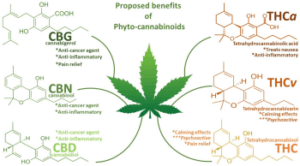
Recent developments in cannabis cancer research have begun to validate what many growers and patients have observed for years. Cannabinoids like THC and CBD are being studied not only for their palliative effects but also for their potential to combat cancer cell activity directly.
How Cannabis Supports Patients During Chemotherapy
Managing Nausea and Digestive Disruption
I’ve worked closely with patients undergoing chemotherapy, and I’ve seen the toll it takes on their appetite. One of the first signs of cannabis making a difference is when they start eating again. High-THC strains are particularly useful here, and more than once I’ve relied on cultivars like Blueberry and Critical Mass.
The results are often immediate: nausea eases, and meals become manageable. This aligns with evidence supporting cannabis for nausea and cannabis oil for cancer symptom management.

Alleviating Pain Without Heavy Pharmaceuticals
Chronic pain, especially from neuropathy, is a common complaint. I grow a few go-to cultivars that consistently help in this area. Harlequin and ACDC are among my favorites for patients who need relief without the heavy psychoactive effects. In these cases, CBD for cancer plays a pivotal role.
It’s also common for patients to reduce their reliance on opioids, which have far more severe side effects. From my perspective, cannabis for pain is one of the clearest areas where this plant makes a measurable difference.
Boosting Mood and Mental Resilience
Dealing with cancer is emotionally taxing. Some days, cannabis does more for the spirit than the body. Balanced hybrids help improve sleep, reduce anxiety, and provide a sense of calm. I’ve grown Northern Lights and Bubba Kush specifically for this reason.
Can Cannabis Really Impact Tumor Growth?
What Lab Studies and Growers Are Learning
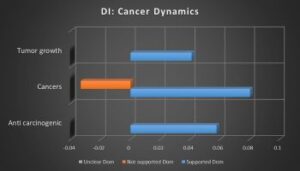
Although I primarily grow for symptom relief, I stay informed on the science. According to numerous papers, cannabinoids may suppress cancer cell growth and reduce metastasis. Studies in mice show how THC and cancer pathways can trigger autophagy—killing off malignant cells.
Another promising area involves cannabis and tumor reduction through improved radiation response when cannabinoids are added. This research is complex, but from a cultivator’s point of view, it encourages the thoughtful development of cannabinoid-rich strains.
As part of my cultivation philosophy, I always consider how cannabis cancer research influences strain selection and patient outcomes.
Choosing the Right Cannabis Strains for Cancer Support
Symptom-Specific Strain Selection
As someone who’s cultivated hundreds of strains, I’ve learned to select cultivars based on terpene profiles and cannabinoid ratios. Here are some general strain categories I recommend:
For Nausea and Appetite Loss
-
Strains: Blueberry, OG Kush, Granddaddy Purple
-
Cannabinoids: THC-dominant
-
Terpenes: Myrcene, limonene
-
Great for cannabis and chemotherapy recovery
-
Strains: Harlequin, Cannatonic, ACDC
-
Cannabinoids: Balanced or CBD-heavy
-
Terpenes: Beta-caryophyllene, pinene
For Rest and Mental Ease
-
Strains: Bubba Kush, Northern Lights
-
Cannabinoids: Indica-dominant
-
Terpenes: Linalool, myrcene
-
Helpful for patients experiencing insomnia or anxiety
Making Cannabis Oil for Cancer Treatment at Home
Why Cannabis Oil Is Often Preferred
Many patients prefer oil to inhalation. I make a lot of full-spectrum oil in my workshop using both ethanol and rosin press extraction methods. I start with top-shelf flowers—never trim—and decarb them to activate the cannabinoids.
Dosing is key. Patients new to cannabis benefit from microdosing, slowly finding their tolerance. Using cannabis oil for cancer is more than a trend—it’s a crucial delivery method for long-lasting relief.
As part of my cultivation philosophy, I always consider how cannabis oil for cancer influences strain selection and patient outcomes.

Risk Factors and Side Effects of Medical Cannabis
What to Watch Out For
Despite my enthusiasm, I always caution patients and caregivers about cannabis side effects. While usually mild, some users may experience:
-
Dry mouth
-
Short-term memory issues
In elderly patients, I recommend strains with more CBD and a gentle introduction. I’ve also seen how cannabis and chemotherapy combinations can enhance sedative effects, which is something doctors need to monitor.
As part of my cultivation philosophy, I always consider how cannabis side effects influence strain selection and patient outcomes.
Real-World Impact: A Patient Story
One patient I worked with had been battling colorectal cancer for two years. Traditional meds had stopped working, and the side effects of her prescriptions left her bedridden. We shifted her to a gentle but potent cannabis oil blend—1:1 THC to CBD—and after a few weeks, her appetite returned, sleep improved, and most surprisingly, her oncologist noted smaller tumor growth on a follow-up scan.
That kind of story is why I continue this work. It’s also a testament to how thoughtfully grown cannabis can transform a life.
As part of my cultivation philosophy, I always consider how THC and cancer dynamics influence strain selection and patient outcomes.
Tips for Growing Medical Cannabis at Home
How to Get Started
If you’re a patient or caregiver, learning to grow can be empowering. Here are a few basics:
-
Start with strains known for medicinal properties
Indoor cultivation gives you more control, especially over temperature, light, and humidity. I use full-spectrum LEDs and avoid synthetics, as purity matters when someone’s immune system is compromised.
Final Thoughts on Cannabis in Cancer Recovery
I’ve come to believe that Medical Cannabis for Cancer Treatment is one of the most powerful tools we have for compassionate care. Whether it’s easing pain, calming nausea, or improving sleep, cannabis offers benefits that are hard to find elsewhere.
Growing with intention, selecting the right genetics, and working with medical professionals has made all the difference. I hope this guide helps others understand how cannabis strains for cancer and careful cultivation can support healing.
As part of my cultivation philosophy, I always consider how CBD for cancer, cannabis and tumor reduction, and cannabis for nausea influence strain selection and patient outcomes.
