Table of Contents
Understanding Tourette Syndrome From a Grower’s Perspective
When I first encountered Tourette Syndrome in my research, I was struck by how misunderstood the condition remains. Tourette’s, identified in the nineteenth century by French neurologist Georges Gilles de la Tourette, is a neurological disorder defined by involuntary motor and vocal tics.
For anyone who has never lived with or grown close to someone dealing with it, the reality can be jarring. Symptoms often fluctuate in severity and are sometimes accompanied by ADHD, obsessive-compulsive behaviors, or anxiety. These combinations can make everyday life unpredictable.
Traditional medicine tends to focus on suppressing symptoms with pharmaceuticals. While medications can help, they often carry heavy side effects or lose effectiveness over time. As a cultivator who has seen cannabis transform lives, I’ve become deeply interested in cannabis for Tourette Syndrome and its potential role as part of natural remedies for Tourette’s that patients can explore with guidance.

Why Cannabis Caught My Attention
When I started growing seriously, I paid close attention to medical studies and patient stories. Over time, I noticed a recurring theme: people with Tourette’s often found relief with medical marijuana and Tourette’s treatments where traditional medicine fell short.
Unlike strong sedatives or antipsychotics, cannabis seemed to reduce tics and obsessive behaviors without completely dulling the patient. In fact, some early reports showed that THC treatment for tics provided quick relief, even when other options failed.
I’ve grown countless strains over the years, and one thing is clear — not all plants produce the same effects. Some cultivars with heavy THC profiles worked well for fast-acting relief, while balanced hybrids seemed better for long-term management. This diversity in genetics is why careful cannabis strain selection for tics has become such an important consideration for growers and patients alike.
What the Research Tells Us
Early Observations
In 1998, a Scandinavian medical journal shared results from 64 patients. Only 17 had tried cannabis, but 14 of them reported real improvements. Many noticed reductions in tics and obsessive-compulsive behaviors. This was one of the first pieces of published Tourette’s cannabis research, and it raised questions about how the endocannabinoid system and Tourette’s might be connected.
Clinical Trials
Between 1999 and 2003, researchers launched several small trials:
- 1999: A patient given THC saw noticeable relief. This early example of THC treatment for tics showed that effects could last for hours.
- 2002: A double-blind study confirmed reductions in tic severity and cannabis and OCD symptoms improvements in adults with Tourette’s.
- 2003: A six-week trial with gradually increased doses highlighted the importance of careful cannabis dosing for neurological disorders to maximize benefits while minimizing risks.
The results were far from perfect, but they confirmed what growers and patients had been saying for years: cannabis, when applied correctly, has potential.

Real-World Experiences From Growers and Patients
In my experience, patient voices often push the conversation forward faster than academic papers. Over the years, I’ve spoken to many who said cannabis was the first thing that gave them control over their body. These Tourette’s patient experiences with cannabis often describe rapid relief from motor tics and a calming effect on obsessive thoughts.
High-THC strains such as OG Kush and Sour Diesel come up again and again in patient stories. Some find these strains ideal for acute relief, while others prefer hybrids or CBD-heavy cultivars to manage anxiety. That’s why cannabis strain selection for tics isn’t a one-size-fits-all process. Each grower and patient must experiment carefully.
Choosing Strains for Tourette’s Symptom Management
High-THC Varieties
Fast-acting and powerful, THC-rich strains are often part of THC treatment for tics. Patients say these cultivars suppress vocal or motor tics within minutes. But they can also produce typical cannabis side effects Tourette’s patients should monitor, like short-term memory lapses or fatigue.
Balanced THC:CBD Strains
Hybrids with balanced cannabinoid profiles may deliver more sustainable benefits. Many patients find these are more effective for cannabis and OCD symptoms management, helping with intrusive thoughts as well as tics.
Terpene Profiles
In my grows, I’ve found that terpenes matter just as much as cannabinoids. For Tourette’s relief:
- Myrcene → deep body calm
- Limonene → lifts mood, reduces anxiety
- Linalool → stress and sleep support
The right terpene profile often makes the difference between relief and disappointment in natural remedies for Tourette’s.
The Challenges and Risks
Not every patient benefits from cannabis, and some experience complications. Common cannabis side effects Tourette’s patients may face include:
- Memory impairment
- Slower reaction times
- Confusion during titration
- Risk of dependency
This is why cannabis dosing for neurological disorders must be handled carefully, ideally with professional oversight. Growers and patients alike need to respect the power of the plant.
Cannabis and OCD Symptoms in Tourette’s
Obsessive-compulsive behaviors are common in Tourette’s patients. The evidence is mixed, but many describe positive changes after trying medical marijuana and Tourette’s treatments.
For some, cannabis reduces intrusive loops dramatically. For others, there’s little effect. In my experience, CBD-rich strains are the most promising when it comes to balancing cannabis and OCD symptoms. With careful Tourette’s cannabis research in the future, we may be able to identify specific chemotypes that provide consistent results.
Dosing Considerations for Neurological Relief
I’ve learned that with cannabis for Tourette Syndrome, less is often more. Patients who start with small doses tend to have the best results. Here’s a process I’ve seen work:
- Start with microdosing: Tiny amounts of THC reduce tics without overwhelming the patient.
- Track responses: Journaling strain type, dosage, and results helps refine cannabis dosing for neurological disorders.
- Increase slowly: Gradual titration minimizes cannabis side effects Tourette’s patients may face.
Because administration methods vary — inhalation, tinctures, oils, edibles — experimenting under guidance ensures safety and effectiveness.
Where Research Needs to Go
We still lack the large-scale studies that would confirm what thousands of growers and patients already know. Until that happens, most Tourette’s cannabis research will remain small-scale and anecdotal.
Still, the pattern is undeniable. From scientific trials to Tourette’s patient experiences with cannabis, the evidence shows that this plant can offer meaningful support. If governments prioritize funding, we could one day map exactly how the endocannabinoid system and Tourette’s interact, leading to more refined therapies.
My Take as a Grower
After years in cultivation, I’ve come to believe cannabis is one of the most promising natural remedies for Tourette’s available. It may not be a cure, but with the right cannabis strain selection for tics, careful dosing, and professional support, patients can regain dignity and independence.
Final Thoughts
Cannabis for Tourette Syndrome offers real hope, but it requires patience, responsibility, and continued research. With balanced application, it can relieve tics, ease obsessive patterns, and support quality of life.
As both cultivators and advocates, our responsibility is to keep pushing for deeper understanding. Whether through clinical trials, grower reports, or Tourette’s patient experiences with cannabis, we must continue to bridge the gap between science and lived experience.
About the Author:
Jaxon Wilder is a lifelong cannabis cultivator and medical cannabis advocate with over two decades of hands-on growing experience. He has dedicated his career to exploring how different strains, cannabinoids, and terpene profiles impact health and wellness. Jaxon’s work bridges practical cultivation insights with patient-centered applications, particularly for neurological disorders such as Tourette Syndrome. His mission is to share real-world knowledge and empower people to make informed choices about cannabis as a natural remedy.
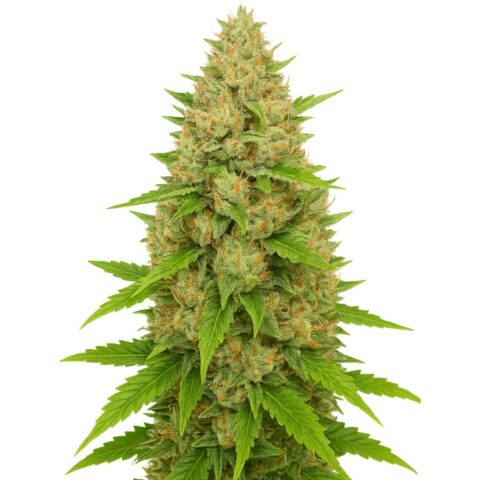
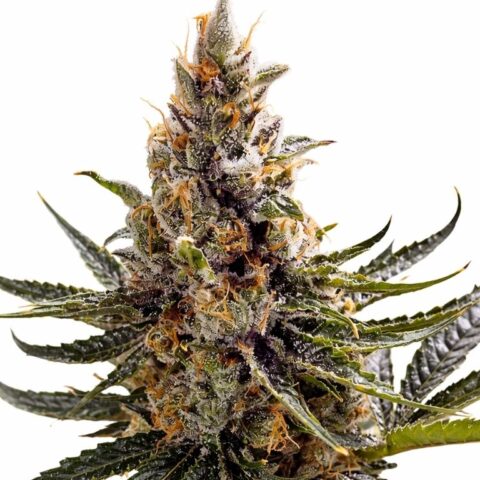
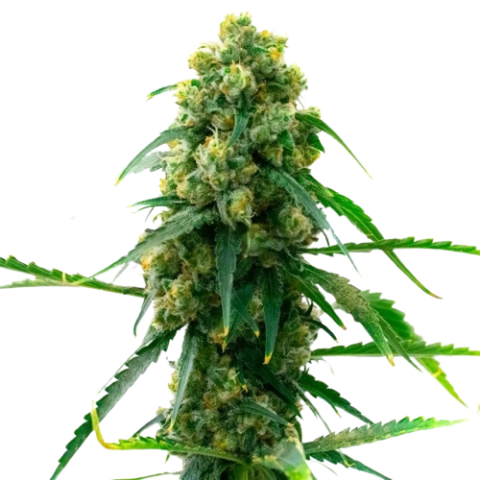
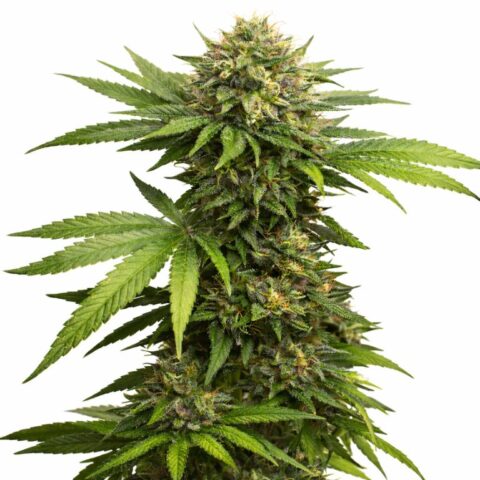
Cannabis Strains for Tourette Syndrome
-

$100 OG Cannabis Seeds
From: $24.99 -
24k Gold Cannabis Seeds
From: $24.99 -
3 Kings Cannabis Seeds
From: $24.99 -
303 OG Cannabis Seeds
From: $24.99