
Medical Cannabis Taxation vs. Pharmaceutical Pricing: A Detailed Analysis of the Impacts on Medical Use
The conversation surrounding medical cannabis taxation versus pharmaceutical pricing is becoming increasingly relevant as more countries and states adopt frameworks to legalize cannabis for medical use. At the intersection of healthcare policy, economics, and patient access, the comparison of these two systems offers critical insights into how pricing, taxation, and regulation affect the affordability, accessibility, and development of medical therapies. While medical cannabis products and pharmaceutical drugs serve overlapping yet distinct purposes, their pricing structures and tax implications are starkly different. This analysis will explore the economic, ethical, and clinical dimensions of these contrasting systems, emphasizing their impacts on patients seeking therapeutic options.
Medical Cannabis Taxation: An Overview
Medical cannabis is typically taxed differently than pharmaceutical drugs. While pharmaceuticals are often exempt from sales taxes due to their essential status in healthcare systems, medical cannabis is frequently treated as a taxable commodity. Even in jurisdictions where medical cannabis is legalized, it is often subject to excise taxes, sales taxes, or both, depending on local laws. These taxes can significantly inflate the cost of medical cannabis products for patients, even when those products are prescribed or recommended by healthcare providers.
One rationale for taxing medical cannabis is its hybrid identity. Unlike conventional pharmaceuticals, medical cannabis exists at the intersection of medicine, agriculture, and controlled substances. Governments may argue that taxation on cannabis compensates for the regulatory burdens of monitoring production, preventing diversion to illicit markets, and maintaining public safety. However, these arguments fail to consider the unique burdens placed on patients who rely on cannabis as a medical treatment.
Pharmaceutical Pricing and the Role of Patents

Pharmaceutical drugs follow a markedly different pricing model. The high cost of many prescription medications can often be attributed to the monopoly power granted to pharmaceutical companies through patents. These patents, which typically last for 20 years, allow companies to recoup their research and development (R&D) expenses by charging high prices during the exclusivity period. Although patents are intended to encourage innovation, they frequently result in excessive costs for necessary drugs, making them unaffordable for many people.
Unlike medical cannabis, pharmaceutical drugs are typically integrated into insurance frameworks. In countries with private insurance systems, these drugs are often covered under health plans, which can reduce out-of-pocket expenses for patients. In countries with public healthcare systems, the cost of pharmaceuticals is often subsidized by the government, making them more accessible. Despite these mechanisms, the base price of pharmaceuticals remains a contentious issue, with critics arguing that excessive profit motives outweigh the public good.
Accessibility Challenges: A Tale of Two Systems
The taxation of medical cannabis and the pricing of pharmaceuticals both create barriers to accessibility, albeit in different ways. For medical cannabis patients, taxes can make a substantial difference in affordability. In jurisdictions with high excise taxes, the cost of cannabis products can rival or exceed the cost of prescription medications. This creates a paradoxical situation where a potentially less expensive and natural alternative becomes financially burdensome.
On the pharmaceutical side, the primary barrier to access is the price set by manufacturers. Drugs for rare diseases, known as orphan drugs, can cost hundreds of thousands of dollars annually. Even for more common conditions, the price of new, patented drugs can be prohibitively high. While insurance can mitigate these costs to some extent, high drug prices contribute to increased premiums and healthcare expenditures overall.
Medical cannabis patients often lack the safety net provided by insurance. In many regions, medical cannabis is not covered by health insurance plans, leaving patients to bear the full cost. This disparity is particularly pronounced for low-income patients, who may struggle to afford either medical cannabis or pharmaceutical alternatives. The lack of insurance coverage for cannabis further amplifies the impact of taxation, creating a double burden for patients.
The Role of Regulation in Pricing

Regulation plays a central role in shaping the pricing dynamics of both medical cannabis and pharmaceuticals. In the pharmaceutical industry, regulation focuses on ensuring the safety, efficacy, and quality of drugs. This rigorous process involves preclinical studies, clinical trials, and post-market surveillance, all of which contribute to the high cost of drug development. According to estimates, it can cost upwards of $2.6 billion to bring a new drug to market. These costs are passed on to consumers, either directly through out-of-pocket payments or indirectly through insurance premiums.
In the medical cannabis industry, regulation is equally stringent but in different ways. Producers must comply with regulations governing cultivation, processing, distribution, and sales. These regulations are designed to ensure product safety and prevent misuse, but they also add to the cost of production. Unlike pharmaceutical companies, medical cannabis producers do not have the benefit of patent protections to recoup their investments. Instead, they must compete in a market that often includes both medical and recreational cannabis, further complicating pricing strategies.
The lack of a standardized regulatory framework for medical cannabis exacerbates these challenges. In some jurisdictions, medical cannabis is treated more like a controlled substance than a medicine, which limits the ability of producers to claim tax deductions for business expenses. This increases operational costs, which are ultimately passed on to patients. The disparity between the regulatory approaches to pharmaceuticals and medical cannabis highlights the need for more equitable policies that prioritize patient access.
Equity and Ethical Considerations
The ethical implications of medical cannabis taxation and pharmaceutical pricing cannot be ignored. Access to medical treatment is a fundamental human right, yet both systems create financial barriers that disproportionately affect vulnerable populations. Low-income patients, individuals with chronic illnesses, and those without comprehensive insurance coverage are often the most affected.
In the case of medical cannabis, taxation policies often fail to consider the financial realities of patients. For individuals with conditions such as epilepsy, chronic pain, or multiple sclerosis, cannabis may be the most effective treatment option. However, high taxes can force these patients to choose between their medication and other essential expenses. Some jurisdictions have introduced tax exemptions for medical cannabis, but these policies are not widespread.
Pharmaceutical pricing raises its own set of ethical concerns. The high cost of prescription drugs can lead to medication non-adherence, where patients skip doses or abandon treatment altogether due to financial constraints. This can have severe consequences for individual health and public health outcomes. Critics argue that the pharmaceutical industry’s profit-driven model is incompatible with the ethical principles of healthcare.
Comparing these two systems reveals a troubling commonality: both prioritize economic considerations over patient well-being. Whether through taxation or pricing strategies, the end result is the same—patients face unnecessary financial barriers to accessing essential treatments. Addressing these issues requires a shift in policy that places patient needs at the center of the discussion.
Insurance Coverage: A Critical Gap for Medical Cannabis
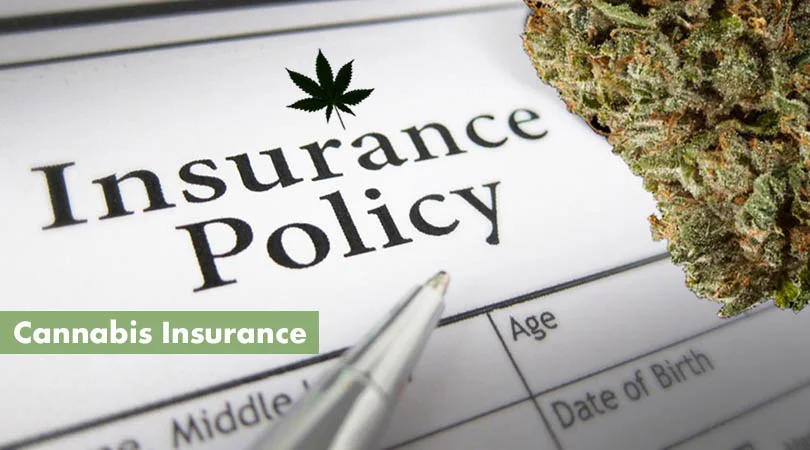
One of the most significant differences between medical cannabis and pharmaceuticals is the role of insurance. While most prescription drugs are covered by insurance plans, medical cannabis is often excluded. This exclusion reflects the ongoing stigma surrounding cannabis, as well as the lack of FDA approval for most cannabis-based products. Without insurance coverage, patients must pay for medical cannabis entirely out of pocket, which limits its accessibility.
The absence of insurance coverage for medical cannabis is particularly problematic for patients with chronic conditions. These individuals often require long-term treatment, which can be costly. The lack of coverage also places medical cannabis at a disadvantage compared to pharmaceuticals, even in cases where cannabis may be a safer or more effective option. Expanding insurance coverage for medical cannabis could significantly improve access, but this would require changes in both policy and perception.
The Impact of Federal Prohibition in the United States
In the United States, the federal prohibition of cannabis adds another layer of complexity to the issue of medical cannabis taxation. Under federal law, cannabis is classified as a Schedule I substance, which places it in the same category as heroin and LSD. This classification has far-reaching implications for taxation, banking, and research.
One of the most significant consequences of federal prohibition is the inability of cannabis businesses to claim standard tax deductions under Section 280E of the Internal Revenue Code. This provision, originally intended to target illegal drug traffickers, prevents cannabis businesses from deducting ordinary business expenses. As a result, effective tax rates for cannabis businesses can exceed 70%, driving up the cost of medical cannabis for patients.
Federal prohibition also limits the ability of researchers to study cannabis, which hinders the development of evidence-based treatment protocols. This creates a vicious cycle where the lack of research reinforces the stigma surrounding cannabis, which in turn limits its acceptance as a legitimate medical treatment. Addressing the federal status of cannabis is essential for creating a more equitable system for medical cannabis patients.
International Perspectives on Medical Cannabis and Pharmaceuticals
The challenges of medical cannabis taxation and pharmaceutical pricing are not unique to the United States. Around the world, countries are grappling with similar issues as they develop policies for medical cannabis and manage the high cost of pharmaceuticals.
In Canada, for example, medical cannabis is subject to both federal and provincial taxes, despite being legal for medical use since 2001. This has led to calls for tax exemptions for medical cannabis patients, similar to those in place for prescription drugs. In contrast, pharmaceuticals in Canada are subject to price controls, which help keep costs relatively low compared to the United States. However, even in Canada, high drug prices remain a concern for patients without insurance coverage.
In Europe, countries like Germany and the Netherlands have integrated medical cannabis into their healthcare systems, with insurance coverage available for certain conditions. This has improved access for patients, but challenges remain, particularly in ensuring a consistent supply of high-quality products. Pharmaceutical pricing in Europe is also subject to regulation, but disparities between countries can create cross-border access issues.
The global landscape underscores the need for a balanced approach that addresses both the affordability and accessibility of medical treatments. Lessons from other countries can inform policy changes in the United States and elsewhere, helping to create a more equitable system for all patients.
Moving Toward a Patient-Centered Approach
The comparison between medical cannabis taxation and pharmaceutical pricing highlights the need for a more patient-centered approach to healthcare policy. Both systems have significant shortcomings that limit access to essential treatments, particularly for vulnerable populations. Addressing these issues requires a multifaceted strategy that includes regulatory reform, tax policy adjustments, and expanded insurance coverage.
For medical cannabis, tax exemptions for patients with valid medical recommendations could alleviate some of the financial burden. Policymakers should also consider the broader economic benefits of medical cannabis, such as reduced reliance on opioids and other pharmaceuticals, when designing tax policies. Expanding insurance coverage for medical cannabis would further improve access and help level the playing field with pharmaceuticals.
For pharmaceuticals, reforms are needed to address the high cost of drugs. This could include measures such as allowing Medicare to negotiate drug prices, capping out-of-pocket expenses for patients, and promoting the use of generic drugs. Transparency in drug pricing and increased competition in the pharmaceutical industry could also help reduce costs.
Ultimately, the goal should be to create a healthcare system that prioritizes patient needs over profits. Whether through taxation policies, pricing strategies, or insurance coverage, the focus should be on ensuring that all patients have access to the treatments they need to lead healthy, productive lives.
Restrictions on Using Specific Cannabis Strains in the Medical Field and THC Monitoring

In the medical field, the use of cannabis is often restricted to ensure that its application is limited to legitimate therapeutic purposes. Certain cannabis strains with high THC levels, the compound responsible for psychoactive effects, are particularly regulated when used for medical purposes. Many healthcare systems stipulate that cannabis-based treatments should only be prescribed as a last resort, meaning all other conventional therapies must first be exhausted. This approach minimizes over-reliance on cannabis and ensures that its use is targeted for patients with conditions unresponsive to traditional medications, such as severe epilepsy, chronic pain, or multiple sclerosis.
To safeguard patients from the potential psychoactive effects of THC, stringent regulations require precise monitoring and standardization of THC levels in cannabis-based medications. By capping THC concentrations or favoring high-CBD, low-THC formulations, regulators can ensure that medical cannabis provides therapeutic benefits without impairing cognition or causing euphoria. For example, CBD-dominant strains with minimal THC are often preferred in pediatric epilepsy treatments, as they have demonstrated efficacy without significant psychoactive side effects.
Moreover, the production and dispensing of medical cannabis are closely supervised to prevent misuse or diversion into recreational markets. Physicians prescribing medical cannabis must often adhere to strict protocols, including frequent patient assessments and detailed documentation of outcomes. This monitoring process ensures that the use of cannabis remains focused on its medical efficacy and does not inadvertently introduce risks of dependency or adverse psychological effects.
Conclusion
The comparison between medical cannabis taxation and pharmaceutical pricing highlights profound disparities in how healthcare systems treat alternative and traditional therapies. Medical cannabis, despite its proven efficacy for numerous conditions such as chronic pain, epilepsy, and multiple sclerosis, often faces financial barriers due to excessive taxation. These tariffs, coupled with the lack of insurance coverage in most jurisdictions, make it difficult for many patients, particularly those from low-income backgrounds, to access this form of treatment. This financial strain limits the availability of a potentially life-changing therapy for those who need it most.
In contrast, pharmaceutical drugs, while integrated into insurance frameworks and exempt from taxation, present their own accessibility challenges due to exorbitant pricing. These high costs are driven by monopoly-driven patents and the significant expenses associated with research and development. Although insurance coverage helps mitigate the financial burden for some, many individuals still face challenges affording essential medications, especially in regions with inadequate insurance systems. Both systems, despite their differing approaches, create significant barriers to patient access and place considerable financial strain on individuals seeking effective medical treatments.
Regulatory challenges further exacerbate these issues. Medical cannabis is often treated more like a controlled substance than a medicine, leading to operational cost increases for producers and higher prices for patients. Meanwhile, pharmaceuticals undergo a rigorous regulatory process that inflates development costs but ensures safety and efficacy, contributing to high drug prices. These disparities emphasize the need for balanced regulations that enable both therapies to be accessible and affordable. Addressing these regulatory imbalances could help reduce costs without compromising safety.
Ethical considerations also demand attention, as both systems disproportionately affect vulnerable populations. Low-income individuals, uninsured patients, and those with chronic illnesses are often unable to access either affordable medical cannabis or high-priced pharmaceuticals. This underscores the importance of patient-centered policies that prioritize affordability and equitable access. Expanding insurance coverage for medical cannabis, offering tax exemptions for legitimate medical use, and implementing pricing controls on pharmaceuticals could significantly alleviate these burdens.
Lastly, the monitoring of THC levels in medical cannabis is essential to prevent unwanted psychoactive effects, ensuring that cannabis-based treatments remain therapeutic and safe. By restricting its use to cases where all other treatments have failed, medical cannabis can be incorporated responsibly into healthcare systems.
In conclusion, bridging the gaps between medical cannabis taxation and pharmaceutical pricing requires systemic reforms. By addressing these inequities and regulatory shortcomings, healthcare systems can ensure that all patients, regardless of their financial situation or therapeutic needs, have access to safe, effective, and affordable treatment options.
