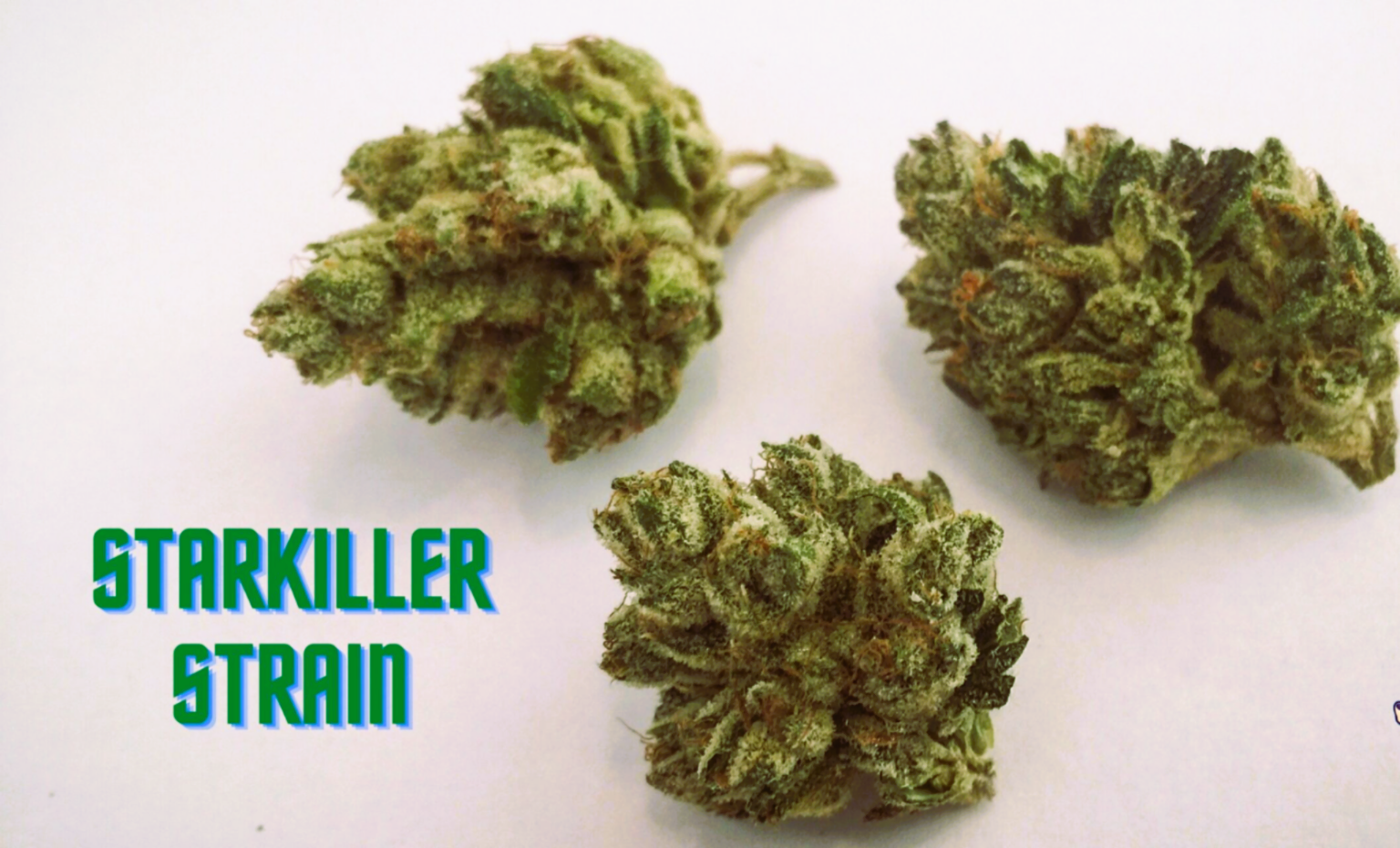
Cannabis Strain Analysis: Starkiller
-
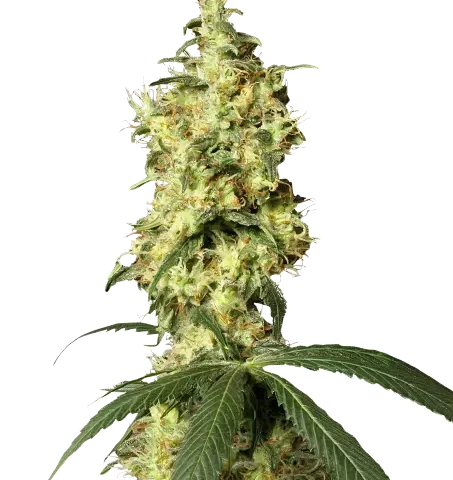 Star Killer Cannabis SeedsFrom: $24.99
1. Introduction
Starkiller, a name that resonates with power and potency, is a remarkable cannabis strain that has gained significant attention in the medical cannabis community. Developed by Rare Dankness, a renowned cannabis breeding company, Starkiller is an indica-dominant hybrid that combines the genetics of two powerful strains: Skywalker OG and Rare Dankness #2. With its rich lineage and impressive chemical profile, Starkiller has become a sought-after strain for those seeking relief from various medical conditions. This analysis will focus on Starkiller’s potential as a therapeutic agent by delving into its history, chemical makeup, medicinal uses, and ideal growing conditions.
2. Origins of Starkiller
2.1. Breeding Background
Starkiller’s origins are rooted in the expertise of Rare Dankness, a cannabis breeding company known for creating high-quality strains with exceptional medical properties. The strain is a cross between Skywalker OG, a potent indica-dominant hybrid, and Rare Dankness #2, another indica-dominant strain known for its relaxing effects. Renowned for its potent sedative qualities, Skywalker OG, a hybrid of Skywalker and OG Kush, is a great option for people who are experiencing pain, insomnia, or stress. Rare Dankness #2, on the other hand, is a product of combining Ghost OG and Rare Dankness #1, resulting in a strain with a unique terpene profile and potent effects.
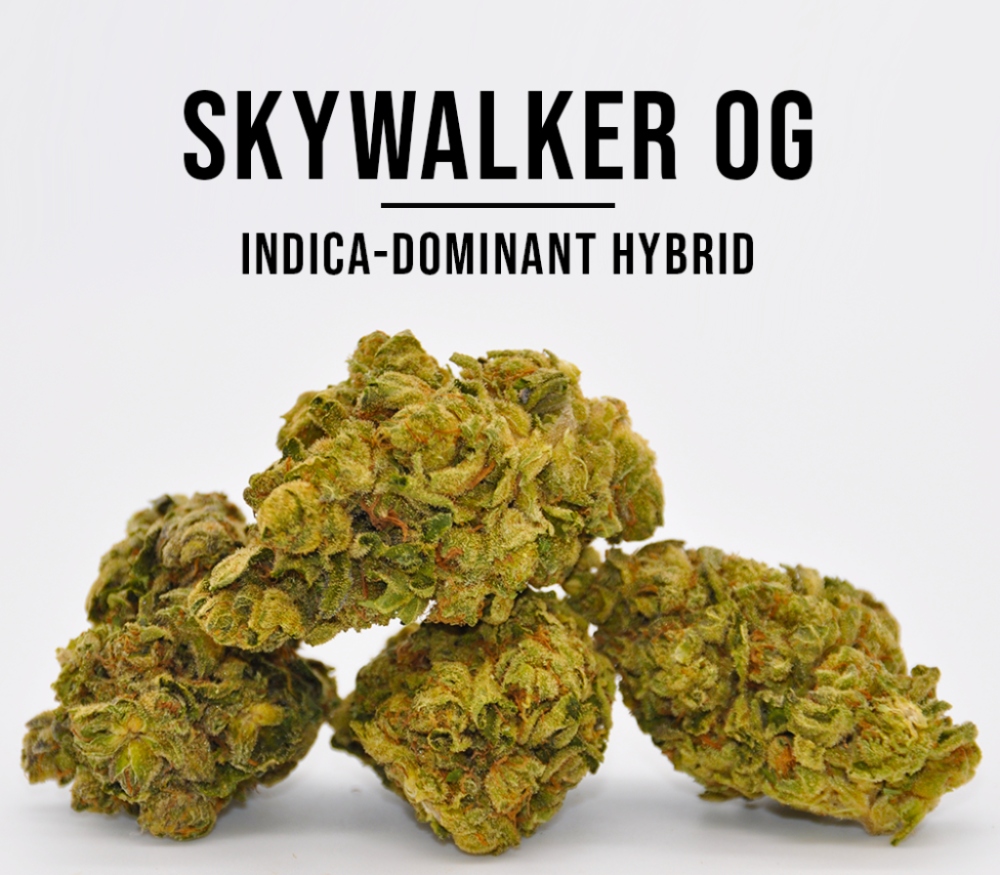
The combination of these two parent strains has resulted in Starkiller, a strain that embodies the best characteristics of both its predecessors. Starkiller inherits the potent sedative effects of Skywalker OG and the unique terpene profile of Rare Dankness #2, making it a powerful therapeutic option for patients with various medical conditions.
2.2. Genetic Composition
Starkiller is an indica-dominant hybrid with a genetic composition of approximately 70% indica and 30% sativa. This genetic makeup is responsible for its deeply relaxing and sedative effects, which are characteristic of indica strains. The sativa component, though less dominant, contributes to a balanced experience, preventing the strain from being overwhelmingly sedative. The careful balance between indica and sativa genetics in Starkiller allows it to provide both physical and mental relief, making it suitable for a wide range of medical applications.
3. Chemical Profile

3.1. Cannabinoid Content
Starkiller is renowned for its high cannabinoid content, particularly its high THC levels. On average, Starkiller contains THC levels ranging from 20% to 29%, making it one of the more potent strains available in the medical cannabis market. The high THC content is responsible for the strain’s strong psychoactive effects, which can induce a deep sense of relaxation and euphoria. However, it’s important to note that Starkiller’s high THC levels also make it a strain that should be used with caution, particularly for patients who are sensitive to THC or new to cannabis.
In addition to THC, Starkiller also contains trace amounts of other cannabinoids, including CBD, CBG, and CBN. Despite their lesser quantities, these cannabinoids support the strain’s overall medicinal effects. Particularly CBD is well-known for its analgesic and anti-inflammatory qualities, which work in tandem with THC’s effects to maximize Starkiller’s potential as a pain-relieving strain.
3.2. Terpene Profile
Terpenes play a crucial role in defining the aroma, flavor, and therapeutic effects of a cannabis strain. Starkiller boasts a rich and diverse terpene profile that enhances its medical benefits. The dominant terpenes in Starkiller include myrcene, limonene, and caryophyllene.
- Myrcene: One of the most prevalent terpenes in cannabis, myrcene is distinguished by its earthy, musky scent. It has strong sedative properties and is believed to enhance the effects of THC, making it a key component of Starkiller’s relaxing effects. Myrcene also has anti-inflammatory and analgesic properties, making it beneficial for patients dealing with pain and inflammation.
- Limonene: Limonene is a citrus-scented terpene commonly found in citrus fruits and certain cannabis strains. It has uplifting and mood-enhancing effects, which can help counteract the sedative effects of myrcene, providing a more balanced experience. Limonene also has anti-anxiety and antidepressant properties, making it a valuable component of Starkiller’s therapeutic profile.
- Caryophyllene: Caryophyllene is a spicy, peppery terpene found in black pepper, cloves, and some cannabis strains. It has unique properties as it can bind to CB2 receptors in the endocannabinoid system, providing anti-inflammatory and analgesic effects. Caryophyllene’s ability to interact with the endocannabinoid system makes it an important terpene in Starkiller, particularly for patients seeking relief from chronic pain and inflammation.
Other terpenes present in Starkiller, though in smaller concentrations, include pinene, linalool, and humulene. These terpenes contribute to the strain’s complex aroma and flavor profile while also enhancing its overall therapeutic effects.
4. Medical Benefits

Starkiller’s combination of high THC levels, diverse cannabinoid content, and rich terpene profile makes it a powerful strain for medical use. Below, we explore the various medical benefits of Starkiller, focusing on its potential to alleviate a wide range of symptoms and conditions.
4.1. Pain Relief
One of the most prominent medical applications of Starkiller is its ability to provide effective pain relief. The strain’s high THC content, coupled with the analgesic properties of myrcene and caryophyllene, makes it an ideal choice for patients dealing with chronic pain conditions such as arthritis, fibromyalgia, and neuropathy. Starkiller’s potent effects can help reduce the perception of pain, allowing patients to experience relief and improved quality of life.
In addition to its analgesic properties, Starkiller’s anti-inflammatory effects make it beneficial for conditions characterized by inflammation, such as rheumatoid arthritis and Crohn’s disease. The combination of pain relief and anti-inflammatory properties makes Starkiller a versatile strain for patients dealing with a variety of pain-related conditions.
4.2. Insomnia and Sleep Disorders
Starkiller’s indica-dominant genetics and high myrcene content make it a highly effective strain for treating insomnia and other sleep disorders. The strain’s sedative effects can help patients fall asleep faster and stay asleep longer, providing much-needed rest for those dealing with sleep disturbances. Myrcene’s ability to enhance the effects of THC further contributes to Starkiller’s effectiveness as a sleep aid, making it a popular choice for patients who struggle with insomnia due to pain, stress, or anxiety.
Patients who use Starkiller for sleep disorders often report a deep sense of relaxation and tranquility, which can help ease the mind and body before bed. The strain’s ability to promote restful sleep makes it a valuable tool for patients seeking to improve their sleep hygiene and overall well-being.
4.3. Anxiety and Stress Relief
Although some people may experience increased anxiety when using high-THC strains, Starkiller’s balanced terpene profile helps reduce this risk. A more peaceful and well-balanced experience is facilitated by the presence of limonene, a terpene recognized for its ability to improve mood and reduce anxiety. Starkiller may provide assistance to patients suffering from anxiety, stress, or mood disorders since the strain can ease tenseness and encourage serenity.
However, it’s important for patients with a history of anxiety to approach Starkiller with caution, as its high THC content can be overwhelming for some individuals. Starting with a low dose and gradually increasing as needed can help mitigate any potential anxiety-inducing effects.
4.4. Appetite Stimulation
THC is known for its ability to stimulate appetite, and Starkiller is no exception. Patients dealing with conditions that cause loss of appetite, such as cancer, HIV/AIDS, or eating disorders, may benefit from Starkiller’s appetite-stimulating effects. Patients receiving chemotherapy or other therapies that induce nausea and appetite loss may find special benefit from the strain’s propensity to increase appetite.
Starkiller’s combination of appetite stimulation and nausea relief makes it a valuable strain for patients seeking to maintain a healthy diet and nutrition during illness or treatment. The strain’s effects can help patients regain their appetite, allowing them to consume the necessary nutrients to support their recovery.
4.5. Muscle Spasms and Spasticity
Starkiller’s muscle-relaxing properties make it an effective strain for treating muscle spasms and spasticity, conditions often associated with multiple sclerosis, cerebral palsy, and other neurological disorders. The strain’s high THC content, combined with the muscle-relaxing effects of myrcene and caryophyllene, can help reduce the frequency and severity of muscle spasms, providing relief for patients with these conditions.
Patients with spasticity may find that Starkiller helps ease muscle stiffness and improve mobility, allowing them to engage in daily activities with greater ease. The strain’s ability to provide muscle relaxation without causing excessive sedation makes it a valuable option for patients seeking relief from spasticity.
4.6. PTSD and Trauma-Related Disorders
Post-traumatic stress disorder (PTSD) and other trauma-related disorders can significantly impact a patient’s quality of life, leading to symptoms such as anxiety, nightmares, and flashbacks. Starkiller’s calming and sedative effects make it a potential option for patients seeking relief from PTSD symptoms. The strain’s ability to promote relaxation and reduce anxiety can help patients manage the psychological symptoms associated with trauma, allowing them to regain a sense of control and well-being.
It’s important to note that while Starkiller may provide relief for PTSD symptoms, it should be used under the guidance of a healthcare professional, particularly for patients with a history of anxiety or panic attacks. The strain’s high THC content can be overwhelming for some individuals, so starting with a low dose and closely monitoring the effects is recommended.
5. Growing Conditions
Starkiller is a relatively versatile strain that can be grown both indoors and outdoors, making it accessible to a wide range of cultivators. However, like all cannabis strains, Starkiller has specific growing requirements that must be met to ensure optimal yield and potency. We go over the important things to think about when growing Starkiller below.
5.1. Indoor Growing
Indoor culture, where farmers have more control over environmental parameters like temperature, humidity, and light, is a good fit for starkiller. The strain is reasonably fast-growing for indoor growers, usually needing 8 to 10 weeks for flowering.
- Temperature: Starkiller thrives in a stable temperature range of 70°F to 80°F (21°C to 27°C) during the day, with slightly cooler temperatures at night. Maintaining consistent temperatures within this range will help ensure healthy growth and optimal bud development.
- Humidity: During the vegetative stage, Starkiller prefers a humidity level of around 60%. As the plant enters the flowering stage, humidity levels should be gradually reduced to around 40% to prevent mold and mildew formation on the dense buds. Proper ventilation and air circulation are also essential to prevent humidity-related issues.
- Light: During the vegetative stage, Starkiller benefits from a regular light cycle consisting of 18 hours of light and 6 hours of darkness. To promote bud production during the flowering stage, the light cycle should be changed to 12 hours of light and 12 hours of darkness. For best results, use LED grow lights or high-intensity discharge (HID) lights.
- Nutrients: Starkiller, like other indica-dominant strains, has a moderate nutrient requirement. It is advised to use a balanced nutrition solution with a higher nitrogen concentration during the vegetative stage. Higher amounts of potassium and phosphorus should be added to the nutrient solution as the plant enters the flowering stage in order to promote bud development.
- Training Techniques: Indoor growers can use training techniques such as topping, low-stress training (LST), and the Screen of Green (SCROG) method to maximize yield and encourage even canopy development. These techniques can help ensure that light penetrates evenly across the plant, promoting the growth of large, resinous buds.
5.2. Outdoor Growing
Starkiller can also be successfully grown outdoors, particularly in climates with warm, sunny conditions. The strain’s robust genetics make it resistant to common pests and diseases, making it a suitable choice for outdoor cultivation.
- Climate: Starkiller thrives in a Mediterranean-like climate with warm temperatures and plenty of sunlight. The ideal temperature range for outdoor cultivation is between 70°F and 85°F (21°C to 29°C). In regions with cooler temperatures, growers may need to use greenhouses or other protective measures to extend the growing season.
- Soil: Starkiller prefers well-draining soil rich in organic matter. Soil with a slightly acidic to neutral pH (between 6.0 and 7.0) is ideal for healthy growth. Outdoor growers should also ensure that the soil is properly aerated and free from compacted layers that could hinder root development.
- Watering: Consistent watering is essential for outdoor Starkiller plants, particularly during hot and dry periods. Overwatering, however, has to be avoided as it can result in root rot and other problems with moisture. Drip irrigation systems or soaker hoses can help maintain consistent soil moisture levels without oversaturating the soil.
- Harvesting: Depending on the particular growing conditions, starkiller usually achieves maturity and is available for harvest in late September or early October. The best time to harvest should be determined by outdoor producers by keeping an eye on the trichomes, or resin glands, on the buds. The buds are most potent when the majority of the trichomes are milky white with a few amber ones.
5.3. Yield and Potency
Starkiller is known for its impressive yield potential, particularly when grown under optimal conditions. While outdoor plants can yield up to 18 ounces or more per plant, indoor producers should anticipate yields of between 14 to 18 ounces per square meter. The strain is well-liked for creating concentrates and extracts due to its high resin production.
In terms of potency, Starkiller consistently tests at THC levels between 20% and 29%, making it one of the more potent strains available for medical use. The strain’s high cannabinoid and terpene content contribute to its powerful therapeutic effects, making it a valuable option for patients seeking relief from a wide range of medical conditions.
Restrictions on Using Starkiller in the Medical Field
Starkiller, with its high THC content, offers substantial medical benefits, particularly for patients suffering from severe pain, insomnia, and anxiety. However, its potent psychoactive properties can also present challenges, especially in medical settings where minimizing psychoactive effects is crucial. This section outlines the restrictions and considerations for using Starkiller in the medical field, particularly as a last resort, and strategies for monitoring THC levels in medications to prevent unwanted psychoactive effects on patients.
Use as a Last Resort
Starkiller’s high THC levels, while beneficial for certain medical conditions, also make it a strain that should be used cautiously, especially in clinical settings. For many patients, particularly those who are new to cannabis or sensitive to THC, starting with lower-THC strains or CBD-dominant strains is often recommended. Starkiller may be considered as a last-resort option in the following scenarios:
- Treatment-Resistant Conditions: Starkiller may be considered when patients have not responded adequately to other treatments, including lower-THC cannabis strains, CBD-dominant strains, or conventional pharmaceuticals. Conditions like chronic pain, severe insomnia, or treatment-resistant anxiety might warrant the use of a potent strain like Starkiller when other options have failed.
- Severe Pain and Inflammation: Patients with severe, debilitating pain, such as that caused by cancer, multiple sclerosis, or fibromyalgia, may benefit from Starkiller when other pain management strategies have proven insufficient. The strain’s strong sedative and analgesic effects make it a potential last-resort option for these patients.
- Palliative Care: In palliative care settings, where the primary goal is to alleviate suffering and improve quality of life, Starkiller may be used to manage symptoms like severe pain, insomnia, and anxiety. In these cases, the potential psychoactive effects may be deemed acceptable if they contribute to overall comfort and symptom relief.
Monitoring THC Levels in Medications
Given Starkiller’s high THC content, careful monitoring of THC levels in medical formulations is essential to prevent unwanted psychoactive effects in patients. The following strategies can be employed to manage and mitigate the psychoactive impact while still leveraging the strain’s therapeutic benefits:
- Low-Dose Formulations: One approach is to create low-dose formulations of Starkiller-based medications. By carefully controlling the dosage, healthcare providers can minimize the psychoactive effects while still providing therapeutic relief. For example, microdosing, which involves taking very small amounts of THC throughout the day, can offer symptom relief without significant intoxication.
- CBD/THC Ratio Adjustment: Combining Starkiller with CBD-rich strains or pure CBD extracts can help balance the psychoactive effects of THC. It has been demonstrated that CBD can offset some of the euphoric effects of THC, giving patients a more balanced and controllable experience. Medications with a balanced CBD/THC ratio are often more suitable for patients who require the therapeutic benefits of THC but are sensitive to its psychoactive effects.
- Titration and Monitoring: Titration, or the process of gradually adjusting the dose to find the minimum effective dose, is a key strategy in managing the psychoactive effects of THC. Patients can start with a very low dose and gradually increase it under medical supervision until the desired therapeutic effects are achieved with minimal psychoactivity. Regular monitoring and follow-up are essential to ensure that patients are responding well to the treatment and that any psychoactive effects are within acceptable limits.
- Alternative Delivery Methods: The method of administration can also influence the psychoactive effects of THC. For example, topical applications of cannabis, such as creams and balms, allow cannabinoids to be absorbed through the skin without entering the bloodstream in significant amounts, thereby reducing the risk of psychoactive effects. Similarly, sublingual tinctures or sprays can provide more controlled dosing compared to inhalation methods.
- Patient Education and Informed Consent: Ensuring that patients are fully informed about the potential psychoactive effects of Starkiller and the strategies to manage these effects is crucial. Patients should be made aware of the importance of starting with a low dose, the potential for psychoactive experiences, and the need for close monitoring. Informed consent is a critical component of using high-THC strains in medical treatment, particularly when used as a last resort.
Regulatory Considerations
The use of high-THC strains like Starkiller in the medical field is subject to regulatory oversight in many jurisdictions. Healthcare professionals are required to abide by the following local laws and rules regarding the use of medical cannabis:
- Prescription Guidelines: In many regions, medical cannabis, particularly high-THC strains, can only be prescribed by a licensed healthcare provider. Prescribers may be required to document the patient’s condition, previous treatment attempts, and rationale for prescribing a high-THC strain like Starkiller as a last resort.
- Patient Eligibility: Not all patients may be eligible for high-THC medical cannabis. Regulations often specify which conditions qualify for treatment with medical cannabis, and additional criteria may apply for the use of potent strains like Starkiller. Healthcare providers must ensure that their patients meet these eligibility requirements.
- Dispensing and Dosing Limits: Some jurisdictions impose limits on the amount of THC that can be dispensed in medical cannabis products. Providers must be aware of these limits and ensure that prescribed doses do not exceed the legal thresholds. Dosing guidelines may also be in place to prevent over-prescription of high-THC strains.
- Monitoring and Reporting: In some regions, healthcare providers may be required to monitor patients closely and report outcomes when using high-THC strains like Starkiller. This monitoring may include tracking the effectiveness of the treatment, any adverse effects, and the patient’s overall response to the medication.
Conclusion
Starkiller is a formidable cannabis strain that has earned its place in the medical cannabis community due to its powerful therapeutic properties. With a rich genetic lineage, a diverse chemical profile, and a wide range of medical benefits, Starkiller is an ideal choice for patients seeking relief from chronic pain, insomnia, anxiety, and other medical conditions. Its versatility in both indoor and outdoor cultivation also makes it accessible to a wide range of growers, further contributing to its popularity.
As with all cannabis strains, it’s important for patients to consult with a healthcare professional before using Starkiller, particularly if they have a history of anxiety or are new to cannabis. With proper use and dosing, Starkiller has the potential to provide significant relief and improve the quality of life for patients dealing with various medical conditions.
