Cannabis Strain Analysis: Snow White
-
 Snow White Cannabis SeedsFrom: $24.99
Introduction
Since ancient times, cannabis has been utilized for a variety of medical conditions, with many strains having particular medical advantages. One such strain is Snow White, a hybrid with a rich lineage and a reputation for its medical efficacy. In this comprehensive analysis, we will explore the origins, chemical profile, medical benefits, and growing conditions of Snow White, focusing solely on its medicinal use and excluding any recreational aspects or consumption methods.
Origins of Snow White
Genetic Lineage
Snow White is a hybrid strain with a well-known and respected genetic lineage. It is a cross between White Widow, a strain famous for its potent effects and high resin production, and an Indica-dominant strain, which is often identified as Northern Lights. The combination of these two strains gives Snow White its unique characteristics, making it a balanced hybrid with a slight Indica dominance.
White Widow: White Widow is one of the most iconic cannabis strains, known for its high resin content and balanced effects. It originated in the Netherlands and quickly became a favorite among breeders due to its potent effects and the dense coating of trichomes that give it a “white” appearance, hence the name. White Widow’s genetic background includes a Brazilian Sativa landrace and a resin-heavy South Indian Indica, making it a balanced hybrid that leans slightly toward the Sativa side.

Northern Lights: Northern Lights is a classic Indica strain that has won numerous awards for its powerful effects and easy-growing nature. It is believed to have originated from Afghan landraces, giving it a strong Indica profile. Northern Lights is known for its relaxing and sedative properties, making it a popular choice for patients seeking relief from chronic pain, insomnia, and stress.

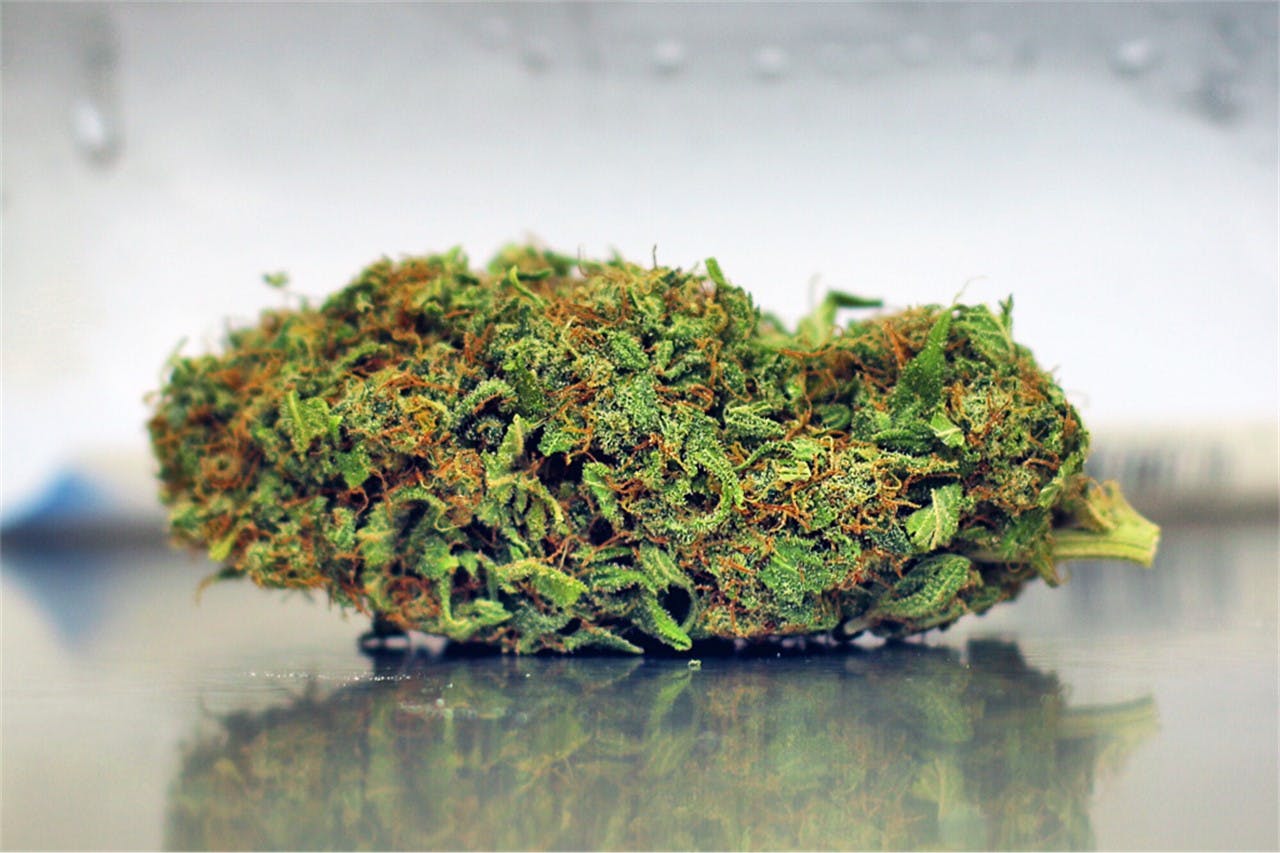
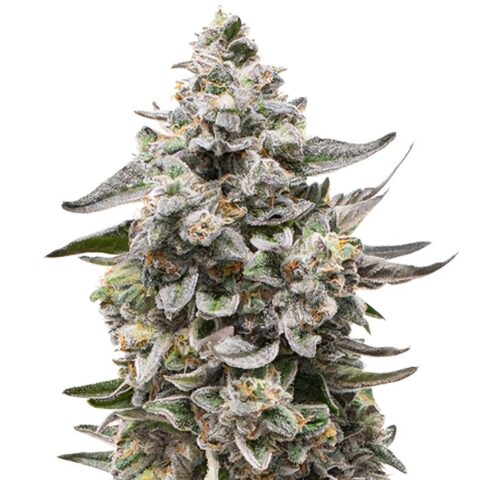
Snow White’s Characteristics: The combination of these two legendary strains results in Snow White’s unique profile. The strain typically exhibits a dense structure, characteristic of its Indica heritage, with thick buds covered in a frosty layer of trichomes. The plant’s growth pattern and appearance are influenced by both parents, with the robust resin production from White Widow and the sturdy, compact structure of Northern Lights.
Chemical Profile of Snow White
Cannabinoid Content
The chemical profile of Snow White is a key factor in its medical effectiveness. This strain’s many medicinal advantages can be explained by an understanding of the terpenes and cannabinoids it contains.
THC Content: Snow White typically has a moderate to high THC content, ranging between 18% and 22%. THC (tetrahydrocannabinol) is the primary psychoactive component of cannabis, but in medical use, it is valued for its analgesic, anti-inflammatory, and antiemetic properties. The balanced effects of Snow White’s THC content make it effective for treating a variety of conditions without causing excessive sedation or anxiety, which can be a concern with higher THC levels.
CBD Content: Snow White generally has low CBD (cannabidiol) content, often less than 1%. While CBD is non-psychoactive and known for its wide range of medical benefits, Snow White’s therapeutic effects are primarily attributed to its THC content and the synergistic effects of other cannabinoids and terpenes. However, the low CBD content does not diminish its effectiveness for conditions like pain, inflammation, and muscle spasms, where THC plays a more central role.
Terpene Profile
Terpenes are aromatic chemicals present in cannabis that enhance the flavor, aroma, and medicinal qualities of the strain. The terpene profile of Snow White is diverse and plays a crucial role in its medical efficacy.
Myrcene: Myrcene is one of the most prevalent terpenes in Snow White, contributing to its earthy and herbal aroma. Myrcene is known for its sedative and muscle-relaxing properties, which complement the strain’s Indica effects. This terpene enhances the strain’s ability to provide relief from pain, muscle spasms, and insomnia.
Pinene: Pinene is another significant terpene in Snow White, known for its pine-like aroma. Patients with respiratory disorders like asthma can benefit from pinene’s anti-inflammatory and bronchodilator qualities. It also has potential cognitive-enhancing effects, which can counterbalance the short-term memory impairment sometimes associated with high-THC strains.
Caryophyllene: Caryophyllene, known for its spicy and peppery aroma, is a terpene with notable anti-inflammatory and analgesic properties. It is also unique because it can interact with CB2 receptors in the endocannabinoid system, contributing to its potential as an anti-inflammatory and pain-relieving agent.
Limonene: Limonene is a citrus-scented terpene found in smaller quantities in Snow White. It has mood-enhancing and anti-anxiety properties, making it useful for patients dealing with stress and depression. Limonene also has potential anti-inflammatory and antifungal effects.
Humulene: Humulene, with its earthy and woody aroma, is another terpene present in Snow White. It is known for its appetite-suppressing properties and anti-inflammatory effects, which can be beneficial for patients looking to manage inflammation without the side effect of increased hunger.
Terpinolene: Although found in smaller quantities, terpinolene contributes to Snow White’s complex aroma with its floral and citrus notes. It has potential antioxidant and sedative properties, which may enhance the strain’s overall calming effects.
Medical Benefits of Snow White
The combination of cannabinoids and terpenes in Snow White makes it a versatile strain for medical use. Below, we explore the various conditions that Snow White can help alleviate, focusing on its therapeutic applications.
Pain Relief
One of the primary medical benefits of Snow White is its effectiveness in pain management. The strain’s moderate to high THC content, combined with the analgesic properties of terpenes like caryophyllene and myrcene, makes it a potent option for patients suffering from chronic pain conditions.
Chronic Pain: Patients with conditions such as fibromyalgia, arthritis, and neuropathic pain can find relief with Snow White. The strain’s THC content helps to modulate pain signals in the central nervous system, while the anti-inflammatory properties of its terpenes reduce the underlying inflammation that often exacerbates chronic pain.
Muscle Spasms and Cramps: Snow White is also effective for treating muscle spasms and cramps, conditions commonly associated with multiple sclerosis, spinal cord injuries, and other neurological disorders. The muscle-relaxing effects of myrcene, combined with THC’s ability to reduce muscle spasticity, provide significant relief for patients.
Anxiety and Depression
While THC is often associated with the potential to induce anxiety in some individuals, the balanced cannabinoid and terpene profile of Snow White can actually be beneficial for managing anxiety and depression in certain patients.
Anxiety Relief: The presence of limonene and pinene in Snow White contributes to its potential anti-anxiety effects. Particularly limonene is well-known for its upbeat and mood-improving qualities, which can aid in reducing the signs and symptoms of sadness and anxiety. The possible cognitive benefits of pinene may also help patients overcome the “brain fog” that some anxiety sufferers encounter.
Depression: Patients suffering from depression may find Snow White’s mood-enhancing effects beneficial. The combination of limonene, pinene, and THC can help to elevate mood, increase energy levels, and reduce feelings of hopelessness and despair. However, it’s important to note that the strain’s effects can vary depending on the individual’s response to THC.
Insomnia
Snow White’s Indica dominance and myrcene content make it an effective strain for treating insomnia and other sleep-related disorders. Myrcene’s sedative properties help to promote relaxation and sleep, making it easier for patients to fall asleep and stay asleep throughout the night.
Sleep Disorders: Patients with sleep disorders such as insomnia, restless leg syndrome, and sleep apnea can benefit from the strain’s calming effects. Snow White’s ability to relax both the mind and body helps to create the ideal conditions for restful sleep, without the risk of grogginess or a “hangover” effect the next day.
Inflammation
The anti-inflammatory properties of Snow White’s cannabinoids and terpenes make it a valuable option for patients dealing with inflammatory conditions. Numerous chronic illnesses, such as multiple sclerosis, Crohn’s disease, and arthritis, have inflammation as an underlying cause.
Arthritis: Patients with arthritis can benefit from Snow White’s ability to reduce inflammation and alleviate pain. The combination of caryophyllene’s interaction with CB2 receptors and THC’s analgesic effects provides comprehensive relief from the pain and stiffness associated with arthritis.
Inflammatory Bowel Disease (IBD): Snow White may also be effective for managing symptoms of inflammatory bowel diseases like Crohn’s disease and ulcerative colitis. The strain’s anti-inflammatory properties can help to reduce inflammation in the gastrointestinal tract, while its analgesic effects alleviate abdominal pain and cramping.
Neurological Disorders
Snow White’s balanced effects make it a suitable option for patients with various neurological disorders. The strain’s ability to manage pain, reduce muscle spasms, and promote relaxation can be beneficial for conditions like multiple sclerosis, epilepsy, and Parkinson’s disease.
Multiple Sclerosis: Patients with multiple sclerosis (MS) often experience muscle spasticity, pain, and fatigue. Snow White’s muscle-relaxing properties, combined with its ability to alleviate pain and promote restful sleep, make it a valuable strain for managing MS symptoms.
Epilepsy: While CBD is often highlighted for its anticonvulsant properties, some patients with epilepsy may benefit from the balanced effects of Snow White. The strain’s THC content, in combination with its terpenes, may help to reduce the frequency and severity of seizures in some individuals. However, it’s important to note that the use of THC-rich strains for epilepsy should be approached with caution and under medical supervision.
Parkinson’s Disease: Snow White’s ability to reduce muscle tremors and stiffness can be beneficial for patients with Parkinson’s disease. The strain’s relaxing effects may help to alleviate some of the motor symptoms associated with the disease, improving the patient’s quality of life.
When considering the use of Snow White as a last-resort medical treatment, specific restrictions and precautions must be observed to ensure patient safety and minimize psychoactive effects:
1. Regulatory and Legal Restrictions
- Last-Resort Use: In many jurisdictions, high-THC cannabis strains like Snow White are only permitted when other conventional treatments have failed. Physicians must document the ineffectiveness of other therapies before prescribing this strain.
- Legal Compliance: The use of high-THC strains is subject to local regulations. Medical professionals must adhere to these laws, ensuring that Snow White is prescribed only within legal boundaries and for approved medical conditions.
2. THC Level Monitoring
- Psychoactive Effects: To reduce the risk of psychoactive effects, the THC content in medical formulations should be strictly monitored. Lower THC concentrations may be necessary, especially for patients sensitive to its effects.
- Dosage Control: Precise dosing is critical. Starting with the lowest effective dose and gradually adjusting as needed can help manage symptoms while minimizing psychoactive side effects.
- THC/CBD Ratios: Incorporating CBD, which can counteract some of THC’s psychoactive properties, may be beneficial. Medications should be formulated with an appropriate THC to CBD ratio to balance efficacy and reduce adverse effects.
3. Patient Monitoring
- Close Monitoring: Patients using Snow White should be closely monitored for any adverse reactions, including anxiety, paranoia, or cognitive impairment. Regular assessments can help adjust the treatment plan to ensure safety.
- Individualized Treatment: Each patient’s response to THC varies. Treatment should be personalized, with adjustments based on tolerance, medical history, and response to the medication.
4. Alternative Options
- Non-Psychoactive Alternatives: Before resorting to high-THC strains, consider non-psychoactive alternatives, such as CBD-dominant strains, to avoid the potential for psychoactive effects entirely.
Growing Conditions for Snow White

Understanding the growing conditions for Snow White is essential for cultivating the strain successfully, especially for medical use. The strain’s genetic background influences its growth patterns, making it suitable for both indoor and outdoor cultivation.
Climate Requirements
Snow White is a versatile strain that can be grown in a variety of climates, but it thrives best in temperate to warm conditions. The strain’s Indica dominance makes it more resilient to colder temperatures, but it still prefers a stable environment with plenty of light and moderate humidity.
Indoor Growing: Indoor cultivation is ideal for Snow White, as it allows for precise control over environmental factors such as temperature, humidity, and light. The strain typically requires a temperature range of 70-80°F (21-27°C) during the day and slightly cooler temperatures at night. Maintaining a relative humidity level of 40-50% during the vegetative stage and 30-40% during the flowering stage helps to prevent mold and mildew, which can be a concern due to the strain’s dense bud structure.
Outdoor Growing: Snow White can also be grown outdoors in climates that provide consistent warmth and sunlight. The strain prefers a Mediterranean climate with long, sunny days and moderate humidity. In regions with cooler or shorter growing seasons, starting the plants indoors and transplanting them outside after the last frost can help to ensure a successful harvest.
Soil and Nutrient Requirements
Snow White is a relatively low-maintenance strain when it comes to soil and nutrients, but providing the right conditions can significantly impact the quality and yield of the harvest.
Soil: Snow White thrives in well-draining, nutrient-rich soil with a slightly acidic to neutral pH level (6.0-7.0). Organic soil mixtures with added compost or worm castings can provide the essential nutrients needed for healthy growth. Proper aeration of the soil is also important to ensure that the roots receive adequate oxygen.
Nutrients: During the vegetative stage, Snow White benefits from a balanced nutrient regimen with a focus on nitrogen, phosphorus, and potassium (NPK). As the plants transition into the flowering stage, reducing nitrogen levels and increasing phosphorus and potassium levels will support bud development and resin production. Micronutrients such as calcium, magnesium, and iron are also important for preventing nutrient deficiencies and promoting overall plant health.
Growth Cycle and Harvesting
Understanding the growth cycle and proper harvesting techniques is crucial for maximizing Snow White’s medical potential. The strain’s growth patterns are influenced by its hybrid genetics, resulting in a relatively short flowering time and high resin production.
Vegetative Stage: Snow White plants will concentrate on growing robust roots and foliage during the vegetative stage. Depending on the ideal plant size and growing conditions, this period usually lasts 4-6 weeks. Providing adequate light (18-24 hours of light per day), nutrients, and water is essential for healthy growth.
Flowering Stage: Snow White has a relatively short flowering period, typically lasting 8-10 weeks. During this stage, the plants will begin to develop dense, resinous buds covered in a frosty layer of trichomes. Reducing the light cycle to 12 hours of light and 12 hours of darkness per day will trigger the flowering process. Monitoring the plants closely during this stage is important to prevent mold and mildew, especially in high-humidity environments.
Harvesting: To optimize Snow White’s medicinal properties, harvesting it at the appropriate time is essential. When most of the trichomes have reached a milky white color, it’s time to harvest; a few amber trichomes indicate peak potency. While harvesting too late can result in higher drowsiness, harvesting too early can impair potency and therapeutic effects.
Post-Harvest Processing: After harvesting, proper drying and curing of the buds are essential for preserving Snow White’s cannabinoid and terpene profile. Drying the buds slowly in a dark, well-ventilated area with a temperature of 60-70°F (15-21°C) and humidity levels of 45-55% will help to prevent mold and preserve the strain’s flavor and potency. Once dried, curing the buds in airtight containers for 2-4 weeks will further enhance the strain’s aroma, flavor, and therapeutic effects.
Conclusion
Snow White is a versatile and potent hybrid strain with a rich genetic lineage and a well-balanced chemical profile. Its combination of THC and terpenes such as myrcene, pinene, and caryophyllene makes it an effective option for a wide range of medical conditions, including chronic pain, anxiety, depression, insomnia, inflammation, and neurological disorders.
The strain’s robust growing characteristics make it suitable for both indoor and outdoor cultivation, and with proper care, it can produce high yields of resinous, therapeutic buds. Whether used to manage chronic pain, reduce inflammation, or promote restful sleep, Snow White offers a reliable and effective option for patients seeking relief from various medical conditions. By focusing on its medical benefits and growing conditions, this analysis highlights the strain’s potential as a valuable tool in the realm of medical cannabis.
