
Cannabis Strain Analysis: Red Dwarf
-
Product on sale
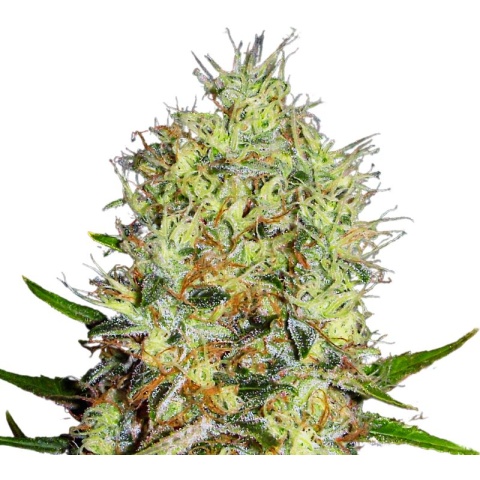 Red Dwarf Cannabis SeedsFrom:
$24.99$19.99
Introduction
Cannabis has been a plant of significant medical value for centuries, with different strains offering unique benefits due to their distinct chemical profiles. One such strain is Red Dwarf, an autoflowering hybrid known for its compact size and fast growth cycle, making it ideal for both novice and experienced cultivators. In this analysis, we will delve deeply into the origins, chemical profile, medical benefits, and growing conditions of Red Dwarf, emphasizing its use in medical applications while excluding any discussion on recreational use and consumption methods.
Origins of Red Dwarf
Genetic Lineage
Red Dwarf is an autoflowering strain that is the result of careful breeding, combining the genetics of two well-known strains: White Dwarf and a Skunk variety. The autoflowering trait, which allows the plant to flower based on age rather than light cycles, was inherited from White Dwarf, a strain known for its stability and robustness. The Skunk lineage contributes to Red Dwarf’s unique aroma and chemical profile.
- White Dwarf: White Dwarf is an autoflowering strain that has gained popularity for its resilience and rapid growth. It is known for its compact stature and dense buds, which are ideal for discreet cultivation. The strain’s origins are somewhat mysterious, but it is generally believed to be a cross between two ruderalis-dominant autoflowering varieties. The ruderalis genes ensure the autoflowering characteristic, making it an excellent choice for growers looking for a strain that requires minimal maintenance.

- Skunk: The Skunk lineage in Red Dwarf’s genetics brings a distinct flavor and aroma, as well as a potent chemical profile. Skunk strains are historically significant in the cannabis world, known for their strong smell and balanced effects. The Skunk genes contribute to the overall potency and yield of Red Dwarf, while also adding a layer of complexity to its therapeutic effects.
Development and Breeding Goals
The development of Red Dwarf was aimed at creating a strain that could thrive in a variety of environments while maintaining a small, manageable size. This makes it particularly appealing to medical cannabis patients who may be growing their own plants in limited spaces, such as indoor setups or small outdoor gardens. The breeders focused on stabilizing the strain to ensure consistent growth patterns and a reliable chemical profile, making Red Dwarf a dependable option for those seeking specific medical benefits.
- Autoflowering Trait: The autoflowering characteristic of Red Dwarf is one of its most defining features. This trait is derived from the ruderalis lineage, which allows the plant to flower automatically after a certain period, regardless of light cycles. For medical cannabis patients, this means a quicker turnaround from seed to harvest, providing faster access to the plant’s therapeutic properties.
- Compact Size: Red Dwarf’s compact size was a key breeding goal, making it ideal for discreet cultivation. This feature is particularly beneficial for patients who need to grow their medicine in small spaces or those who live in areas with strict cultivation laws. The plant typically reaches a height of 40-60 cm, making it easy to manage and conceal if necessary.
- Stability and Consistency: Breeders also focused on stabilizing Red Dwarf’s genetics to ensure that each plant would exhibit consistent growth patterns, potency, and chemical composition. This consistency is crucial for medical use, as patients rely on predictable effects to manage their symptoms effectively.
Chemical Profile
Cannabinoid Composition
The chemical profile of Red Dwarf is rich in cannabinoids, the active compounds in cannabis that interact with the body’s endocannabinoid system to produce a range of therapeutic effects. The primary cannabinoids in Red Dwarf are THC (tetrahydrocannabinol) and CBD (cannabidiol), with THC being the dominant compound.
- THC (Tetrahydrocannabinol): The main psychoactive ingredient in cannabis, THC, is what gives users the “high” after using marijuana. THC, meanwhile, is essential for regulating mood, stimulating appetite, and relieving pain in medical applications. Red Dwarf typically contains THC levels ranging from 15% to 20%, depending on growing conditions. This moderate THC content makes it effective for managing chronic pain, insomnia, and anxiety without being overwhelmingly potent.
- CBD (Cannabidiol): CBD is a non-psychoactive cannabinoid known for its anti-inflammatory, analgesic, and anti-anxiety properties. Although Red Dwarf is not particularly high in CBD, it does contain small amounts that contribute to its overall therapeutic profile. The presence of CBD helps to balance the psychoactive effects of THC, making the strain more suitable for patients who need relief without strong psychoactive effects.
- Minor Cannabinoids: In addition to THC and CBD, Red Dwarf contains trace amounts of other cannabinoids, such as CBG (cannabigerol) and CBN (cannabinol). These minor cannabinoids may not be present in high concentrations, but they still contribute to the entourage effect, enhancing the overall therapeutic potential of the strain.
Terpene Profile
Terpenes are fragrant substances present in cannabis that enhance its flavor, aroma, and medicinal qualities. Red Dwarf’s terpene profile is dominated by myrcene, caryophyllene, and limonene, each of which plays a role in its medical efficacy.
- Myrcene: Myrcene is the most abundant terpene in Red Dwarf, contributing to its earthy, musky aroma. Myrcene is known for its sedative and muscle-relaxing properties, making it particularly useful for patients dealing with chronic pain, muscle spasms, and insomnia. It also enhances the permeability of cell membranes, allowing cannabinoids to be absorbed more effectively.
- Caryophyllene: Caryophyllene is a spicy, peppery terpene that has anti-inflammatory and analgesic properties. It is unique among terpenes because it can interact directly with the body’s CB2 receptors, which are primarily involved in immune system regulation and inflammation. This makes caryophyllene a valuable component of Red Dwarf’s therapeutic effects, particularly for patients with inflammatory conditions such as arthritis or autoimmune diseases.
- Limonene: The citrus-scented terpene limonene is well-known for its mood-boosting and elevating properties. It is a good complement to Red Dwarf’s overall profile because it has been demonstrated to lessen tension and anxiety. For patients dealing with anxiety or depression, the presence of limonene can provide much-needed relief while also complementing the strain’s other therapeutic effects.
- Other Terpenes: While myrcene, caryophyllene, and limonene are the dominant terpenes in Red Dwarf, the strain also contains small amounts of other terpenes such as pinene and linalool. Pinene has bronchodilator and anti-inflammatory properties, while linalool is known for its calming and anxiolytic effects. Together, these terpenes contribute to the overall therapeutic synergy of Red Dwarf.
Flavonoids and Other Compounds
In addition to cannabinoids and terpenes, Red Dwarf also contains flavonoids, which are plant compounds that contribute to the color, flavor, and potential health benefits of cannabis. Flavonoids like quercetin, kaempferol, and cannflavins have antioxidant, anti-inflammatory, and neuroprotective properties, adding another layer of therapeutic potential to Red Dwarf.
- Quercetin: One flavonoid with strong antioxidant qualities is quercetin. It helps to neutralize free radicals in the body, reducing oxidative stress and inflammation. Patients who suffer from long-term illnesses like neurological diseases or cardiovascular disease may find this especially helpful.
- Kaempferol: Kaempferol is another flavonoid with anti-inflammatory and anticancer properties. It has been shown to inhibit the growth of cancer cells in laboratory studies, making it a promising compound for further research in cannabis-based cancer treatments.
- Cannflavins: Cannflavins are a group of flavonoids unique to cannabis that have potent anti-inflammatory effects. Cannflavin A, in particular, has been shown to be more effective than aspirin at reducing inflammation, making it a valuable component of Red Dwarf’s therapeutic profile.
Medical Benefits

Pain Relief
Red Dwarf’s chemical composition makes it an effective strain for managing various types of pain, including chronic pain, neuropathic pain, and inflammatory pain. The combination of THC, caryophyllene, and myrcene provides a synergistic effect that helps to reduce pain perception and alleviate discomfort.
- Chronic Pain: Patients with chronic pain conditions such as fibromyalgia, arthritis, or lower back pain can benefit from Red Dwarf’s analgesic properties. The moderate THC content helps to reduce the sensation of pain, while the anti-inflammatory effects of caryophyllene and myrcene address the underlying inflammation that often accompanies chronic pain.
- Neuropathic Pain: Neuropathic pain, which results from nerve damage or dysfunction, can be particularly challenging to treat with conventional medications. Red Dwarf’s ability to interact with both CB1 and CB2 receptors in the nervous system allows it to modulate pain signals and provide relief for patients with conditions like multiple sclerosis, diabetic neuropathy, or sciatica.
- Inflammatory Pain: Inflammatory conditions such as rheumatoid arthritis or Crohn’s disease often involve significant pain due to tissue inflammation. Red Dwarf’s anti-inflammatory compounds, including caryophyllene and cannflavins, help to reduce inflammation and alleviate pain associated with these conditions.
Anxiety and Stress Relief
The terpene profile of Red Dwarf, particularly its limonene content, makes it an effective strain for managing anxiety and stress. Limonene’s mood-enhancing properties, combined with the calming effects of myrcene and linalool, create a balanced experience that can help patients with anxiety disorders or stress-related conditions.
- Generalized Anxiety Disorder (GAD): Patients with GAD often experience chronic anxiety that can interfere with daily life. Red Dwarf’s combination of anxiolytic terpenes and cannabinoids can help to reduce anxiety levels, providing a sense of calm and relaxation without overwhelming psychoactive effects.
- Stress Management: Prolonged stress can have detrimental effects on one’s health, such as reduced immunity, mental health issues, and cardiovascular disease. Red Dwarf’s stress-relieving properties make it a valuable tool for patients looking to manage stress naturally. The presence of limonene helps to elevate mood, while myrcene and linalool promote relaxation and reduce tension.
- Sleep Disorders: Many patients with anxiety or stress-related conditions also struggle with sleep disorders such as insomnia. Red Dwarf’s sedative effects, largely due to its myrcene content, can help to improve sleep quality by promoting relaxation and reducing the time it takes to fall asleep. This makes it an excellent choice for patients who need relief from both anxiety and insomnia.
Anti-Inflammatory Effects
Numerous chronic illnesses, such as autoimmune diseases, inflammatory bowel disease, and arthritis, share inflammation as an underlying cause. Red Dwarf’s anti-inflammatory properties make it a valuable strain for managing these conditions and reducing the symptoms associated with inflammation.
- Arthritis: Patients with arthritis, particularly rheumatoid arthritis, often experience significant pain and swelling in their joints due to inflammation. Red Dwarf’s combination of caryophyllene, cannflavins, and other anti-inflammatory compounds helps to reduce inflammation and alleviate joint pain, improving mobility and quality of life.
- Inflammatory Bowel Disease (IBD): IBD, which encompasses ailments including ulcerative colitis and Crohn’s disease, is characterized by persistent inflammation of the gastrointestinal tract. Red Dwarf’s anti-inflammatory effects can help to reduce the severity of symptoms such as abdominal pain, diarrhea, and fatigue, providing relief for patients with these debilitating conditions.
- Autoimmune Diseases: When the immune system of the body unintentionally targets its own tissues, it can result in autoimmune illnesses, which cause tissue damage and persistent inflammation. Red Dwarf’s ability to modulate the immune response through its interaction with CB2 receptors makes it a promising option for patients with autoimmune conditions such as lupus or multiple sclerosis.
Mood Disorders
In addition to its anxiety-relieving effects, Red Dwarf also has potential benefits for patients with mood disorders such as depression and bipolar disorder. The strain’s terpene profile, particularly its limonene content, contributes to its mood-enhancing properties, making it a natural option for managing mood fluctuations.
- Depression: A complicated mental health illness called depression is typified by enduring melancholy, hopelessness, and disinterest in activities. Red Dwarf’s mood-lifting effects can help to alleviate some of the symptoms of depression, providing patients with a sense of well-being and motivation. The presence of limonene, which has been shown to increase serotonin levels, is particularly beneficial for patients with depression.
- Bipolar Disorder: Patients with bipolar disorder experience extreme mood swings, ranging from manic episodes to depressive episodes. Red Dwarf’s balanced chemical profile can help to stabilize mood and reduce the severity of both manic and depressive symptoms. The strain’s calming effects can also help to prevent the onset of manic episodes by reducing anxiety and stress.
Neuroprotective Properties
The cannabinoids and terpenes found in Red Dwarf have neuroprotective properties, making the strain a potential option for patients with neurodegenerative disorders such as Alzheimer’s disease, Parkinson’s disease, and multiple sclerosis.
- Alzheimer’s Disease: Cognitive decline, memory loss, behavioral abnormalities, and a steady loss of brain cells are the hallmarks of Alzheimer’s disease. Red Dwarf’s neuroprotective properties, particularly its antioxidant and anti-inflammatory effects, may help to slow the progression of the disease and protect brain cells from further damage.
- Parkinson’s Disease: Parkinson’s disease is a neurological condition that impairs movement and can cause tremors, stiffness, and issues with balance and coordination. Red Dwarf’s ability to modulate the endocannabinoid system and reduce inflammation may help to alleviate some of the symptoms of Parkinson’s disease, improving motor function and quality of life.
- Multiple Sclerosis: An autoimmune condition called multiple sclerosis damages the central nervous system and causes a variety of symptoms, such as discomfort, stiffness in the muscles, and loss of cognitive function. Red Dwarf’s neuroprotective and anti-inflammatory effects make it a promising option for managing the symptoms of multiple sclerosis, providing relief and improving overall function.
Restrictions on Using Red Dwarf in the Medical Field as a Last Resort
Red Dwarf, while offering numerous therapeutic benefits, has certain limitations and restrictions when considered as a last-resort option in medical treatments. The primary concern is its THC content, which, although moderate, can produce psychoactive effects that may not be suitable for all patients, particularly those sensitive to THC or those requiring treatments that do not impair cognitive function.
- THC Content and Psychoactive Effects: The THC levels in Red Dwarf typically range between 15% and 20%. This concentration is sufficient to provide significant relief from symptoms like pain, anxiety, and inflammation but can also lead to psychoactive effects, including euphoria, altered perception, and potential anxiety in some individuals. For patients who must avoid any cognitive impairment, the use of Red Dwarf may be restricted or carefully monitored.
- Use as a Last Resort: Due to the potential for psychoactive effects, Red Dwarf might be reserved for cases where other non-psychoactive treatments, such as high-CBD strains or other medications, have proven ineffective. This is particularly important in patients who need to maintain clear cognitive function, such as those with occupations requiring alertness or those with mental health conditions that could be exacerbated by THC.
- Patient Monitoring and THC Regulation: When using Red Dwarf in a medical setting, it is crucial to closely monitor the patient’s response, especially regarding the psychoactive effects of THC. Medical professionals may need to adjust dosages or combine the strain with high-CBD products to mitigate THC’s effects. Regular assessment of the patient’s tolerance and reaction to THC is essential to ensure that the treatment remains therapeutic without causing unwanted side effects.
- Alternative Delivery Methods: To minimize psychoactive effects, patients might use Red Dwarf in a way that allows for controlled and lower doses of THC. For instance, microdosing or using topical applications where THC does not enter the bloodstream as readily could be alternatives. However, these methods may also reduce the overall efficacy for certain conditions.
Growing Conditions

Climate and Environment
Red Dwarf is an autoflowering strain that is well-suited to a variety of growing environments, making it an excellent choice for both indoor and outdoor cultivation. Its compact size and fast growth cycle make it particularly appealing to medical cannabis patients who may have limited space or need to grow their medicine quickly.
- Indoor Cultivation: Red Dwarf thrives in indoor environments, where growers can control factors such as light, temperature, and humidity. The strain’s compact size makes it ideal for small grow spaces, such as closets, tents, or small grow rooms. Red Dwarf typically requires 18-20 hours of light per day during its vegetative stage, followed by 12 hours of light per day during the flowering stage. It is advised to utilize LED grow lights to supply the complete spectrum of light required for healthy growth.
- Outdoor Cultivation: Red Dwarf can also be grown outdoors, particularly in warm, temperate climates. The strain’s autoflowering nature allows it to flower automatically based on age rather than light cycles, making it less dependent on seasonal changes. Red Dwarf is typically ready for harvest in 8-10 weeks from germination, making it a quick and convenient option for outdoor growers. The plant’s compact size also makes it easy to conceal in outdoor gardens, providing a level of discretion for medical cannabis patients.
- Climate Requirements: Red Dwarf is a resilient strain that can tolerate a range of temperatures, but it performs best in temperatures between 70-85°F (21-29°C). The strain is also relatively resistant to pests and mold, making it a low-maintenance option for both novice and experienced growers. However, it is important to monitor humidity levels, particularly during the flowering stage, to prevent mold and mildew from developing on the dense buds.
Soil and Nutrient Requirements
Red Dwarf is a strain that does well in a variety of soil types, but it performs best in well-draining, nutrient-rich soil. The use of organic soil and natural fertilizers is recommended to enhance the plant’s terpene and cannabinoid production, contributing to its overall therapeutic potential.
- Soil Composition: Red Dwarf thrives in soil that is rich in organic matter, such as compost or worm castings. A well-balanced soil mix that includes perlite or vermiculite can help to improve drainage and aeration, preventing waterlogged roots and promoting healthy root development.
- Nutrient Requirements: Like all cannabis plants, Red Dwarf requires a balanced supply of nutrients throughout its growth cycle. During the vegetative stage, the plant needs higher levels of nitrogen to support leaf and stem development. As the plant transitions to the flowering stage, the need for nitrogen decreases, and the demand for phosphorus and potassium increases to support bud formation and resin production. The use of organic fertilizers, such as fish emulsion, bone meal, or bat guano, is recommended to provide a slow-release source of nutrients that will benefit the plant throughout its life cycle.
- Watering and pH Management: Red Dwarf requires regular watering, but it is important to avoid overwatering, as this can lead to root rot and other issues. In order to avoid waterlogging, the soil should be given some time to dry out between irrigations. The ideal pH range for Red Dwarf is between 6.0 and 7.0, which allows the plant to absorb nutrients efficiently. Monitoring pH levels on a regular basis is advised to guarantee ideal development and growth.
Pest and Disease Management
Red Dwarf is a relatively resilient strain, but it is still susceptible to common cannabis pests and diseases. To guarantee a crop that is both healthy and productive, it is imperative to implement appropriate pest and disease management measures.
- Pests: Common pests that can affect Red Dwarf include spider mites, aphids, and whiteflies. Regular inspection of the plants is recommended to detect any signs of pest infestation early. The use of natural pest control methods, such as neem oil, insecticidal soap, or introducing beneficial insects like ladybugs, can help to keep pest populations under control without harming the plant or compromising its therapeutic properties.
- Diseases: Red Dwarf is also susceptible to fungal diseases such as powdery mildew and bud rot, particularly in high humidity environments. To prevent these issues, it is important to maintain proper airflow and ventilation in the growing area. The use of fans and dehumidifiers can help to reduce humidity levels and prevent the development of mold and mildew. Frequent trimming of lower branches and leaves can help increase airflow around the plant and minimize its susceptibility to disease.
- Preventative Measures: In addition to monitoring for pests and diseases, implementing preventative measures can help to protect the crop and ensure a successful harvest. This includes maintaining a clean growing environment, using sterilized tools and equipment, and avoiding over-fertilization, which can weaken the plant and make it more susceptible to pests and diseases.
Harvesting and Curing
The final stage of Red Dwarf’s growth cycle is the harvest, which typically occurs 8-10 weeks after germination. Proper harvesting and curing techniques are essential to preserve the strain’s chemical profile and maximize its therapeutic potential.
- Harvest Timing: The timing of the harvest is crucial to ensure that Red Dwarf reaches its full potency. When the buds have mostly gone milky white with a few amber trichomes remaining, it is ideal to harvest. When this happens, the plant is ready to be harvested since the cannabinoids have reached their peak levels. If harvested too late, it may have a more sedative effect, which some patients may not want, and harvesting too early can result in reduced potency.
- Curing Process: Cut the buds after harvesting, then hang them to dry in a place that is cool, dark, and well-ventilated. Depending on the area to be dried and the humidity levels, the drying process usually takes 7 to 10 days. After drying, the buds need to be stored in a cool, dark area to cure, sealed in airtight containers. Along with bringing down the harshness, the curing procedure enables the buds to fully express their taste and power. Extended periods of curing have the potential to augment the medicinal attributes of the strain, however it usually takes 2-4 weeks.
- Storage: Proper storage of the cured buds is essential to preserve their potency and flavor. To stop the terpenes and cannabinoids from deteriorating, the buds should be kept in cold, dark places and sealed containers, like glass jars. It’s critical to keep cannabis buds correctly to preserve their quality because exposure to light, heat, or humidity can deteriorate them and lessen their therapeutic value.
Conclusion
Red Dwarf is a versatile and resilient cannabis strain with a rich chemical profile that offers a wide range of medical benefits. Its origins as a cross between White Dwarf and Skunk give it a unique combination of autoflowering traits, compact size, and potent therapeutic effects. The strain’s balanced cannabinoid and terpene profile make it an effective option for managing conditions such as chronic pain, anxiety, stress, inflammation, mood disorders, and neurodegenerative diseases. Additionally, Red Dwarf’s ease of cultivation and adaptability to different growing environments make it an ideal choice for medical cannabis patients who need a reliable and low-maintenance strain to grow their own medicine.
By focusing on the medical applications of Red Dwarf and understanding its growth requirements, patients and growers can maximize the strain’s therapeutic potential and achieve optimal results. Whether grown indoors or outdoors, Red Dwarf provides a quick and convenient option for those seeking relief from a variety of health conditions, making it a valuable addition to the world of medical cannabis.

McCoy Turner
Good seeds