
Medical Cannabis Strain Analysis: Green Queen
-
Product on sale
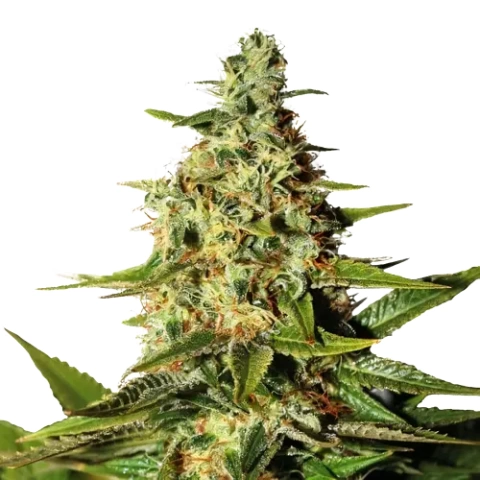 Green Queen Cannabis SeedsFrom:
$24.99$19.49
Introduction
Green Queen is a notable cannabis strain that has gained attention in the medical cannabis community due to its unique profile of cannabinoids and terpenes. Known for its balanced effects, Green Queen is often recommended for patients seeking relief from various conditions without the intense psychoactive effects associated with some other strains. This comprehensive analysis will delve into the origins of Green Queen, its chemical profile, medical benefits, and the optimal growing conditions necessary for cultivating this strain. The focus will be exclusively on its medical applications, excluding any recreational use and consumption methods.
Origins of Green Queen
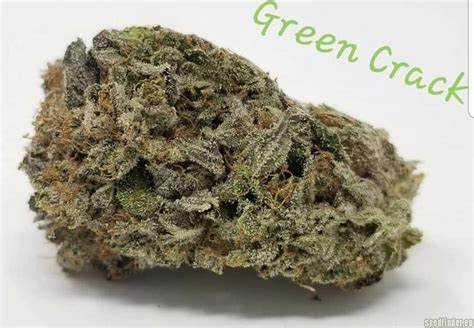
The origins of Green Queen lie in the crossbreeding of two well-known strains: Green Crack and Space Queen. The outcome of this hybridization is a strain that combines the greatest traits of both of its parent strains, providing a well-rounded experience that is especially helpful for medicinal users.
Green Crack, one of the parent strains, is famous for its energizing effects, making it a popular choice among patients dealing with fatigue and depression. It is a sativa-dominant strain with a lineage that includes Skunk #1, known for its invigorating effects and sharp, sweet, citrusy aroma.
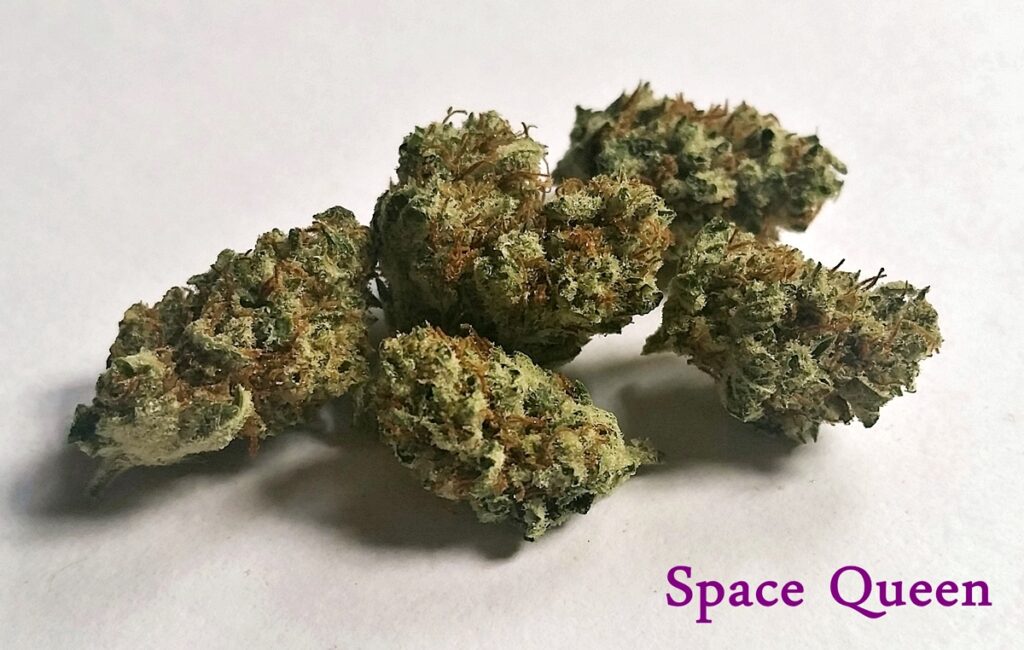
Space Queen, the other parent strain, is a balanced hybrid created by crossing Romulan and Cinderella 99. Space Queen is renowned for its uplifting and euphoric effects, which can help patients manage stress and anxiety. It also brings a sweet, fruity flavor to the mix, adding to the overall sensory experience.
The cross of these two potent strains resulted in Green Queen, a strain that offers a harmonious blend of their best characteristics. This balance is crucial for medical users who need both physical and mental relief without being overwhelmed by either sedation or stimulation.
Chemical Profile of Green Queen
Understanding the chemical profile of Green Queen is essential for appreciating its medical applications. The strain’s effectiveness in treating various medical conditions is largely due to its specific combination of cannabinoids, terpenes, and other phytochemicals.
Cannabinoid Profile
Green Queen has a balanced cannabinoid profile that typically includes moderate levels of THC and CBD. The specific ratios can vary depending on the phenotype and growing conditions, but the general profile is as follows:
- THC (Tetrahydrocannabinol): Green Queen usually has a THC content ranging from 15% to 20%. THC is the primary psychoactive compound in cannabis, but in medical use, it also plays a significant role in pain relief, anti-inflammation, and appetite stimulation. The moderate THC levels in Green Queen make it suitable for patients who need these therapeutic effects without the intense high associated with higher THC strains.
- CBD (Cannabidiol): CBD content in Green Queen is generally low to moderate, typically ranging between 0.5% and 2%. Although this might seem low compared to high-CBD strains, the presence of CBD helps to counterbalance the psychoactive effects of THC, providing a more controlled and manageable experience for patients. CBD is particularly known for its anti-inflammatory, anti-anxiety, and anti-seizure properties.
- Other Cannabinoids: Green Queen may also contain small amounts of other cannabinoids like CBG (Cannabigerol) and CBN (Cannabinol). CBG has been investigated for its potential to treat illnesses like glaucoma, inflammatory bowel disease, and bladder dysfunction. It is a precursor to both THC and CBD. Conversely, CBN is frequently linked to sedative effects and may be helpful for individuals with insomnia.
Terpene Profile
Terpenes play a crucial role in the therapeutic effects of cannabis strains, including Green Queen. These aromatic compounds not only give the strain its distinctive smell and taste but also contribute to its medical benefits through the entourage effect.
- Myrcene: Myrcene is the most abundant terpene in Green Queen, contributing to its earthy, musky aroma with hints of fruit. Myrcene is known for its sedative and muscle-relaxing properties, making it useful for patients with chronic pain and insomnia. Additionally, it has anti-inflammatory properties that may help with inflammatory illnesses and conditions including arthritis.
- Pinene: Green Queen also contains pinene, a notable terpene with a fresh, pine-like scent. It is known for its bronchodilator properties, which can help patients with asthma or other respiratory conditions. Additionally, pinene has anti-inflammatory and anti-bacterial effects, contributing to the strain’s overall therapeutic potential.
- Caryophyllene: Caryophyllene adds a spicy, peppery note to Green Queen’s flavor profile. This terpene is special because it has the ability to interact with the endocannabinoid system’s CB2 receptors, resulting in analgesic and anti-inflammatory benefits without being psychoactive. This makes it particularly useful for patients with conditions like arthritis, Crohn’s disease, and neuropathy.
- Limonene: Limonene, present in smaller amounts, gives Green Queen a citrusy undertone. It is known for its mood-enhancing and anti-anxiety properties, which can help patients with depression, anxiety, and stress-related disorders. Limonene also has anti-fungal and anti-bacterial properties, adding to the strain’s medical benefits.
- Linalool: Linalool, responsible for the floral and lavender-like aroma, is also found in Green Queen. It is known for its calming and anti-anxiety effects, making it helpful for patients dealing with anxiety, stress, and sleep disorders. Linalool also has analgesic and anti-epileptic properties, which can be beneficial for patients with chronic pain and seizure disorders.
Flavonoids and Other Compounds
In addition to cannabinoids and terpenes, Green Queen also contains flavonoids, which are responsible for the strain’s color and contribute to its overall antioxidant properties. These compounds work synergistically with cannabinoids and terpenes to enhance the therapeutic effects of the strain.
Medical Benefits of Green Queen

Green Queen’s balanced chemical profile makes it a versatile strain for medical use. Its effects can address a range of conditions, from chronic pain and inflammation to mood disorders and neurological conditions.
Pain Management
One of the primary medical uses of Green Queen is for pain management. The moderate THC levels, combined with the presence of myrcene and caryophyllene, provide potent analgesic effects that can help patients suffering from chronic pain conditions like:
- Arthritis: The anti-inflammatory properties of myrcene, caryophyllene, and CBD work together to reduce the inflammation associated with arthritis, while THC and other cannabinoids help to alleviate pain.
- Fibromyalgia: Patients with fibromyalgia often experience widespread pain and fatigue. Green Queen’s analgesic and muscle-relaxing properties can provide relief from the chronic pain associated with this condition.
- Neuropathy: The pain relief offered by Green Queen can be particularly beneficial for patients with neuropathy, a condition characterized by nerve damage and pain. The strain’s ability to modulate pain signals makes it a suitable option for managing this often debilitating condition.
Anti-Inflammatory Effects
The anti-inflammatory properties of Green Queen make it an effective option for treating various inflammatory conditions. The presence of CBD, caryophyllene, and myrcene contributes to the strain’s ability to reduce inflammation, which is beneficial for conditions such as:
- Crohn’s Disease: Patients with Crohn’s disease often suffer from inflammation of the digestive tract. Green Queen’s anti-inflammatory effects can help reduce this inflammation, providing relief from the symptoms associated with this condition.
- Irritable Bowel Syndrome (IBS): Similar to Crohn’s disease, IBS is characterized by inflammation in the gastrointestinal tract. The anti-inflammatory properties of Green Queen can help manage the symptoms of IBS, including pain, cramping, and bloating.
- Autoimmune Disorders: Rheumatoid arthritis and lupus are examples of conditions where the immune system attacks healthy tissues, causing pain and inflammation. Green Queen’s anti-inflammatory effects can help manage these symptoms, providing relief for patients with autoimmune disorders.
Mood and Anxiety Disorders
Green Queen’s balanced effects make it particularly useful for patients dealing with mood disorders and anxiety. The strain’s combination of terpenes and cannabinoids can help alleviate symptoms of:
- Anxiety: The presence of limonene, linalool, and moderate levels of THC provides a calming effect that can help reduce anxiety. Green Queen’s ability to promote relaxation without overwhelming sedation makes it a suitable option for patients with generalized anxiety disorder (GAD) or social anxiety disorder (SAD).
- Depression: The mood-enhancing effects of limonene and THC can help elevate mood and alleviate symptoms of depression. Patients with depressive disorders may find Green Queen helpful in managing their symptoms, particularly when combined with other therapeutic approaches.
- Post-Traumatic Stress Disorder (PTSD): PTSD is often associated with symptoms like anxiety, depression, and insomnia. Green Queen’s calming and mood-enhancing properties can help manage these symptoms, providing relief for patients with PTSD.
Neurological Disorders
Green Queen’s effects on the nervous system make it a potential option for treating various neurological disorders. The strain’s ability to modulate neurotransmitter activity can be beneficial for conditions such as:
- Epilepsy: The presence of CBD and other cannabinoids in Green Queen can help reduce the frequency and severity of seizures in patients with epilepsy. While not as potent as high-CBD strains specifically bred for seizure control, Green Queen can still provide a level of protection against seizures for some patients.
- Multiple Sclerosis (MS): MS is a neurodegenerative disorder characterized by muscle spasms, pain, and fatigue. Green Queen’s muscle-relaxing and analgesic properties can help manage these symptoms, providing relief for patients with MS.
- Parkinson’s Disease: Patients with Parkinson’s disease often experience tremors, muscle stiffness, and other motor symptoms. Green Queen’s effects on muscle relaxation and pain relief can help alleviate these symptoms, improving the quality of life for patients with this condition.
Sleep Disorders
Green Queen’s ability to promote relaxation without excessive sedation makes it an ideal option for patients with sleep disorders. The strain’s balanced effects can help manage conditions like:
- Insomnia: Patients with insomnia often have difficulty falling asleep or staying asleep. Green Queen’s calming effects can help promote relaxation and make it easier for patients to fall asleep. The presence of myrcene and linalool also contributes to the strain’s sedative properties, making it useful for managing sleep disorders.
- Sleep Apnea: While not a direct treatment for sleep apnea, Green Queen’s ability to relax the muscles and promote restful sleep can help alleviate some of the symptoms associated with this condition.
Appetite Stimulation
Green Queen can also be useful for patients experiencing appetite loss due to various medical conditions or treatments. The strain’s moderate THC content can stimulate appetite, making it beneficial for patients with conditions like:
- Cancer: Chemotherapy patients frequently feel queasy and lose their appetite. Due to Green Queen’s ability to stimulate appetite, patients may find it simpler to control these side effects and continue eating a healthy diet while undergoing treatment.
- HIV/AIDS: Appetite loss is a common symptom in patients with HIV/AIDS, often leading to weight loss and malnutrition. Green Queen’s ability to stimulate appetite can help these patients maintain a healthy weight and improve their overall quality of life.
- Eating Disorders: The appetite-stimulating properties of Green Queen may also be advantageous for patients suffering from eating problems like anorexia. The strain can aid patients in consuming the nutrients they need to be healthy by boosting appetite.
Restrictions on Using Green Queen in the Medical Field as a Last Resort
In the medical field, the use of cannabis strains like Green Queen is often subject to various restrictions and regulations, especially when considered as a last-resort treatment option. These restrictions are in place to ensure patient safety, particularly when it comes to the psychoactive effects of THC, which can be undesirable in certain medical contexts.
1. Legal and Regulatory Restrictions
- Approval for Medical Use: In many jurisdictions, cannabis strains like Green Queen can only be prescribed after conventional treatments have been tried and failed. This is often due to the need for extensive clinical evidence to support its efficacy and safety as a medical treatment. In regions where medical cannabis is legal, Green Queen may be classified as a Schedule II or III drug, requiring a special prescription from a licensed healthcare provider.
- Patient Eligibility: The use of Green Queen as a last resort is typically restricted to patients with specific qualifying conditions, such as chronic pain, epilepsy, or multiple sclerosis. Even then, it may only be recommended if the patient has not responded adequately to other approved treatments. Medical professionals must document the failure of other therapies before prescribing Green Queen.
- Prescription Guidelines: Healthcare providers must adhere to strict guidelines when prescribing Green Queen. This includes starting with the lowest effective dose to minimize potential side effects and gradually adjusting the dose based on the patient’s response. In some cases, the prescription of Green Queen may be limited to a certain duration, after which its continued use must be reassessed.
2. Monitoring THC Levels in Medications
THC’s intoxicating properties are one of the main issues with employing cannabis strains like Green Queen in medicine. While THC has therapeutic benefits, its psychoactive properties can be undesirable, particularly for patients who are sensitive to its effects or for those who need to maintain cognitive clarity.
Strategies for Monitoring and Controlling THC Levels
- THC Concentration Limits: In many jurisdictions, medical cannabis products are subject to THC concentration limits to reduce the risk of psychoactive effects. For example, products may be required to contain no more than a certain percentage of THC, ensuring that patients receive the therapeutic benefits without experiencing significant psychoactivity.
- Lab Testing and Quality Control: Medical cannabis products, including those derived from Green Queen, are typically subject to rigorous lab testing to ensure they meet safety and potency standards. This testing includes measuring the exact levels of THC and other cannabinoids to provide accurate dosing information. Regular batch testing helps maintain consistency and safety in the products dispensed to patients.
- Microdosing and Titration: To minimize the risk of psychoactive effects, healthcare providers may recommend microdosing—taking small, carefully measured doses of Green Queen throughout the day. This approach allows patients to benefit from the therapeutic effects while minimizing the potential for psychoactivity. Titration, or gradually increasing the dose, is also used to find the optimal balance between therapeutic effect and psychoactivity.
- Use of High-CBD, Low-THC Strains: In cases where THC’s psychoactive effects are a concern, healthcare providers may opt for high-CBD, low-THC strains of Green Queen. CBD can modulate the effects of THC, reducing its psychoactivity while still providing therapeutic benefits. This approach is particularly useful for patients who need symptom relief without cognitive impairment.
- Patient Monitoring and Education: Continuous monitoring of patients using Green Queen is essential, especially when used as a last resort. Healthcare providers must educate patients on the potential psychoactive effects and how to manage them. Regular follow-up appointments allow for the adjustment of the treatment plan, ensuring that the benefits of Green Queen outweigh any potential risks.
Specific Considerations for Vulnerable Populations
- Elderly Patients: Patients who are older tend to be more susceptible to THC’s intoxicating effects. Special care must be taken to monitor their response to Green Queen, including starting with very low doses and monitoring for signs of confusion, dizziness, or cognitive impairment.
- Pediatric Patients: The use of Green Queen in pediatric patients is highly restricted and typically considered only when other treatments have failed, such as in cases of severe epilepsy. In such cases, the focus is on minimizing THC exposure to avoid developmental and cognitive side effects. High-CBD formulations of Green Queen may be preferred for these patients.
- Patients with Mental Health Disorders: For patients with pre-existing mental health conditions, especially those prone to anxiety or psychosis, the use of Green Queen must be approached with caution. THC has the potential to exacerbate these conditions, so careful monitoring and the use of low-THC or THC-free alternatives may be necessary.
3. Ethical and Practical Considerations
- Informed Consent: Healthcare professionals must get the patient’s informed consent before prescribing Green Queen as a last-resort treatment. This involves explaining the potential risks and benefits, including the possibility of psychoactive effects. It is important for patients to understand exactly what to anticipate and how to handle any potential adverse effects.
- Access and Affordability: Even when Green Queen is approved for medical use, access to the strain can be limited by cost, availability, and legal restrictions. Patients may face challenges in obtaining a consistent supply of the strain, which can impact the effectiveness of their treatment.
- Stigma and Social Considerations: The use of cannabis in the medical field is still stigmatized in some areas, which can affect patient willingness to use Green Queen. Healthcare professionals need to address these issues and assist patients in choosing the best course of action.
Growing Conditions for Green Queen
Growing Green Queen requires a balance of environmental factors to maximize its yield and potency. This strain grows best under regulated conditions that emulate its native habitat, whether it is grown indoors or outdoors.
Indoor Growing
Indoor growing allows for precise control over the growing environment, making it possible to optimize conditions for Green Queen’s development.
- Light: At the vegetative stage, Green Queen requires 18–24 hours of light every day, whereas at the flowering stage, she requires 12 hours. The whole spectrum of light required by cannabis plants may be achieved with LED lights, which are also energy-efficient. The strain typically flowers in 8-10 weeks when grown indoors.
- Temperature: The ideal temperature range for Green Queen is between 70-80°F (21-27°C) during the day and slightly cooler at night. Consistent temperatures help the plants develop properly and prevent stress, which can lead to reduced yields or lower potency.
- Humidity: During the vegetative stage, Green Queen prefers a relative humidity of 40-60%. As the plants transition to the flowering stage, lowering the humidity to 30-40% helps prevent mold and mildew, which can be particularly problematic for dense buds.
- Soil and Nutrients: Green Queen benefits from well-draining soil rich in organic matter. A balanced nutrient regimen, including nitrogen during the vegetative stage and phosphorus and potassium during flowering, is essential for healthy growth. Organic fertilizers or compost can be used to provide the necessary nutrients without the risk of chemical buildup.
- Air Circulation: Proper air circulation is crucial to prevent mold and mildew, especially in the dense buds of Green Queen. Using fans to circulate air within the grow room helps maintain an even temperature and humidity level, ensuring healthy plant development.
Outdoor Growing
Green Queen can also be grown outdoors, particularly in climates that provide warm, sunny conditions.
- Climate: Green Queen prefers a Mediterranean climate, with long, warm summers and mild winters. The strain can tolerate some variation in temperature, but extreme conditions should be avoided.
- Sunlight: Outdoor plants should be placed in a location that receives full sunlight for most of the day. The more sunlight the plants receive, the more robust their growth and the higher the potential yield.
- Soil: Outdoor plants benefit from rich, loamy soil with good drainage. Preparing the soil with compost or organic matter before planting can provide the necessary nutrients for healthy growth. In areas with poor soil quality, raised beds or large containers filled with quality soil can be used.
- Watering: Green Queen requires regular watering, particularly during the hot summer months. However, it’s crucial to let the soil dry out a little bit in between waterings because overwatering can cause root rot and other problems.
- Pest and Disease Management: Plants kept outdoors are more vulnerable to pests and illnesses. Without using dangerous chemicals, plants can be protected by routine examination and the application of organic pest control techniques like neem oil or helpful insects.
Harvesting and Curing
Harvesting Green Queen at the right time is crucial to preserving its potency and therapeutic effects.
- Harvest Timing: The optimal time to harvest Green Queen is when the trichomes (resin glands) have turned a milky white color, with some amber-colored trichomes indicating peak potency. Harvesting too early or too late can result in lower potency or undesirable effects.
- Drying: The buds need to be dried in a dark, well-ventilated space with a temperature range of 60–70°F (15–21°C) and a humidity of 50–60% after being harvested. The flavor and potency of the buds must be preserved during this procedure, which typically takes seven to ten days.
- Curing: Once dried, the buds should be cured in airtight containers, such as glass jars, for at least 2-4 weeks.
Conclusion
Green Queen is a versatile medical cannabis strain with a balanced cannabinoid and terpene profile that offers a wide range of therapeutic benefits. Its origins from Green Crack and Space Queen provide it with a unique combination of effects that make it suitable for treating conditions such as chronic pain, inflammation, anxiety, and neurological disorders. The strain’s moderate THC levels, combined with the presence of CBD and various beneficial terpenes, ensure that it provides effective relief without overwhelming psychoactivity.
Growing Green Queen requires attention to detail, particularly in managing light, temperature, and humidity levels. Whether grown indoors or outdoors, this strain can thrive under the right conditions, providing a bountiful harvest of potent, medicinally beneficial buds.
Overall, Green Queen is an excellent choice for patients seeking a well-rounded strain that can address a variety of medical conditions while offering a pleasant, manageable experience. Its versatility and effectiveness make it a valuable addition to the medical cannabis landscape, providing patients with a natural option for managing their health and well-being.
