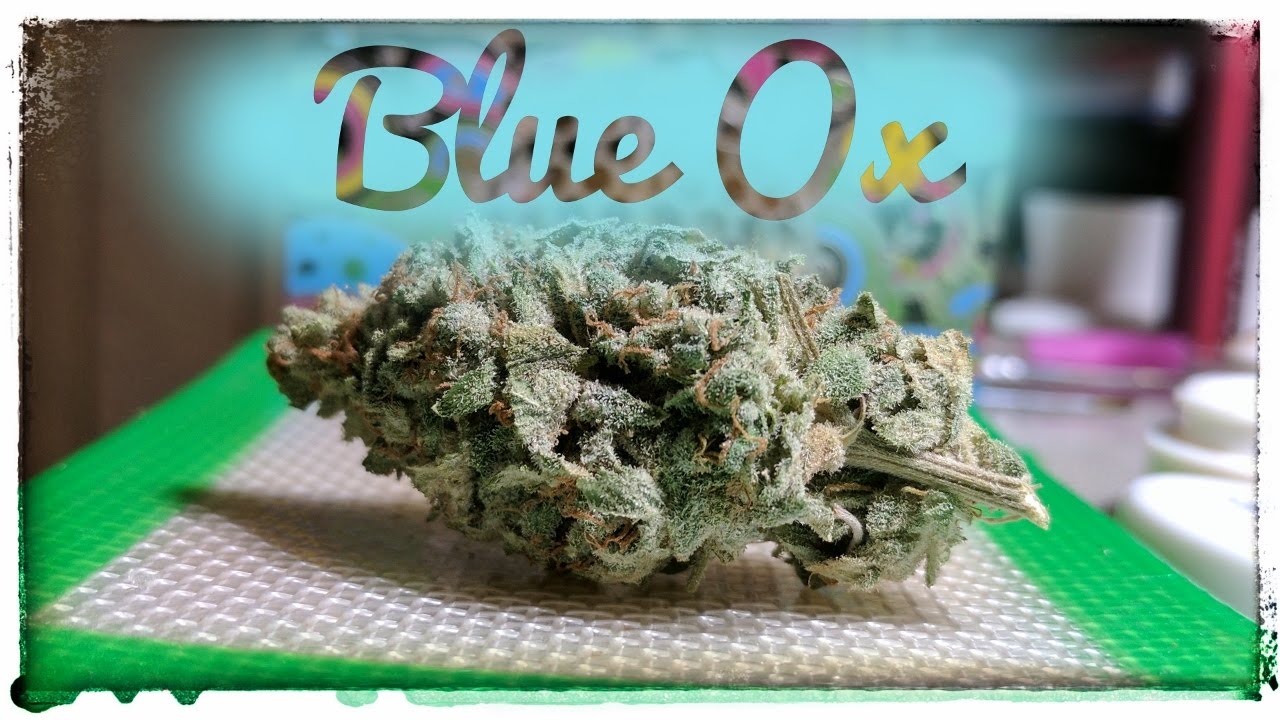
Medical Strain Analysis: Blue Ox
-
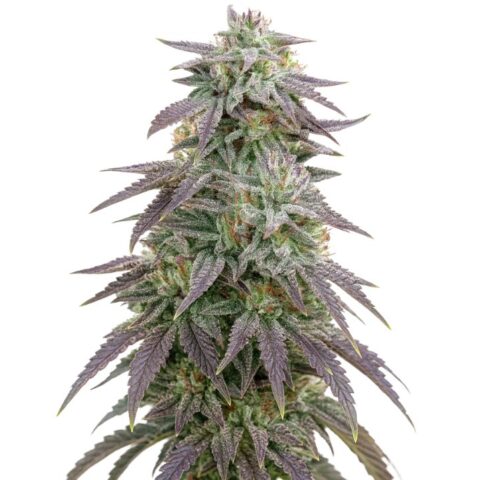 Blue Ox Cannabis SeedsFrom: $24.99
Origins of Blue Ox
Blue Ox is a relatively unique and potent medical cannabis strain that has captured the attention of the medical community for its therapeutic benefits. The strain is a hybrid, which results from crossing two well-known strains: Blueberry and The Ox. The blending of these two strains has given Blue Ox its distinct characteristics, making it suitable for various medical applications.
Parent Strains:
- Blueberry: The Blueberry strain is a legendary Indica-dominant hybrid known for its calming effects and rich berry aroma. It has been a favorite in the medical cannabis community for decades due to its ability to relieve stress, pain, and insomnia. Developed in the 1970s by DJ Short, Blueberry has since become a parent to many other strains, including Blue Ox. Its genetic lineage includes Afghani Indica, Thai, and Purple Thai, which contribute to its robust effects and sweet flavor profile.
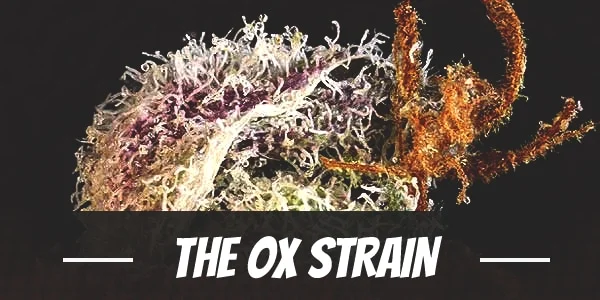
- The Ox: The Ox is another powerful strain known for its high CBD content and is primarily used for its medicinal properties. It is an Indica-dominant hybrid, which is a cross between Bubba Kush and Stone Mountain. The Ox is prized for its ability to provide deep relaxation and pain relief without the intense psychoactive effects that are common with high-THC strains. This makes it a perfect companion to Blueberry in creating a balanced hybrid like Blue Ox.
Genetic Profile:
- Type: Indica-dominant hybrid
- Parent Strains: Blueberry x The Ox
- THC Content: Approximately 18-22%
- CBD Content: 1-2%
- Terpene Profile: Myrcene, Caryophyllene, Limonene
The blend of Blueberry’s sweet and fruity flavors with The Ox’s earthy and kushy notes creates a complex aromatic profile that is both pleasant and therapeutic. The strain’s high THC content combined with moderate CBD levels provides a balanced effect suitable for a wide range of medical conditions.
Chemical Profile
The chemical profile of Blue Ox is what makes it particularly appealing in the medical cannabis field. Its cannabinoid and terpene content work synergistically to deliver its therapeutic effects.
Cannabinoid Content:
- THC: 18-22% – Blue Ox has a relatively high THC content, which contributes to its strong analgesic and anti-inflammatory properties. The high THC level is responsible for the strain’s ability to reduce pain, nausea, and muscle spasms, making it suitable for conditions like chronic pain, arthritis, and fibromyalgia.
- CBD: 1-2% – While the CBD content in Blue Ox is lower compared to THC, it still plays a crucial role in modulating the effects of THC, reducing potential anxiety and paranoia that can be associated with high-THC strains. The presence of CBD also enhances the anti-inflammatory and neuroprotective properties of the strain.
Terpene Profile:
- Myrcene: Myrcene is the dominant terpene in Blue Ox, contributing to its sedative effects and musky, earthy aroma. Myrcene is known for its ability to enhance the absorption of cannabinoids, making the effects of THC more pronounced. It is also associated with muscle relaxation and pain relief, which are vital for patients suffering from conditions like multiple sclerosis and rheumatoid arthritis.
- Caryophyllene: A special kind of terpene called caryophyllene binds to the body’s CB2 receptors to function as a cannabinoid. This terpene has potent anti-inflammatory and analgesic effects, making it highly beneficial for patients with chronic pain and inflammatory conditions. Its spicy, peppery aroma also adds depth to the overall scent profile of Blue Ox.
- Limonene: Limonene adds a citrusy note to Blue Ox’s aroma and is known for its mood-enhancing and anti-anxiety properties. This terpene helps counterbalance the sedative effects of Myrcene, providing a more well-rounded experience that includes both relaxation and mental clarity.
- Pinene: Although present in smaller amounts, Pinene adds a refreshing pine scent to Blue Ox and offers anti-inflammatory and bronchodilator effects. This can be particularly beneficial for patients with asthma or other respiratory conditions.
- Linalool: Linalool contributes a floral, lavender-like aroma to Blue Ox and is known for its calming and anti-anxiety effects. It also has potential anticonvulsant properties, which may be helpful for patients with epilepsy or other seizure disorders.
Flavonoids and Other Compounds:
- Blue Ox also contains a variety of flavonoids, which contribute to its antioxidant properties. These compounds help protect the body from oxidative stress, which is implicated in a variety of chronic conditions, including neurodegenerative diseases.
The combination of these cannabinoids, terpenes, and other compounds creates an “entourage effect,” where the different elements work together to enhance the overall therapeutic benefits of the strain.
Medical Benefits of Blue Ox
Blue Ox is a versatile strain with a range of medical benefits, making it suitable for various conditions. The high THC content provides potent pain relief, while the balanced terpene profile offers additional therapeutic effects, such as anti-inflammation, muscle relaxation, and mood stabilization.
1. Pain Management: Blue Ox is particularly effective in managing chronic pain due to its high THC content and the presence of pain-relieving terpenes like Myrcene and Caryophyllene. Patients with conditions like arthritis, fibromyalgia, and chronic back pain may find significant relief from using Blue Ox. The strain’s analgesic properties help reduce pain intensity, making daily activities more manageable for patients.
2. Anti-Inflammatory Effects: The combination of THC, CBD, and terpenes like Caryophyllene and Pinene gives Blue Ox strong anti-inflammatory properties. This makes it an excellent choice for patients with inflammatory conditions such as Crohn’s disease, rheumatoid arthritis, and lupus. The anti-inflammatory effects help reduce swelling, pain, and discomfort, improving the overall quality of life for these patients.
3. Anxiety and Stress Relief: While Blue Ox has a high THC content, its balanced terpene profile, particularly the presence of Limonene and Linalool, helps mitigate potential anxiety or paranoia that can accompany high-THC strains. This makes Blue Ox a suitable option for patients dealing with anxiety disorders, PTSD, and stress-related conditions. The calming effects of the strain promote relaxation without causing excessive sedation or mental cloudiness.
4. Muscle Relaxation and Spasticity: Blue Ox is highly effective in relieving muscle tension and spasms, thanks to the muscle relaxant properties of Myrcene and the anti-inflammatory effects of Caryophyllene. This makes it a valuable strain for patients with conditions like multiple sclerosis, spinal cord injuries, and muscle spasticity. The strain’s ability to relax muscles and reduce spasms can significantly improve mobility and reduce discomfort for these patients.
5. Insomnia and Sleep Disorders: For patients suffering from insomnia or other sleep disorders, Blue Ox can be a helpful strain. The sedative effects of Myrcene, combined with the calming properties of Linalool, make it easier for patients to fall asleep and stay asleep throughout the night. The strain’s ability to reduce pain and anxiety also contributes to better sleep quality, as patients can rest more comfortably.
6. Nausea and Appetite Stimulation: Blue Ox is known to alleviate nausea and stimulate appetite, which can be beneficial for patients undergoing treatments like chemotherapy or those with conditions like HIV/AIDS that cause loss of appetite and severe nausea. The antiemetic properties of THC help reduce nausea, while the strain’s ability to stimulate appetite can prevent weight loss and malnutrition in patients.
7. Neuroprotective Effects: The presence of THC, CBD, and certain terpenes like Linalool and Caryophyllene in Blue Ox contributes to its neuroprotective properties. Because of this, people suffering from neurological diseases like multiple sclerosis, Parkinson’s disease, and Alzheimer’s disease may find it useful. The neuroprotective effects help preserve cognitive function and protect against further neurological damage.
8. Seizure Management: While Blue Ox is not as high in CBD as some other strains specifically bred for seizure management, it still offers potential anticonvulsant properties due to its balanced cannabinoid profile and the presence of Linalool. Patients with epilepsy or other seizure disorders may benefit from the strain’s ability to reduce seizure frequency and severity, although it should be used under medical supervision.
Restrictions on Using Blue Ox in the Medical Field as a Last Resort
In the medical field, the use of cannabis strains like Blue Ox, particularly those with high THC content, is often considered a last resort. This is due to the potential psychoactive effects associated with THC, which may not be suitable for all patients. Medical practitioners typically reserve the use of high-THC strains for cases where other treatments have proven ineffective or when the benefits significantly outweigh the risks. Patients with a history of mental health issues, such as anxiety or schizophrenia, might be particularly sensitive to the psychoactive effects, necessitating careful consideration before prescribing Blue Ox.
Monitoring THC Levels to Prevent Psychoactive Effects

To minimize the psychoactive effects of Blue Ox in medical applications, it is crucial to monitor and control the THC levels in medications derived from this strain. This can be achieved through:
- Dosing Regulation: Establishing precise dosing guidelines to ensure patients receive a therapeutic dose that minimizes psychoactive effects.
- CBD-THC Balance: Utilizing the entourage effect by pairing Blue Ox with strains or products that have a higher CBD content, which can mitigate THC’s psychoactive effects.
- Patient Monitoring: Regular monitoring of patients’ responses to the medication is essential to adjust doses and prevent unwanted side effects. This is particularly important for vulnerable populations, such as the elderly or those with a history of psychiatric conditions.
Growing Conditions for Blue Ox
Cultivating Blue Ox can be rewarding, but it requires attention to detail and specific growing conditions to achieve the best results. The strain is suitable for both indoor and outdoor cultivation, but each environment has its own set of requirements.
1. Climate and Environment:
- Indoor Cultivation: Blue Ox grows best in an indoor environment that can be properly controlled for temperature, humidity, and light. 68–80°F (20–27°C) during the day and a little bit colder at night are the best temperature ranges for growing Blue Ox indoors. Mold and mildew can be avoided by maintaining humidity levels between 40 and 50 percent during the vegetative stage and 30 to 40 percent during the flowering period.
- Outdoor Cultivation: For outdoor growers, Blue Ox prefers a Mediterranean-like climate with plenty of sunshine and a consistent temperature range of 70-85°F (21-29°C). It is important to ensure that the plants receive adequate sunlight and are protected from heavy rain or extreme weather conditions, as this can affect the quality and yield of the harvest.
2. Soil and Nutrients:
- Soil: Blue Ox performs well in nutrient-rich, well-draining soil. A mix of organic compost, perlite, and coco coir can provide the right balance of nutrients and aeration. The pH level of the soil should be maintained between 6.0 and 6.5 to ensure optimal nutrient uptake.
- Nutrients: In order to maintain healthy leaf and stem growth, Blue Ox needs more nitrogen throughout the vegetative stage. Giving the plant phosphate and potassium to encourage bud growth should become more of an emphasis when the plant enters the flowering stage. While overfertilization might result in nutrient burn and other problems, it is important to feed your pet on a regular basis with a balanced nutrient solution.
3. Lighting:
- Indoor Lighting: Blue Ox benefits from a high-quality lighting setup during indoor cultivation. Due to their wide spectrum output and energy economy, LED lights are the favored option. The plants need 18 to 24 hours of light each day during the vegetative stage, and 12 hours of light and 12 hours of darkness are needed to stimulate the formation of buds during the flowering stage.
- Outdoor Lighting: In an outdoor setting, Blue Ox should be planted in a location that receives at least 6-8 hours of direct sunlight per day. The natural light cycle will help the plant transition from vegetative growth to flowering as the days shorten.
4. Watering:
- Blue Ox needs frequent irrigation, although excessive watering should be avoided as this might cause root rot. To avoid soggy roots, the soil should be given a little time to dry out in between irrigations. During the vegetative stage, the plants may require more frequent watering, while the flowering stage may require less frequent but deeper watering to encourage root growth.
5. Pruning and Training:
- Pruning: Blue Ox requires regular pruning in order to maintain adequate light penetration and air circulation across the canopy. Removing lower leaves and branches that are not receiving adequate light can help the plant focus its energy on developing the main colas, resulting in larger and more potent buds.
- Training: Techniques such as topping, LST (low-stress training), and SCROG (screen of green) can be used to manage the plant’s growth and maximize yield. These methods help create an even canopy, allowing for better light distribution and more uniform bud development.
6. Flowering Time and Harvest:
- Blue Ox has a flowering time of approximately 8-10 weeks when grown indoors. Depending on the local environment, outside plants are usually available for harvest in late September or early October. The buds of Blue Ox are dense and covered in trichomes, with a rich purple hue that develops in cooler temperatures.
- Harvesting: Harvesting should be done when the trichomes on the buds are milky white with a few amber-colored trichomes, indicating peak potency. The buds should be carefully trimmed and dried in a dark, well-ventilated space to preserve their aroma and potency.
7. Pest and Disease Management:
- Blue Ox is relatively resistant to common pests and diseases, but it is still important to monitor the plants regularly for signs of issues. Common pests such as spider mites, aphids, and whiteflies can be managed with organic insecticides or beneficial predators like ladybugs. Mold and mildew can be prevented by maintaining proper humidity levels and ensuring good air circulation around the plants.
8. Yield:
- Blue Ox is known for its moderate to high yield, depending on the growing conditions and the care provided. Under ideal circumstances, outdoor plants can yield up to 600 grams per plant, while indoor gardeners should anticipate harvesting between 400 and 500 grams per square meter.
Conclusion
Blue Ox stands out as a potent and versatile medical cannabis strain, offering a wide range of therapeutic benefits, particularly for managing chronic pain, inflammation, anxiety, and sleep disorders. Its origins, as a cross between the legendary Blueberry and The Ox, have endowed it with a rich chemical profile that includes high levels of THC and a balanced mix of terpenes, making it a powerful option for patients with various medical conditions.
However, the high THC content of Blue Ox necessitates careful consideration in medical applications. While its therapeutic potential is significant, the psychoactive effects of THC must be managed through precise dosing, patient monitoring, and, where possible, combining it with higher CBD strains to balance the effects. In the medical field, Blue Ox is often reserved as a last resort for patients who have not responded to other treatments, ensuring that its potent effects are used judiciously.
Growing Blue Ox requires attention to detail, whether cultivated indoors or outdoors, with specific requirements for climate, soil, and light. With proper care, the strain yields high-quality buds that are rich in therapeutic compounds, making it a valuable addition to any medical cannabis regimen.
In summary, Blue Ox is a powerful medical strain that offers significant benefits but requires careful management to ensure its safe and effective use. By adhering to best practices in cultivation, dosing, and patient monitoring, Blue Ox can be a crucial tool in the medical field, providing relief to patients with challenging health conditions while minimizing the risk of psychoactive side effects.
