Table of Contents
Cannabis Seeds With Purple and Blue Genetics
Cannabis seeds with purple and blue genetics are among the most visually striking and chemically complex in the world of cannabis cultivation. These pigments don’t just add beauty to the buds they often signal unique terpene profiles, anthocyanin concentrations, and even slight variations in cannabinoid expression.
Understanding the Genetic Origins of Purple and Blue Cannabis
Cannabis plants with purple or blue hues owe their coloration to anthocyanins a group of flavonoid pigments found in many fruits, vegetables, and flowers. In cannabis, anthocyanins accumulate in response to certain genetic triggers and environmental factors. The presence of these pigments is more prominent in strains that have inherited the trait from specific landrace or hybridized lineages.
Key Genetic Traits:
- Anthocyanin Production: Purple and blue cannabis plants are high in anthocyanins, which can appear in leaves, stems, and buds.
- Cold Response Mechanism: These pigments often become more visible when plants are exposed to colder night temperatures (below 60°F or 15°C), which inhibits chlorophyll production and allows the underlying colors to show.
- Lineage Influence: Many strains with purple or blue hues are descendants of landrace varieties from regions like Afghanistan, the Hindu Kush, and parts of the Himalayas, where cooler climates encouraged the natural expression of anthocyanins.
Cultivation Considerations for Purple and Blue Strains
To optimize the visual and chemical expression of purple and blue phenotypes, growers need to consider environmental stressors, genetics, and timing.
1. Genotype First, Environment Second
Not all cannabis plants will turn purple or blue, even under optimal conditions. Seeds must carry the genetic predisposition for anthocyanin expression.
2. Temperature Control
Cool night temperatures in the final 2–3 weeks of flowering help suppress chlorophyll and stimulate anthocyanin visibility. A temperature difference of at least 10°F between day and night is ideal.
3. pH and Nutrient Influence
Soil pH can influence anthocyanin expression. Slightly acidic conditions (around 6.0–6.2) may help enhance coloration. However, nutrient balance is criticalv phosphorus deficiency, while known to cause purpling, should not be used as a tactic, as it can harm plant health.
4. Harvest Timing
Harvesting too early or too late may diminish both color and potency. Most purple and blue strains reach peak coloration during the last stages of flowering.
Popular Purple and Blue Cannabis Strains
1. Blueberry
- Genetics: Purple Thai × Thai x Afghani
- Type: Indica-dominant
- THC: 15–24%
- Flavors: Blueberry, vanilla, earthy
- Medicinal Use: Anxiety, stress, chronic pain, insomnia
- Recreational Use: Deep body relaxation and euphoria
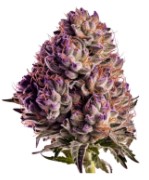
Blueberry is one of the most iconic blue-hued strains, known for its strong berry aroma and vivid coloration. It won the High Times Cannabis Cup in 2000 and has since become the backbone for many hybrids.
2. Purple Haze
- Genetics: Haze x Purple Thai
- Type: Sativa-dominant
- THC: 14–20%
- Flavors: Sweet berry, spice, haze
- Medicinal Use: Depression, fatigue, mood swings
- Recreational Use: Energetic, euphoric high with psychedelic undertones
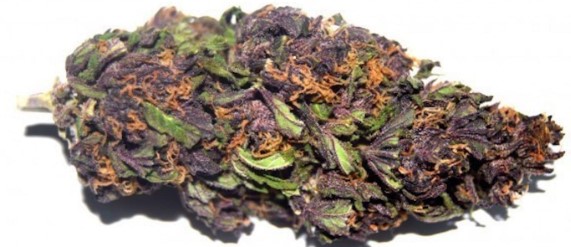
Purple Haze is famous both culturally and pharmaceutically. Its vivid purple flowers and energetic buzz make it a daytime favorite.
3. Granddaddy Purple (GDP)
- Genetics: Purple Urkle x Big Bud
- Type: Indica
- THC: 17–27%
- Flavors: Grape, berry, earthy
- Medicinal Use: Chronic pain, appetite loss, insomnia, PTSD
- Recreational Use: Heavy sedation and couch-lock
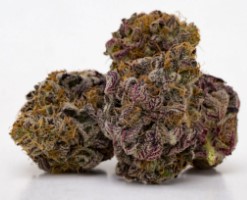
GDP is one of the most recognizable purple strains in the U.S. Its oversized, resin-coated buds and deep purple coloration are hallmarks of its therapeutic power.
4. Purple Kush
- Genetics: Hindu Kush x Purple Afghani
- Type: Pure Indica
- THC: 18–27%
- Flavors: Grape, hash, woody
- Medicinal Use: Muscle spasms, nerve pain, insomnia
- Recreational Use: Full-body melt, introspective relaxation
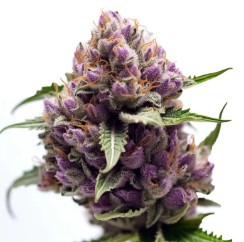
Purple Kush is revered for its strong indica effects and heritage tracing back to the Hindu Kush mountain range.
5. Blue Dream
- Genetics: Blueberry x Haze
- Type: Sativa-dominant hybrid
- THC: 17–25%
- Flavors: Berry, citrus, herbal
- Medicinal Use: Migraines, depression, PTSD
- Recreational Use: Balanced cerebral stimulation and body relaxation
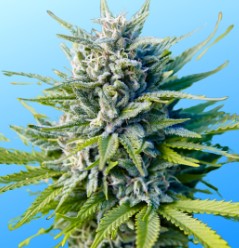
Though blue in name, not all Blue Dream phenotypes express blue coloration. However, when grown under the right conditions, its Blueberry parentage may reveal faint hues of blue or purple.
6. Purple Punch
- Genetics: Larry OG x Granddaddy Purple
- Type: Indica-dominant
- THC: 18–23%
- Flavors: Grape candy, blueberry muffin, tart
- Medicinal Use: Insomnia, stress, muscle tension
- Recreational Use: Sweet-tasting relaxation with little cognitive fog
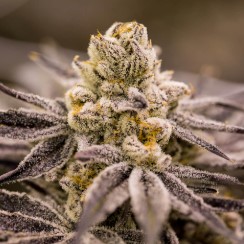
Purple Punch’s sugary terpene profile and dense violet buds make it a crowd-pleaser for flavor-chasers and medical patients alike.
Chemical Profiles and Terpene Expression
Cannabis strains with purple and blue genetics often share some common terpene profiles, although there is still wide diversity among them.
1. Myrcene
Found in many purple strains, this terpene contributes to sedation, anti-inflammatory effects, and earthy/musky aromas.
2. Pinene
A more common feature in blue-hued sativas like Blue Dream or Purple Haze, pinene offers alertness, respiratory relief, and a piney scent.
3. Linalool
Present in many purple varieties like Purple Kush and GDP, linalool imparts floral aromas and provides anxiolytic and muscle-relaxant effects.
4. Caryophyllene
This peppery terpene, often found in darker-colored buds, offers anti-inflammatory and potential anti-anxiety benefits through CB2 receptor interaction.
Medical Benefits of Purple and Blue Cannabis
Purple and blue cannabis strains are particularly popular in medical use due to their often-indica dominance and high terpene content. Key benefits include:
- Pain Relief: Sedative strains like Purple Kush and GDP help manage neuropathic and inflammatory pain.
- Sleep Aid: Many of these cultivars are rich in myrcene and linalool, which support deep sleep and reduce insomnia.
- Anti-Anxiety: The calming effect of linalool, combined with the moderate THC levels of many purple strains, supports anxiety reduction without overwhelming psychoactivity.
- Appetite Stimulation: Purple strains like GDP and Purple Punch are often used to treat appetite loss, particularly in cancer patients undergoing chemotherapy.
Recreational Appeal
Colorful cannabis is not just functional it’s fashionable. Purple and blue strains are highly sought after in dispensaries due to:
- Aesthetic Appeal: Vivid coloration adds visual interest and perceived potency.
- Unique Flavor Profiles: The grape, berry, and sweet terpene tones attract flavor-focused users.
- Balanced Effects: Many blue and purple strains offer moderate THC levels that blend cerebral and physical highs, making them suitable for varied tolerance levels.
Future Outlook and Breeding Potential
Breeders continue to explore purple and blue genetics to enhance terpene richness, yield, and stability. As legalization expands, demand for unique phenotypes grows. Modern breeding efforts aim to:
- Stabilize Color Expression: Ensure consistent anthocyanin visibility across phenotypes.
- Enhance Flavor Complexity: Combine sweet, fruity notes with gassy or citrusy tones.
- Increase Medicinal Value: Incorporate CBD or CBG genetics into colorful strains for broader therapeutic applications.
Conclusion
Cannabis seeds with purple and blue genetics are more than eye candy they represent a convergence of aesthetic beauty, chemical complexity, and powerful therapeutic potential. Whether sought after for their calming effects, unique terpene profiles, or simply their stunning hues, these strains offer a rich landscape for both cultivation and consumption. By understanding their genetic origins, optimal growing techniques, and medical applications, cultivators and patients alike can unlock the full potential of these botanical gems.
