Table of Contents
Cannabis Seeds That Finish Before First Frost
Growing cannabis outdoors in regions with short summers or unpredictable early frosts can be challenging. For cultivators in northern latitudes or alpine climates, it’s critical to choose cannabis seeds that finish before the first frost, ensuring plants complete flowering and are harvested before cold damage sets in. These early-finishing strains are bred to be fast-flowering, resilient, and reliable under time constraints.
Before selecting genetics that can beat the frost deadline, it helps to understand how seasonal timing, plant development, and environmental stress affect cannabis growth, which is covered in our short-season cannabis cultivation overview.
Understanding the Importance of Early-Finishing Cannabis Seeds
In most temperate climates, the first frost typically arrives between late September and early October. For cannabis plants, frost can cause cellular damage, mold proliferation, and complete crop loss. Since most photoperiod cannabis plants begin flowering in late summer (as daylight drops below ~14 hours), cultivators must choose strains that flower quickly typically within 6 to 8 weeks and are ready for harvest by early fall.
Choosing early-finishing cannabis seeds allows growers to:
- Avoid frost damage to flowers and leaves.
- Reduce the risk of mold and mildew from wet autumn conditions.
- Ensure complete cannabinoid and terpene maturation.
- Improve overall yield reliability and bud quality.
Key Characteristics of Early-Finishing Strains
Early-harvest strains share a combination of genetic and phenotypic traits that make them ideal for fast outdoor cycles:
- Fast Flowering Time
Most early-finishing strains have flowering durations of 6–8 weeks. Indica-dominant hybrids and landraces are commonly used in breeding these strains. - Short Vegetative Growth Period
These plants grow rapidly in the vegetative stage and transition quickly to flowering, maximizing light absorption during early summer. - Cold Resistance
While not immune to frost, many of these cultivars exhibit resilience to colder temperatures and can survive brief dips near freezing. - Mold Resistance
Tight buds and wet autumns don’t mix. Early-finishing strains are often bred with mold resistance, particularly important for outdoor growers. - Autoflowering Potential
Some early strains are autoflowering, meaning they flower based on age rather than light cycles, allowing harvests as early as mid-summer.
Photoperiod Cannabis Strains That Finish Before Frost
Here are some high-performing photoperiod cannabis strains that reliably finish before the first frost (usually by late September):
1. Holland’s Hope (Dutch Passion)
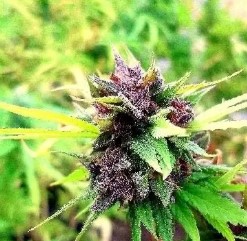
- Genetics: Skunk x Afghan
- Flowering time: 6–7 weeks
- Harvest window: Early to mid-September
- Features: One of the first outdoor strains bred specifically for damp, cool northern climates. Mold resistant, compact plant with earthy and hashy flavors. High THC content (14–18%) with a calming, indica effect.
2. Early Skunk (Sensi Seeds)
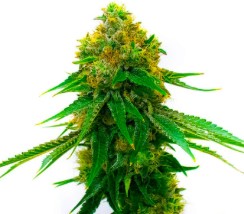
- Genetics: Skunk #1 x Early Pearl
- Flowering time: 7 weeks
- Harvest window: Late September
- Features: Vigorous and mold-resistant, this hybrid produces generous yields and pungent, sweet skunky buds. It’s ideal for growers in rainy or humid climates.
3. Frisian Dew (Dutch Passion)
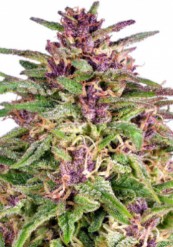
- Genetics: Super Skunk x Purple Star
- Flowering time: 7–8 weeks
- Harvest window: Mid to late September
- Features: Known for beautiful purple coloration and mold resistance. Suitable for northern climates with THC levels up to 17%.
4. Early Durban (Seedsman)
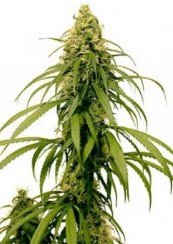
- Genetics: Durban Poison x Skunk #1
- Flowering time: 6–7 weeks
- Harvest window: Early September
- Features: Offers a strong sativa influence with an energetic effect and anise-like flavor. This strain is suitable for cool climates and finishes very quickly.
5. Guerrilla’s Gusto (Sensi Seeds)
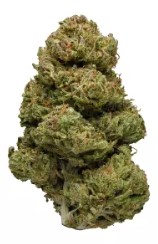
- Genetics: Northern Indian x Afghani hybrids
- Flowering time: 7 weeks
- Harvest window: Late September
- Features: Ideal for outdoor guerrilla growers. This strain is resilient, fast, and delivers potent body effects.
Autoflowering Strains That Finish Before Frost
Autoflowering cannabis is an excellent solution for growers in extremely short seasons. These strains flower based on age (usually 3–4 weeks from germination) rather than light cycles and finish in 60–75 days total, often allowing multiple harvests per summer or a single one that ends in mid to late August.
1. Auto Northern Lights
- Flowering time: 7–8 weeks from germination
- Harvest window: As early as mid-August
- Traits: Compact, resinous, and sedating. Perfect for stealth or container growing.
2. Auto Critical
- Flowering time: 8–9 weeks total
- Traits: Fast growth, high yields, and relaxing effects. Suitable for both indoor and outdoor short-season cultivation.
3. Auto Blueberry
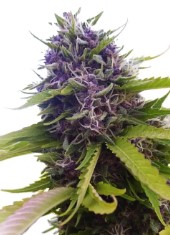
- Flowering time: 9 weeks total
- Traits: Compact, colorful, and delicious. Cold temperatures can enhance purple hues.
4. Auto Jack Herer
- Flowering time: 8–10 weeks total
- Traits: Uplifting, spicy, and cerebral. Performs well in partial sun and shorter summers.
Scientific Basis of Early Flowering Cannabis
Early-finishing traits stem from genetics that influence photoperiod sensitivity, hormonal signaling, and environmental responses.
1. Photoperiod Sensitivity and Gene Expression
In photoperiod cannabis, flowering is triggered when night length exceeds a critical threshold (~10–11 hours of darkness). Genes like CONSTANS (CO) and FLOWERING LOCUS T (FT) regulate flowering onset. Early-finishing photoperiod strains have mutations or expressions that activate FT expression sooner or at lower thresholds, reducing time to bloom.
2. Autoflowering Genes
Autoflowering strains possess the ruderalis genome, a subspecies adapted to short summers and extreme latitudes. Autoflowering is associated with the FLOWERING LOCUS C (FLC) gene and its repressor pathways, which allow age-dependent flowering. The ability to finish in 8–10 weeks comes from these ruderalis genetics, often hybridized with potent indicas or sativas for flavor and cannabinoid content.
3. Cold and Mold Resistance
Certain cannabis varieties exhibit epigenetic hardening increased expression of stress-response proteins (like heat shock proteins and antifreeze proteins) that make them more resilient to low temperatures and pathogens. Strains bred over generations in harsh climates (like Swiss, Dutch, or Himalayan genetics) develop traits that slow cellular damage and reduce pathogen susceptibility.
Tips for Growing Before the First Frost
To ensure a successful outdoor grow in short-season climates:
- Start Indoors Early
Germinate seeds indoors in April or early May to give plants a head start, especially if spring is cold. - Use Protective Structures
Use hoop houses or row covers to protect plants from cold snaps in early fall. - Select Genetics Wisely
Choose proven strains that are tested for northern climates or labeled as early-finishing by breeders. - Avoid Overfeeding Late in Flower
High nitrogen late in the season delays ripening. Shift to bloom nutrients early to encourage faster resin and bud development. - Harvest in Stages if Needed
Some parts of the plant ripen sooner. Remove top colas first and let lower buds finish under the canopy. - Monitor Weather Closely
Use 10-day forecasts to plan harvest and avoid unexpected early frosts. A single frost can damage trichomes and induce bud rot.
Conclusion
For growers in northern climates or regions where the first frost comes early, selecting the right cannabis seeds is crucial. Early-finishing photoperiod strains and fast autoflowering cultivars offer solutions that balance potency, flavor, and reliability within the tight time window of a short growing season.
Whether you’re cultivating in northern Canada, mountainous Colorado, or northern Europe, there are now more options than ever for finishing strong before the frost hits. Look for strains with a proven track record, optimized flowering schedules, and the resilience to withstand the unpredictable shoulder season ensuring a bountiful harvest no matter the climate.
