After more than a decade of starting every grow from seed, I’ve learned that success rarely comes down to a single “magic” trick. It’s a combination of choosing the right genetics, dialing in the environment, and being honest about your own experience level and local conditions. In this guide, I’m sharing the cannabis seeds and growing tips that I actually use in my own garden today.
This isn’t theory pulled from forums. These are the cannabis seeds and growing tips that have survived real-world problems: power cuts, hot summers, cold basements, sketchy tap water, and the occasional forgotten feeding. My goal is to help you skip some of the pain I went through and make smarter choices from day one.
Before anything else, remember: always follow the laws in your region. Everything here is for educational purposes and for growers who are allowed to cultivate where they live.
How I Choose Cannabis Seeds Before Any Grow
Whenever I plan a new run, I start with seeds, not equipment. The genetics you choose decide how forgiving the plants will be and how much work you’ll need to put in.
In practice, that means understanding the three main seed types: feminized cannabis seeds, autoflower cannabis seeds, and regular cannabis seeds. Each one has strengths and weaknesses, and I use all three depending on the project.
Feminized vs Autoflower vs Regular: What I Actually Use
When I want predictable results and full control over veg and flower, I reach for feminized cannabis seeds. Nearly every plant will be female, which saves a lot of time and space. With feminized cannabis seeds, I can veg as long as I want and flip to flower when the canopy is exactly how I like it. For most small home setups, feminized cannabis seeds are my default.
For quick runs or tight spaces, I lean heavily on autoflower cannabis seeds. Autoflower cannabis seeds don’t care about light schedules; they switch to flower based on age. That makes them great when I need a fast turnaround or when I can’t be bothered to run strict 12/12 lighting. Autoflower cannabis seeds saved one of my seasons when a move cut my grow time down to two months.
I still keep regular cannabis seeds in the fridge for breeding experiments and long-term projects. Regular cannabis seeds give both male and female plants, which is exactly what you want if you’re making your own crosses or hunting for a special keeper. They’re less convenient for day-to-day grows, but regular cannabis seeds are the foundation of every stable line I’ve kept around.
My rule of thumb:
- New grower or small tent: feminized cannabis seeds.
- Short timeline, balcony grow, or stealth project: autoflower cannabis seeds.
- Breeding, cloning projects, or hunting for standout phenos: regular cannabis seeds.
Matching Seed Type To Space, Climate, And Schedule
Before ordering anything, I look at my environment and ask three questions:
- Where will this grow live?
- How long can I realistically run it?
- How much daily attention can I give it?
The answers determine which cannabis seeds and growing tips I’ll actually follow.
Indoor Cannabis Growing: When I Keep Every Variable Tight
Indoor cannabis growing is where I can truly dial things in. When I’m running a tent or dedicated room, I usually go with feminized cannabis seeds and plan for at least 4–6 weeks of veg. Indoor cannabis growing lets me control PPFD, temperature, humidity, CO₂, and airflow all year, so I can push genetics a bit harder.
For indoor cannabis growing, I aim for:
- Seedling PPFD: 200–300 µmol/m²/s
- Veg PPFD: 400–600 µmol/m²/s
- Flower PPFD: 700–900 µmol/m²/s (without added CO₂)
- Day temps: 24–27°C in veg, 22–26°C in flower
- Night temps: 3–5°C lower than day
- VPD: 0.8–1.1 kPa in veg, 1.1–1.4 kPa in flower
With these targets, plants from feminized cannabis seeds tend to grow dense, manageable bushes that respond well to topping, LST, and scrogging.
Outdoor Cannabis Cultivation: Working With, Not Against, The Weather
Outdoor cannabis cultivation is a different game. You’re dealing with sun path, neighbors, pests, and unplanned storms. When planning outdoor cannabis cultivation, I constantly check my frost dates and average rainfall.
For short summers, I often prefer autoflower cannabis seeds outdoors. Autoflower cannabis seeds can finish in 9–11 weeks from sprout, which fits into short windows between last frost and first autumn cold snaps. In milder climates, outdoor cannabis cultivation with feminized cannabis seeds or hardy regular cannabis seeds can deliver monster plants, but only if your season is long enough.
I also choose genetics that can handle the humidity swings that come with outdoor cannabis cultivation. Dense, golf-ball nugs may look pretty in photos, but they’re more prone to mold. Outdoors, I lean toward slightly airier bud structures and strains known to finish reliably in my latitude.
Buying Cannabis Seeds Online Without Getting Burned
With so many shops out there, buying cannabis seeds online can feel like a gamble. Early on, I made the mistake of chasing bargain prices from sketchy sites. Half the pack never sprouted; the other half looked nothing like the strain I ordered.
Now, when I’m buying cannabis seeds online, I stick to a simple checklist:
- Choose a well-reviewed cannabis seed bank with a clear reputation.
- Look for realistic descriptions instead of wild yield or THC claims.
- Make sure the cannabis seed bank is transparent about shipping times and packaging.
- Read real grower reports, not just marketing blurbs.
When I find a cannabis seed bank I trust, I stick with it. Buying cannabis seeds online is much less stressful when you know the breeder and vendor both care about stable genetics and accurate labeling. A reliable cannabis seed bank saves more money in the long run than chasing “cheap” deals from random sites.
Germinating Weed Seeds: What Actually Works For Me
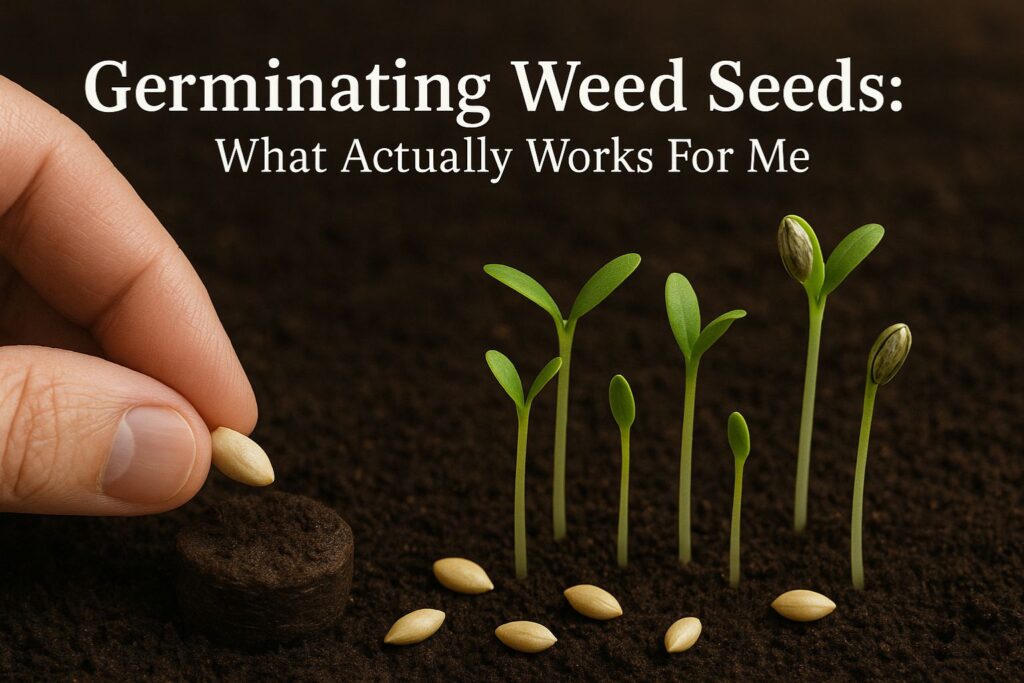
Early in my journey, I underestimated how critical the first few days were. Now I treat germinating weed seeds almost like a ritual. If I rush it, I pay for it later.
Over time, I’ve tested multiple methods for germinating weed seeds: straight into soil, paper towel, rapid rooters, and rockwool cubes.
My two most reliable options are:
- Soaked-and-into-medium method
- Paper towel in a vented container
My Go-To Method For Germinating Weed Seeds
Here’s how I handle germinating weed seeds most of the time:
- I soak the seeds in room-temperature, low-mineral water (EC under 0.4) for 12–18 hours.
- As soon as I see the shell darken and sink, I move them into lightly moistened starter plugs or a mild soil mix.
- I keep the medium at 24–26°C, with high humidity around 70–80 percent.
- A very gentle light (150–200 µmol/m²/s) stays on 18–24 hours per day.
Handled this way, germinating weed seeds is about consistency, not magic. If I’m germinating weed seeds from older packs, I’ll sometimes scuff the shells lightly with sandpaper and add a drop of kelp extract to the soak to encourage them.
Seedling Stage: Light, Air, And Water
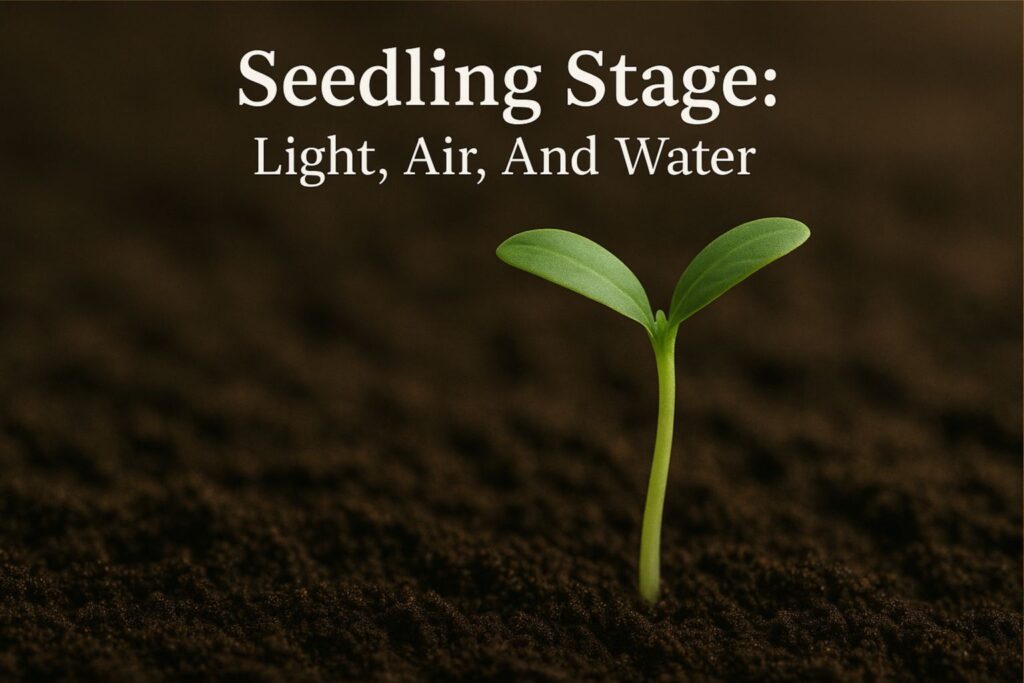
Once the taproot is down and cotyledons are open, the real work begins. At seedling stage, I’ve lost more plants to overwatering and excessive light than anything else.
My basic seedling rules:
- Light: 150–300 µmol/m²/s at 40–60 cm from LED.
- Temps: 24–26°C.
- RH: 65–75 percent for a softer VPD.
- Nutrients: Almost none at first; EC 0.4–0.6 is enough.
For indoor cannabis growing, I keep a small oscillating fan on the lowest setting to gently move the air around the seedlings. That reduces damping-off and encourages thicker stems.
Veg: Building A Foundation For Yield

In veg, I focus on roots, structure, and overall plant health. This is where soil vs hydroponics really starts to matter, because my feeding strategy changes with the medium.
Soil vs Hydroponics: How I Decide
I’ve run both, and there’s no single winner. For busy weeks, soil vs hydroponics comes down to how much monitoring I can handle.
When I choose soil vs hydroponics, I think about:
- Time: Hydroponics demands more daily attention.
- Buffer: Quality soil is more forgiving of small feeding mistakes.
- Speed: Hydro can push faster veg when dialed in.
For new growers, soil vs hydroponics is usually an easy decision: start with a good, airy soil or coco-based mix. You’ll have more margin for error while you learn your plants. I still enjoy pushing EC and fine-tuning root zones in hydro, but if I’m uncertain about timing or cannot check the garden daily, soil vs hydroponics usually ends with me choosing soil or coco.
Nutrients, EC, And VPD In Veg
In veg, I usually aim for:
- EC: 1.0–1.4 (depending on strain and medium).
- pH: 5.8–6.2 in coco/hydro; 6.3–6.7 in soil.
- VPD: 0.8–1.1 kPa.
I gradually train plants from feminized cannabis seeds with topping, low-stress training, and sometimes mainlining if I have time. Autoflower cannabis seeds get much gentler handling: a bit of leaf tucking and maybe a light bend early on, but I avoid heavy topping with autos unless I know the strain well.
Flower: Controlling Stretch, Aromas, And Density
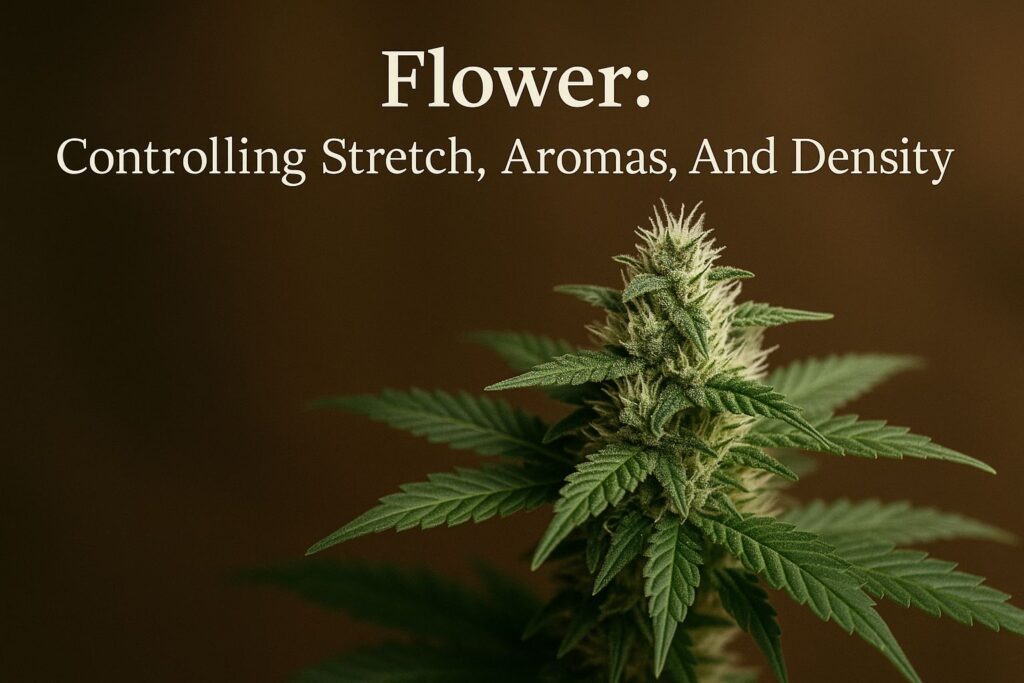
Once I flip photoperiod strains from feminized cannabis seeds to 12/12, I assume they’ll stretch for 2–3 weeks. I raise the lights gradually to keep PPFD in the target range and avoid stressing them.
For flower, I aim for:
- PPFD: 700–900 µmol/m²/s for most strains.
- Temps: 22–26°C (slightly cooler late in flower).
- RH: 45–55 percent.
- VPD: 1.1–1.4 kPa.
Autoflower cannabis seeds will do their own thing; they stretch on their own timeline. I treat them similarly to week 2–6 of flower in feminized plants, just without flipping any switch.
Regular cannabis seeds in flower get special attention early on. I watch for males and remove them quickly unless I’m intentionally making seeds. That’s another reason I reach for feminized cannabis seeds when yield is the main goal.
Medium And Feeding: Keeping It Simple Yet Precise
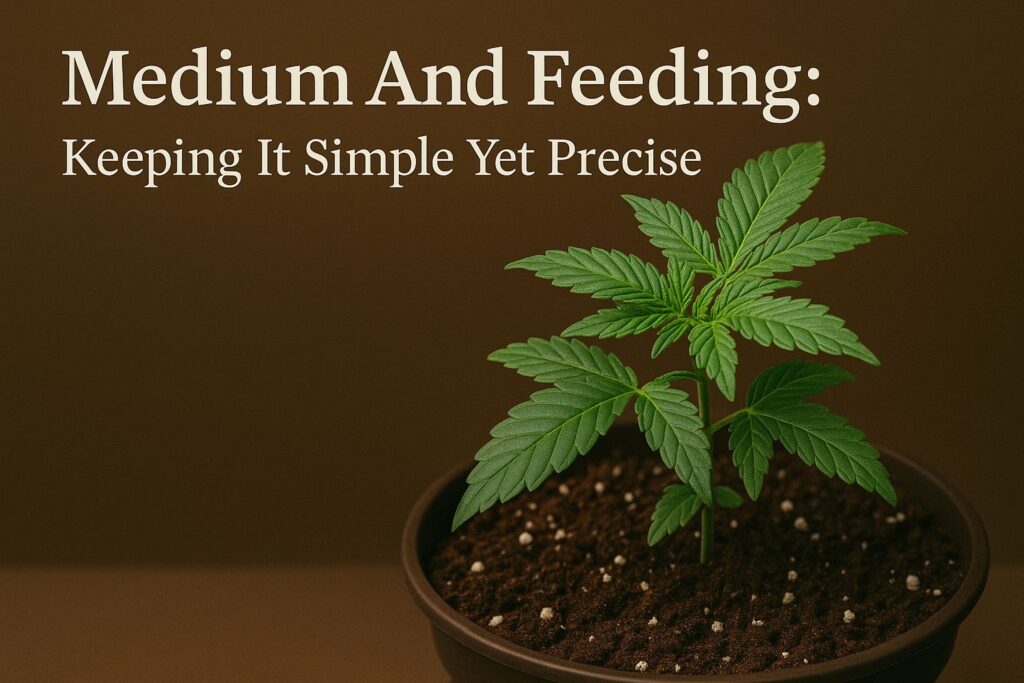
I’ve had success in living soil, coco, and recirculating hydro, but the older I get, the more I appreciate simplicity.
For most grows, especially when I’m testing a new strain, I use:
- Fabric pots with a light, high-drainage mix.
- Moderate EC feedings.
- Runoff checks once or twice per week.
Hydro systems can definitely produce impressive results, but they are less forgiving if you misread your EC, leave a pump off, or let reservoirs get too hot. That’s why the soil vs hydroponics decision always circles back to your schedule and attention to detail.
Choosing The Best Marijuana Strains For Beginners
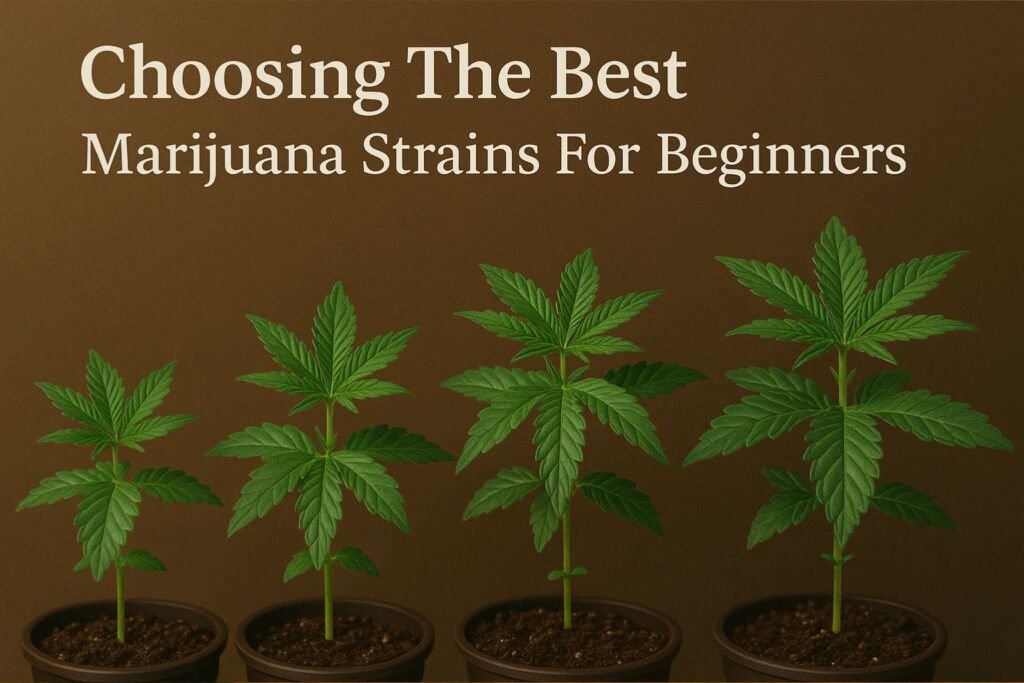
Looking back, I made my life harder by starting with finicky, long-flowering sativas. If you’re new, focus on the best marijuana strains for beginners rather than jumping straight into exotic hype genetics.
For me, the best marijuana strains for beginners share a few traits:
- 8–10 week flowering time.
- Hybrid structure that tolerates training.
- Stable genetics available from a reputable cannabis seed bank.
- Documented grow reports from indoor cannabis growing and outdoor cannabis cultivation.
When friends ask me about the best marijuana strains for beginners, I suggest starting with one or two easy hybrids in feminized cannabis seeds form, then adding a simpler autoflower. That combination teaches you how photoperiods behave while also letting you experience the speed and convenience of autoflower cannabis seeds.
Storing Seeds For Future Grows
Once you find genetics you love from a trustworthy cannabis seed bank, it’s worth storing extras correctly. Poor storage can ruin even the best pack.
I keep my seeds:
- In original breeder packs where possible.
- In airtight containers with a desiccant pouch.
- In a dark, cool drawer or the back of a fridge.
Handled properly, a stash of feminized cannabis seeds, autoflower cannabis seeds, and regular cannabis seeds can stay viable for years, ready for your next project.
Quick Checklists: From Purchase To Harvest
Here are the checklists I still use when planning a new run of cannabis seeds and growing tips for myself.
Seed-Buying Checklist
- Confirm local laws before buying cannabis seeds online.
- Choose a reputable cannabis seed bank with clear contact information.
- Decide between feminized cannabis seeds, autoflower cannabis seeds, and regular cannabis seeds based on your goals.
- Read multiple grow diaries for that strain, not just one glowing review.
- Double-check how long the strain takes to finish indoors and in outdoor cannabis cultivation.
Pre-Grow Setup Checklist
- Decide whether you’ll use soil vs hydroponics for this run.
- Test your tap water EC and pH before germinating weed seeds.
- Set up timers, fans, and filters for indoor cannabis growing.
- Have a simple IPM plan ready (sticky traps, regular inspections, and safe sprays if allowed).
- Make sure you can realistically visit the plants daily, especially for hydro.
Early Grow Checklist
- Keep temps and humidity in the right range from the first day.
- Avoid overwatering seedlings when germinating weed seeds into soil or coco.
- Gently increase PPFD as plants grow.
- Start low on nutrients and let the plants “ask” for more with lighter leaves, not burnt tips.
FAQ: Practical Cannabis Seeds And Growing Tips
What are the best marijuana strains for beginners?
The best marijuana strains for beginners are usually compact, hybrid-dominant plants that finish in 8–10 weeks and respond well to training. When I’m advising new growers, I tell them to look for the best marijuana strains for beginners in feminized cannabis seeds format first, then maybe add one or two reliable autoflower cannabis seeds. Combine that with sensible cannabis seeds and growing tips, and you’ll greatly increase your odds of a smooth first harvest.
Are feminized cannabis seeds better than regular cannabis seeds for first-time growers?
For most first-time growers, feminized cannabis seeds are the easier choice. You don’t have to identify and remove males, and almost every plant will produce buds. Regular cannabis seeds are fantastic for breeding and advanced projects, but they add complexity. Once you’ve run a few grows with feminized cannabis seeds and understand the basics, exploring regular cannabis seeds becomes more rewarding.
Should I choose autoflower cannabis seeds for my first grow?
If your space or schedule is limited, autoflower cannabis seeds can be a great option, especially for outdoor cannabis cultivation in short seasons or small indoor cabinets. Autoflower cannabis seeds don’t need a light schedule change, but they also give you less time to recover from mistakes. That’s why I often recommend running one small auto alongside a main tent of feminized cannabis seeds for beginners.
Is indoor cannabis growing easier than outdoor cannabis cultivation?
Indoor cannabis growing gives you more control over light, temperature, and humidity, which can make it easier to follow precise cannabis seeds and growing tips. But it also requires equipment and electricity. Outdoor cannabis cultivation is cheaper and uses the sun, but you must work around your climate, neighbors, and pests. I’ve learned a lot from both approaches, and many growers eventually cycle between indoor cannabis growing in the colder months and outdoor cannabis cultivation in the warmer ones.
What medium should I use: soil vs hydroponics?
For a first grow, I almost always suggest starting with soil or coco instead of jumping straight into hydro. When you compare soil vs hydroponics, soil gives you more buffer against feeding mistakes and pH swings. Hydroponics can deliver very fast growth, but it demands more frequent monitoring of EC, pH, and water temperature. After you’re comfortable with soil vs hydroponics basics in soil or coco, you can gradually experiment with more advanced systems if you want.
Is buying cannabis seeds online safe?
Buying cannabis seeds online is safe if you stick to reputable vendors and follow local laws. I only order from a trusted cannabis seed bank with a track record of stable genetics, discreet packaging, and responsive support. Before buying cannabis seeds online, I always make sure there’s a clear disclaimer about legal use and that the shop isn’t promising unrealistic yields or miracle effects.
Cannabis is a resilient plant, but it’s also honest. If your environment is off, if you’re careless germinating weed seeds, or if you cut corners when buying cannabis seeds online, the plants will show it. On the other hand, when you choose the right seed type for your goals, work with a trustworthy cannabis seed bank, and apply simple, consistent cannabis seeds and growing tips, your chances of a healthy harvest go way up.
Start small, keep good notes, and treat every run as practice. The skills you build with your first pack of feminized cannabis seeds or autoflower cannabis seeds will pay off for years of grows to come.
